


News









The Silent Powerhouse: Demystifying the EV Drivetrain
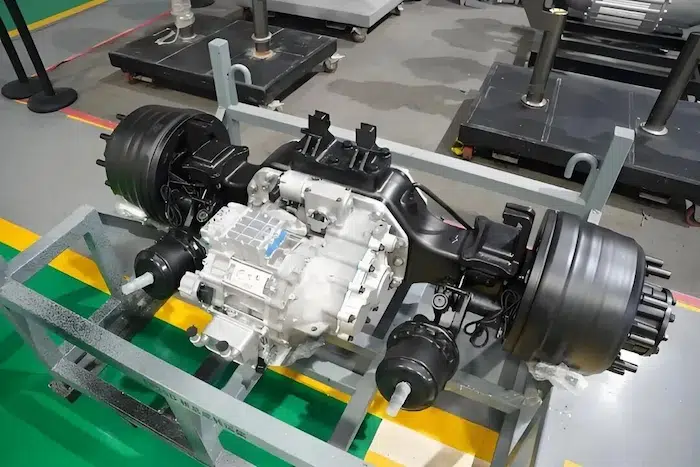
Forget the roar of an engine. The true soul of an electric vehicle hums quietly beneath the surface. This is the electric drive system, or e-drive—the compact, integrated unit that replaces the complex engine-and-gearbox combo of gasoline cars. It's the definitive component shaping how an EV accelerates, how far it travels, and how it feels to drive.
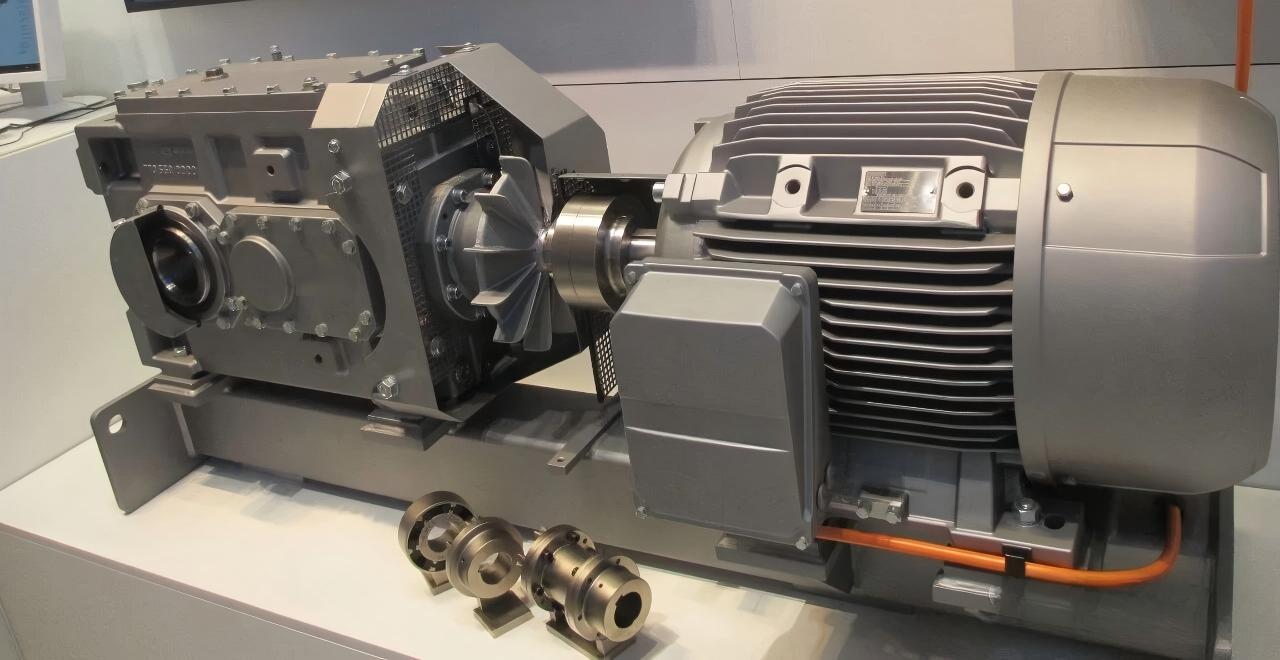
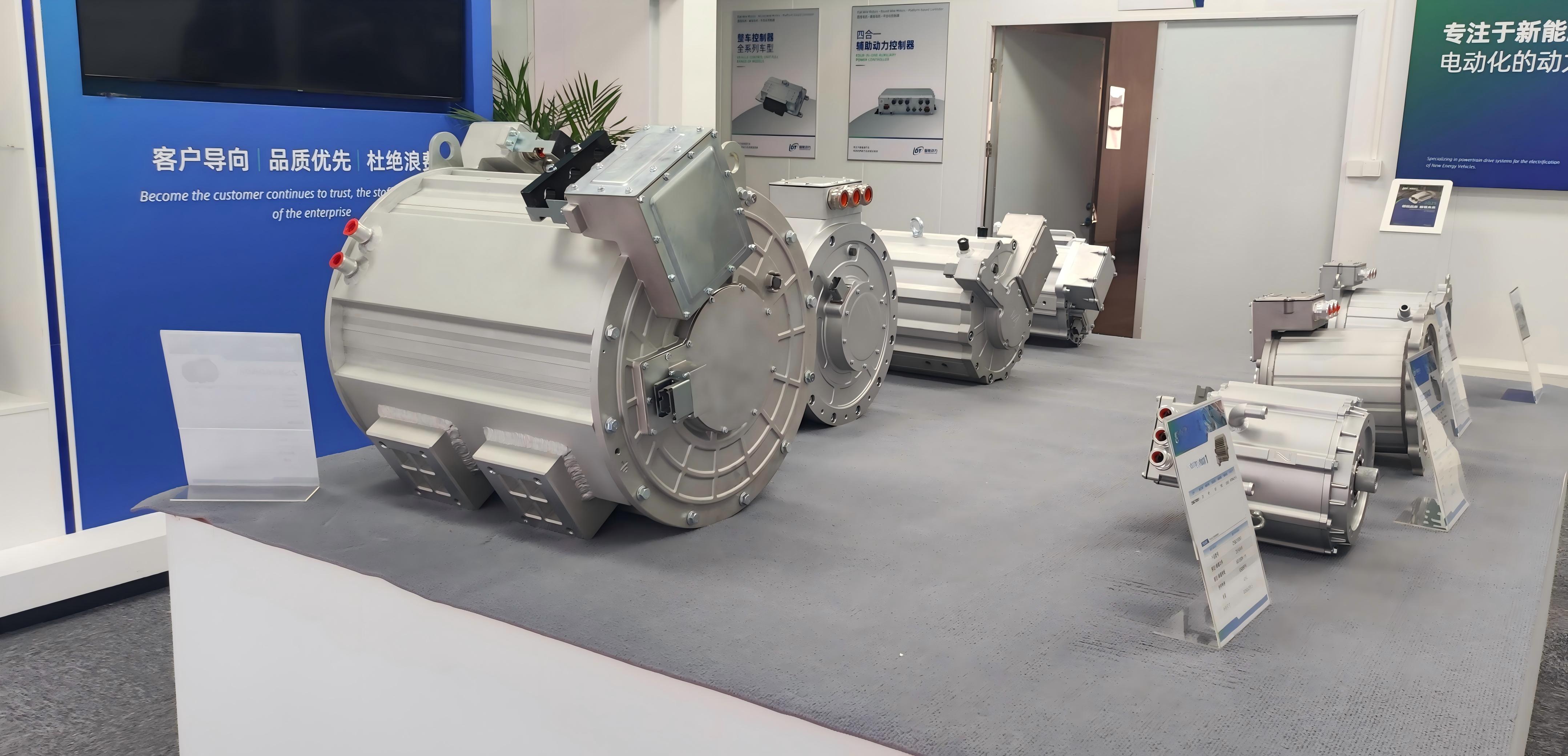
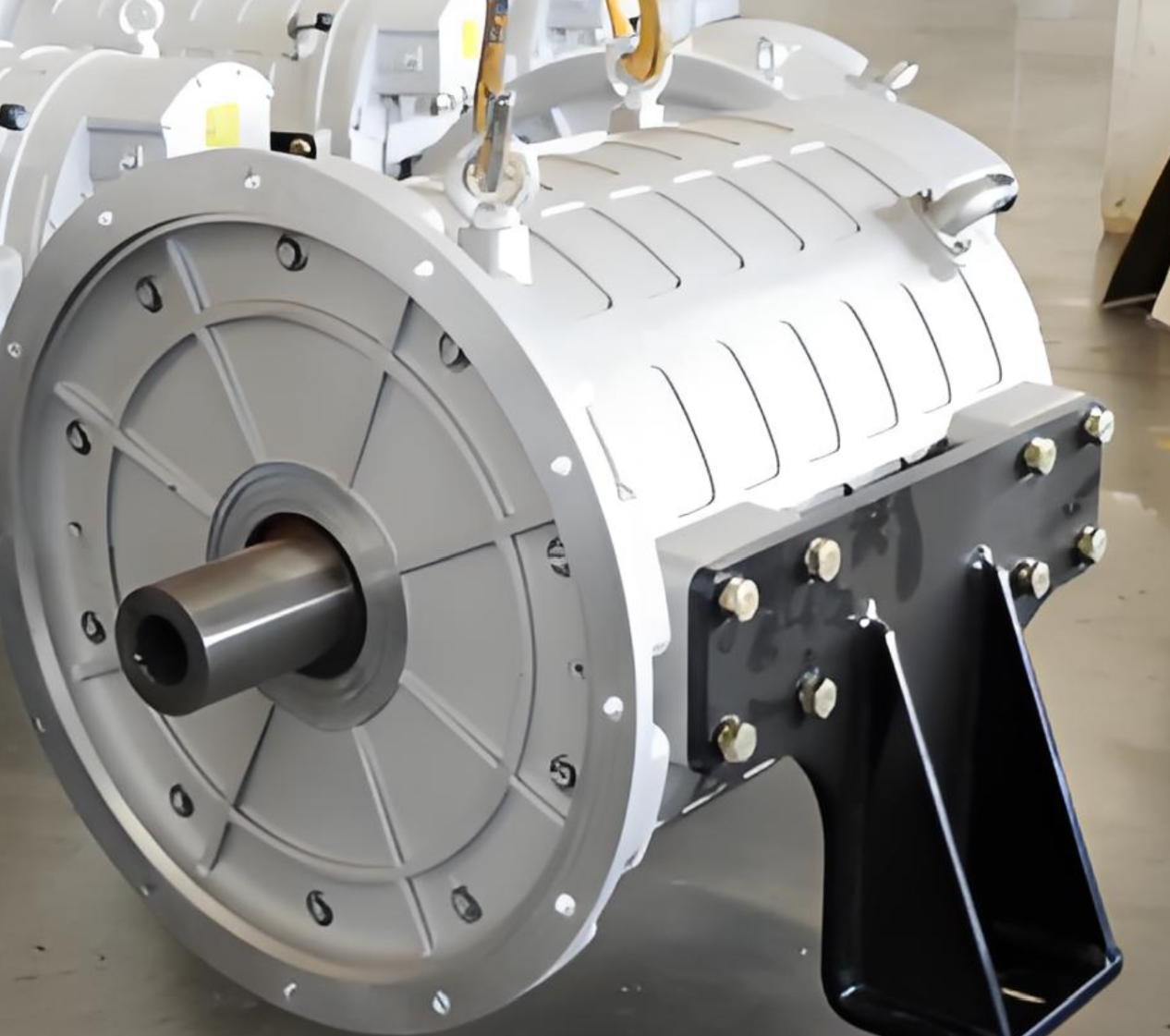
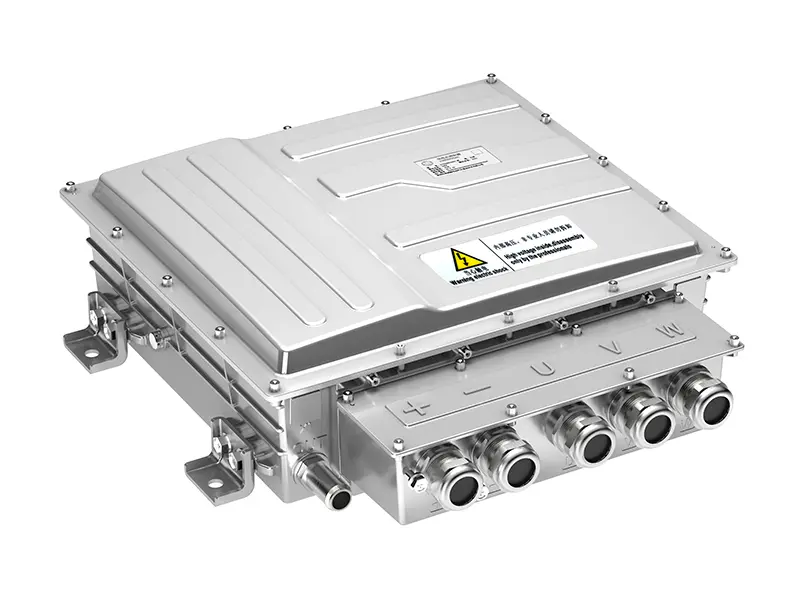
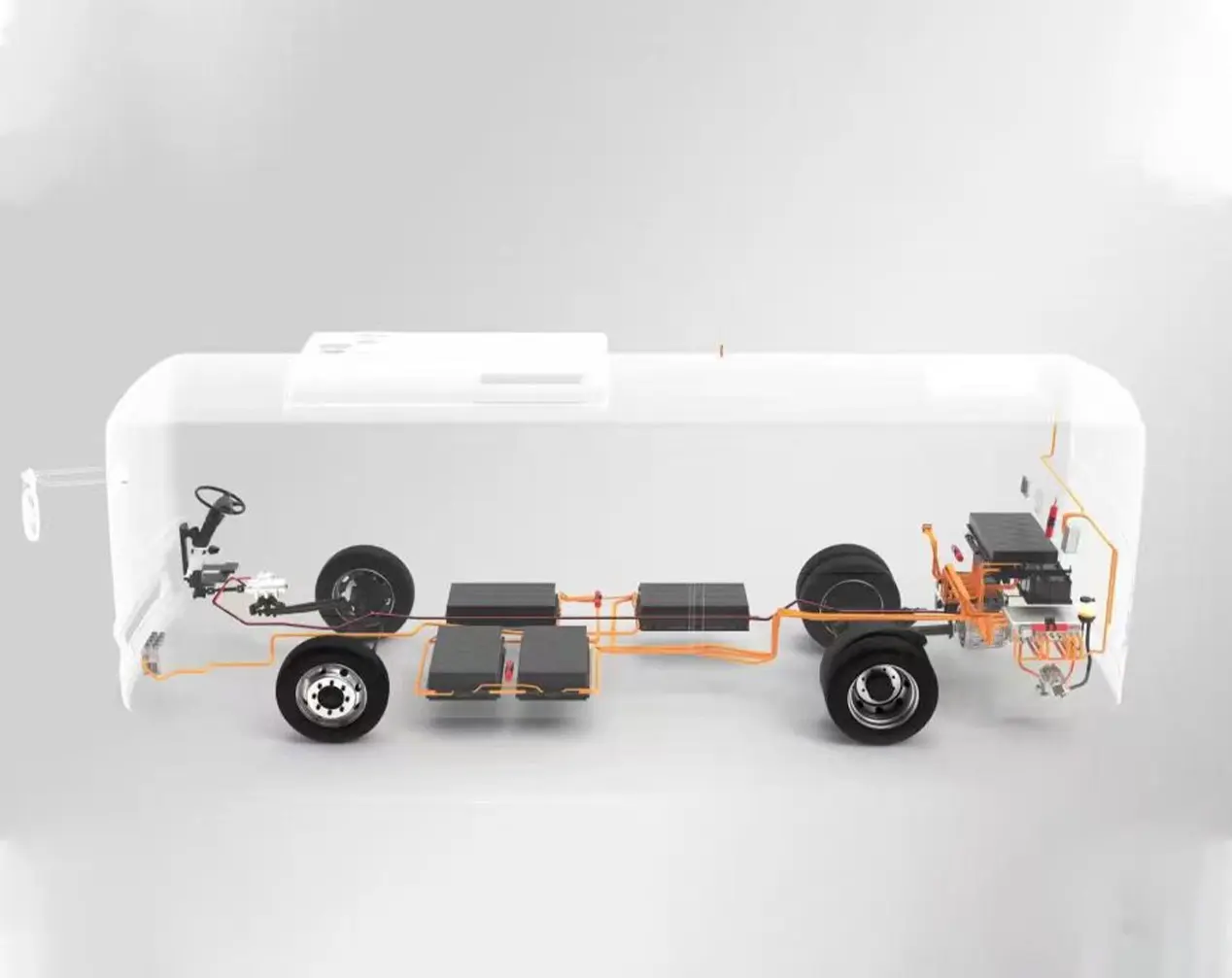
At its core, the process is elegantly simple yet brilliantly efficient: energy flows from the battery pack as direct current (DC), the inverter (or controller) transforms it into precise alternating current (AC), the traction motor spins this electrical energy into torque, and the reduction gear fine-tunes this force before it reaches the wheels. This direct, minimal-energy-loss journey from battery to asphalt is what defines the EV experience.
Choosing the Right Heart: A Tale of Three Motors
Not all e-drives are created equal. The choice of motor technology is a fundamental engineering decision that sets the vehicle's character. Here’s a breakdown of the three primary paths.
1. The Overachiever: Permanent Magnet Synchronous Motor (PMSM)
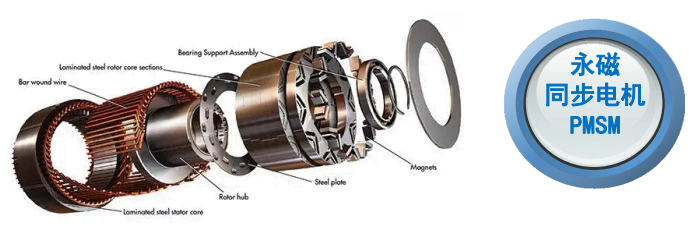
This is the undisputed champion of the passenger EV world, found in most models from Tesla to BYD. Its secret lies in powerful rare-earth magnets embedded in the rotor. When the stator's coils are energized, they create a rotating magnetic field that pulls the magnetized rotor in perfect sync.
- Why it Dominates: It’s about exceptional efficiency, especially in the city-driving speed range, directly translating to more range per charge. It’s compact, quiet, and delivers instant torque from a standstill for that smooth, punchy acceleration EVs are famous for.
- The Trade-off: Those powerful magnets rely on specific rare-earth materials, linking cost to commodity prices. Performance can also dip slightly at sustained very high speeds.
2. The Tough Performer: AC Induction Motor
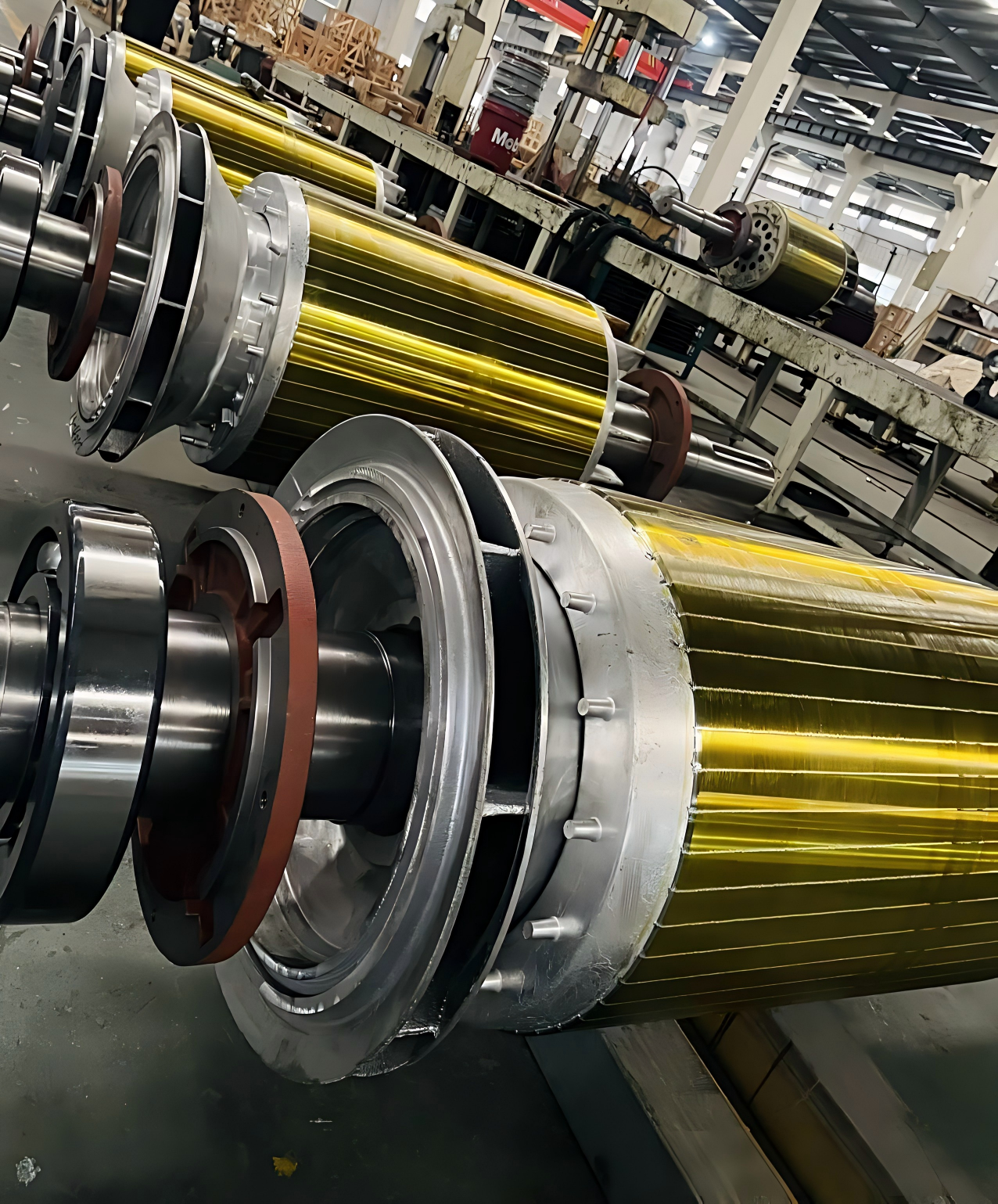
Think of this as the resilient, high-speed specialist. Used in everything from heavy-duty electric trucks to the most blisteringly fast performance cars (like earlier Tesla Model S Plaid versions), it foregoes permanent magnets. Instead, it induces a magnetic field in its rotor purely through electromagnetic interaction.
- Where it Excels: It’s inherently tough, cheaper to produce, and laughs in the face of high heat and high RPMs, making it perfect for relentless commercial use or chasing top-speed records. It’s a favorite for applications where brute-force reliability and high-end speed are priorities.
- The Consideration: This robustness comes with a small efficiency penalty in stop-and-go traffic compared to PMSMs, and the units are often larger and heavier for a given power output.
3. The Legacy Technology: Brushed DC Motor
While simple and ultra-low-cost, this technology belongs to a different era. Physical brushes that deliver current wear out, create sparks, and limit efficiency. You’ll only find these in low-speed neighborhood vehicles, not in modern, road-legal EVs.
Beyond the Basics: The Tech Making Today’s E-Drives Smarter
The evolution continues beyond the motor type itself. The latest systems integrate groundbreaking ancillary tech:
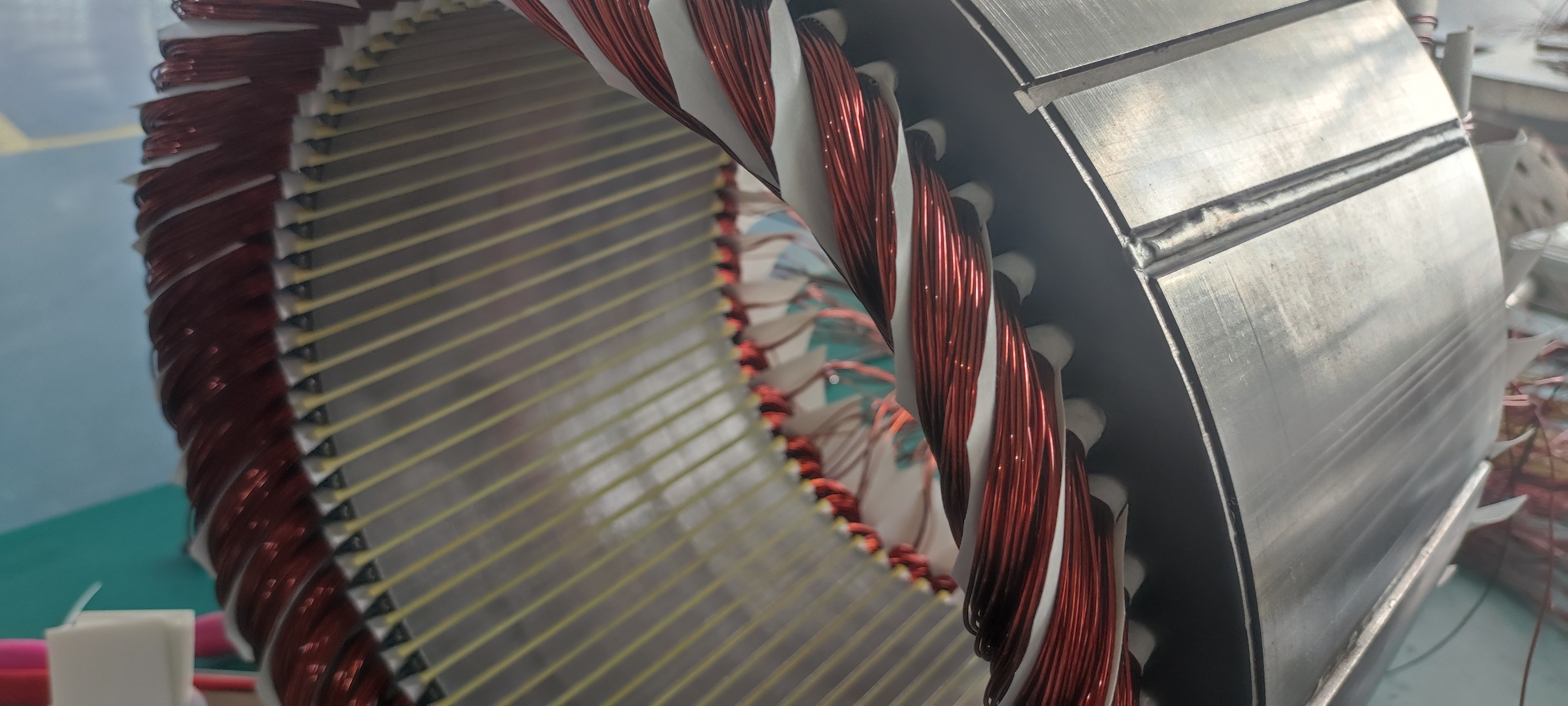
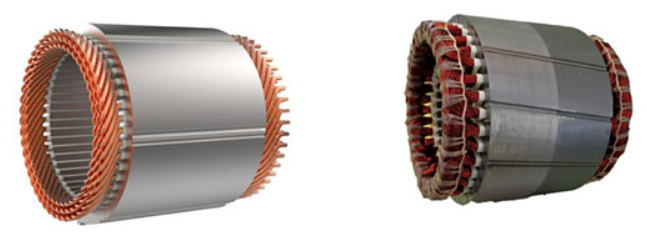
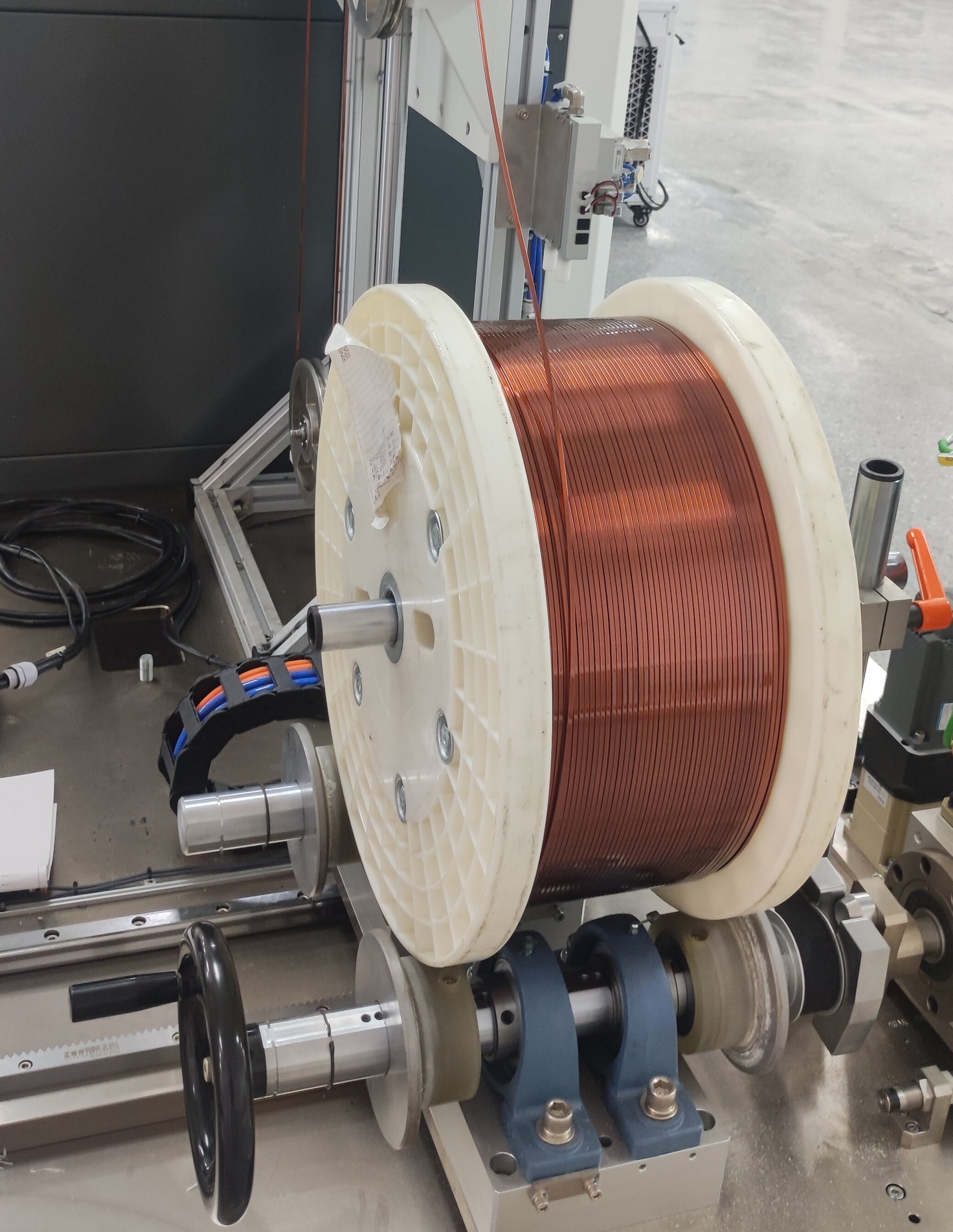
- Hairpin Windings: Replacing round wires with rectangular, pre-formed “hairpins” packs more copper into the motor, boosting power and efficiency.
- Direct Oil Cooling: Spraying cooling oil directly onto the hottest parts (like the windings) is like putting the motor on an intravenous chill pill, allowing for sustained high-power output without overheating.
- Silicon Carbide (SiC) Inverters: This semiconductor game-changer significantly reduces energy loss during power conversion, squeezing out extra miles of range and allowing for faster charging.
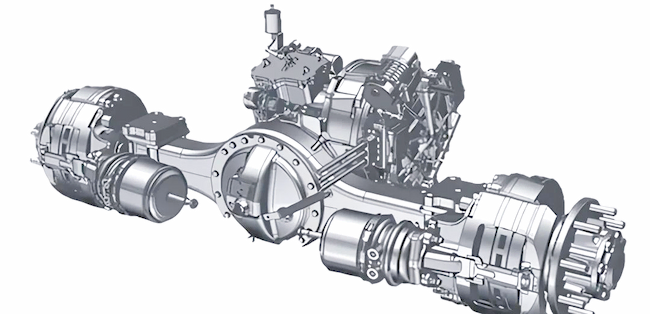
- The Integrated Future: The trend is toward “N-in-1” designs, bundling the motor, gearbox, inverter, and power distribution into one ultra-compact unit, saving space, weight, and cost.
Where the Road Leads: More with Less
The future of e-drives is clear: even greater integration, higher efficiency, and reduced cost. We’re moving toward motors that use less or no rare-earth materials, wider adoption of SiC and GaN semiconductors, and intelligent systems where the drive unit communicates seamlessly with the battery and brakes for unprecedented performance and control.
Engineered for the Future, Built by Pumbaaev
At Pumbaaev, we don’t just follow these trends—we help define them. As a dedicated manufacturer of advanced electric drive systems, we turn these engineering principles into reliable, high-performance reality. Our focus is on delivering robust, efficient, and scalable e-drive solutions that empower automakers to build the next generation of electric vehicles.
We specialize in the design and production of integrated 3-in-1 e-axles, utilizing cutting-edge technologies like hairpin winding motors and silicon carbide controllers to maximize efficiency and power density. Whether for passenger cars, commercial vehicles, or specialized mobility applications, our systems are built to perform.
Ready to see the precision behind the power? Explore our core technologies and manufacturing capabilities to understand how we’re driving the electric revolution forward.
Discover our solutions at: