


News







What factors can lead to low efficiency of the motor?
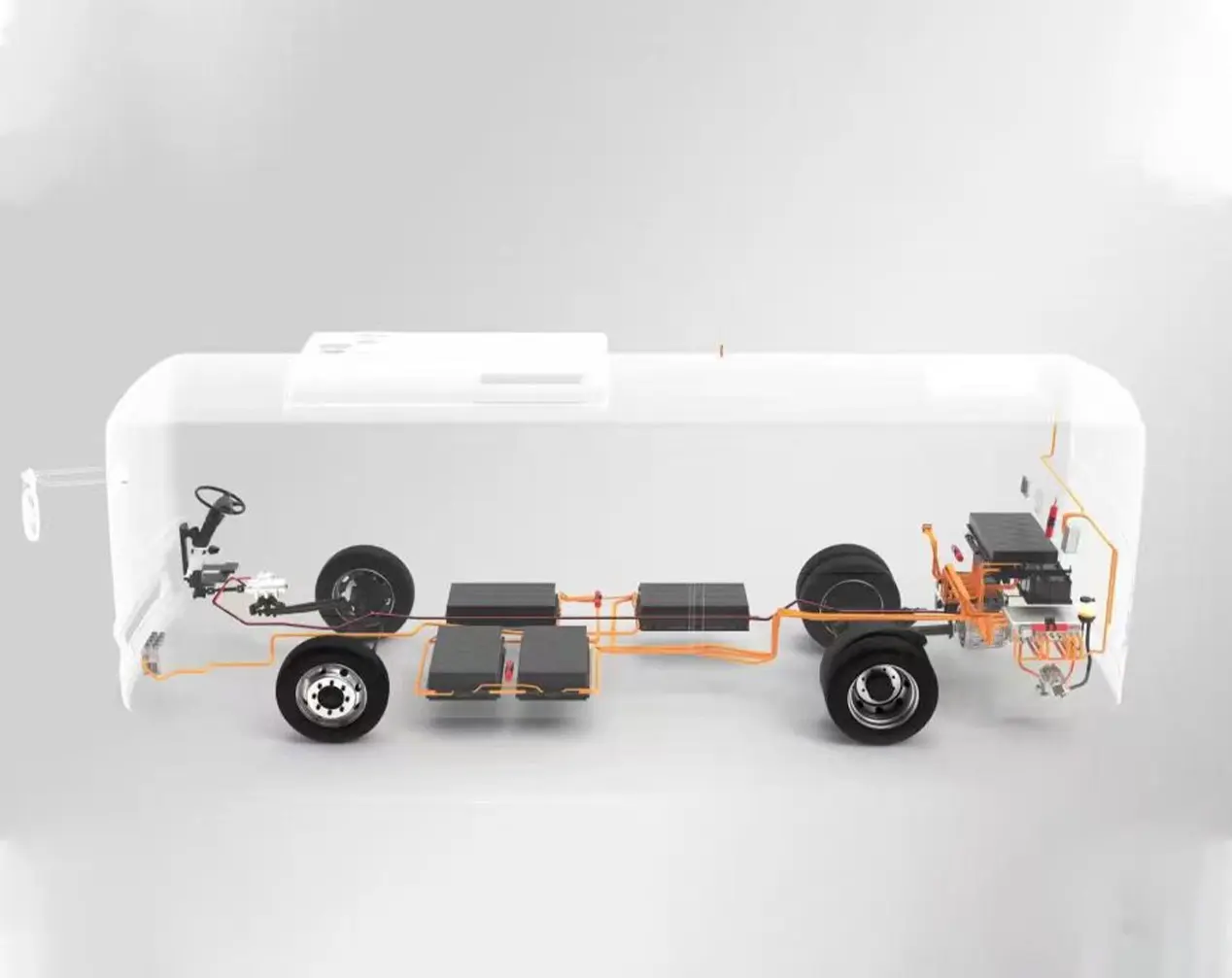
Motors are the core power components of modern automotive systems, and their efficiency directly impacts vehicle performance, energy consumption, and service life. For automotive motors—including EV traction motors, hybrid powertrain motors, and auxiliary motors—low efficiency reduces EV range, increases HEV fuel consumption, and raises long-term maintenance costs due to accelerated wear.
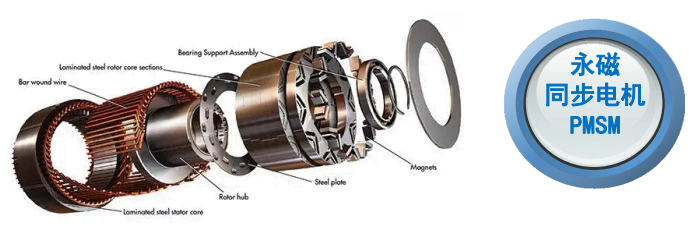
Motor inefficiency mainly comes from five key losses: stator copper losses, rotor copper losses, stray losses, iron losses, and mechanical losses. These losses are interdependent in operation, and understanding their causes is crucial for optimizing motors to meet strict industry efficiency standards. This article analyzes each loss type, its automotive application impacts, and core contributing factors.
I. Introduction
Demand for high-efficiency automotive motors is surging amid global electrification and stricter emission regulations. Motor efficiency refers to the ratio of output mechanical power to input electrical power, with dissipated energy (heat, noise, friction) classified as losses. Unlike industrial motors in stable environments, automotive motors operate dynamically—with varying speeds, loads, and temperatures—amplifying losses and necessitating targeted efficiency optimization.
Low efficiency directly harms vehicle performance: it can cut EV range by 5-15% and raise HEV fuel consumption by 3-8%. Excessive heat from losses accelerates component wear, damaging windings and bearings, and triggering thermal protection that limits output. Identifying loss causes helps manufacturers design durable, efficient motors and maintenance teams implement targeted fixes.
II. Stator Copper Losses
Core Influence
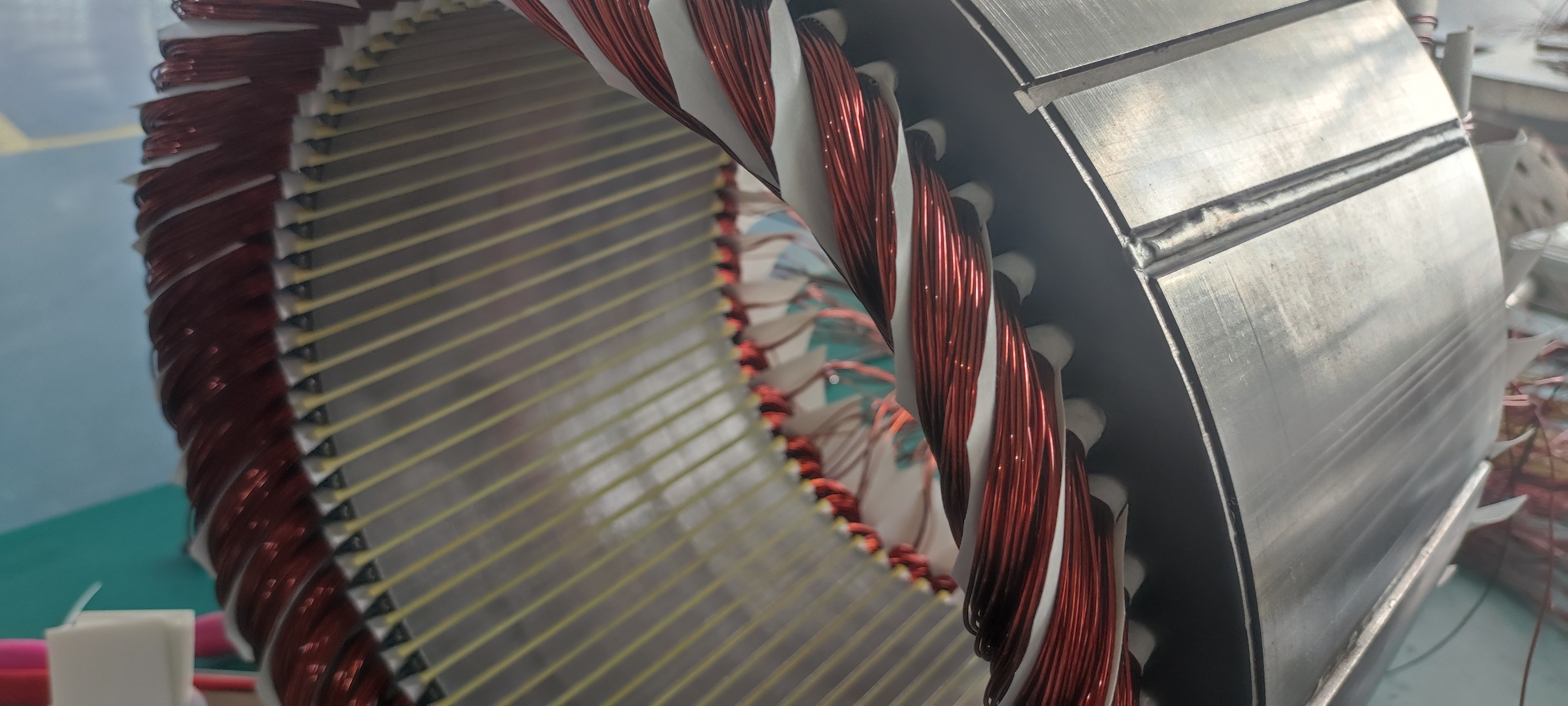
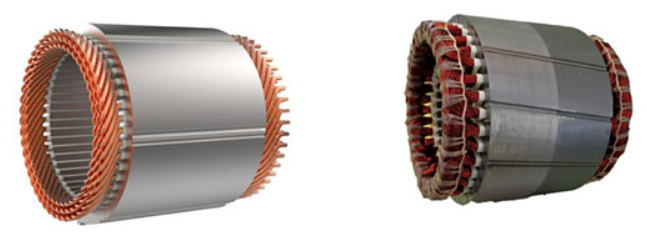
Stator copper losses, also known as I²R losses, are the primary source of motor inefficiency, accounting for 30-50% of total losses under normal operating conditions and surging to 60% during high-load scenarios like uphill driving or heavy towing. These losses occur when electrical current flows through the stator windings, generating heat due to the inherent resistance of copper conductors, following Joule’s law (losses are proportional to the square of current and winding resistance). The resulting temperature rise not only reduces power conversion efficiency but also risks damaging insulation, while output derating directly affects vehicle acceleration and towing capacity.
Specific Causes
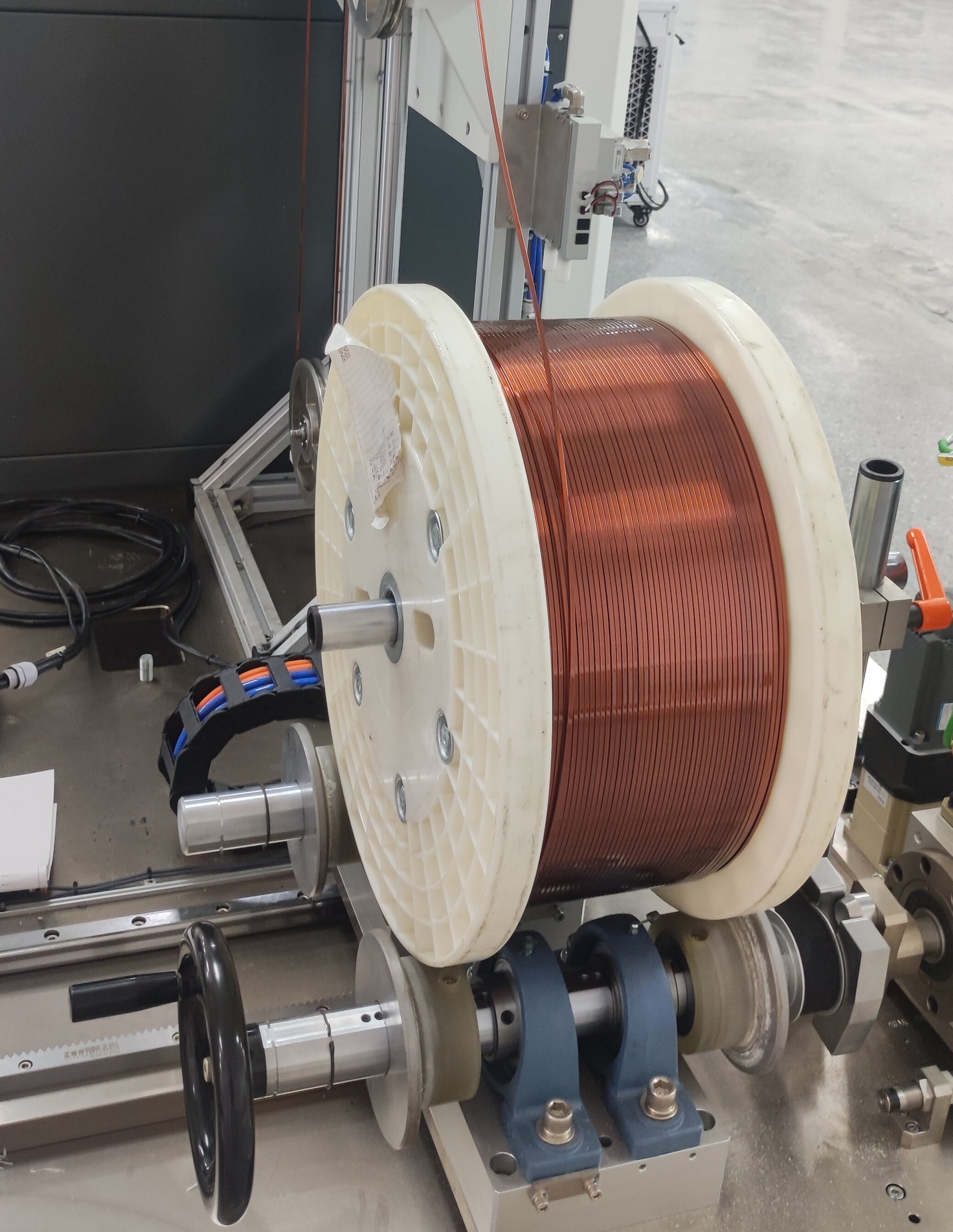
1. Winding Resistance: Winding resistance is directly linked to copper loss via the formula R = ρL/A (resistivity × length / cross-sectional area). Thin wires, longer winding lengths, impure copper materials, or conductor oxidation all increase resistance. For example, a 1mm diameter copper wire has four times higher resistance than a 2mm wire of the same length, which doubles copper losses for the same current— a critical issue in compact auto electric motor where space constraints limit wire size.
2. Current Density: Higher current density (amps per unit wire area) intensifies copper losses significantly. High-performance automotive motors such as EV traction motors typically operate at 20-30 A/mm², while overloading can push this to 35+ A/mm². Traditional starter motors experience transient current densities of 50+ A/mm² during cold starts, heightening loss risks and placing greater stress on winding insulation.
3. Winding Defects: Poor winding techniques (uneven spacing, loose connections) create hotspots and raise resistance, potentially causing short circuits over time.
4. Thermal Degradation: High temperatures reduce copper conductivity and damage insulation, increasing resistance and creating a loss-amplifying cycle.
III. Rotor Copper Losses
Core Influence
Rotor copper losses are specific to induction automotive motors, a common choice for hybrid powertrains, and are caused by eddy currents induced in rotor windings and slip between the stator magnetic field and rotor. These losses account for 10-20% of total losses at rated load and can surge to 30% at low speeds— a frequent scenario in city driving with frequent stops and starts. The resulting rotor heating reduces torque output by 5-8%, directly harming HEV fuel economy and plug-in hybrid driving range.
Specific Causes
1. Slip: Slip refers to the speed difference between the stator magnetic field and the actual rotor speed. Higher slip (3-8% under heavy loads or rapid acceleration, compared to 1-2% at steady cruising) increases rotor current and thus copper losses. For instance, a 20kW induction motor operating with 5% slip at 1000 RPM will experience 2.5 times higher rotor copper losses than when running at 1% slip, making this a key concern for urban driving efficiency.
2. Rotor Resistance: Aluminum rotors, widely used in cost-effective automotive motors like alternators, have 63% higher resistivity than copper rotors, leading to 20-30% greater copper losses for the same design. Contamination from road salt or moisture, as well as loose connections between rotor bars and end rings, further increase resistance and amplify losses over time.
3. Rotor Eddy Currents: High-frequency stator currents (from VFDs) induce extra rotor currents, boosting copper losses in modern auto electric motor.
IV. Stray Losses
Core Influence
Stray losses, also called miscellaneous losses, account for 5-15% of total losses under normal operation and up to 20% in high-frequency automotive motors like those powered by 800V EV systems. These losses occur outside the main stator and rotor windings, are difficult to measure directly, and manifest as heat and electromagnetic interference (EMI). EMI can disrupt vehicle electronic systems such as sensors and infotainment, while excess heat accelerates insulation aging— making stray losses a critical consideration for high-speed automotive motors.
Specific Causes
1. Leakage Magnetic Fields: Not all magnetic flux generated by the stator links with the rotor; some leaks into the motor frame, end shields, or adjacent components (known as leakage inductance). This leakage flux induces eddy currents in conductive parts, generating heat and stray losses. Compact automotive motors with small air gaps (such as wheel hub motors) see 30-40% higher stray losses due to close component proximity, which manufacturers mitigate by integrating non-magnetic flux barriers into the motor frame.
2. Harmonics: VFD-generated high-frequency harmonics amplify stray losses by 2-3x. Poor filtering worsens efficiency loss and EMI in EV auto electric motor.
3. Asymmetries: Stator-rotor misalignment or manufacturing defects distort magnetic fields, increasing losses—worsened by vehicle vibration.
V. Iron Losses
Core Influence
Iron losses, or core losses, stem from magnetic hysteresis and eddy currents in the stator and rotor cores, accounting for 10-25% of total losses at rated speed and up to 40% at high speeds (15,000+ RPM). These losses increase with the square of operating frequency, making them a major concern for variable-speed automotive motors— an EV motor running at 10,000 RPM will have nine times higher iron losses than at 3,000 RPM, directly impacting high-speed driving efficiency and range.
Specific Causes
1. Hysteresis Losses: Hysteresis losses result from the repeated magnetization and demagnetization of the core material (typically silicon steel) as the stator magnetic field alternates. High-grade silicon steel with a narrow hysteresis loop reduces these losses by 15-20% compared to low-grade materials. In permanent magnet automotive motors, the magnet’s flux density also influences hysteresis losses, requiring careful material matching during design.
2. Eddy Current Losses: Proportional to lamination thickness and frequency squared. Thin insulated laminations cut losses by 60-70% in VFD-powered auto electric motor.
3. Magnetic Saturation: Excessive flux distorts fields, increasing losses—critical for high-torque automotive motors requiring careful core design.
VI. Mechanical Losses
Core Influence
Mechanical losses, caused by friction and windage (air resistance), account for 5-10% of total losses at rated speed and up to 25% at ultra-high speeds (20,000+ RPM) for high-performance EV motors. These losses are constant at a given speed and become significant during prolonged highway driving. They reduce output torque by 3-5% and directly impact EV range— every 1% reduction in mechanical losses can extend driving range by 0.5-1%, making them a key optimization target.
Specific Causes
1. Bearing Friction: Bearings contribute 60-70% of total mechanical losses. Poor lubrication, worn bearing raceways, shaft misalignment, or excessive preload can double friction losses. Synthetic polyurea or perfluoropolyether greases outperform traditional lithium-based greases in automotive temperature ranges (-40℃ to 150℃), helping maintain low friction in auto electric motor operating under extreme conditions.
2. Windage Losses: Proportional to speed squared. Aerodynamic design and oil mist lubrication reduce losses in high-speed automotive motors.
3. Seal Friction: Worn seals increase friction and risk leaks, damaging auto electric motor and reducing efficiency.
VII. Key Considerations for Auto Electric Motors & Automotive Motors
Optimizing auto electric motor efficiency requires targeting automotive-specific conditions. Key strategies for manufacturers and maintenance teams include:
1. Material Selection: Using high-conductivity oxygen-free copper for windings reduces copper losses by 20-30% compared to aluminum. Low-loss silicon steel or amorphous metal cores minimize iron losses, while ceramic bearings (with a lower friction coefficient than steel) and synthetic greases cut mechanical losses. These material upgrades are critical for high-efficiency automotive motors.
2. Design Optimization: Thickening winding wires and using short-pitch windings reduce resistance and current density. Minimizing stator-rotor air gaps (to 0.3-0.5mm for precision motors) lowers leakage flux and stray losses. Aerodynamic rotor designs and liquid cooling systems further optimize efficiency by reducing windage losses and dissipating heat from high-load operation.
3. Quality Control: Precise manufacturing and component checks minimize defects that amplify losses in automotive motors.
4. Maintenance: Regular bearing/seal replacement, lubrication, and VFD tuning preserve efficiency and motor life.
VIII. Conclusion
Low automotive motors efficiency is a cumulative result of electrical and mechanical losses, which are amplified by the harsh, dynamic operating conditions of automotive systems. For electrified vehicles, targeted loss reduction is not just a performance imperative but also a key enabler of longer range and lower ownership costs.
Understanding the causes and impacts of each loss type empowers manufacturers to design more efficient auto electric motor and maintenance teams to implement proactive measures. As the automotive industry advances toward full electrification, optimizing motor efficiency will remain a pivotal focus for achieving sustainability goals and enhancing vehicle competitiveness.