


News





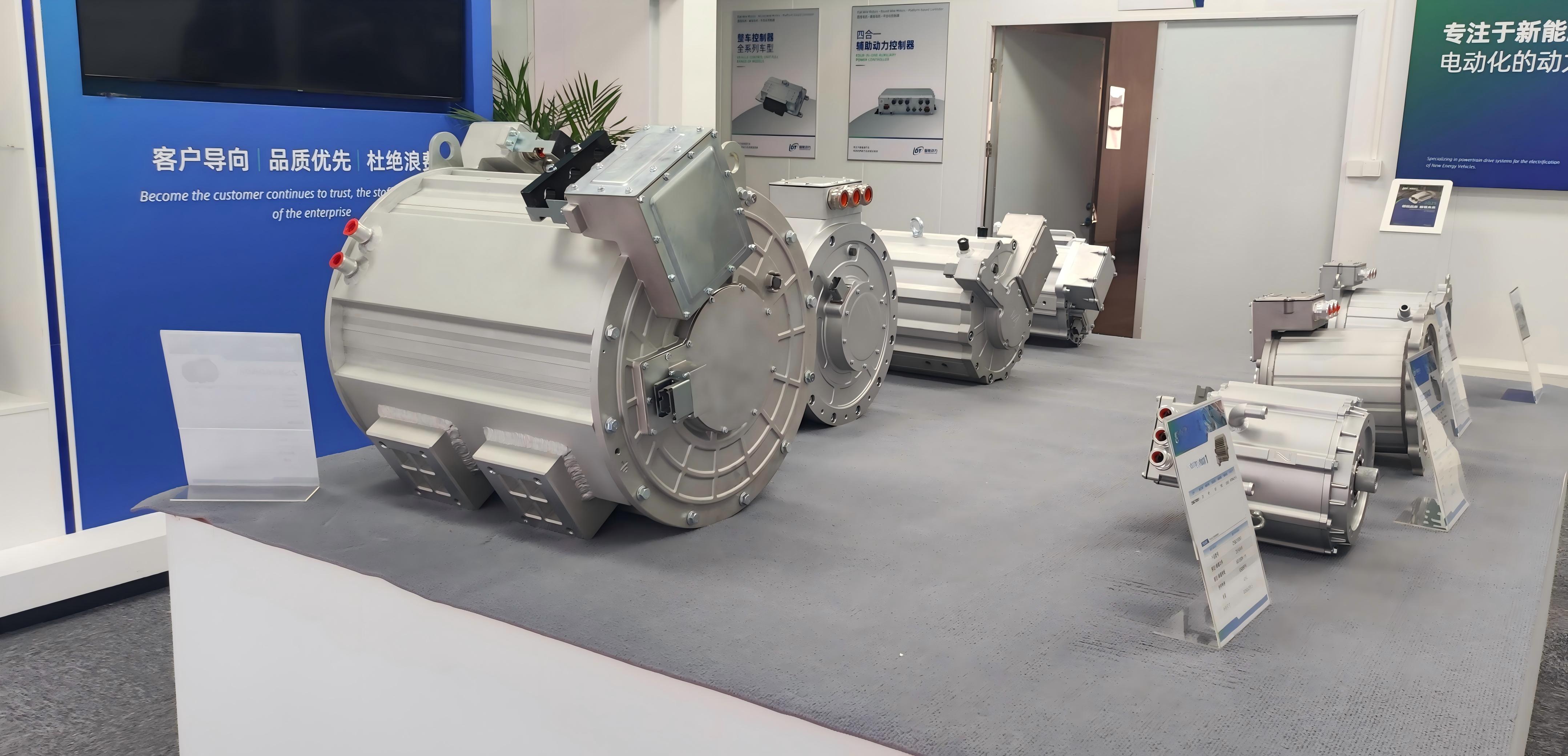
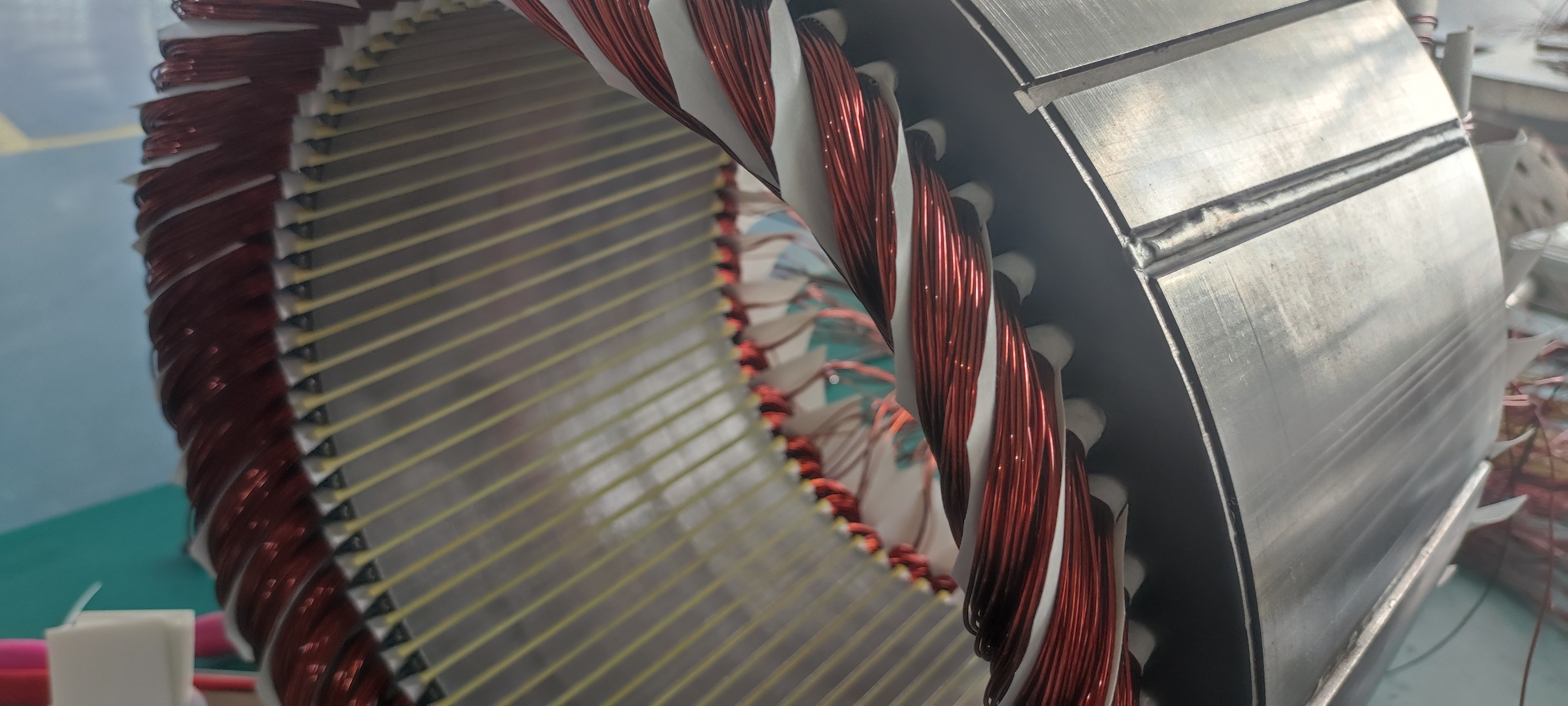
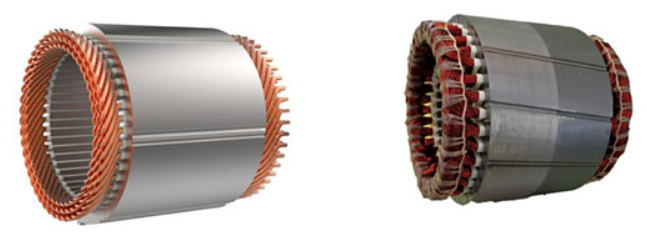
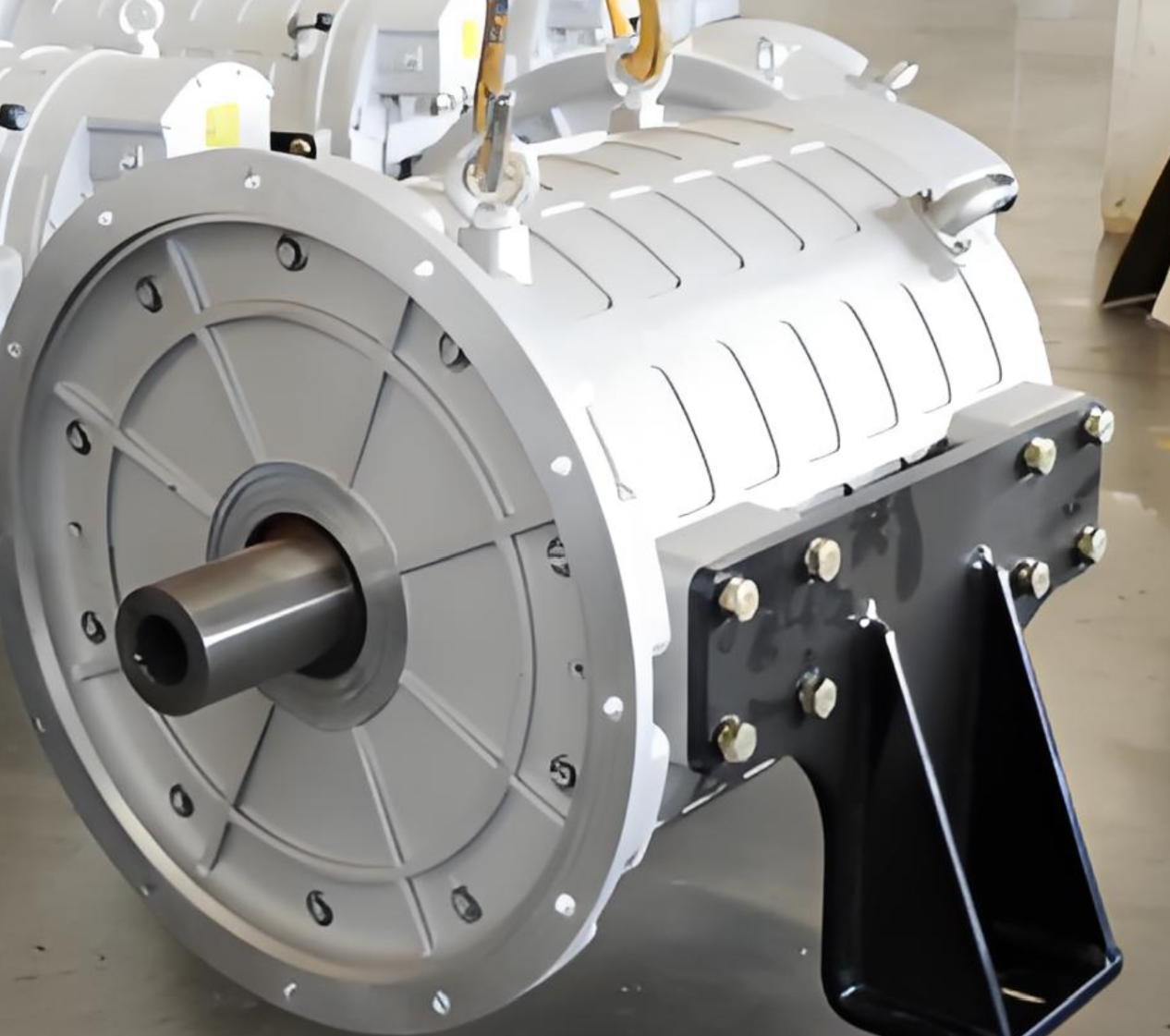

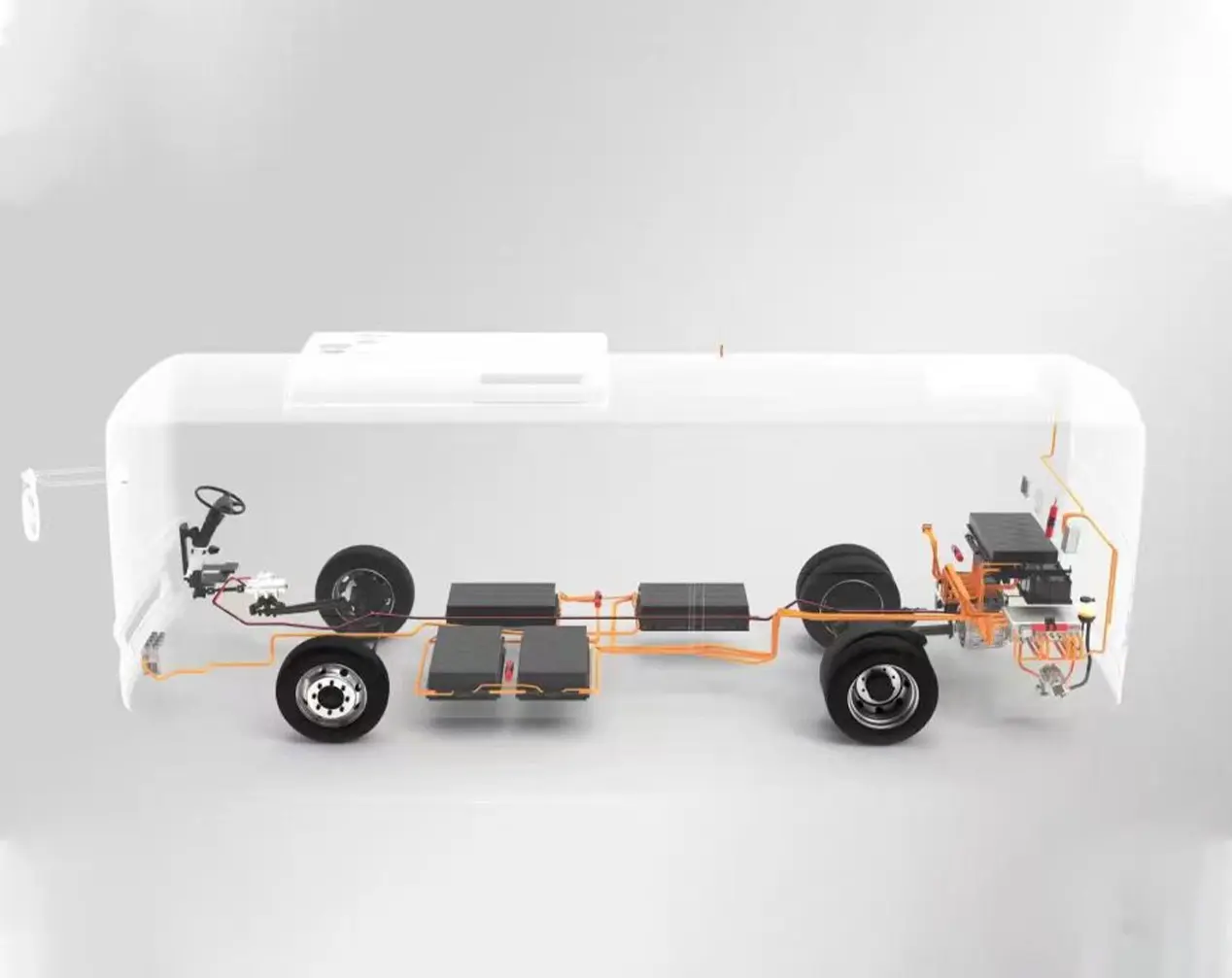

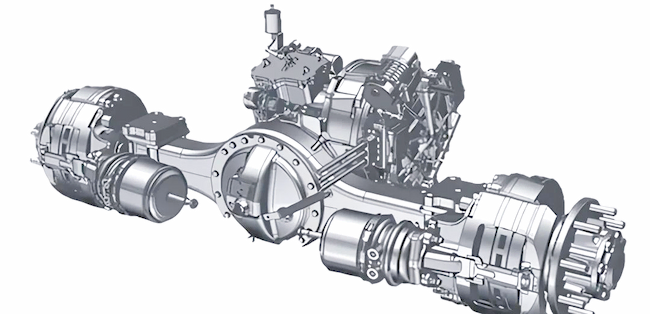
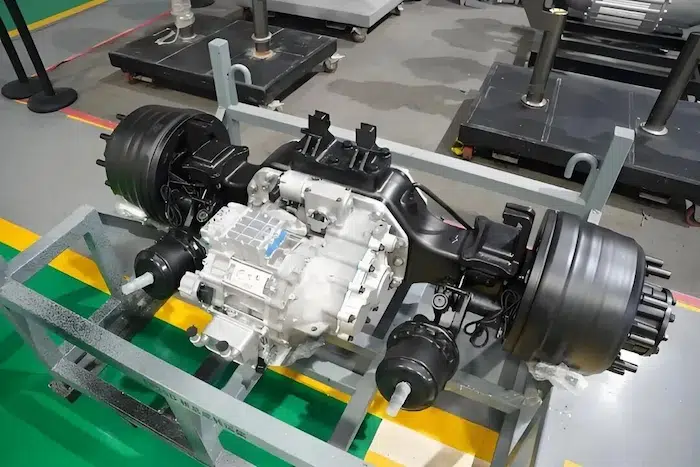



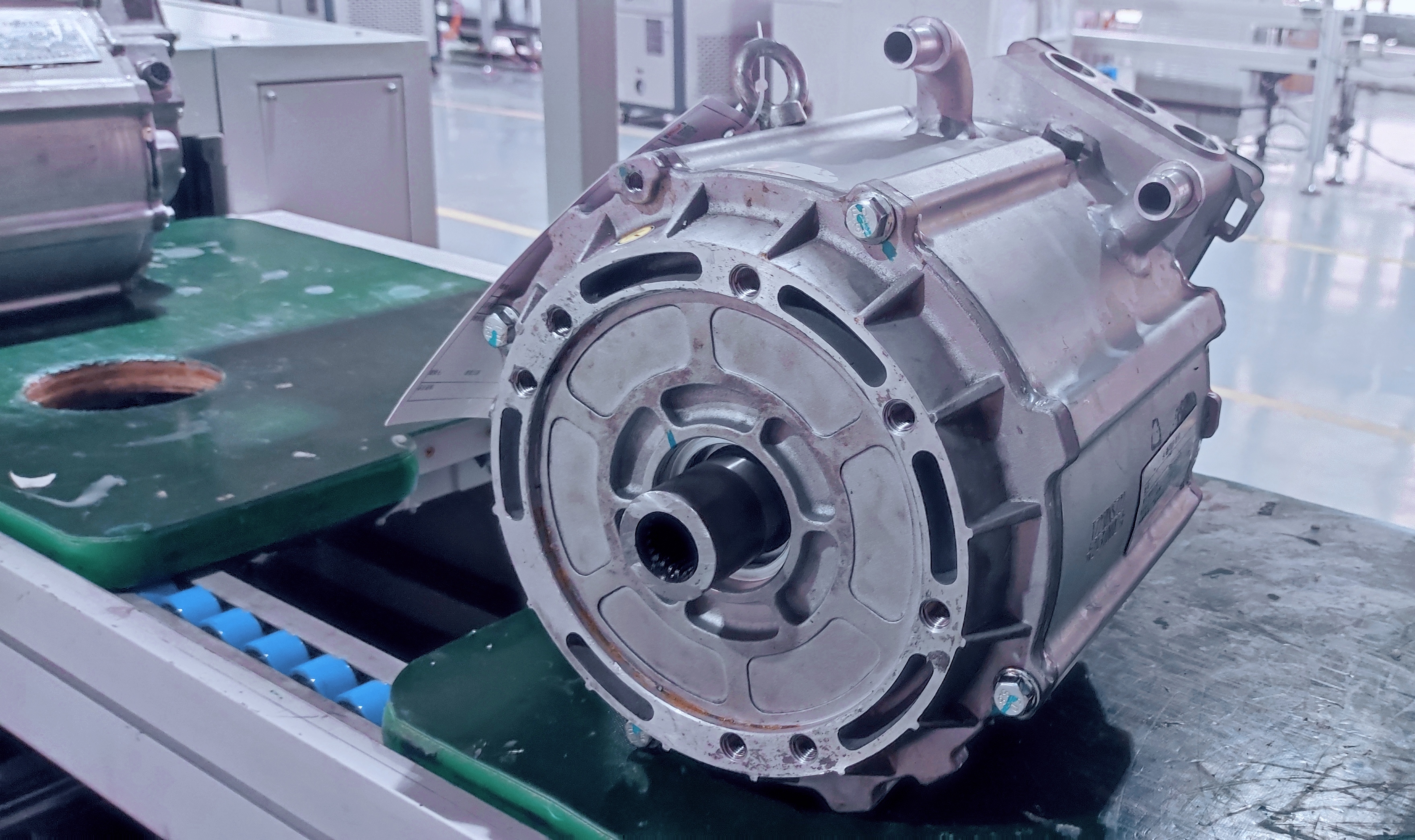
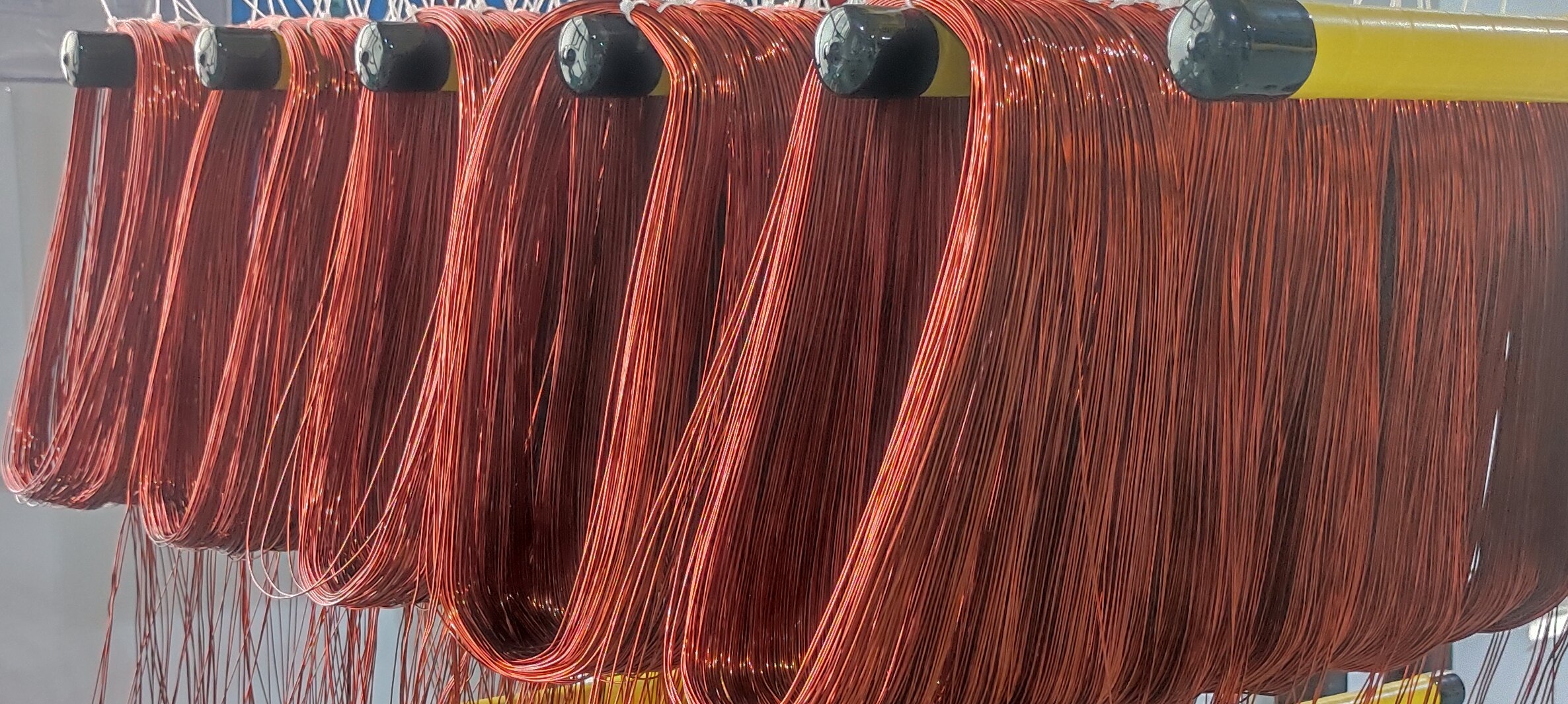
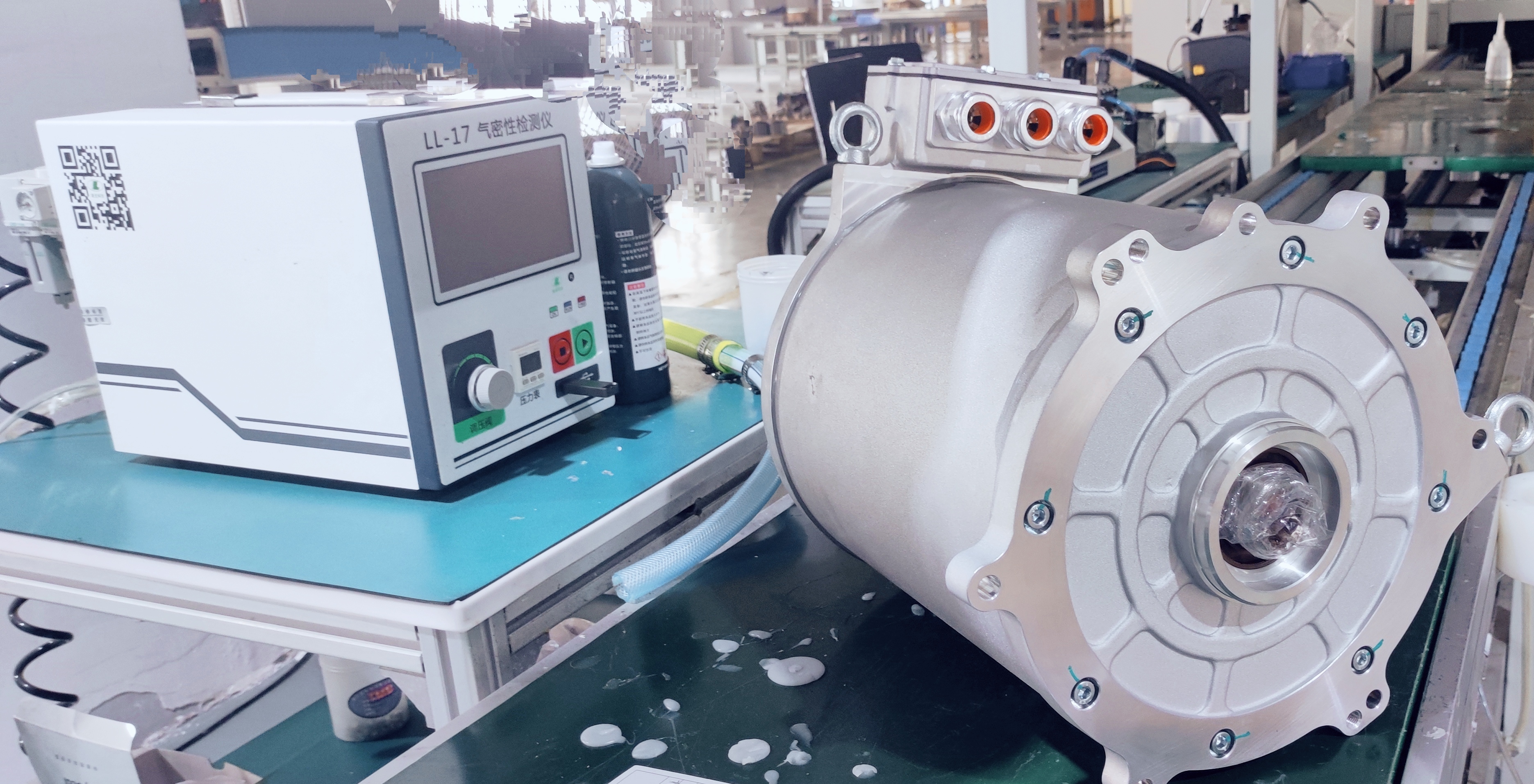


Hairpin Winding: Not Just an Upgrade, It's a Redesign of the Motor's Heart
Let's talk about what really matters in an electric motor. We obsess over peak torque and horsepower numbers, and rightly so. But any engineer who's battled to shave off watts of loss or claw back degrees of temperature knows the truth. The real fight for efficiency, power density, and reliability isn't just won with better magnets or smarter software. It's won deep inside the stator, in the precise, unglamorous world of how we arrange copper. For decades, random winding did the job. But today, pushing the boundaries means confronting its inherent limitations—the chaos, the wasted space, the thermal bottlenecks. The solution looks deceptively simple: flat, formed copper bars, inserted like hairpins. Don't let the name fool you. This is a fundamental redesign.
Geometry is Destiny: The Physics of Flat Copper
Forget "more copper" for a second. The magic of hairpin winding starts with shape. That rectangular cross-section of the conductor changes everything.
Think about a motor screaming at 15,000 RPM. The alternating current gets stubborn, clinging only to the outer surface of the wire—the skin effect. A round wire presents a limited surface for this current to travel. A flat hairpin wire, with its wider perimeter, gives the current a highway instead of a country lane, dramatically cutting down on high-frequency AC losses. This alone unlocks new levels of efficiency in high-speed applications.
Then there's the proximity effect. Conductors packed tightly influence each other's magnetic fields, creating hidden losses. With random winding, predicting this is guesswork. With hairpins, every bar has a designated, precise place. We can model, manage, and minimize these losses from the start. The result isn't just incremental; it's a step-change in predictable performance.
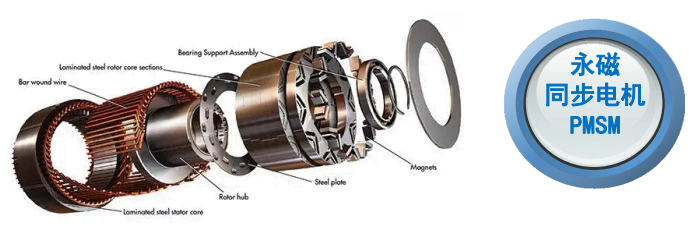
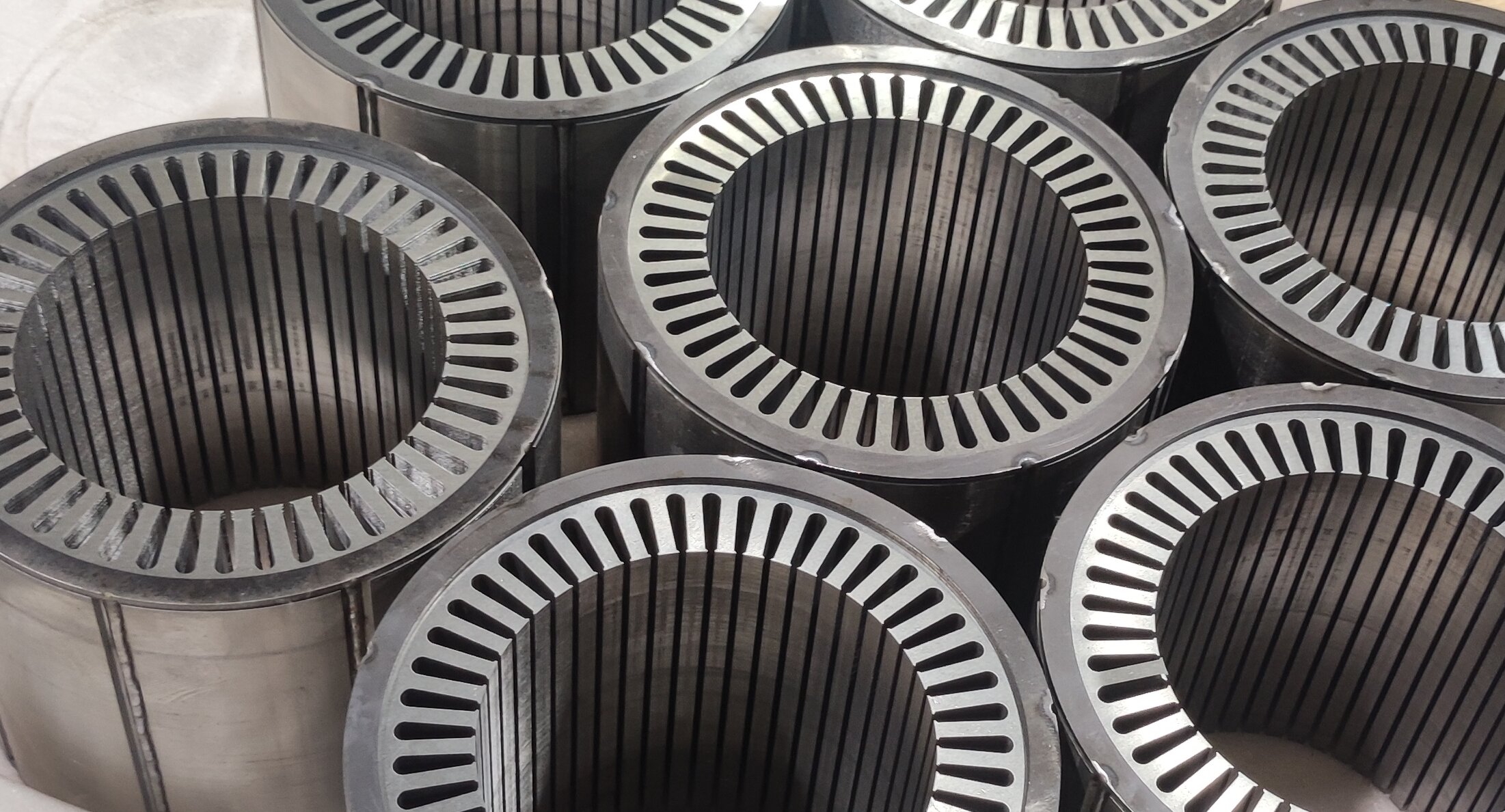
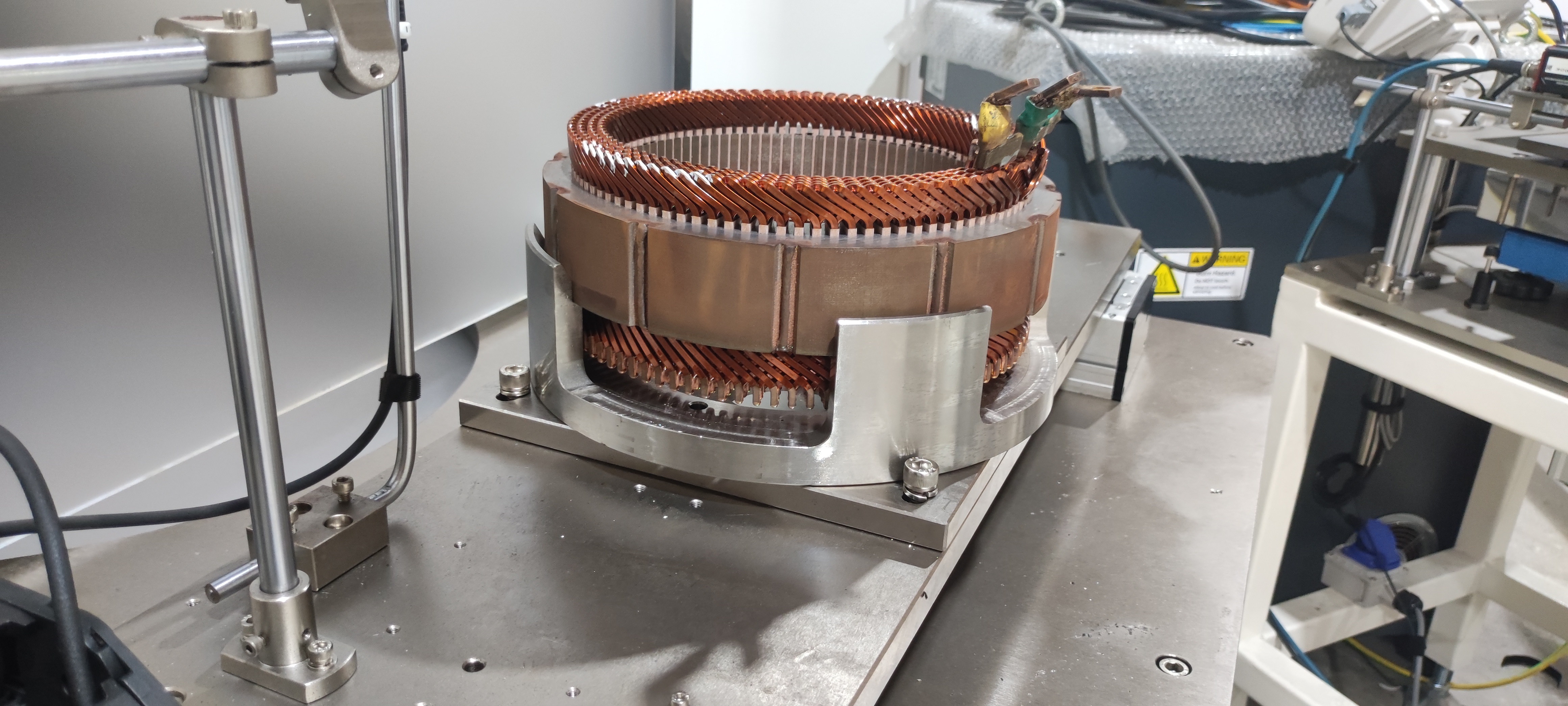
And the benefits are structural. Once those hairpins are inserted, formed, and welded, they cease to be just windings. They become an integral, rigid part of the stator itself. This mechanical stiffness does two critical things: it provides superior paths for heat to escape, and it damps the vibrations that cause acoustic noise. You get a motor that runs cooler, quieter, and lasts longer.
The Inevitable Trade-Offs: Why Hairpin Isn't Magic
No technology is a free lunch, and hairpin winding demands its price. Calling it a "solution" means acknowledging it solves some problems while introducing new challenges. This is where the real engineering begins.
The design complexity skyrockets. Bending those copper ends into perfect three-dimensional forms is a feat of precision mechanics. Get the geometry wrong, and you compromise performance or, worse, manufacturability. The insulation system becomes mission-critical. Wide, flat surfaces pressed together leave no room for error in the enamel coating. A single weak spot invites a short circuit. This pushes us toward advanced materials, like ceramic-filled resins, that can withstand the punishment.
And yes, it uses more copper. The weight and cost argument is real. But the calculus is shifting. The value isn't in the raw material; it's in the performance delivered per unit volume, the system-level savings from higher efficiency, and the reliability that prevents costly downtime. The industry is responding with clever fixes—stronger copper alloys for thinner profiles, even exploratory hollow conductors for direct cooling.
The Manufacturing Crucible: Where Design Meets Reality
Here's the unspoken truth about hairpin motors: a brilliant design is worthless without an equally brilliant way to build it. This is where many stumble. The potential of hairpin winding is only unlocked on the factory floor, through automation of a surgical grade.
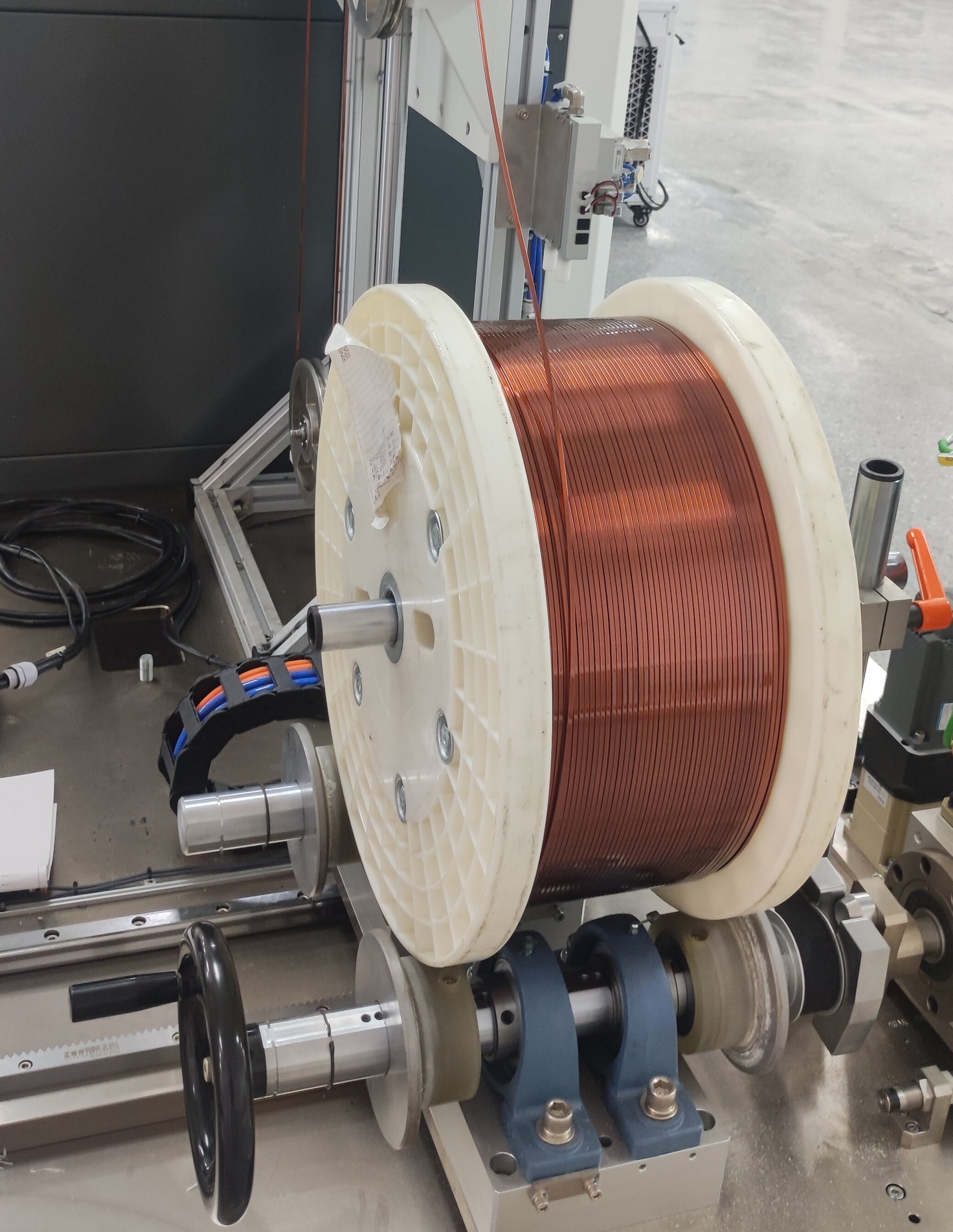
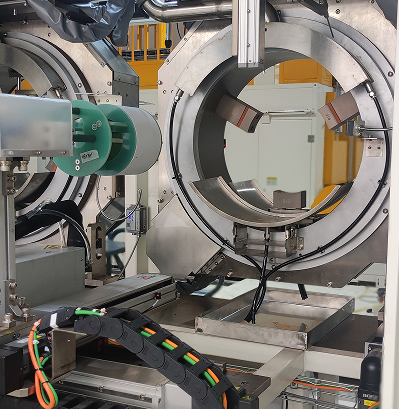
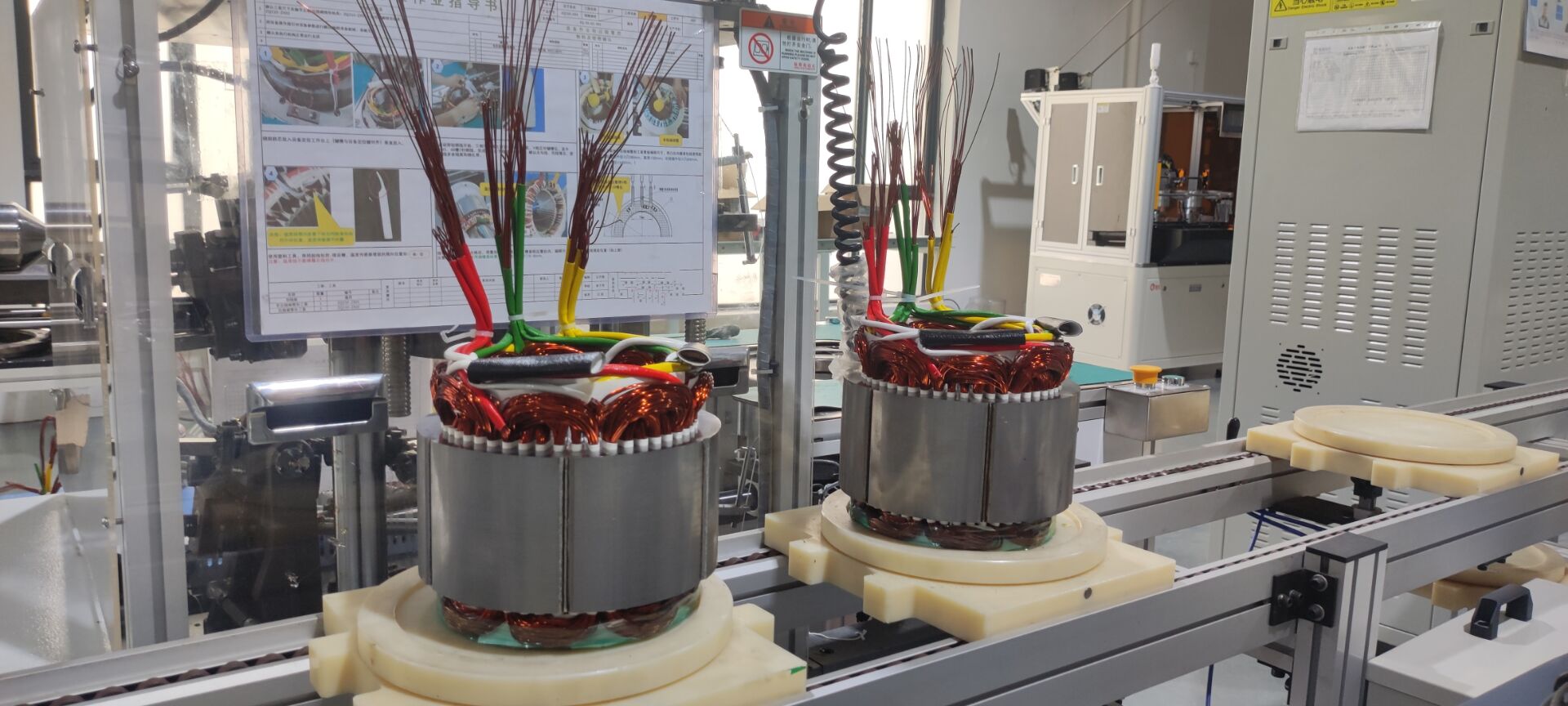
Imagine a production line as a symphony of precision. It starts with vision-guided robots inserting each hairpin—not forcing, but placing—with micron-level accuracy, protecting the delicate insulation. Next, servo-powered tools execute a perfectly choreographed bend, forming the end loops that will connect the circuit. Then comes the weld. This isn't a simple join; it's the neuron of the motor. At Pumbaaev, we use laser welding systems for this very reason. The focused beam creates a flawless, consistent bond with minimal heat, preserving the copper's properties and ensuring electrical integrity at every single joint.
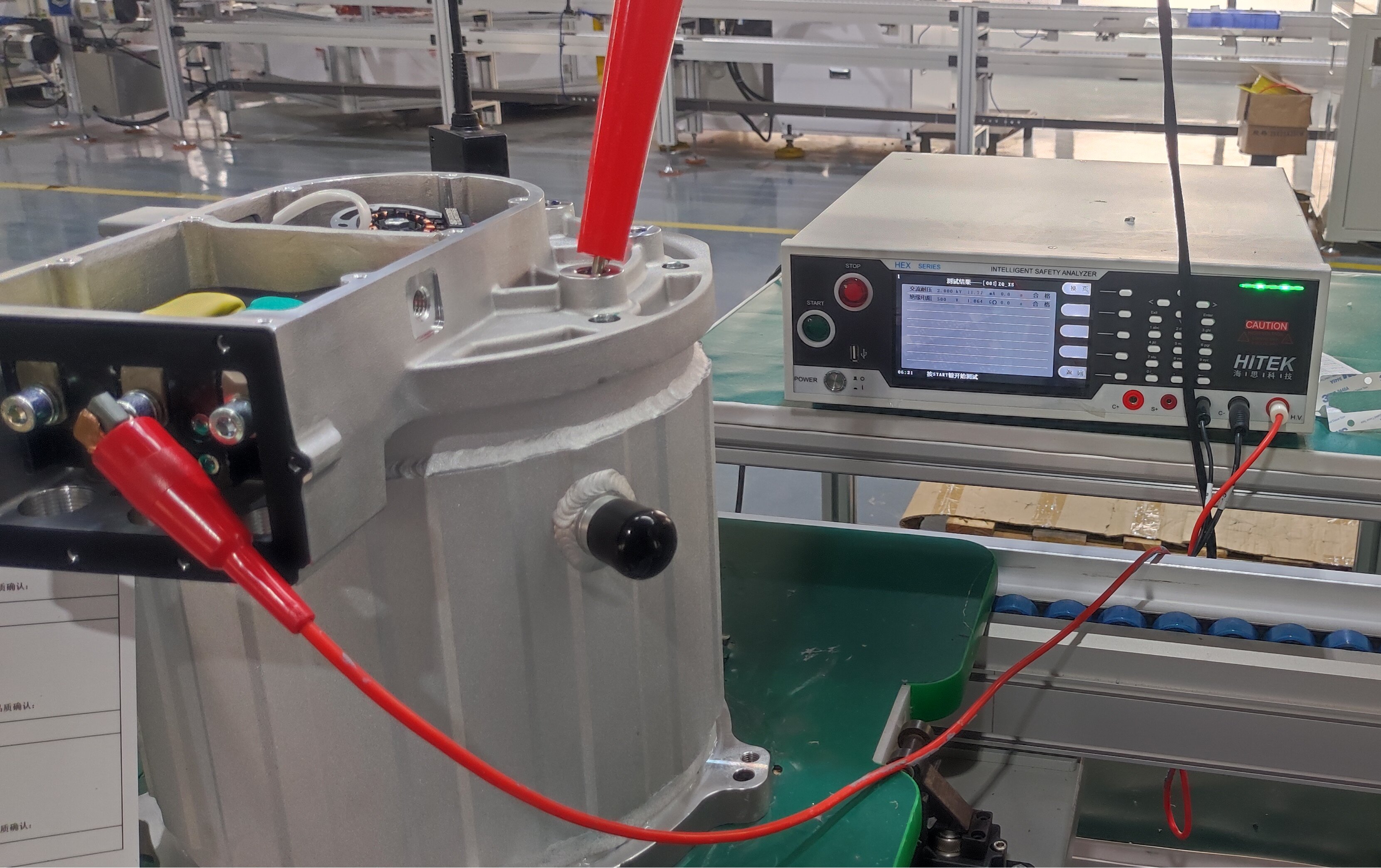
Finally, the motor doesn't leave the station without proving itself. In-line testers, integrated directly into the flow, perform 100% checks for resistance, insulation, and shorts. This isn't just quality control; it's the guarantee that the theoretical advantages sketched on an engineer's screen are physically present in every unit that leaves our facility.
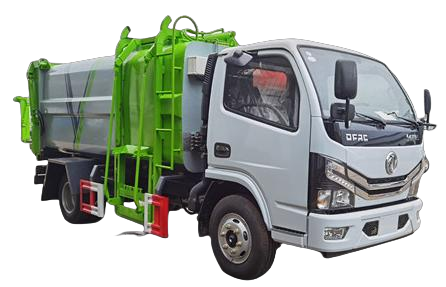
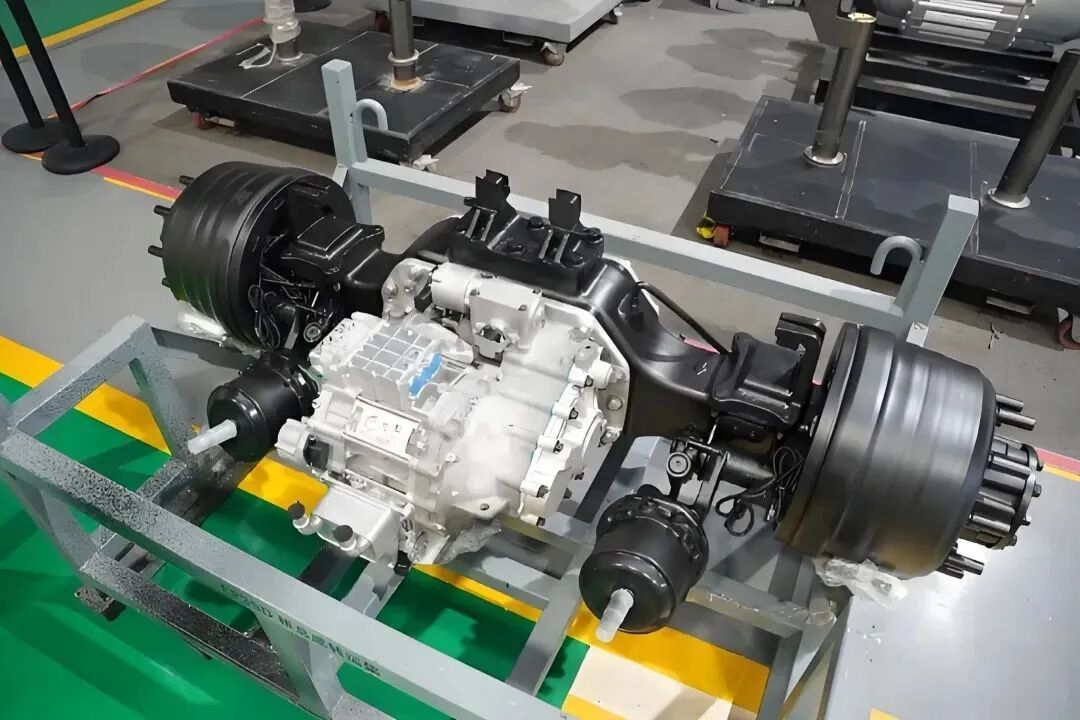
This manufacturing barrier is the real moat. It’s why at Pumbaaev, we built our new, fully automated production line not as an accessory, but as the core of our capability. It transforms the hairpin's promise from a prototype curiosity into a scalable, reliable product. For our clients, this means they can specify a hairpin motor for their latest electric vehicle or high-performance industrial drive with absolute confidence in its performance and our ability to deliver it at volume.
The Future, Wound Flat
Hairpin winding is more than a new step in an old process. It represents a deeper convergence of disciplines—electromagnetic design, materials science, and precision mechanical engineering. It asks us to think of the winding not as a component, but as the foundational architecture of the motor itself.
As we look ahead, this integration will only deepen. AI will optimize winding patterns in real-time for specific use cases. New composite materials will push thermal limits further. The hairpin motor of today is just the beginning.
The question is no longer if hairpin technology is superior for high-demand applications, but how to implement it effectively. Success requires a partner who understands the physics, the trade-offs, and, most critically, the art of manufacturing it right.
Ready to see how a motor designed from the inside out can power your next breakthrough? Explore the engineering behind Pumbaaev's hairpin motor solutions at www.pumbaaev.com.