


News










In-depth understanding of automotive MCUs: Electric vehicle motor control units
1. Introduction: The Electric Vehicle Revolution and the Core Role of MCUs
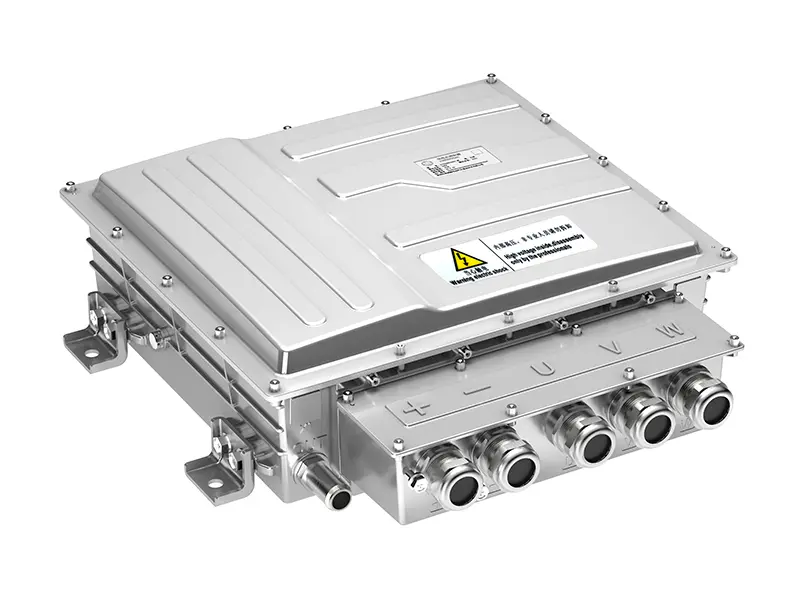
The global shift toward electric vehicles (EVs) hinges on electrification efficiency, and at the heart of this transformation lies the Motor Control Unit (MCU). Acting as the "brain" of EV powertrains, MCUs translate driver inputs into precise motor commands, optimizing performance, efficiency, and safety. With EVs projected to account for 60% of new car sales by 2040, understanding MCU technology is critical for engineers, automakers, and enthusiasts alike.
This article explores MCU architecture, control algorithms, and emerging trends shaping the future of EV motor control.
2. Electric Vehicle Motor Types and MCU Compatibility
MCUs must align with motor technologies to unlock peak performance. Here’s how they pair with mainstream EV motors:
|
Motor Type |
MCU Requirements |
Common Use Cases |
|
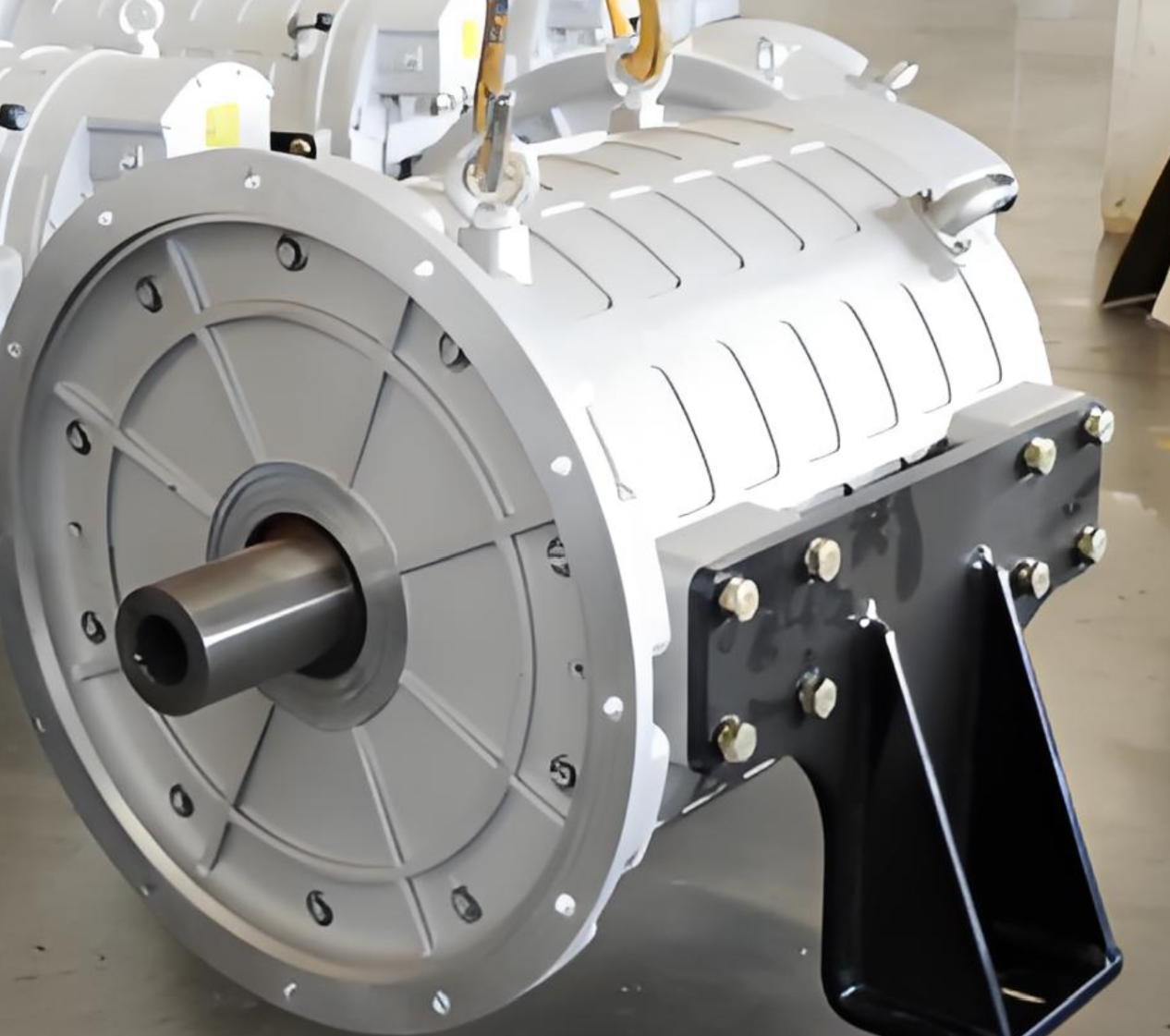
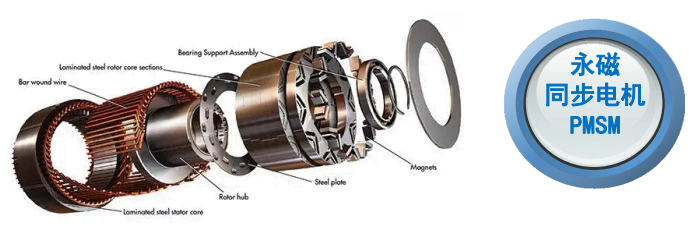
PMSM (Permanent Magnet Synchronous Motor) |
High-speed processing for field-oriented control (FOC); precise torque/speed regulation |
Luxury EVs, high-performance vehicles |
|
Induction Motor |
Robust thermal management; voltage/frequency scaling for variable loads |
Commercial vehicles, budget EVs |
|
Switched Reluctance Motor (SRM) |
Advanced sensorless control; high-temperature resilience |
Heavy-duty trucks, industrial applications |
Key Insight: PMSM motors dominate premium EVs due to their high efficiency (95%+) and power density, demanding MCUs with real-time processing capabilities.
3. MCU Hardware Architecture Analysis: From Chips to Power Electronics
A modern EV MCU integrates three layers:
3.1 Microcontroller Chip
Core: 32-bit processors handle complex FOC algorithms at 200MHz+ clock speeds.
Memory: Embedded Flash (2–8MB) stores control logic; SRAM (1–4MB) buffers real-time data.
Peripherals: High-speed CAN FD/Ethernet interfaces for vehicle networks; PWM generators for motor commutation.
3.2 Power Electronics Integration
Gate Drivers: Isolate MCU signals from high-voltage IGBTs/SiC MOSFETs (up to 800V systems).
Current Sensors: Shunt resistors or Hall-effect sensors monitor phase currents for torque control.
Thermal Management: On-chip temperature sensors trigger cooling fans or derating under overload.
3.3 Safety Mechanisms
ASIL-D Compliance: Dual-core lockstep processing and ECC memory detect/correct faults in real time.
Redundancy: Backup MCUs ensure fail-safe operation during critical failures.
4. MCU Software Architecture: Algorithms and Security Standards
4.1 Control Algorithms
Field-Oriented Control (FOC): Decouples torque/flux components for smooth acceleration (e.g., Tesla’s Model 3 traction control).
Sensorless Control: Uses back-EMF estimation to eliminate rotor position sensors, reducing costs (common in low-cost EVs).
Regenerative Braking: MCU algorithms convert kinetic energy into battery charge, improving range by 10–15%.
4.2 Cybersecurity Standards
ISO 21434 Mandates encryption for CAN bus communications to prevent hacking.
Secure Boot: Ensures only authenticated firmware runs on the MCU.
Over-the-Air (OTA) Updates: Patch vulnerabilities remotely without hardware recalls.
5. Key Technologies Driving MCU Evolution
SiC/GaN Power Semiconductors: Enable smaller, lighter MCUs with higher switching frequencies (100kHz+).
AI-Based Predictive Control: Machine learning optimizes energy use based on driving patterns.
Zonal Architecture: Centralized MCUs control multiple motors (e.g., front/rear axles) to reduce wiring complexity.
6. Industry Trends and Future Outlook
6.1 Technology Trends
800V Systems: MCUs must handle 1000A+ currents for ultra-fast charging (e.g., Porsche Taycan).
Wireless BMS Integration: MCUs communicate with battery packs via Bluetooth Low Energy (BLE) to cut wiring costs.
6.2 Market Trends
Growth: The automotive MCU market is projected to reach $12B by 2030 (CAGR 12%).
Supplier Consolidation: Top players control 70% of the market, but startups like NXP Semiconductors are gaining traction with AI-focused MCUs.
7. Conclusion: How MCUs Define the Next Generation of Electric Vehicles
As the core of EV power control systems, motor control units directly determine the efficiency, performance, and safety of electric conversion motors. Their continuous evolution—driven by AI, wide bandgap semiconductors, and integration technologies—is paving the way for more efficient, intelligent, and reliable electric vehicles. For engineers, mastering MCU technology is key to advancing EV performance; for consumers, understanding MCU capabilities helps in evaluating EV performance and reliability.