


News










Hypervolt charger & Bidirectional ev charger Solutions for High-Power Commercial EVs
1. Introduction: The Growing Need for Advanced High-Power EV Charging Solutions
As global industries accelerate the shift toward electrified transportation, the demand for advanced high-power charging solutions for commercial electric vehicles has become increasingly urgent. Heavy-duty trucks, logistics fleets, buses, and marine vessels all require fast, reliable and intelligent charging systems capable of handling large battery capacities and demanding operational schedules. In this context, the Hypervolt charger and modern bidirectional ev charger technologies stand out for offering high efficiency, smart connectivity and scalable power delivery, enabling fleets to reduce downtime, improve energy efficiency and optimize long-term operational performance.
2. What Is a Hypervolt charger and How Does It Fit Into Commercial EV Charging?
A Hypervolt charger generally represents a high-performance charging solution designed to deliver rapid, stable and intelligent power flow to electric vehicles. While widely recognized in residential charging scenarios, Hypervolt-style systems are increasingly adapted for commercial environments due to their strong emphasis on connectivity, smart monitoring and seamless integration. For commercial fleets, a Hypervolt charger can play a crucial role in ensuring consistent energy delivery, managing load distribution across multiple stations and maintaining reliable operation even under heavy usage. By supporting advanced communications and offering robust software control, these chargers help fleet operators maximize uptime and streamline energy management across large-scale charging infrastructure.
3. Understanding Bidirectional ev chargers for Heavy-Duty Applications
Bidirectional ev chargers, often associated with V2G, V2B and V2X applications, enable energy to flow both into the vehicle and back to the grid or facility. For commercial operations, this capability transforms electric trucks, buses and marine vessels into dynamic energy assets that not only power their routes but also participate in energy storage and distribution. With a bidirectional ev charger, fleets can use their parked vehicles to support facility operations, reduce peak power costs, stabilize on-site renewable production and even serve as backup energy sources during outages. This dual functionality makes bidirectional charging especially valuable in depots, ports, industrial parks and any environment where vehicles remain idle for extended periods.
4. High-Power Charging Requirements for Commercial EVs and Marine Vessels
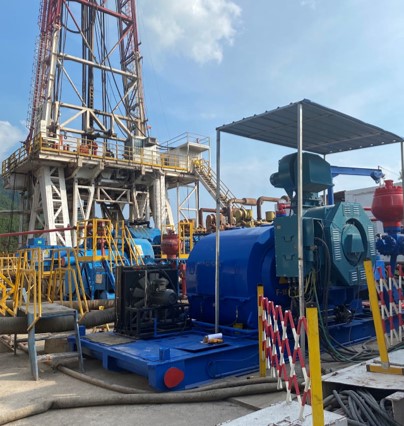
The charging needs of heavy-duty commercial vehicles far exceed those of passenger EVs, as these larger platforms rely on significantly bigger battery packs and operate under more demanding conditions. High-power charging solutions capable of delivering between 150 kW and over 1 MW are often necessary to ensure rapid turnaround and operational continuity. Marine vessels such as electric ferries and workboats also require extremely robust charging systems that can withstand harsh environmental conditions while delivering stable, high-voltage performance. As electrification expands into logistics, public transportation and maritime operations, the focus on durability, safety, thermal management and high-speed power delivery continues to grow, reinforcing the critical role of advanced commercial charging technologies.
5. Our Integrated Motor + Controller + Power System: Engineered for Heavy-Duty EV Charging
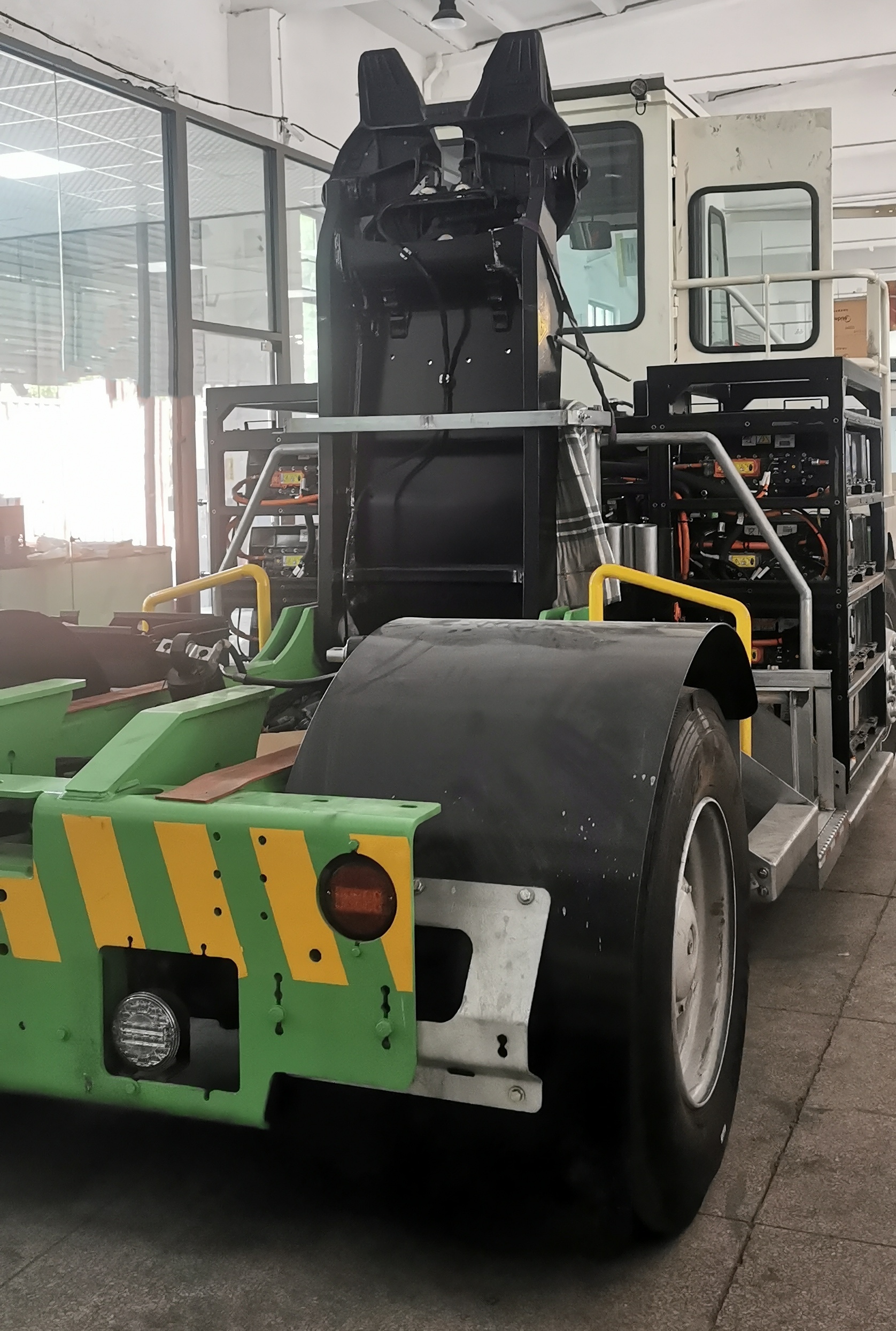
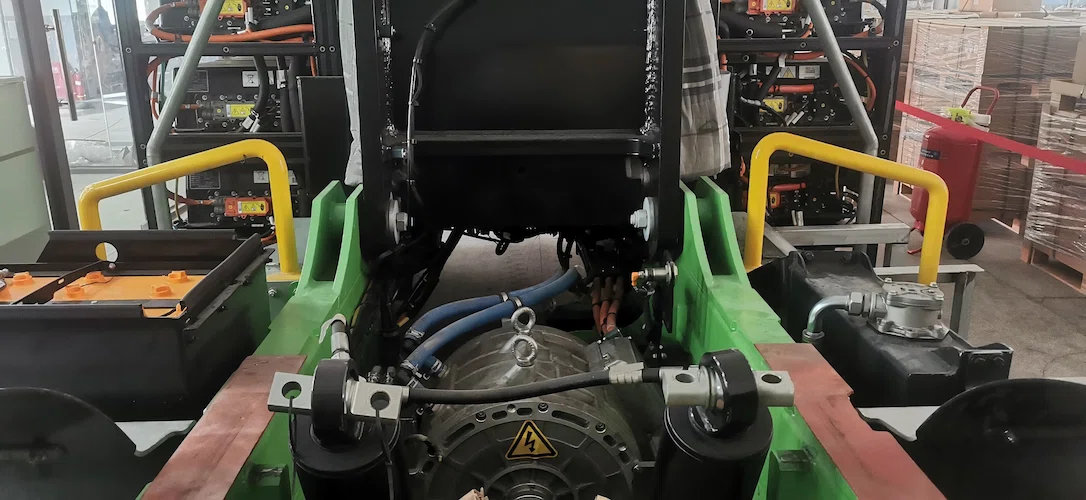
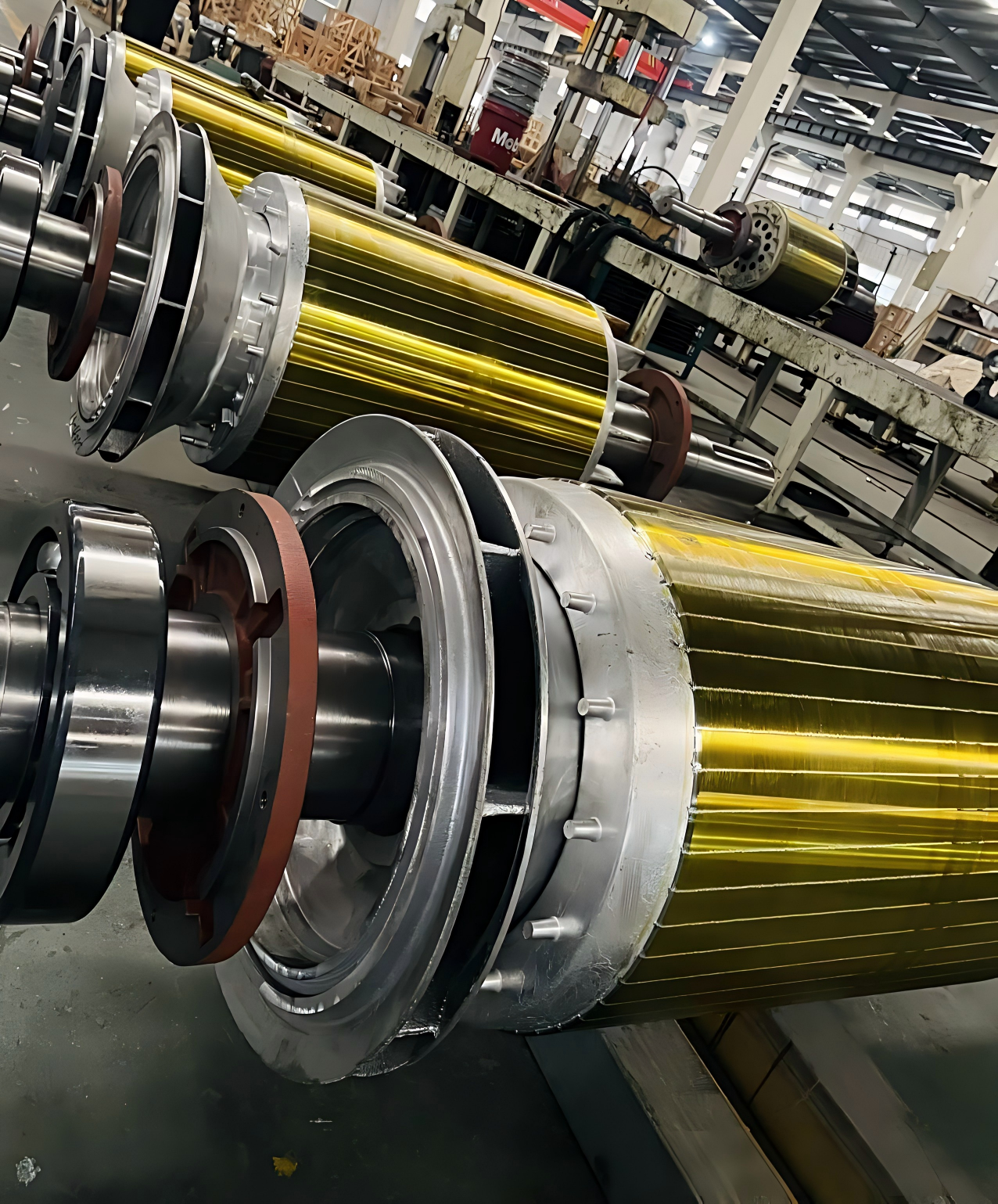
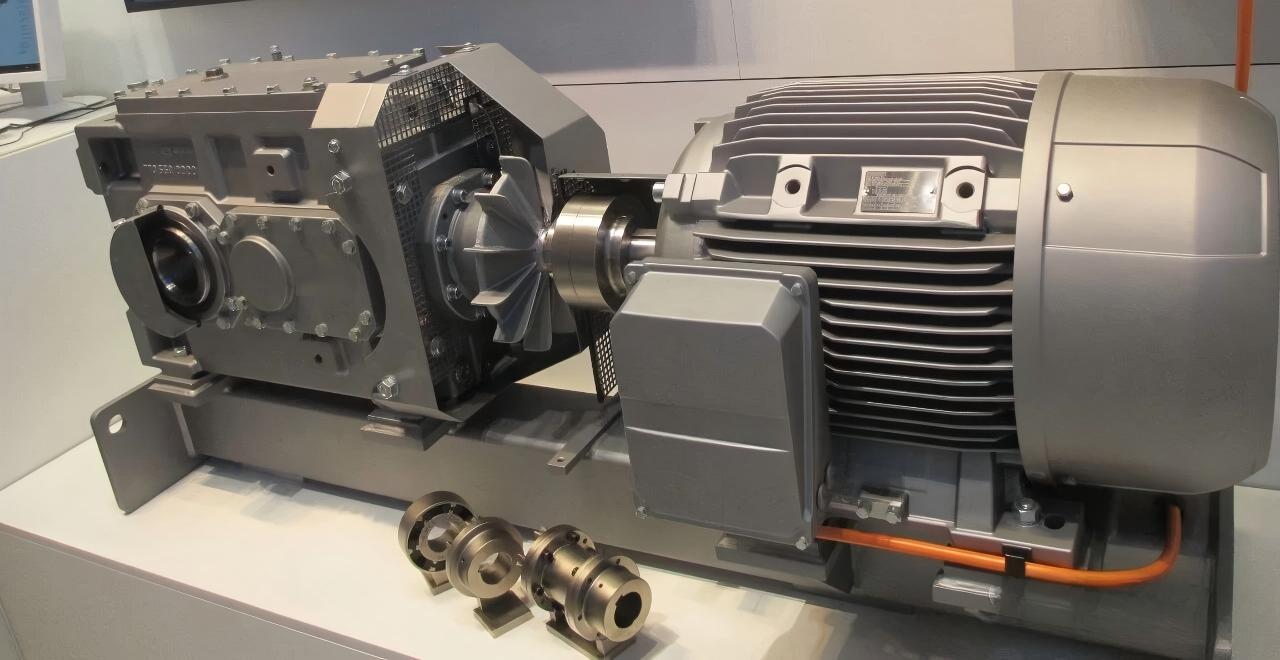
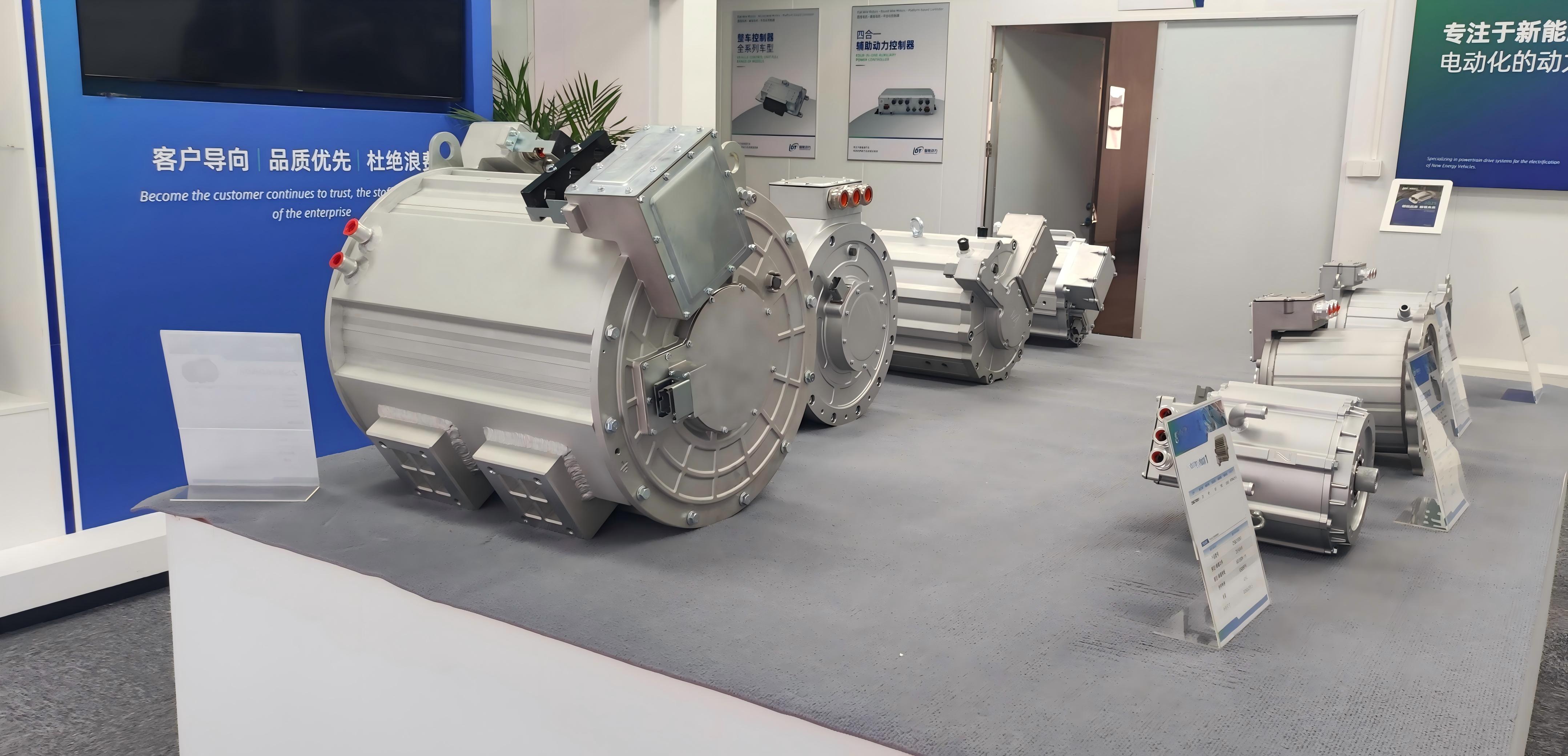
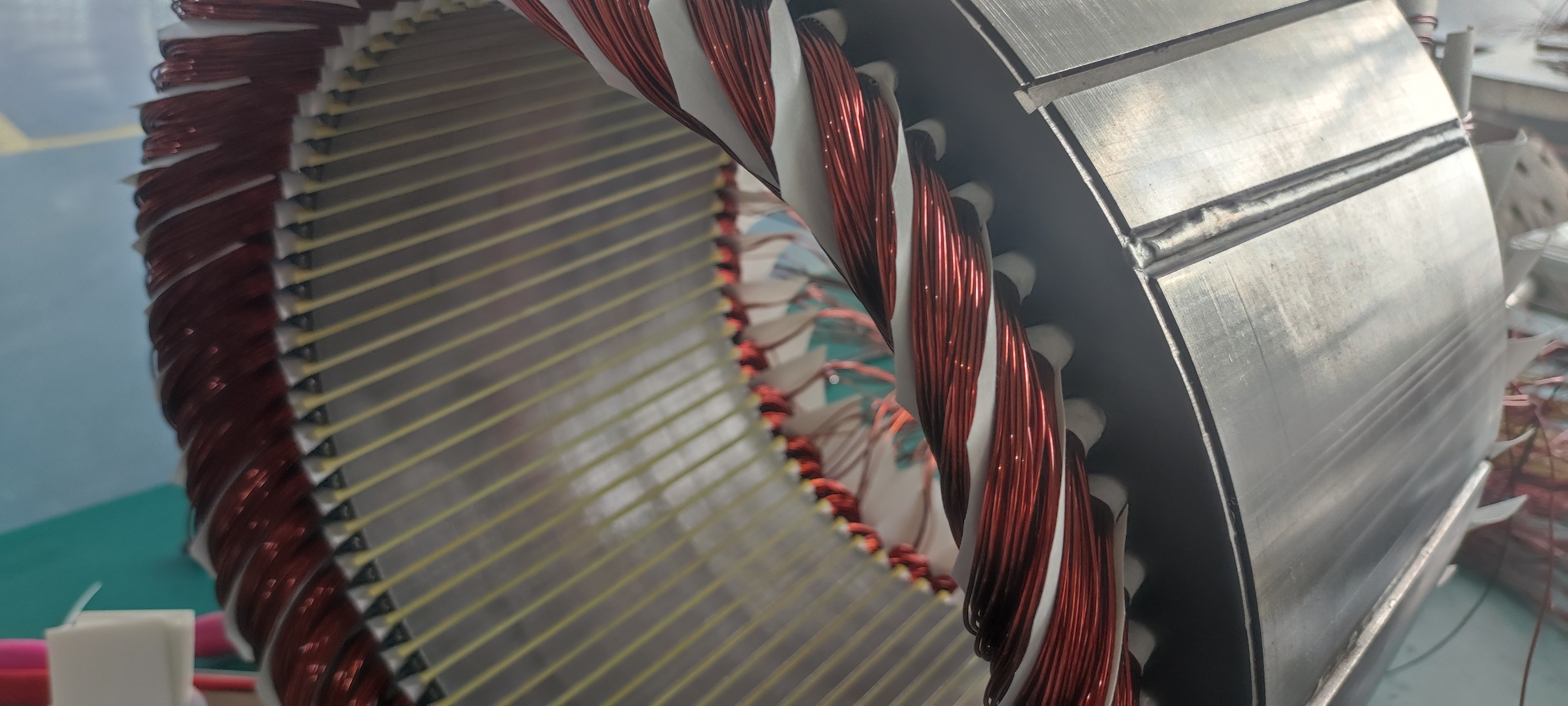
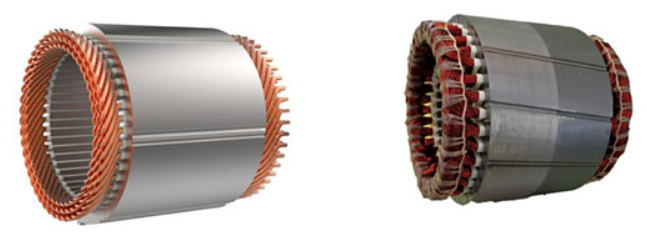
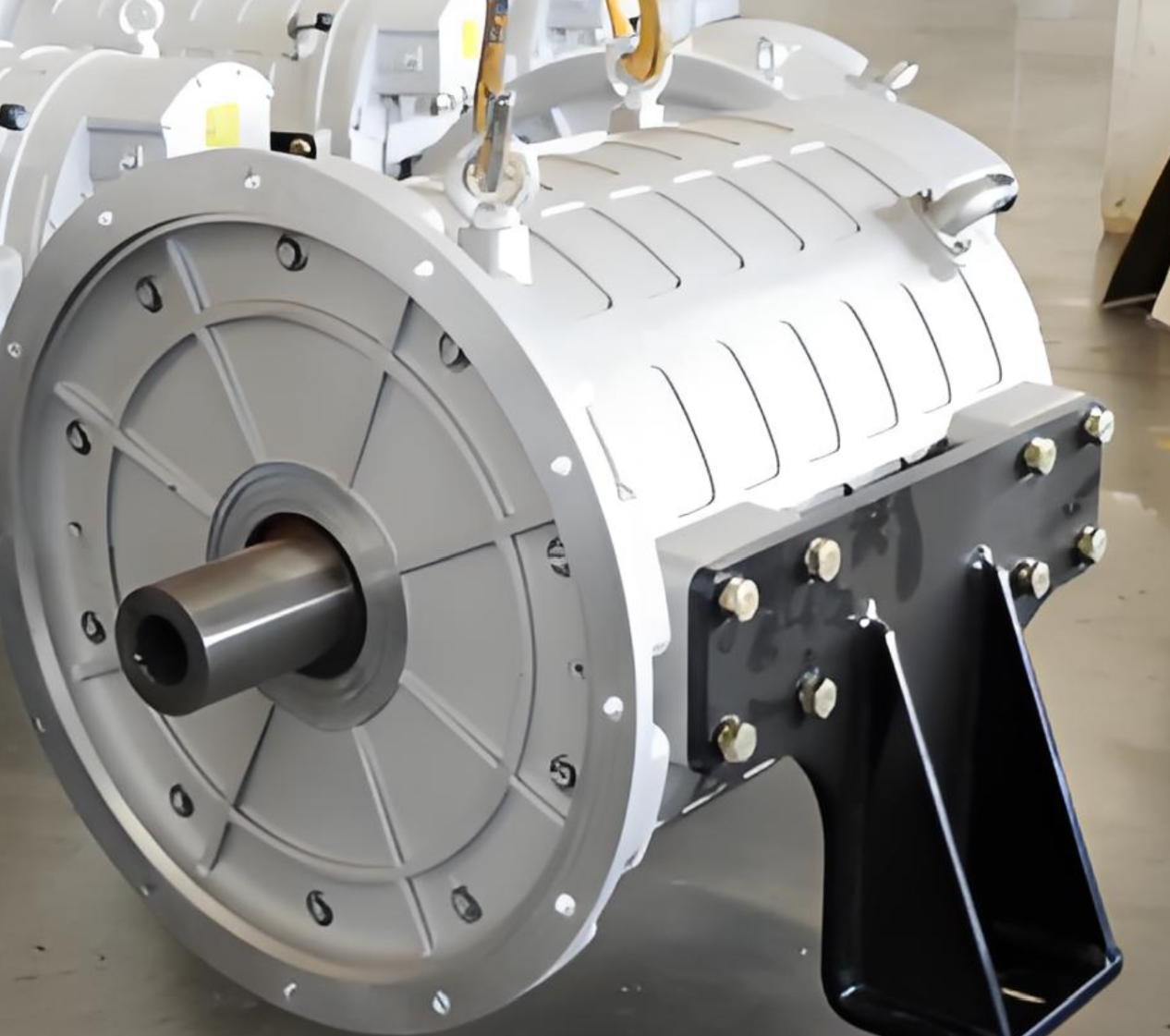
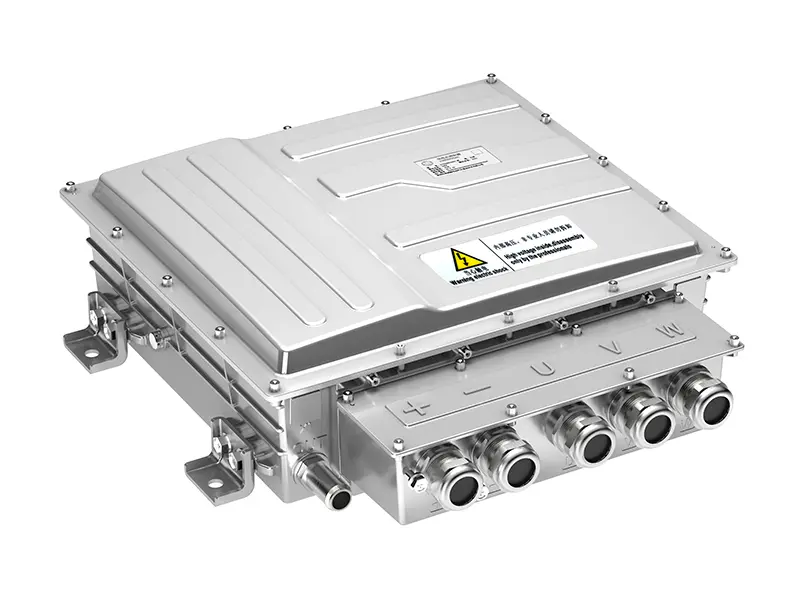
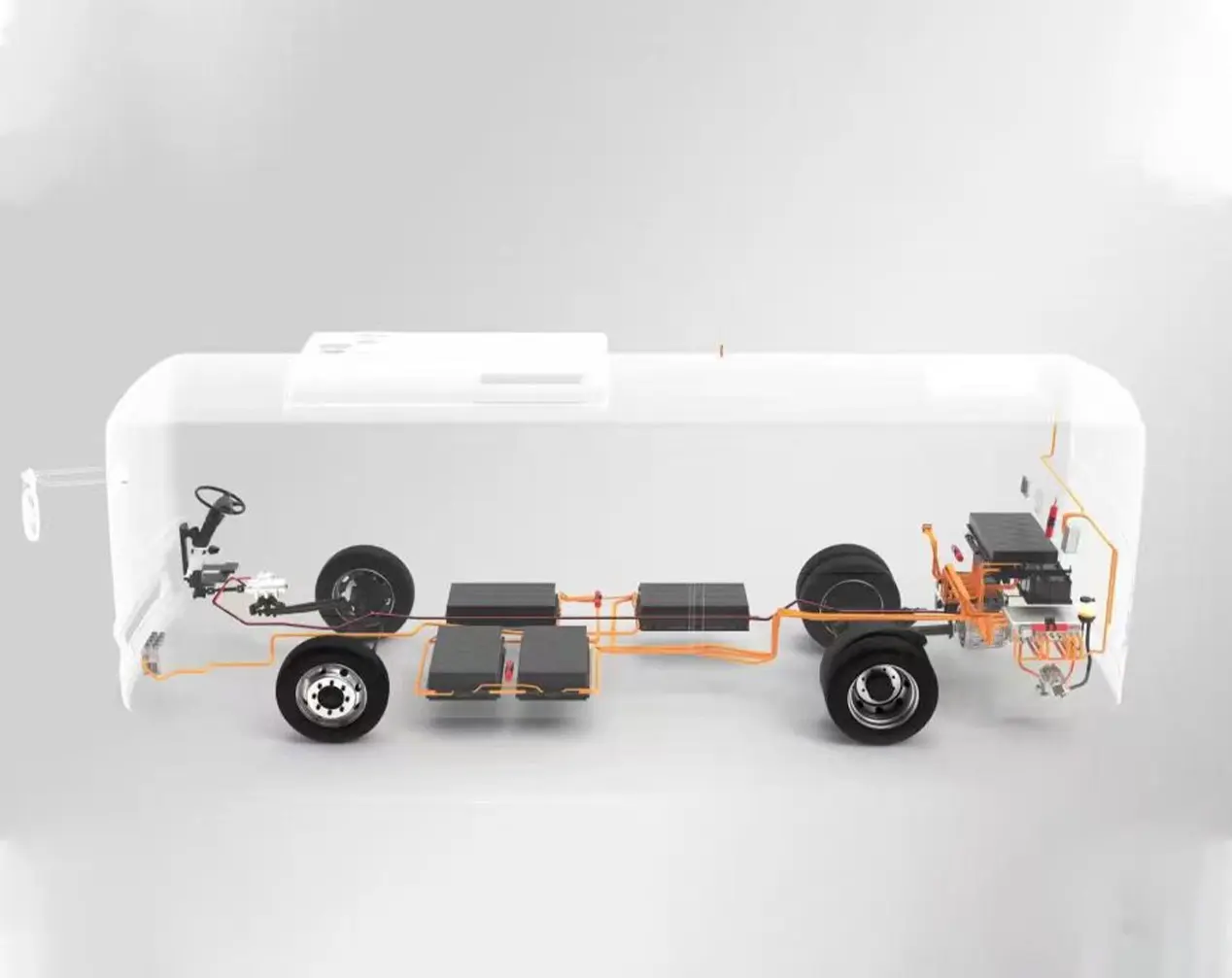
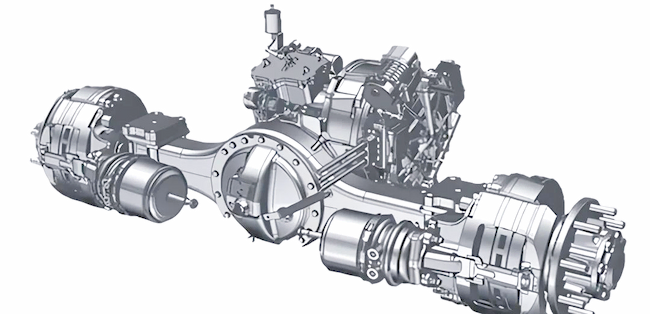
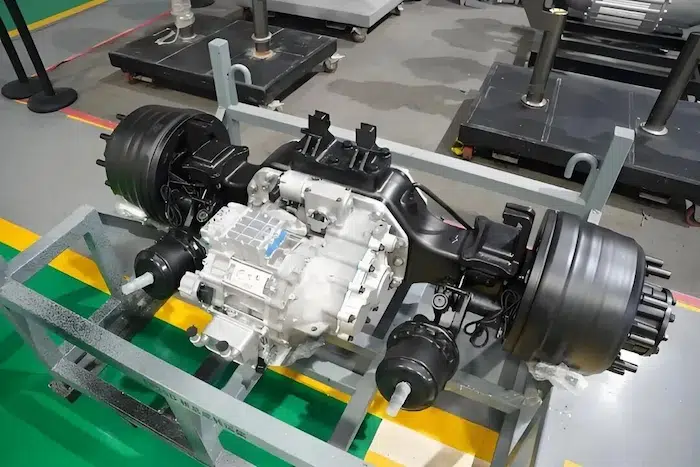
To support the increasing demand for reliable and powerful electrification solutions, our integrated system combines high-efficiency motors, advanced controllers and optimized power electronics into a unified platform. This combination ensures full compatibility with Hypervolt charger capabilities and modern bidirectional ev charger technologies, allowing vehicles to charge faster and operate more efficiently. The seamless coordination between motor and controller enhances performance under high load, while the integrated power system maintains stable voltage and efficient energy conversion. By simplifying the architecture for OEMs and fleet operators, this integrated solution reduces overall system complexity, improves reliability and supports a wide range of heavy-duty applications on land and at sea.
6. Applications Across Multiple Industries and Vehicle Types
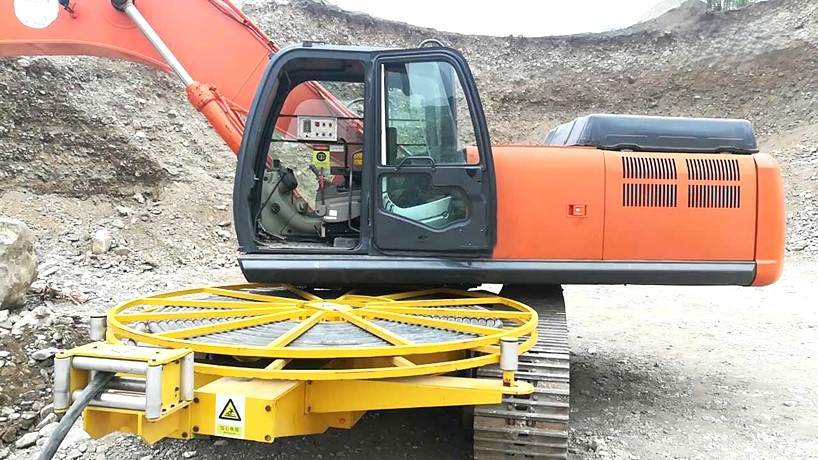
High-power charging solutions and integrated EV powertrains are now essential across numerous industries where electrification is rapidly advancing. Logistics fleets depend on them to maintain consistent delivery schedules, while long-haul electric trucks rely on fast-charging systems to minimize downtime. Public transportation agencies use these technologies to support electric buses that operate continuous daily routes. Industrial sectors, including mining and construction, benefit from durable, high-voltage systems capable of powering heavy machinery. Marine applications such as ferries, port vessels and electric workboats also require powerful and reliable charging infrastructure to ensure smooth operation. As electrification continues to expand, these advanced charging solutions serve as the backbone of modern commercial mobility.
7. Advantages of Bidirectional Charging for Commercial Operations
The benefits of adopting bidirectional charging in commercial environments extend far beyond simple energy transfer. By enabling vehicles to discharge stored power, fleet operators can significantly reduce electricity costs during peak hours, improve energy resilience and support sustainability goals through better integration of renewable energy. Vehicles become part of a dynamic energy ecosystem, capable of stabilizing facility loads, participating in microgrids and providing emergency backup during outages. Over time, these advantages translate into reduced operational expenses, improved asset utilization and enhanced fleet return on investment, making bidirectional ev chargers an essential component of future-ready commercial infrastructures.
8. Installation, Integration and Maintenance Considerations
Deploying high-power charging systems for commercial fleets requires careful evaluation of electrical capacity, site layout and long-term operational needs. Facilities must ensure that their infrastructure can support powerful chargers while leaving room for scalability as fleets grow. Smart placement and cable management help maintain efficient traffic flow in depots and ports. Integration with fleet management software enables real-time monitoring, predictive maintenance and optimized charging schedules. Regular inspections and servicing of high-power components ensure sustained reliability and safety. When implemented properly, a Hypervolt charger or bidirectional ev charger system can greatly enhance operational efficiency and reduce lifetime maintenance costs.
9. Conclusion: Enabling the Future of High-Power Commercial Electrification
As industries push toward cleaner and more efficient transportation systems, the role of advanced high-power charging solutions becomes increasingly vital. Technologies like the Hypervolt charger and bidirectional ev charger are shaping the future of commercial electrification by delivering fast, smart and flexible energy infrastructure. Combined with integrated motor, controller and power system solutions, these technologies empower fleets and marine operators to reduce emissions, lower energy costs and achieve higher operational reliability. The continued evolution of high-power charging will be essential in driving the next generation of commercial mobility across logistics, transit and marine sectors.