


News







Powering the Future of Construction: The Transformative Role of Electric Drive Systems
For decades, the construction industry has been defined by the thunderous roar and billowing exhaust of diesel engines. This familiar landscape, however, is undergoing a profound and silent revolution. The driving force behind this change is the rapid integration of advanced electric drive systems and high-performance motors, which are collectively installing a sophisticated "green core" into the next generation of construction machinery. This transition transcends a mere fuel swap; it represents a fundamental re-engineering of power delivery, promising unparalleled efficiency, radical emission reductions, and intelligent operation that aligns with global sustainability goals.
The Paradigm Shift: From Hydraulic Lines to Digital Power Networks
Traditional construction machinery relies on complex central diesel engines coupled with hydraulic systems. While powerful, these systems are inherently inefficient. A significant portion of engine power is lost as heat and noise through pumps, valves, and long hydraulic hoses, with limited options for energy recovery. The operation is often binary—fully on or off—leading to wasted energy during idling and partial-load scenarios.
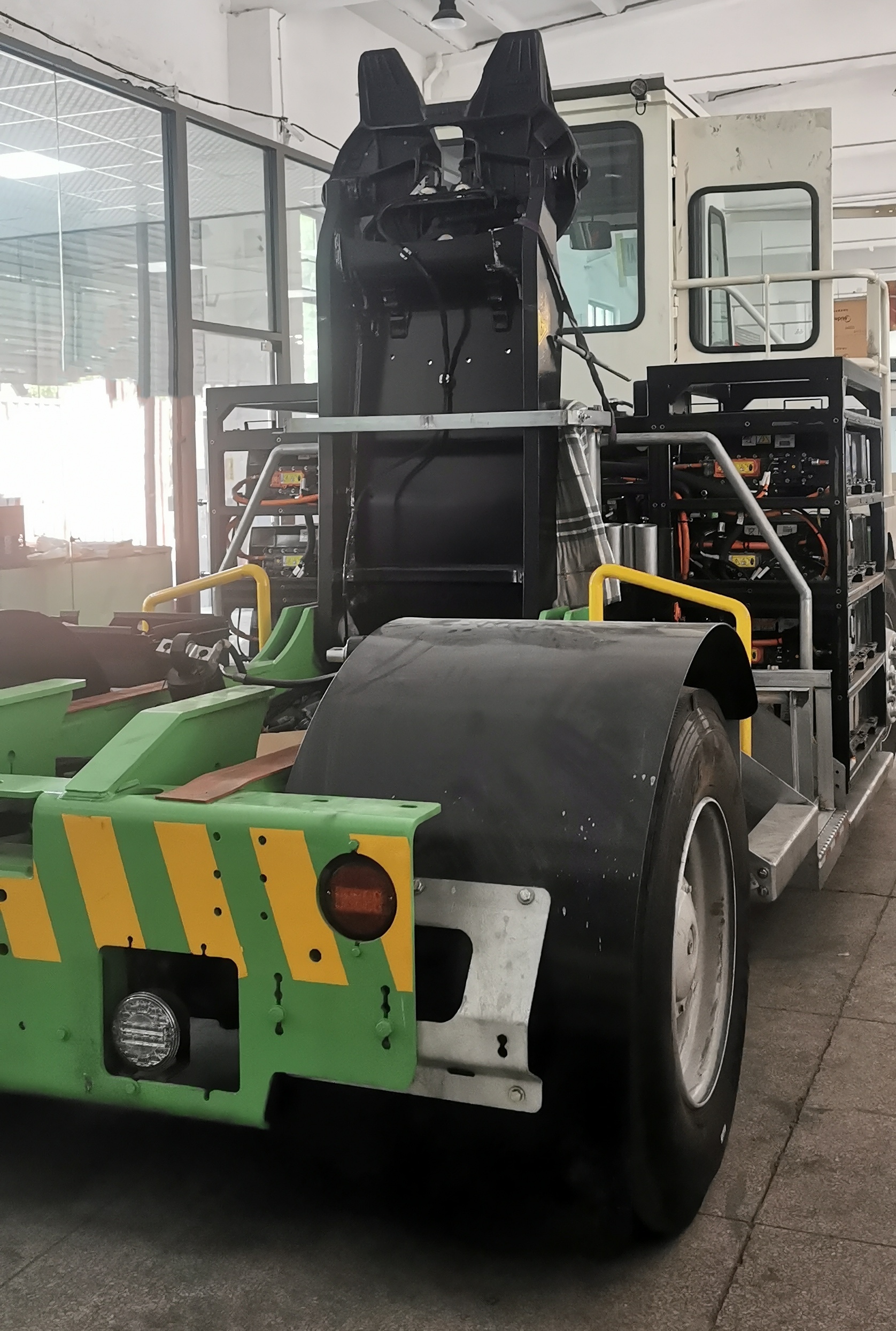
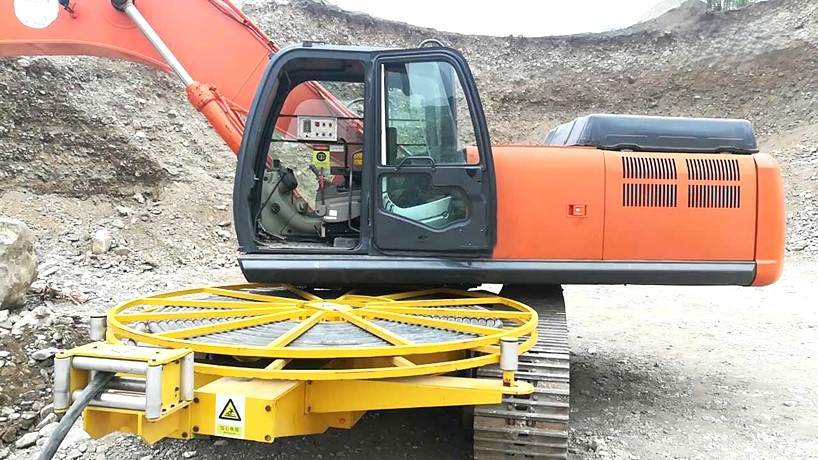
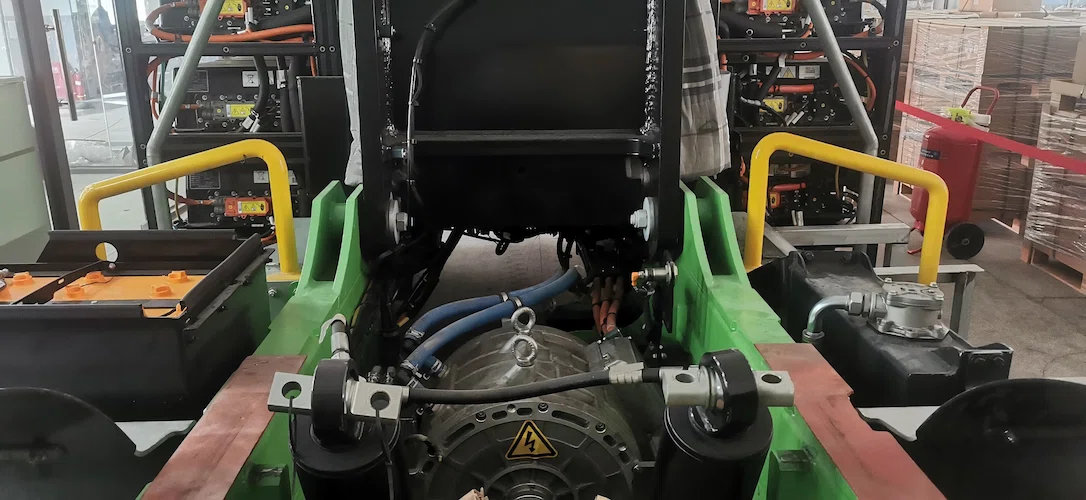
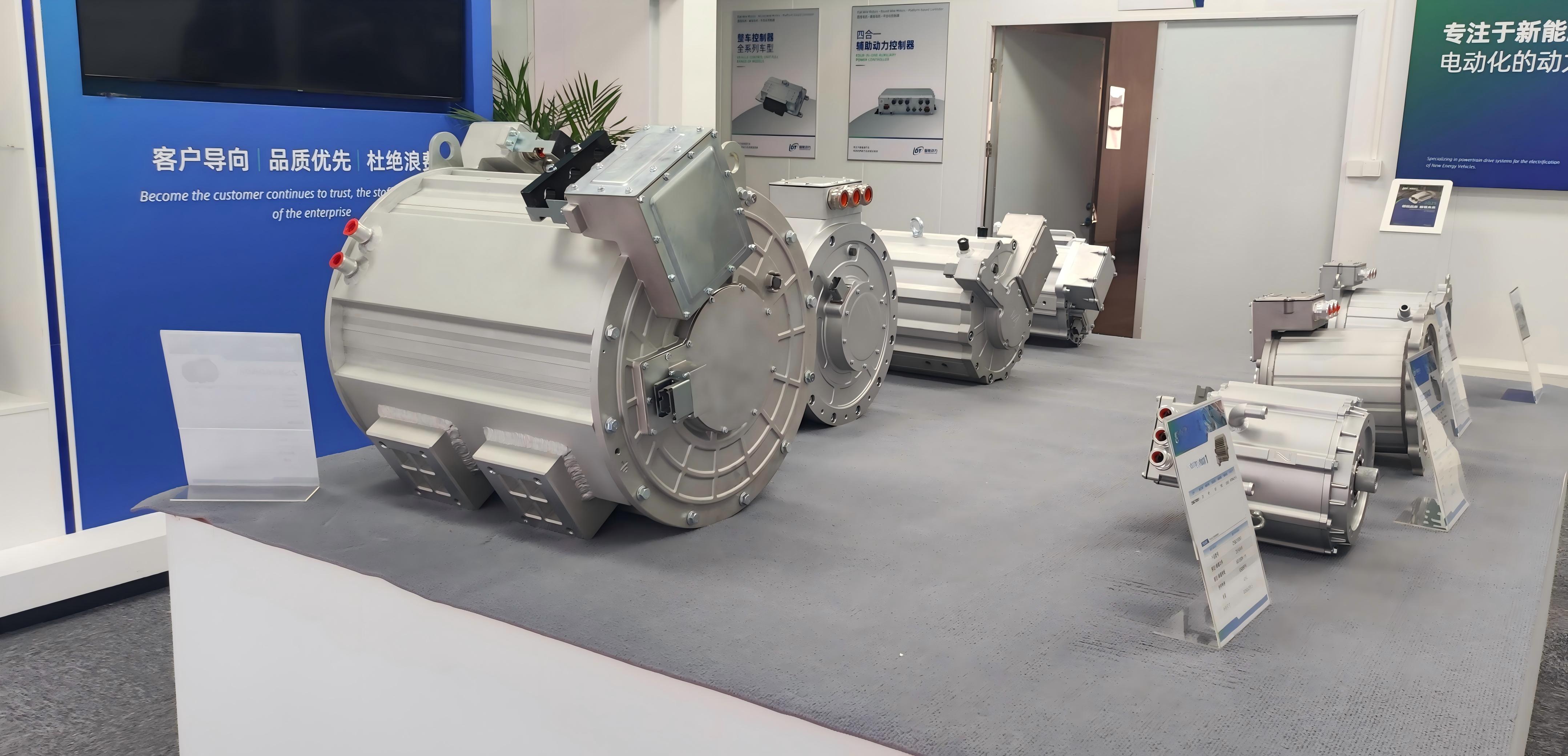
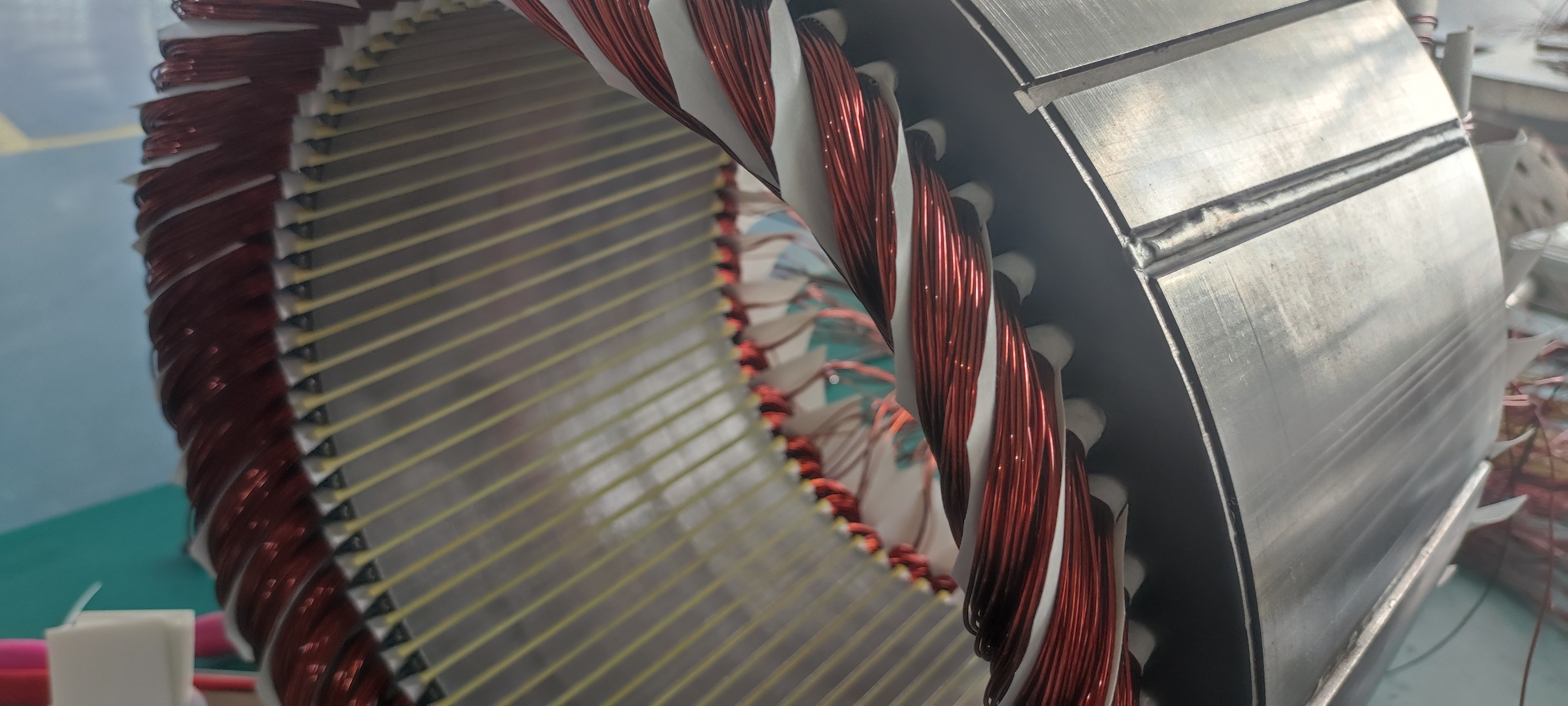
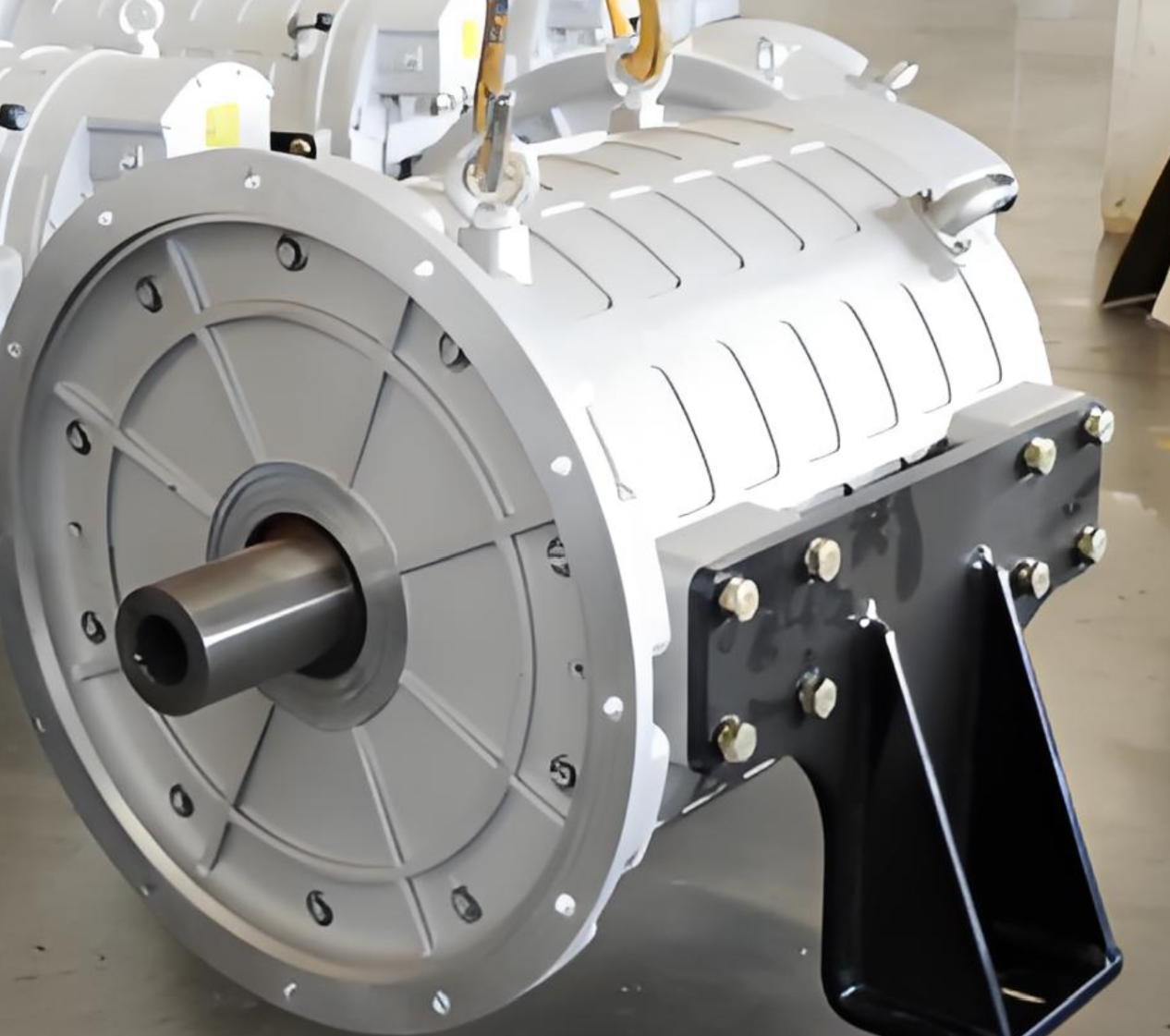
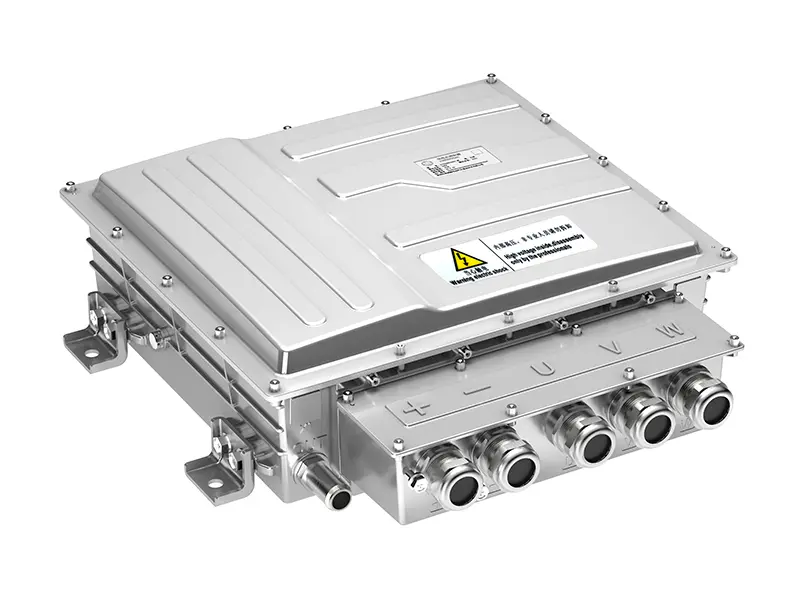
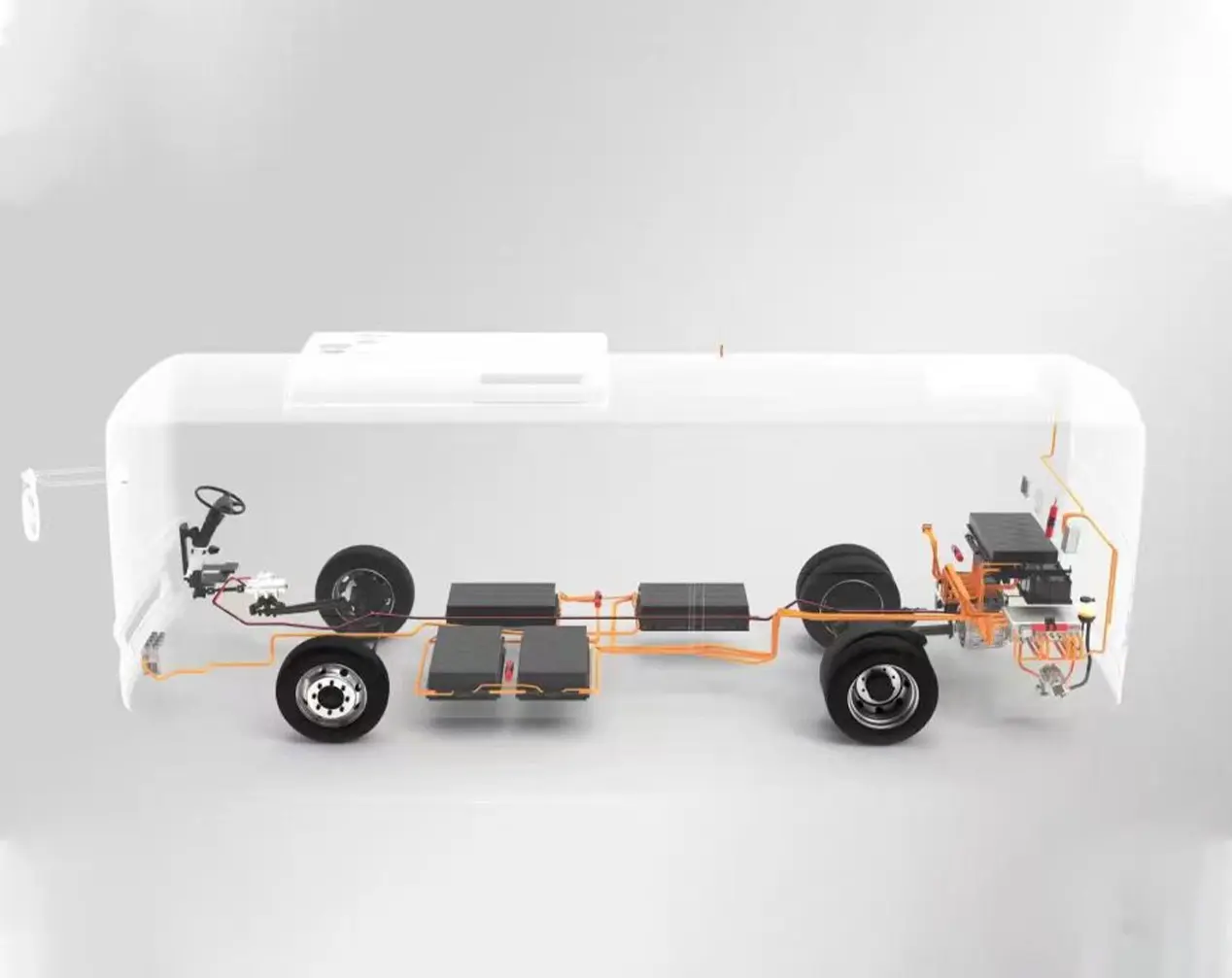
Modern electric drive systems disrupt this model with a decentralized, digitally controlled architecture. In this setup, a primary energy source—which could be a compact diesel generator, a large battery pack, a hydrogen fuel cell, or even a cable connection for stationary equipment—generates electrical power. This electricity is then precisely managed by power electronics and distributed via cables to individual, high-torque electric motors placed exactly where motion is needed: directly at the wheels, tracks, or work functions like digging, lifting, and swinging.
This "electrification of motion" delivers breakthrough advantages:
-
Instant Torque & Superior Control: Electric motors deliver maximum torque instantly from zero RPM, providing exceptional breakout force for excavators and immediate response for loaders. Their speed and power can be modulated with extreme precision through software, enabling smoother, more controlled movements.
-
Regenerative Braking: One of the most significant efficiency gains comes from the motor's ability to act as a generator. During lowering, braking, or slewing deceleration, kinetic energy is converted back into electricity and fed into the system, recharging batteries or reducing the load on the generator. This recaptures energy traditionally wasted as heat.
-
Simplified Design & Reduced Maintenance: Replacing extensive networks of hydraulic hoses, pumps, and fluids with electrical cables and motors reduces points of failure, eliminates fluid leaks, and drastically cuts maintenance needs. There are no oil changes for the drive system, and fewer moving parts mean higher reliability.
Building a Greener Jobsite: Key Applications in Action
The application of electric drive systems is evolving across several parallel paths, each contributing to a cleaner, more efficient worksite:
1. Full Electrification: The Zero-Emission Frontier
Fully battery-electric machines are becoming commonplace, especially for compact equipment and urban applications. Mini-excavators, compact wheel loaders, and telehandlers powered by lithium-ion batteries and efficient motors produce zero tailpipe emissions and operate near-silently. This makes them ideal for indoor projects, night work in cities, and environmentally sensitive areas. Beyond emissions, the total cost of ownership is increasingly favorable due to drastically lower energy costs (electricity vs. diesel) and reduced maintenance.
2. Hybrid Powertrains: A Pragmatic Evolution
For larger, more energy-intensive machinery like 20-ton excavators or haul trucks, fully electric solutions may still face range and power density challenges. Here, hybrid electric drive systems offer an optimal bridge. A smaller, optimized diesel engine runs at a constant, efficient speed solely to generate electricity. This power then drives electric motors at the tracks and implements. This setup eliminates engine idle waste and inefficient throttle variations, typically slashing fuel consumption and emissions by 20-40% while maintaining full-day operational capability.
3. Lightweighting Through System Integration
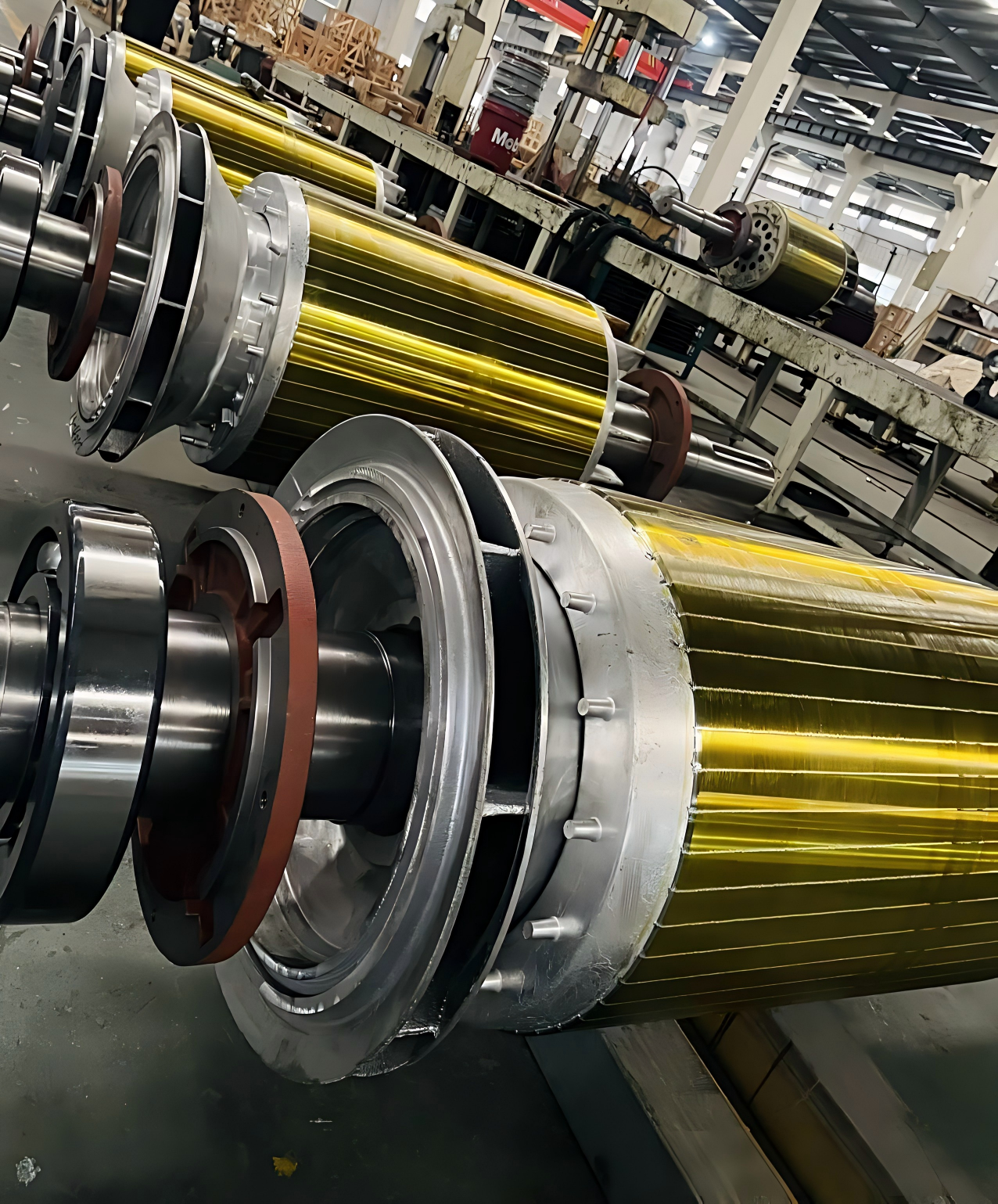
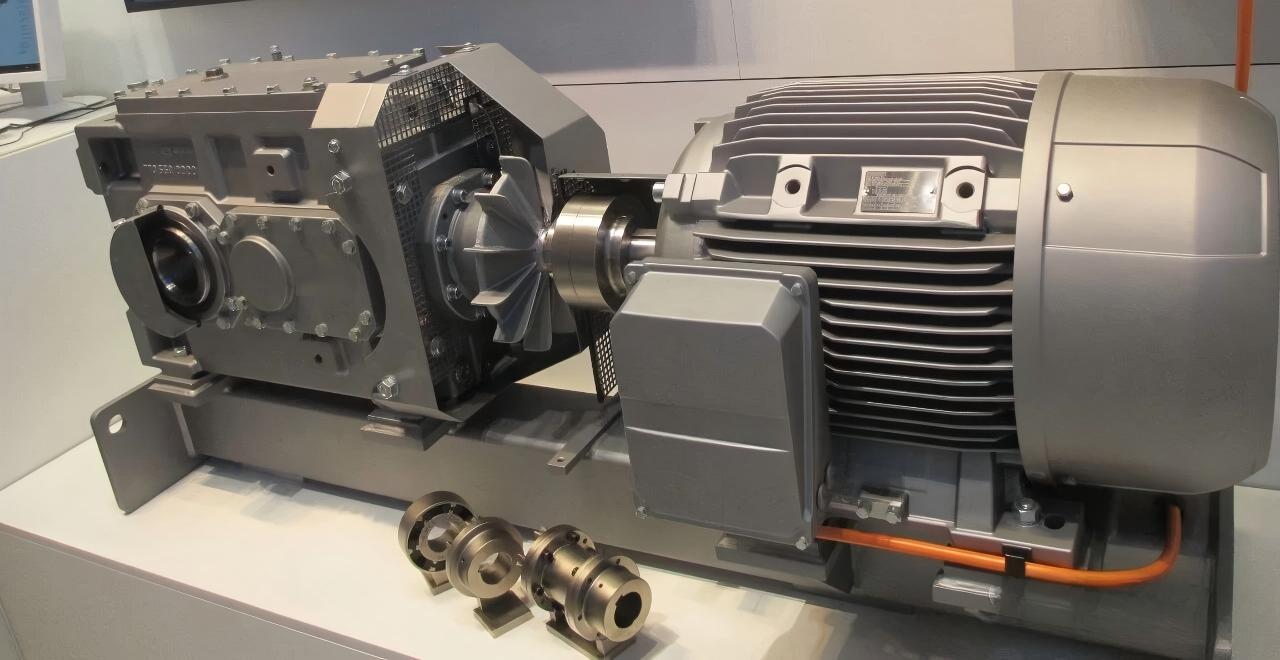
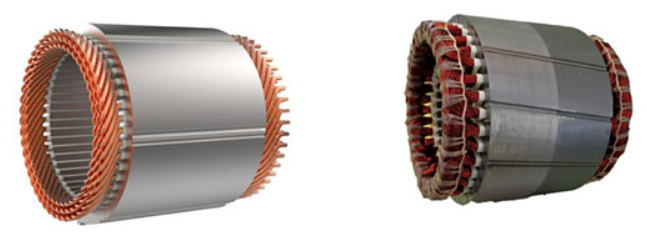
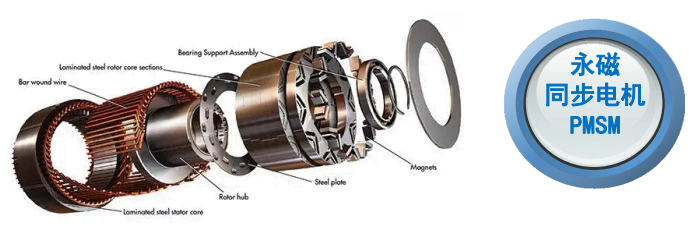
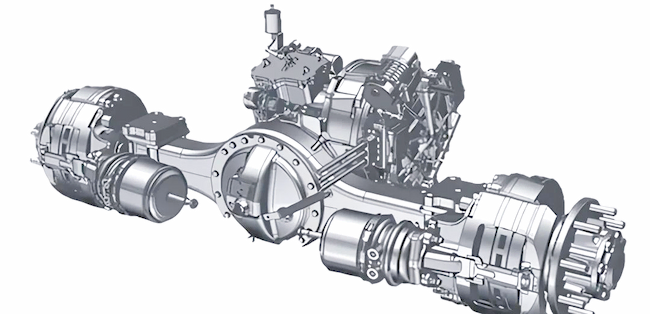
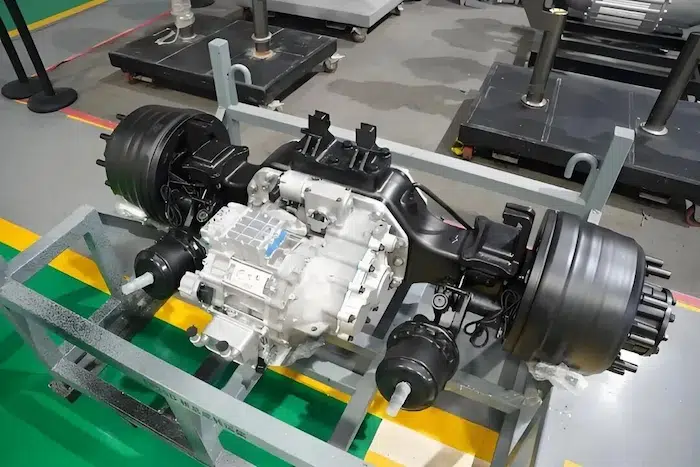
The compact size and high power density of modern electric motors, such as those developed by innovators like Pumbaaev (), allow for more streamlined machine designs. When the drive system is optimized as a complete package—integrating the motor, inverter, and gearing—it reduces overall weight and frees up space. This system-level approach, championed by specialized engineering firms, enables machine lightweighting, which in turn reduces the energy required for propulsion, creating a positive feedback loop for efficiency.
4. The Rise of the Smart, Connected Machine
An electric machine is inherently a data-rich machine. Every electric drive system generates a constant stream of information on power draw, load cycles, thermal conditions, and energy recuperation. By leveraging IoT connectivity, this data feeds into fleet management platforms. Managers can now optimize entire operations: scheduling predictive maintenance based on actual motor stress, training operators on the most energy-efficient techniques, and optimizing machine deployment across the site to minimize idle time and energy waste.
The Road Ahead: Challenges and a Connected, Electric Future
The path to widespread adoption includes challenges such as upfront costs, charging infrastructure development for remote sites, and battery life concerns in extreme conditions. However, the trajectory is clear. As battery energy density improves, charging speeds increase, and hydrogen fuel cell technology matures, the range and capability of electric construction machinery will expand exponentially.
The future construction site will be a quieter, cleaner, and smarter ecosystem. It will be powered by a symphony of sophisticated electric drive systems and rugged, high-efficiency motors, all communicating and optimizing performance in real-time. This shift represents more than compliance; it is a fundamental strategic advantage. For forward-thinking companies, integrating this "green core" technology is the key to unlocking unprecedented efficiency, meeting stringent environmental regulations, and building a responsible, competitive future. The revolution is no longer on the horizon—it's already on the job site.