


News





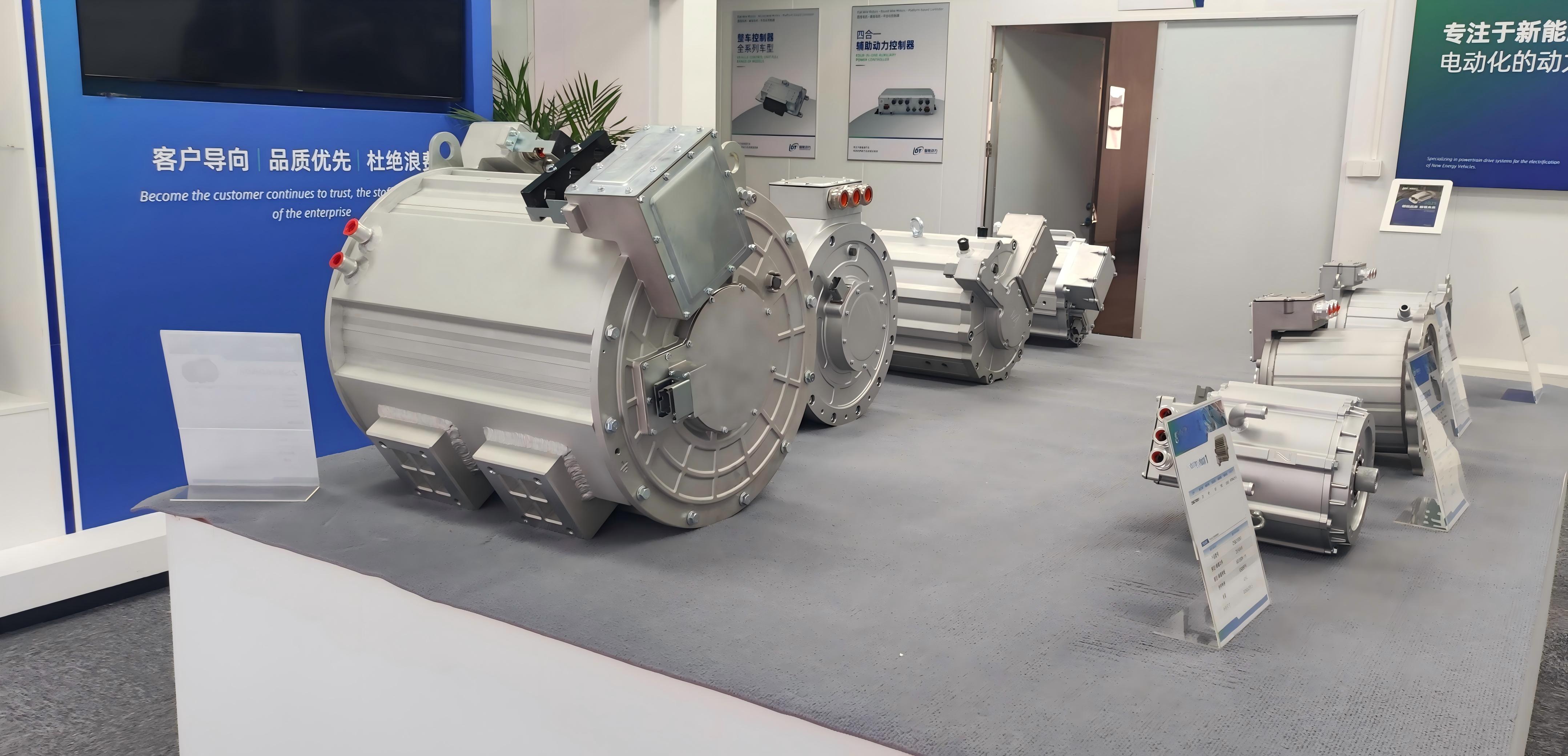
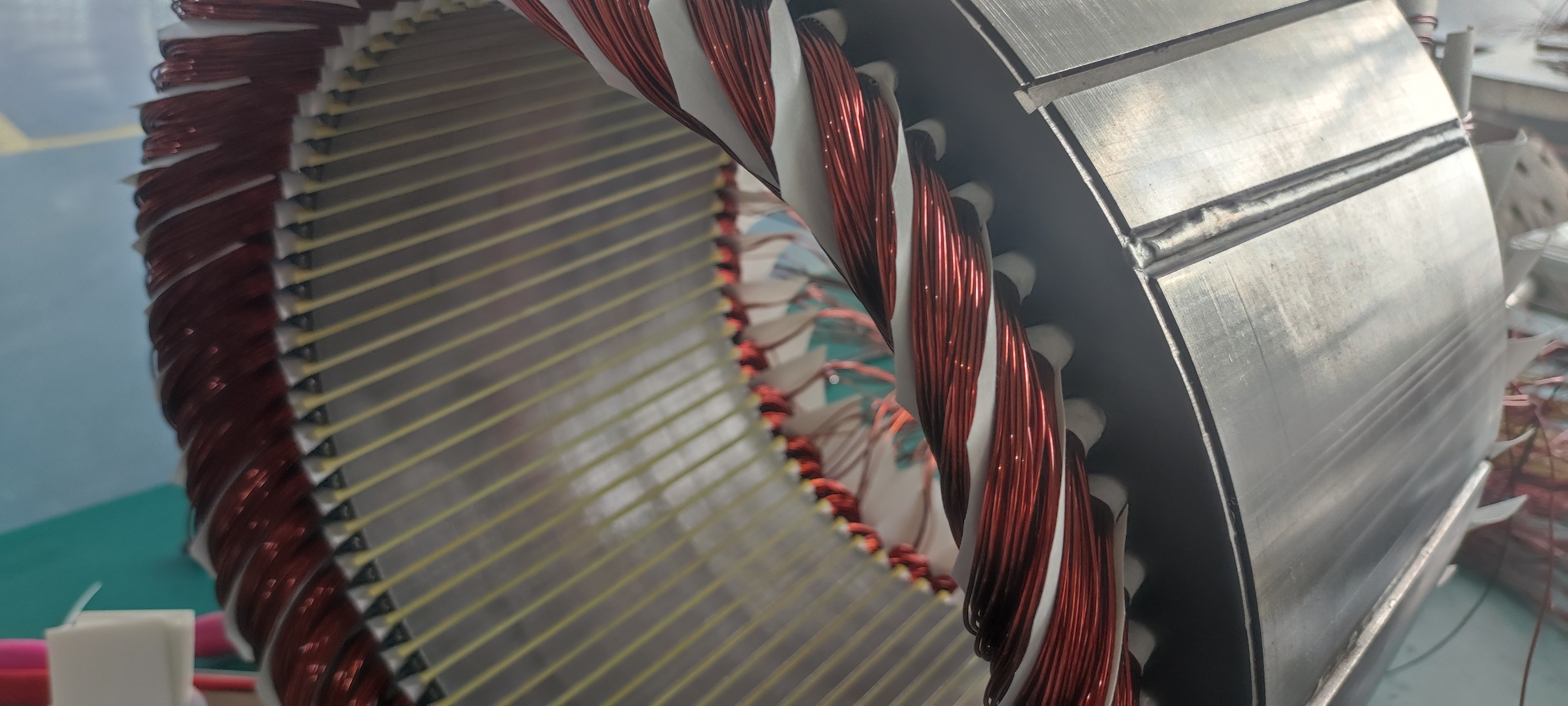
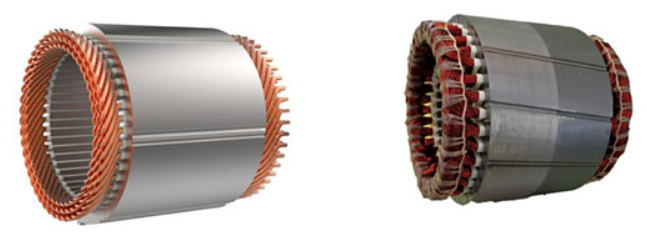
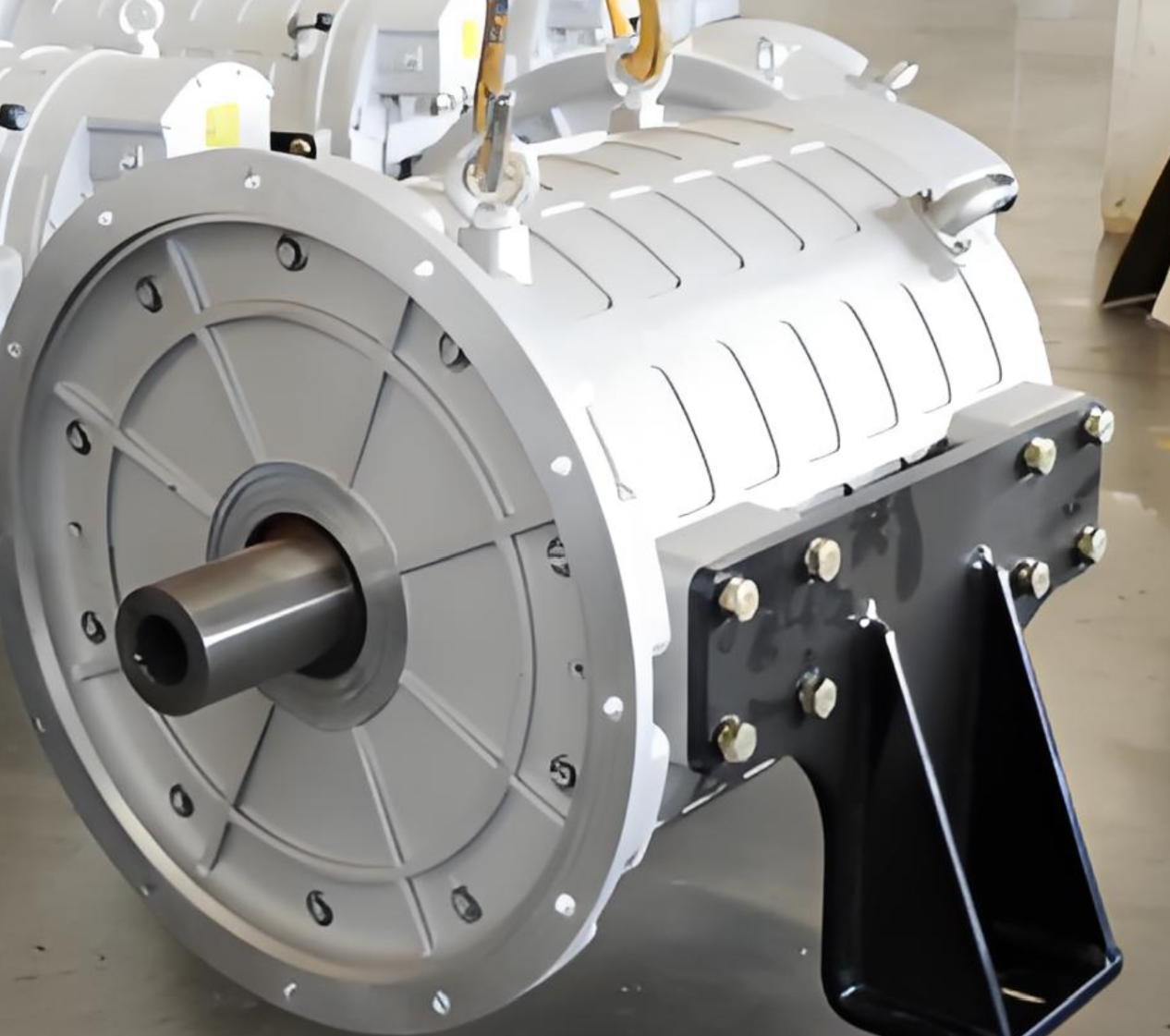








The Heart of Electric Vehicles: A Comprehensive Guide to EV Motor Types and Technology Evolution
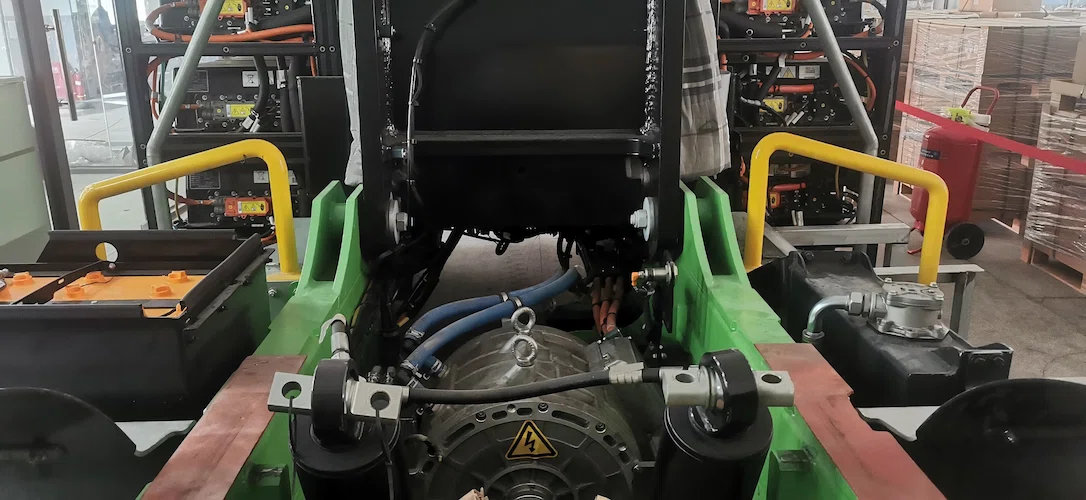
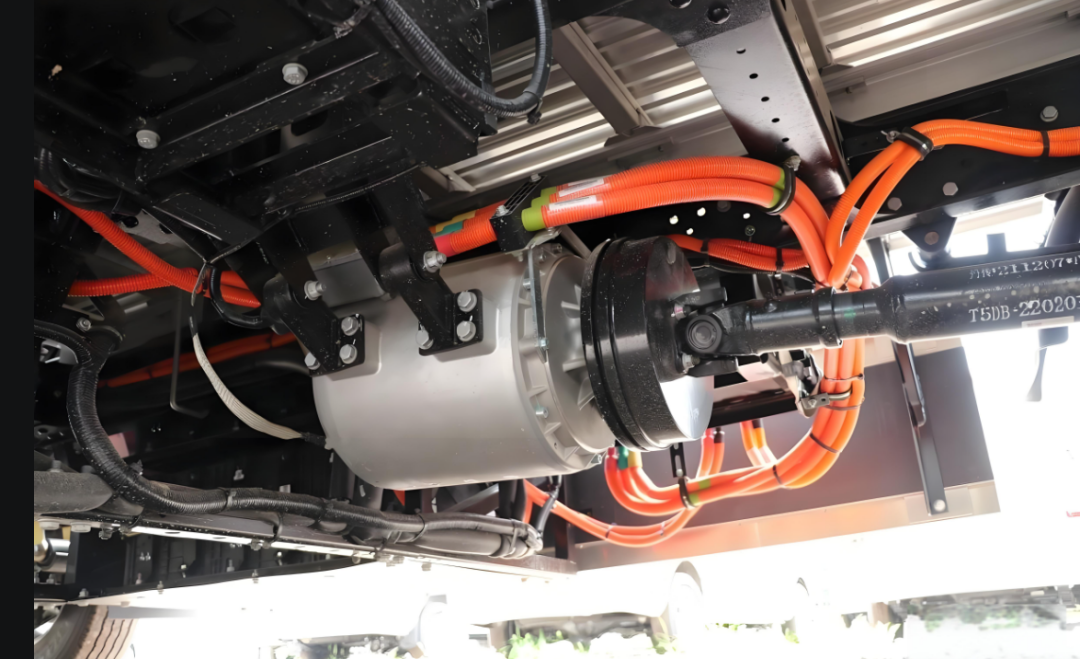
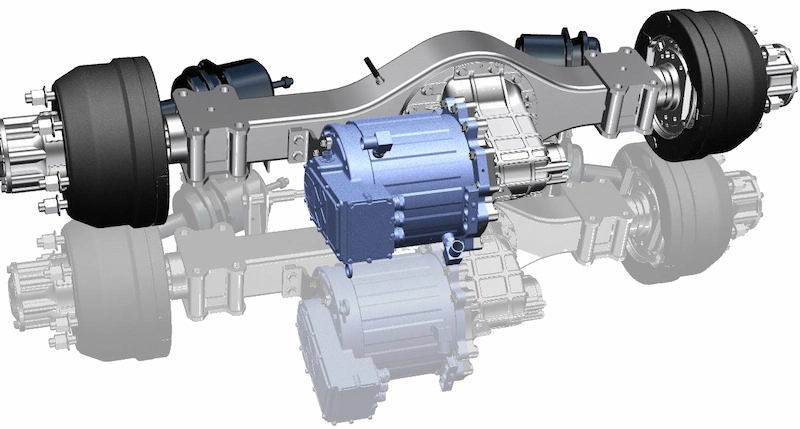
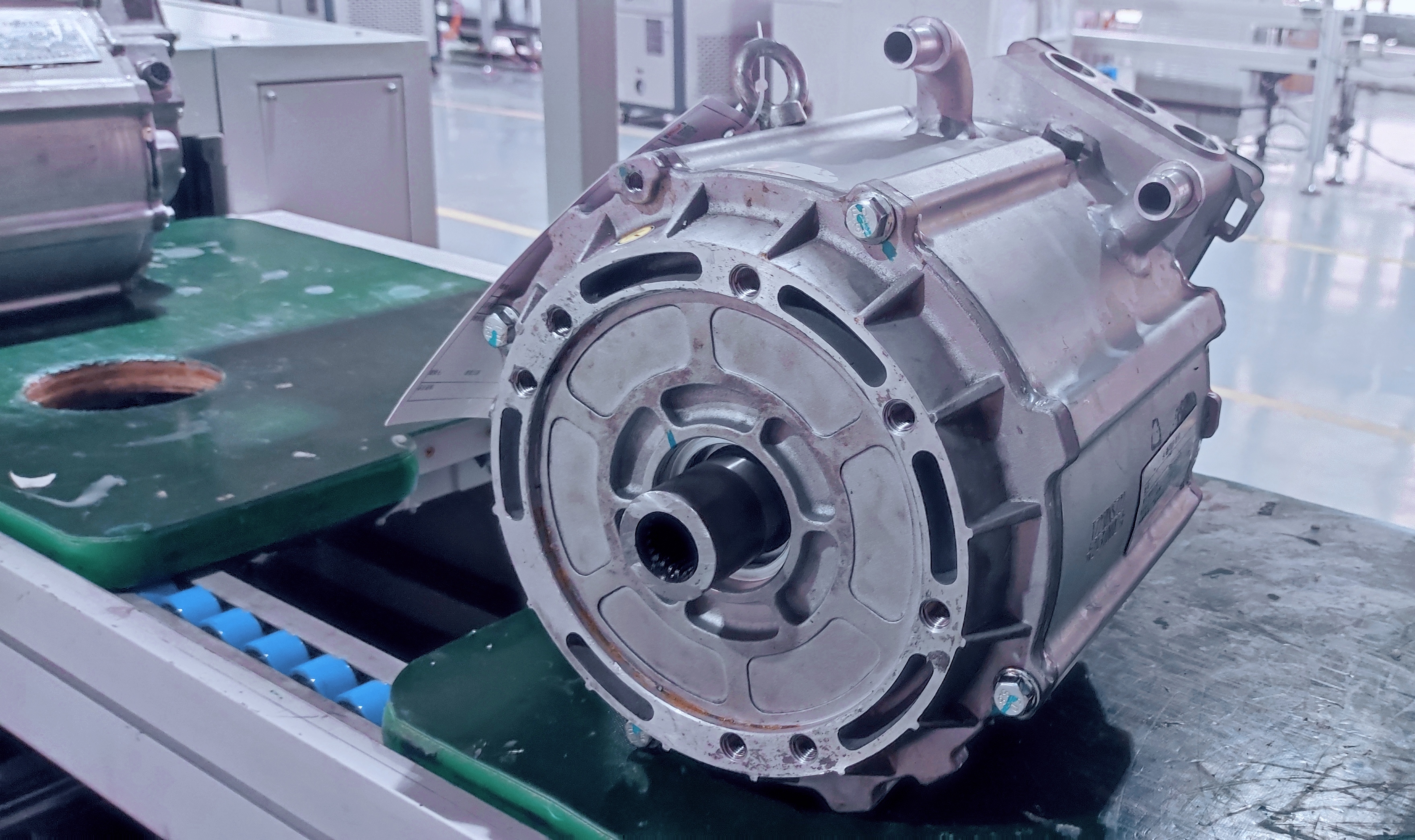
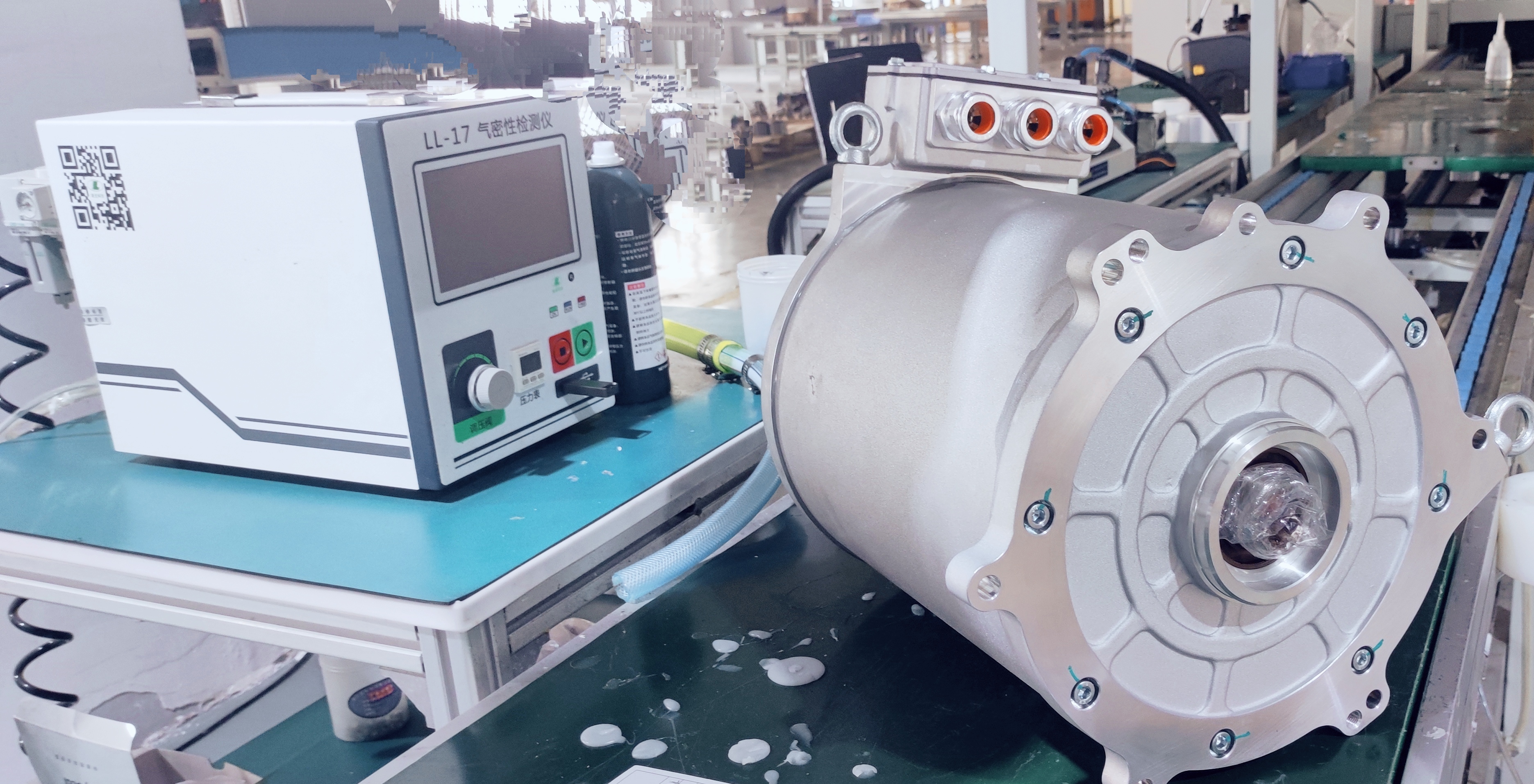
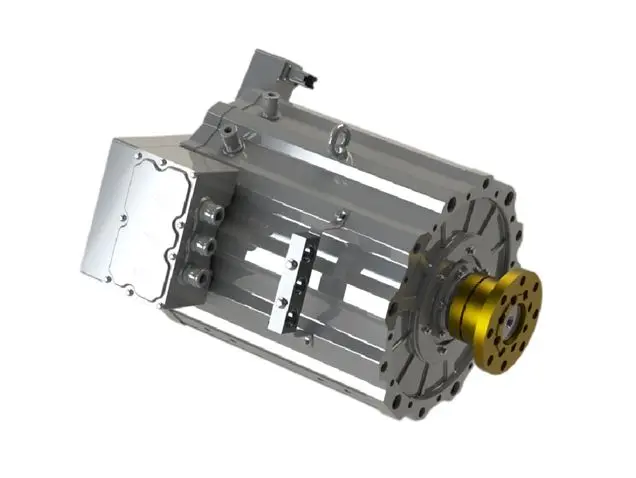
When discussing electric vehicles, battery range often takes center stage. However, the true soul of the vehicle, the component that converts electrical energy into the power to drive, is its electric motor. Unlike the relative uniformity of internal combustion engines over the past century, the electric vehicle landscape presents a sophisticated picture of diverse and competing technologies. So, "Which type of motors are used in EV?" The answer is a choice born from a matrix of engineering trade-offs—efficiency, cost, performance, and sustainability together compose this technological symphony. This article will provide an in-depth analysis of mainstream and emerging EV motor technologies and guide you to a professional platform for deeper exploration: www.pumbaaev.com.
I. Technical Foundations: Working Principles and Characteristics of the Two Mainstream EV Motors
Currently, over 95% of mass-produced electric vehicles primarily employ two motor technologies: Permanent Magnet Synchronous Motors and AC Induction Motors.
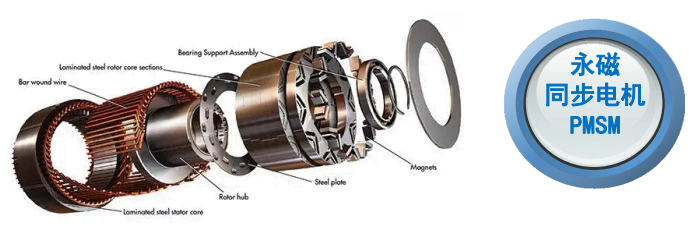
1. Permanent Magnet Synchronous Motor (PMSM)
As the dominant mainstream technology in today's market, PMSM is widely used to drive the front or rear axle due to its exceptional efficiency.
-
Core Technical Principle:
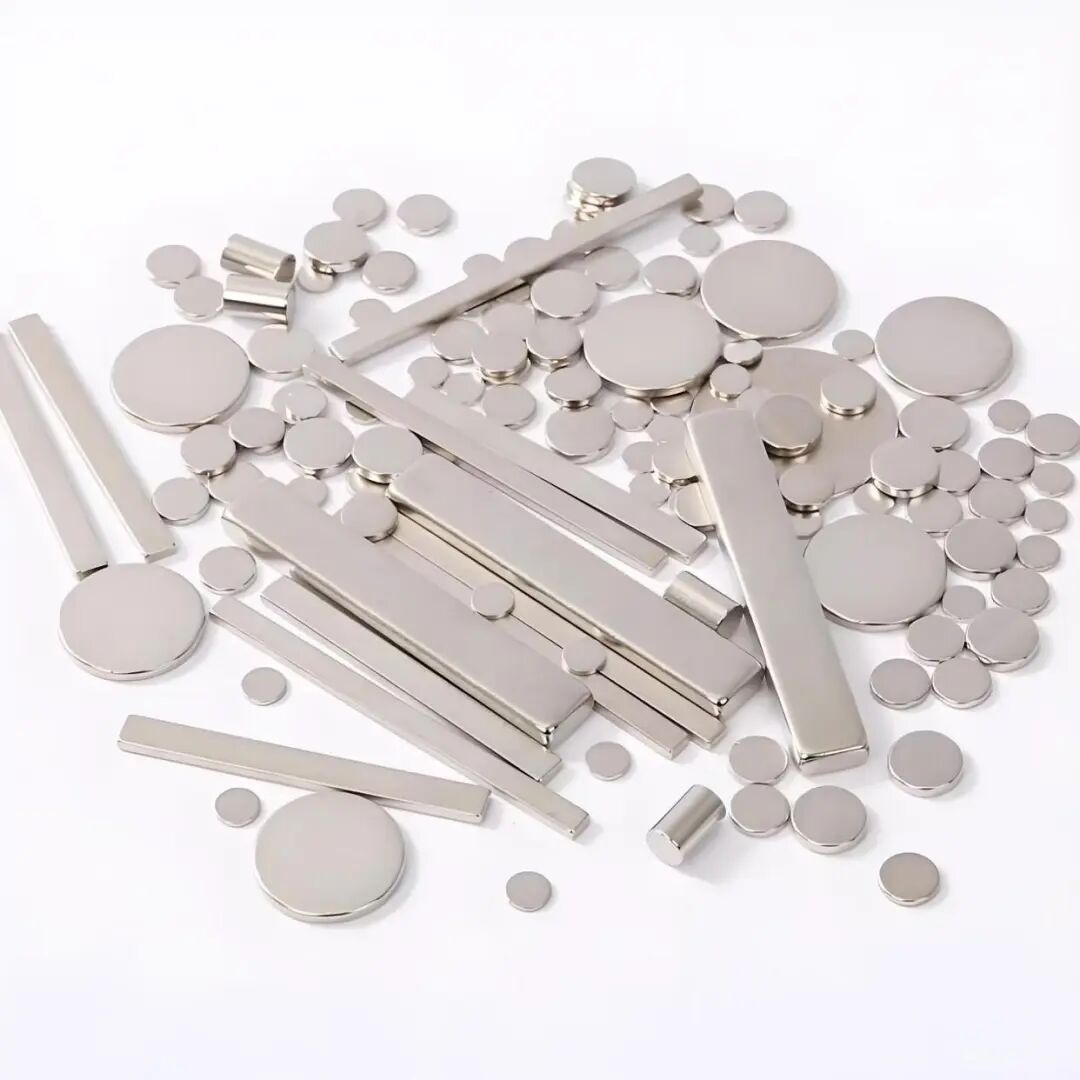
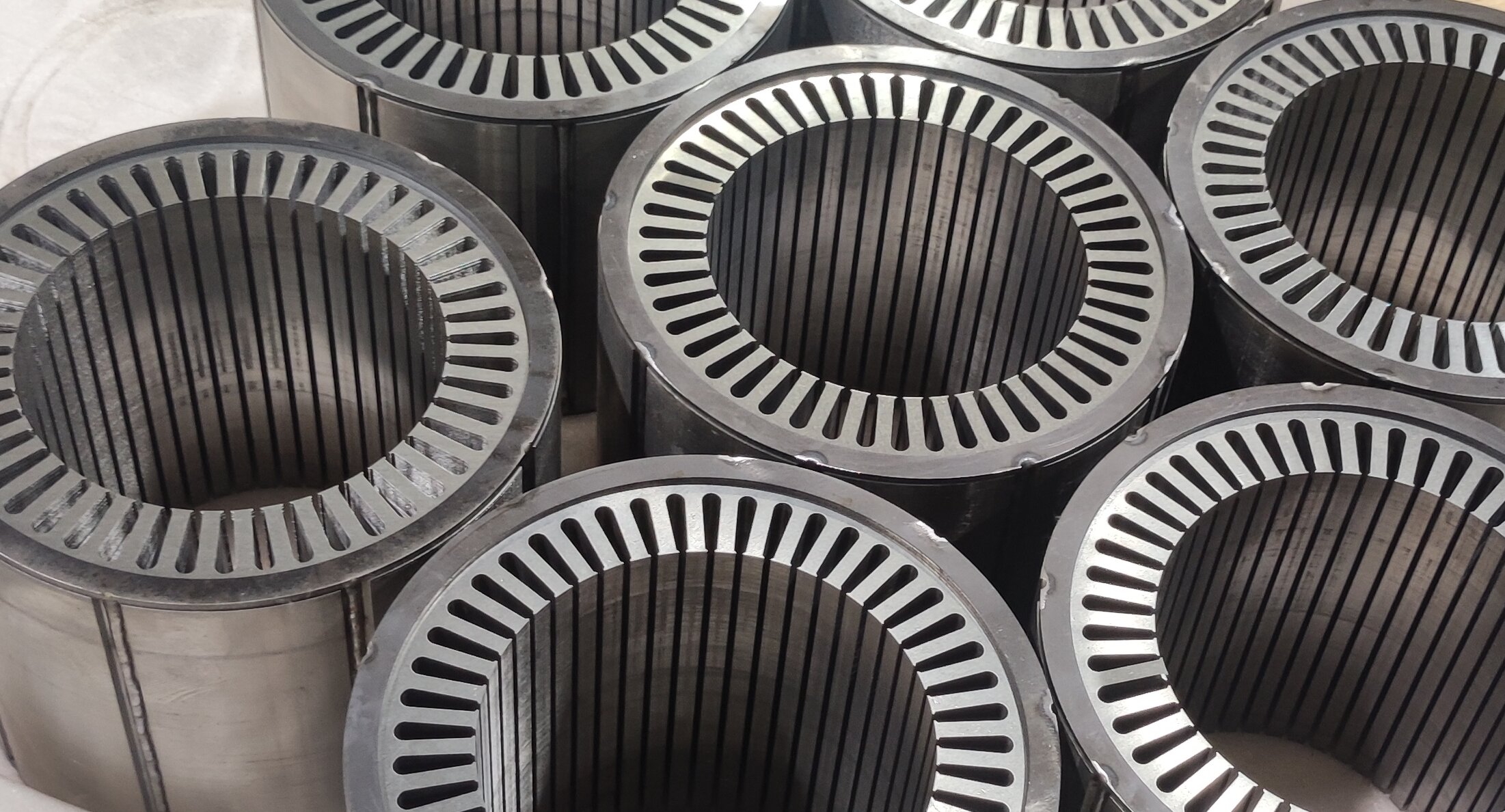
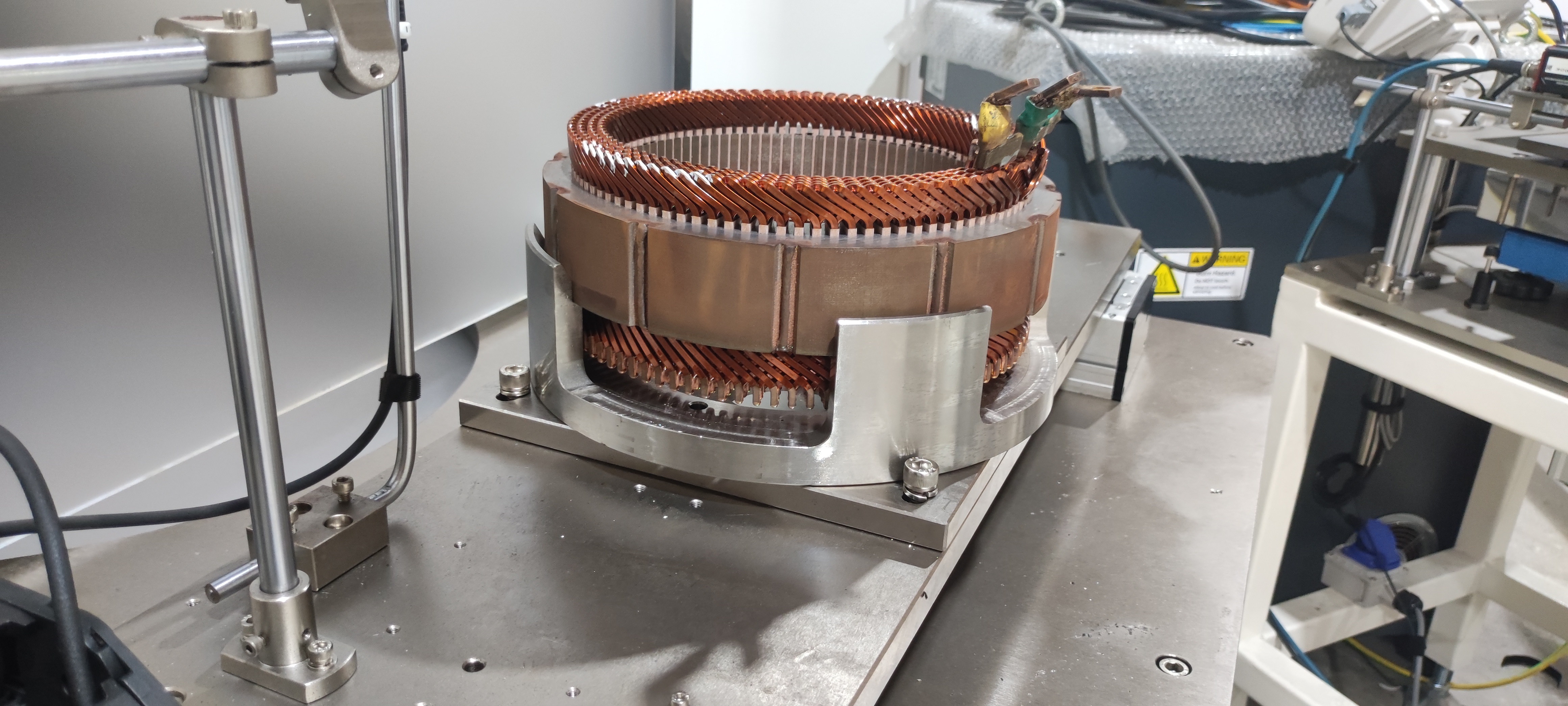
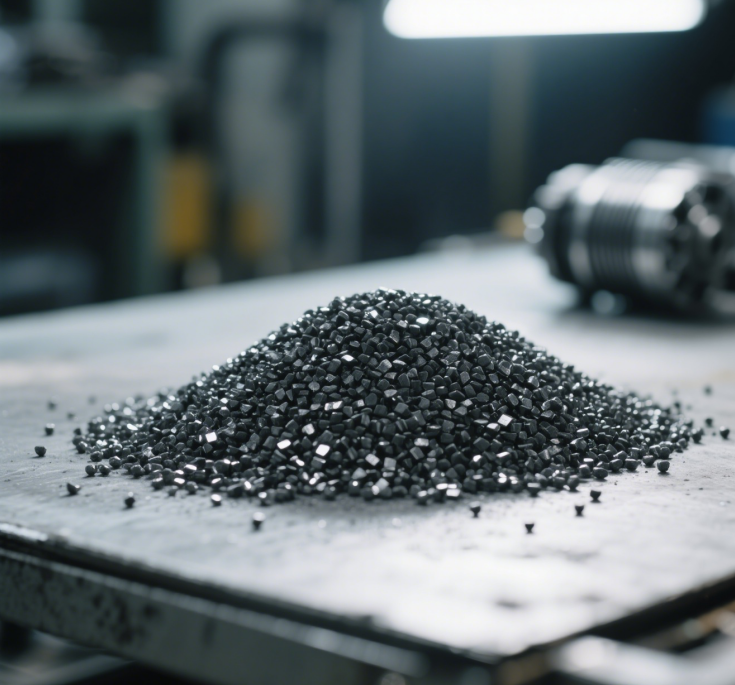
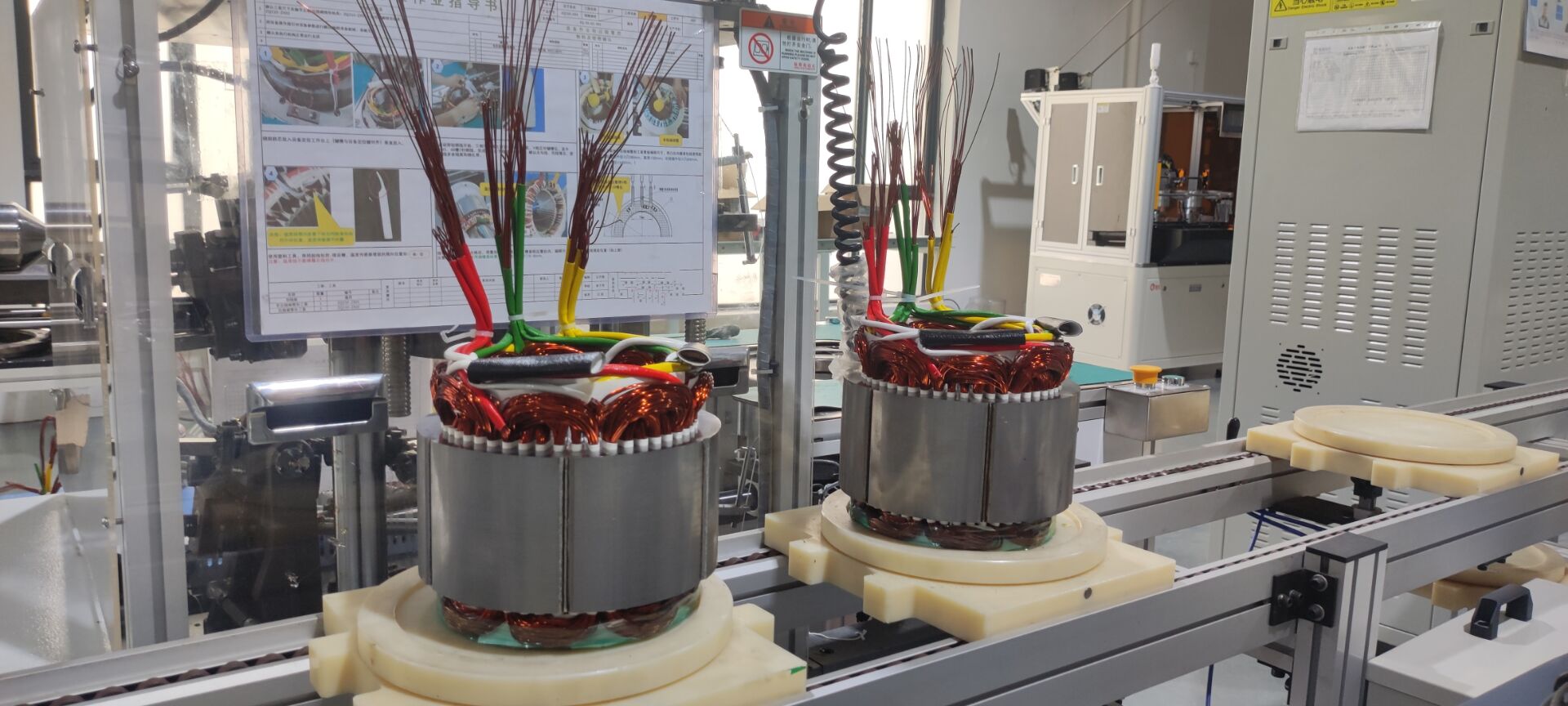
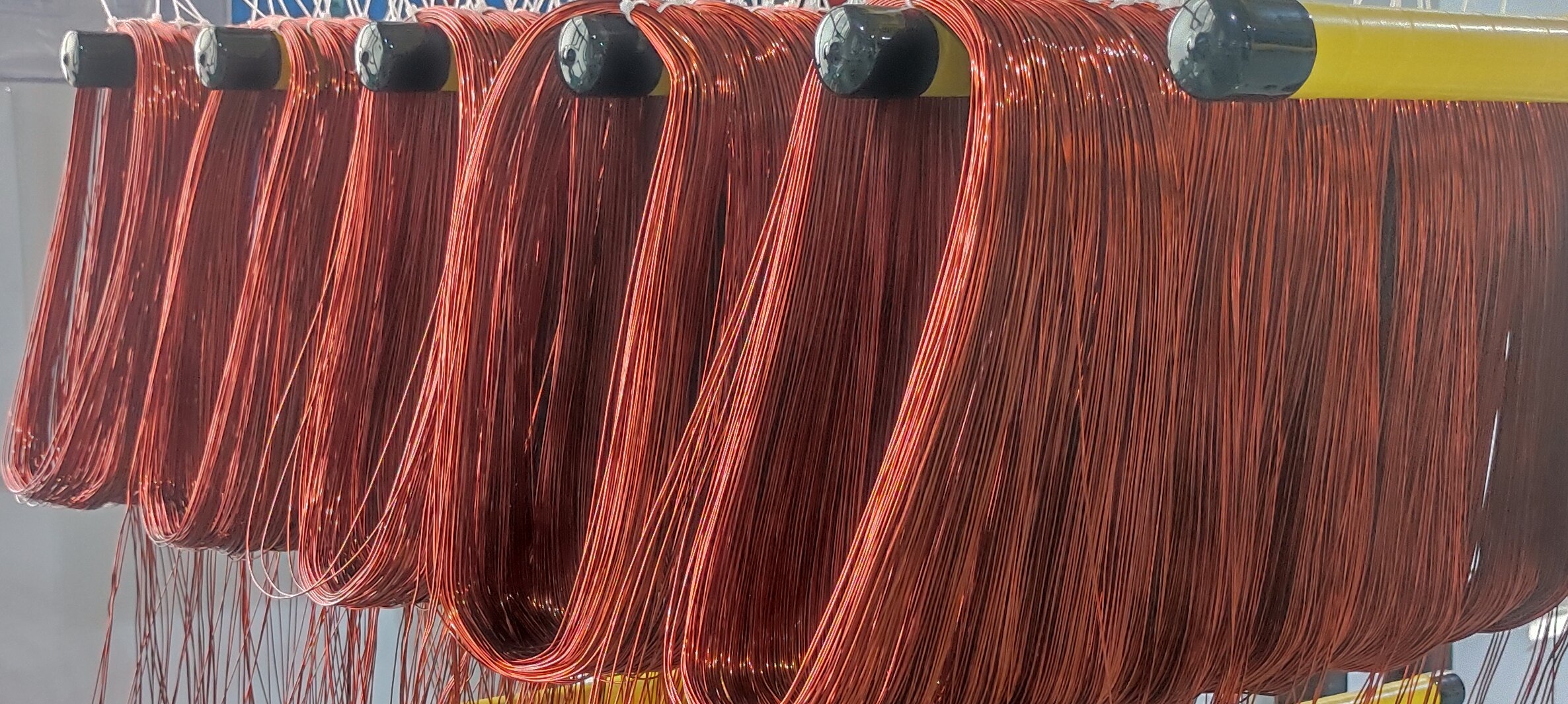
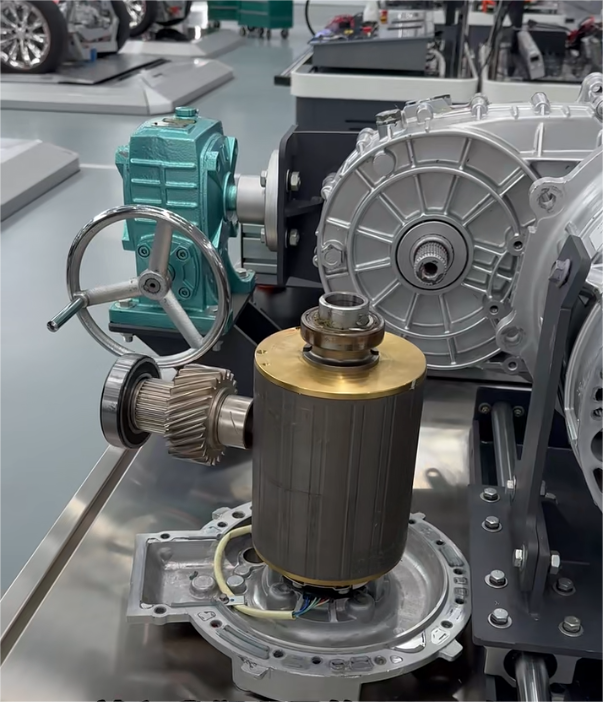
Its rotor is embedded with high-strength permanent magnets (typically made of rare-earth materials like neodymium-iron-boron). When the stator windings are energized with three-phase alternating current to generate a rotating magnetic field, the permanent magnetic field on the rotor rotates in strict synchrony with it, with almost no speed difference (slip), hence the name "synchronous." This direct magnetic "locking" is the basis for its high efficiency.
-
In-Depth Analysis of Core Advantages:
-
Peak Efficiency & High Power Density: PMSM maintains extremely high conversion efficiency (often over 95%) across most of its operating range, especially in the mid-to-low speed and mid-to-high torque ranges commonly used in city driving. This means less wasted electrical energy, directly contributing to longer driving range. Its "small size, high power" characteristic also aids in vehicle packaging and lightweighting.
-
Excellent Control Performance: Thanks to the stable magnetic field from the permanent magnets, motor control is precise and responsive, delivering smooth, instantaneous torque output for a refined and linear driving experience.
-
Simplified Cooling Needs: The main heat source is in the stator (windings), with minimal rotor heating, making the cooling system design relatively straightforward.
-
-
Challenges:
-
Rare-Earth Dependence & Cost: The rare-earth elements (e.g., dysprosium, terbium) in permanent magnets are expensive, and their supply chain is concentrated, posing geopolitical and price volatility risks.
-
Complex High-Speed Field-Weakening Control: At very high speeds, additional control strategies are needed to "weaken" the permanent magnet field to prevent excessive voltage, which increases controller complexity.
-
-
Typical Application Models:
Rear drive unit in Tesla Model 3/Y, the 8-in-1 electric drive assembly in BYD Dolphin/Han EV, NIO ET7, XPeng P7, and most electric models from Hyundai, Kia, GM, and other brands.
2. AC Induction Motor (Asynchronous Motor)
Invented by Nikola Tesla and brought back into the mainstream by Tesla Motors, this is a classic, reliable, and powerful solution.
-
Core Technical Principle:
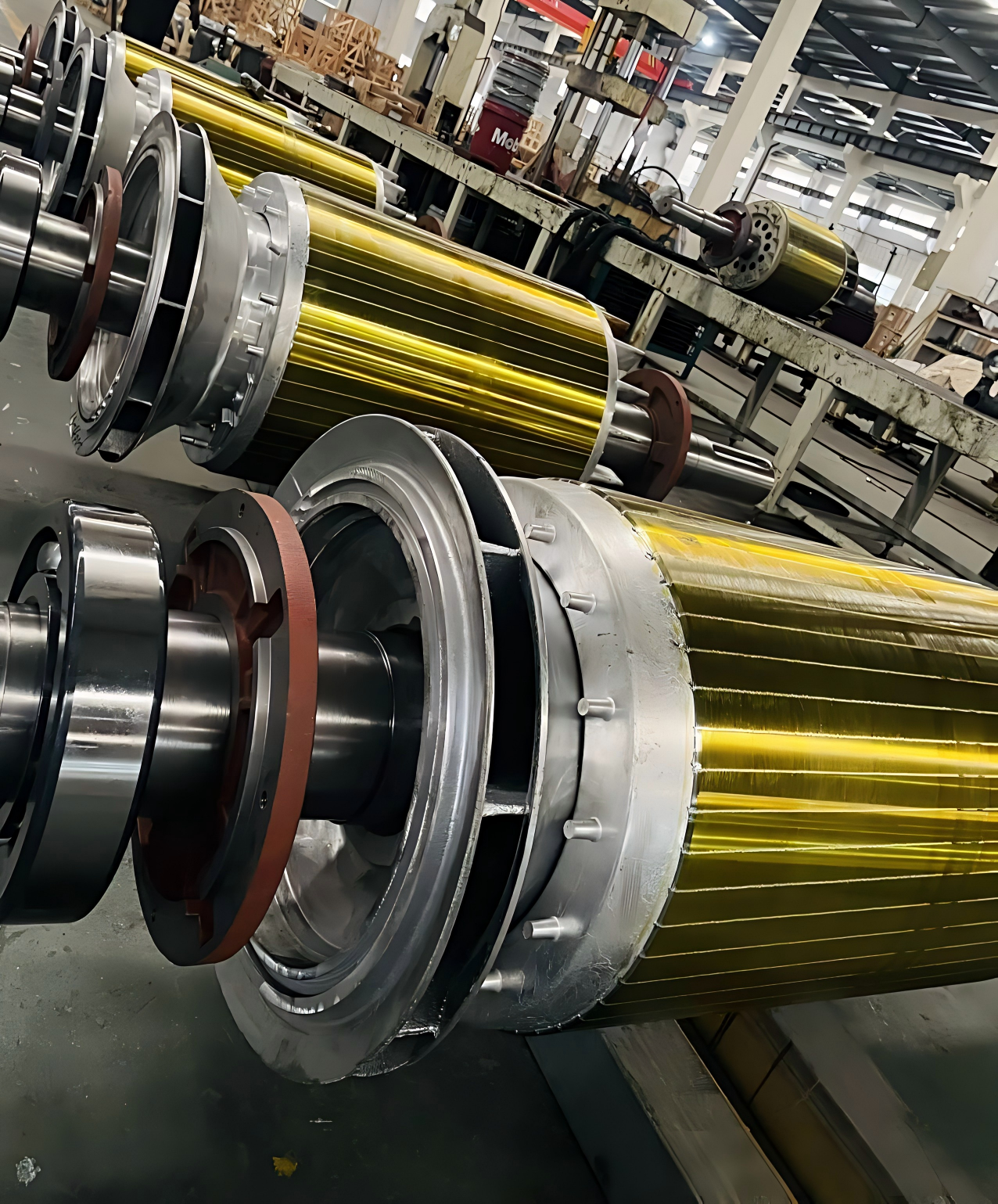
Its rotor uses a "squirrel cage" structure made of conductive bars and contains no permanent magnets. The stator's rotating magnetic field induces a current in the shorted rotor bars. This current, in turn, creates the rotor's magnetic field. The rotor field perpetually "chases" the stator field without achieving synchrony (there is slip), hence the name "asynchronous." It is this slip that generates torque.
-
In-Depth Analysis of Core Advantages:
-
Cost & Durability: Simple and robust construction, requires no rare-earth materials, and typically has lower manufacturing costs. Its rugged nature allows it to withstand higher extreme temperatures and overload conditions, resulting in low failure rates.
-
High-Speed Performance & Reliability: With no permanent magnets, there's no risk of demagnetization, making it very suitable for sustained high-RPM operation. Field-weakening control is inherently simpler.
-
Low Maintenance & Regenerative Braking: Requires almost no maintenance and can efficiently convert kinetic energy back into electrical energy for the battery during coasting or braking.
-
-
Challenges:
-
Partial Load Efficiency: Its efficiency is typically slightly lower than PMSM under conditions like low-load cruising because it requires current to establish the rotor's magnetic field (magnetizing current).
-
Power Density: To achieve the same power output, its size and weight are usually slightly larger than an equivalent PMSM.
-
-
Typical Application Models:
Front axle motor in Tesla Model S/X (early models), some Audi e-tron models, and often used in dual-motor systems alongside PMSM in many electric commercial vehicles and performance cars to leverage their respective strengths.
II. Technology Comparison: The Strategic Choice Between PMSM and Induction Motor
|
Feature Dimension |
Permanent Magnet Synchronous Motor (PMSM) |
AC Induction Motor |
|---|---|---|
|
Core Efficiency |
Extremely High, excellent across the operating range, especially mid-low speeds |
High, but can be slightly lower under partial load or specific speeds |
|
Power/Torque Density |
Extremely High, compact structure, excellent power-to-weight ratio |
High, but usually slightly larger/heavier for equivalent power |
|
Cost Structure |
Higher (due to magnet materials and processing), but decreasing with scale |
Lower (lower material cost, mature process) |
|
Temperature Tolerance & Reliability |
Good, but permanent magnets risk demagnetization at high temps (requires good thermal management) |
Excellent, strong high-temperature and overload tolerance, very reliable |
|
Control Complexity |
High (requires precise rotor position sensors and field-weakening algorithms) |
Relatively Lower |
|
Rare-Earth Dependent |
Yes, potential supply chain risk |
No |
|
Typical Application Strategy |
Single-motor models pursuing maximum range; primary efficiency motor in dual-motor systems |
Secondary motor in high-performance dual-motor systems; models emphasizing cost and reliability |
Industry Trend: Many automakers adopt a mixed configuration strategy—in dual-motor AWD models, the front axle might use an induction motor (balancing efficiency and cost), while the rear axle uses a PMSM (for peak power and efficiency), or vice versa. This allows for explosive "Ludicrous Mode" performance while primarily relying on the efficient motor during cruising, achieving an optimal balance of performance and range.
III. Rising Stars & Alternatives: Emerging EV Motor Technologies
To address rare-earth dependence and technical bottlenecks, engineers are actively developing next-generation motor technologies:
-
Electrically Excited Synchronous Motor (EESM):
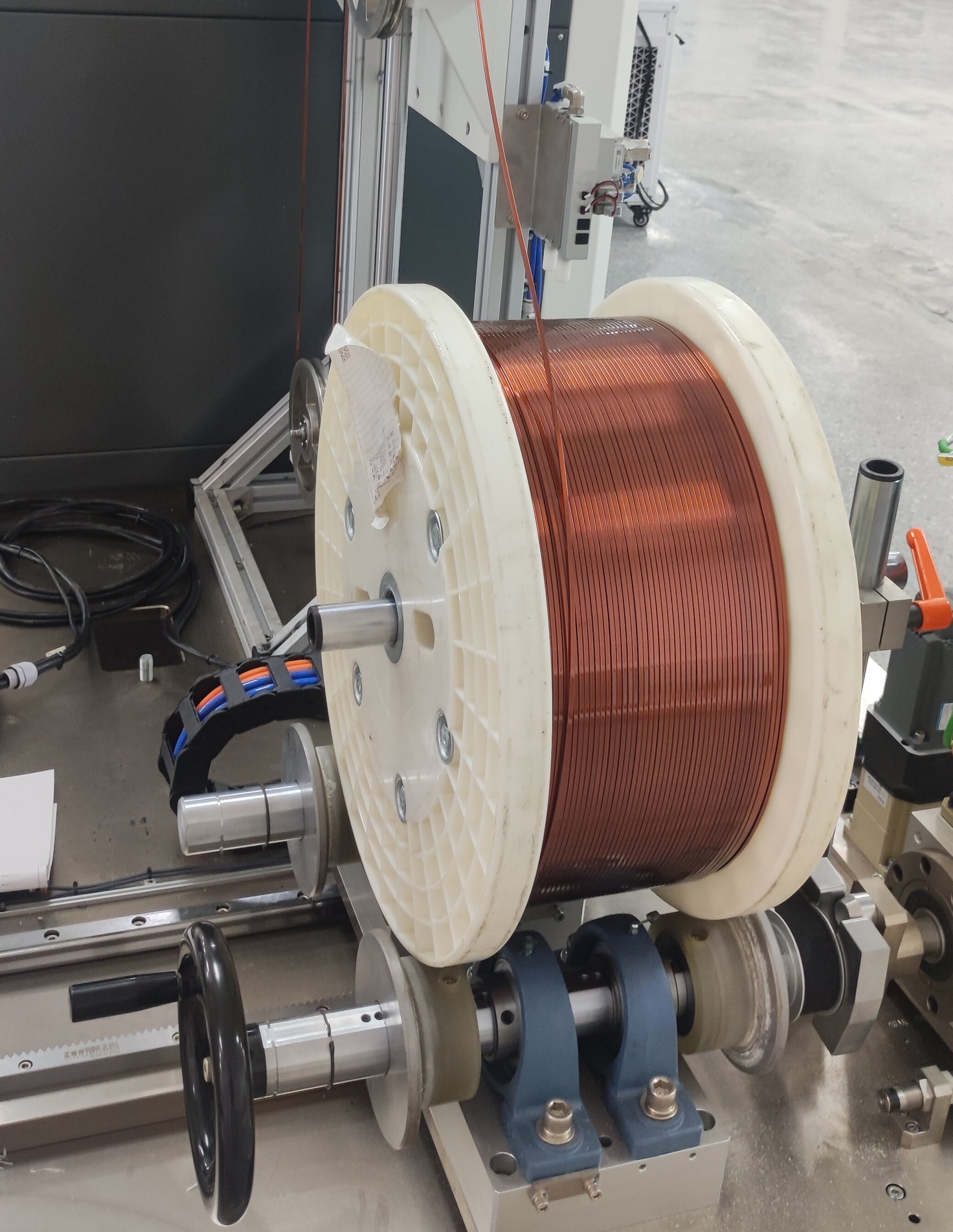
This is a promising "best of both worlds" technology. It replaces permanent magnets with an energized coil (electromagnet) on the rotor. By controlling the excitation current, the rotor field strength can be dynamically adjusted—weakening the field at high speeds for efficiency and strengthening it during acceleration for maximum torque. BMW's 5th generation e-drive (iX, i4, etc.) and some Renault models have begun using it. It combines high efficiency, rare-earth-free design, and high controllability, albeit with a slightly more complex structure.
-
Switched Reluctance Motor (SRM):
One of the simplest motor structures, both rotor and stator are made of laminated silicon steel with salient poles. The rotor has neither magnets nor windings. Torque is generated purely based on the principle of minimum magnetic reluctance. It has great potential for ultra-low cost, very high speeds, and extreme reliability (high-temperature tolerance). The main challenges are torque ripple leading to noise and vibration, and extremely complex control. Currently primarily used in commercial/specialty vehicles, it is a hot research topic in academia and industry.
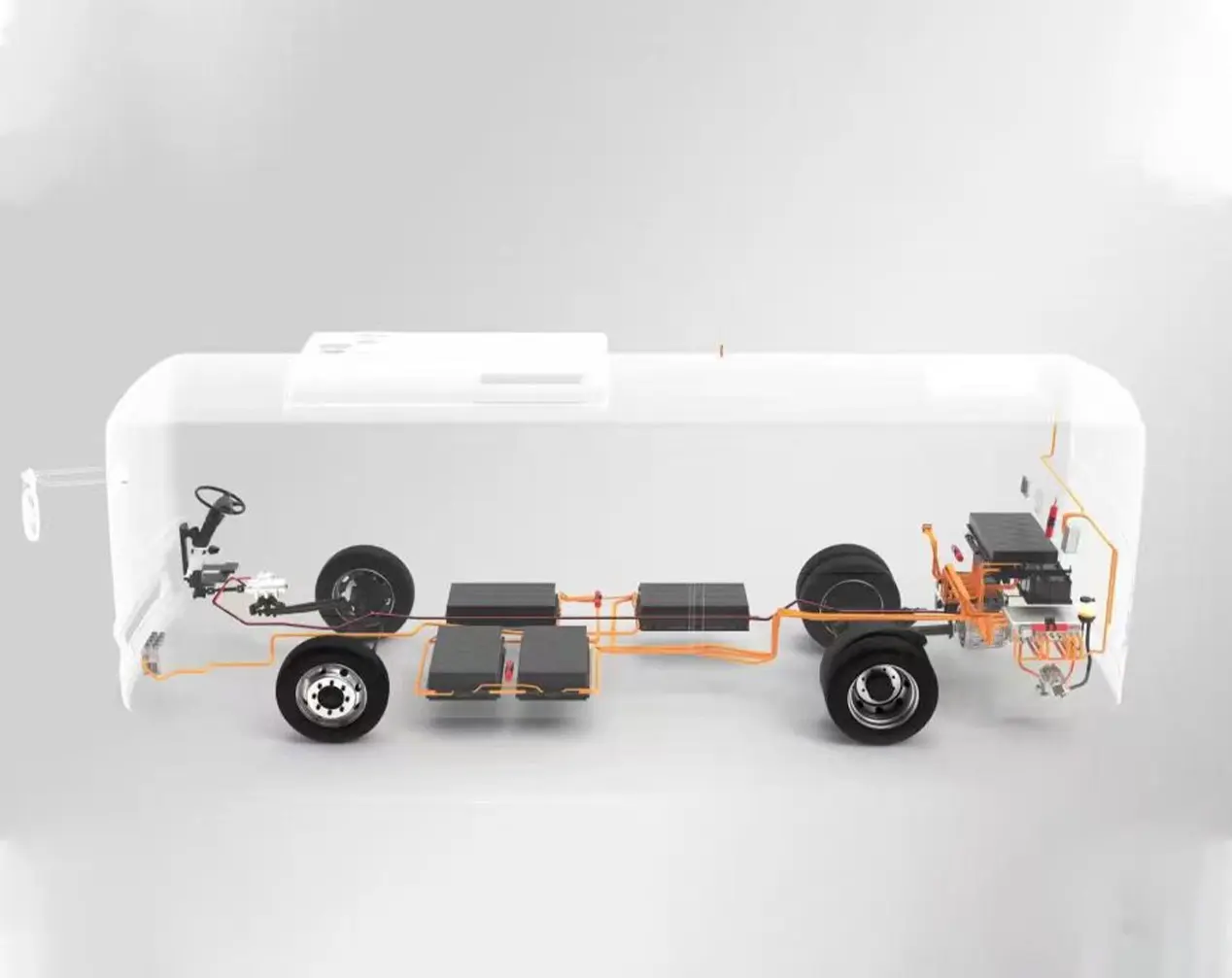
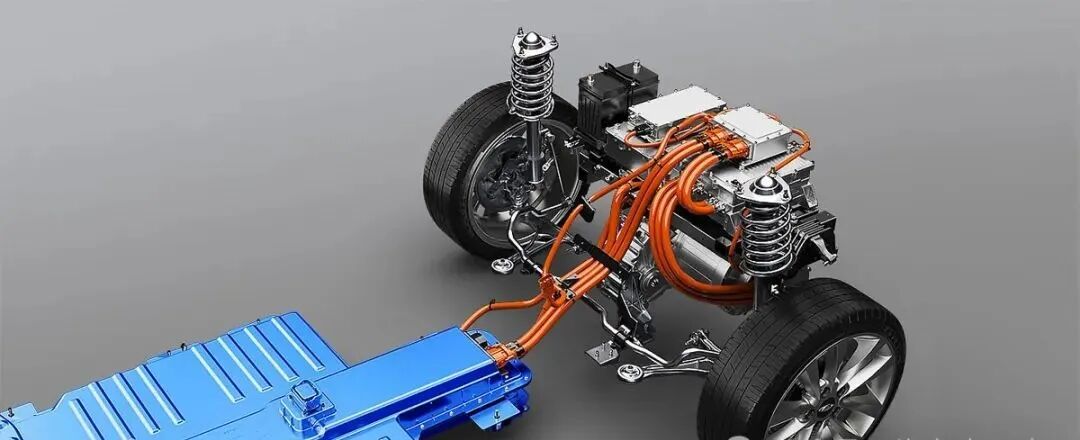
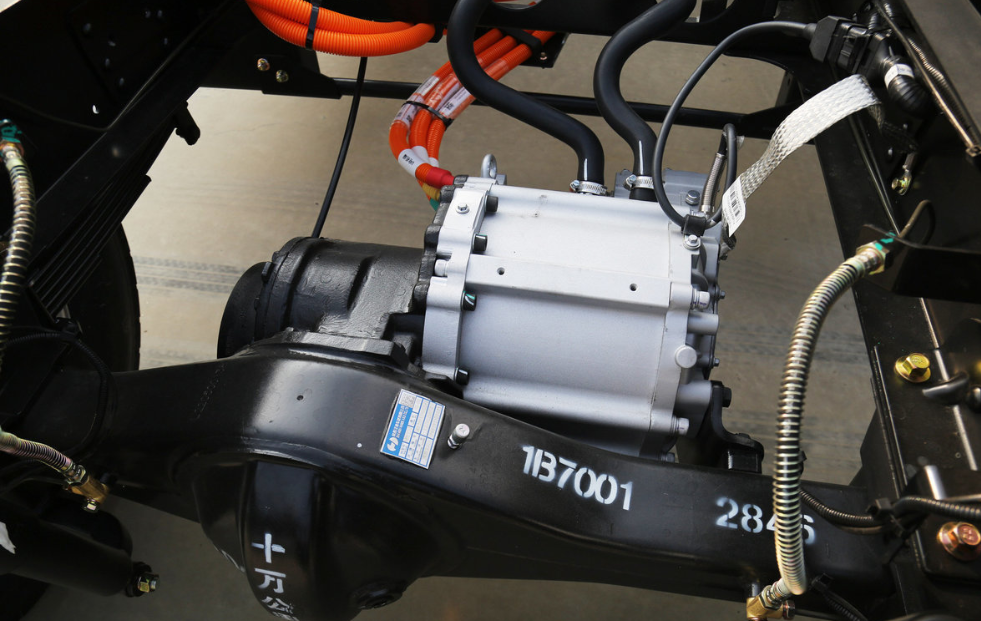
IV. Beyond the Motor: A Complete E-Drive System
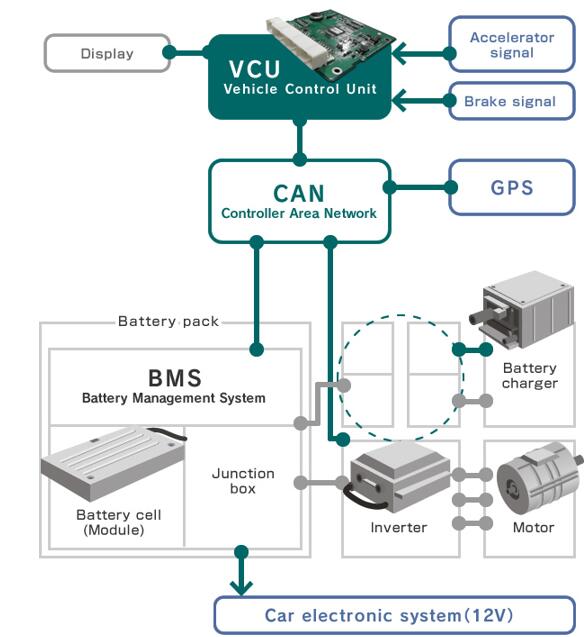
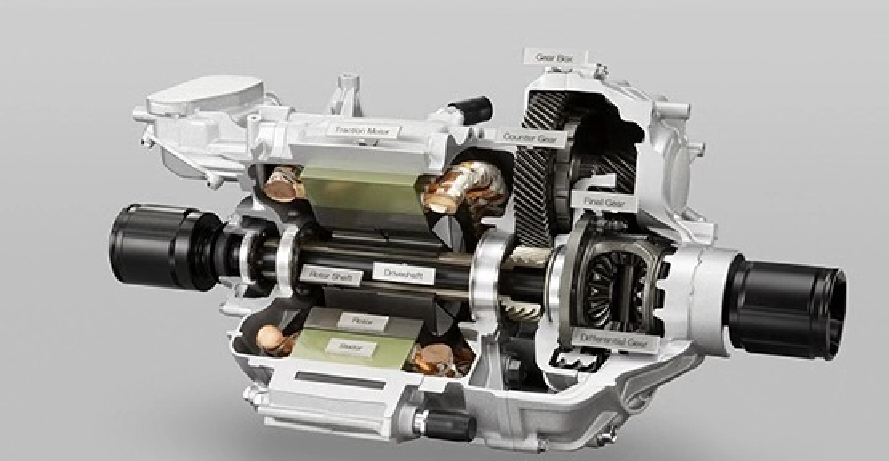
Choosing an EV motor is not just about selecting an arrangement of magnets or copper wire. It involves the synergy of the entire electric drive system:
-
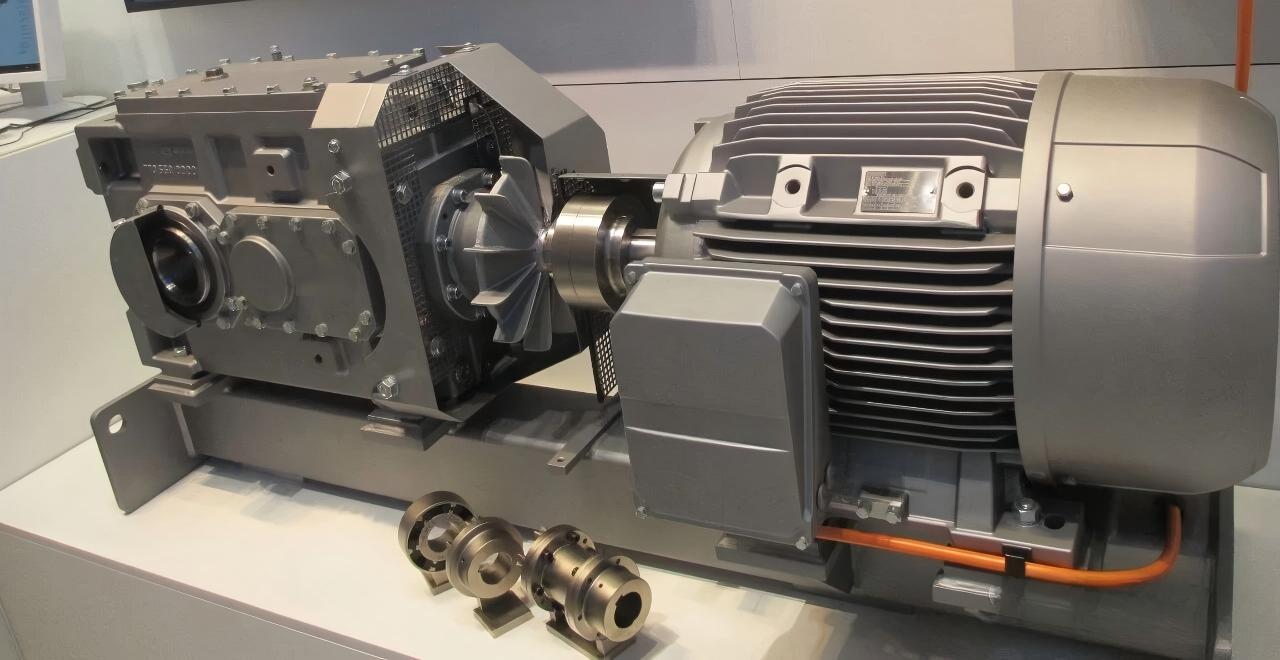
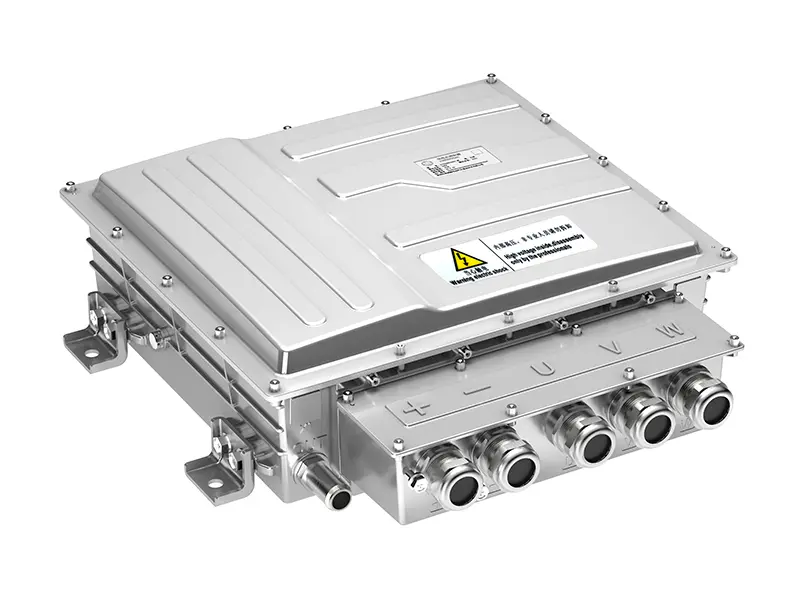
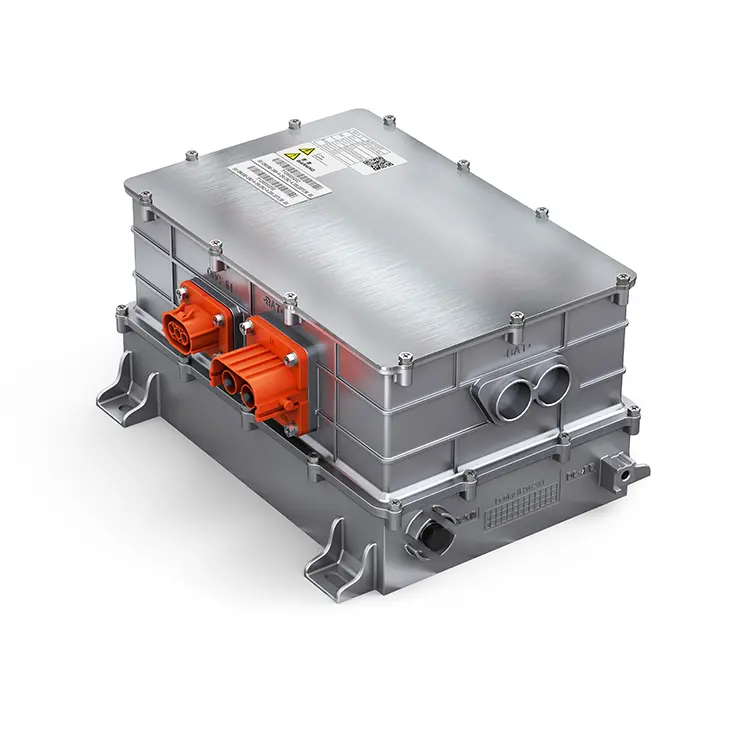
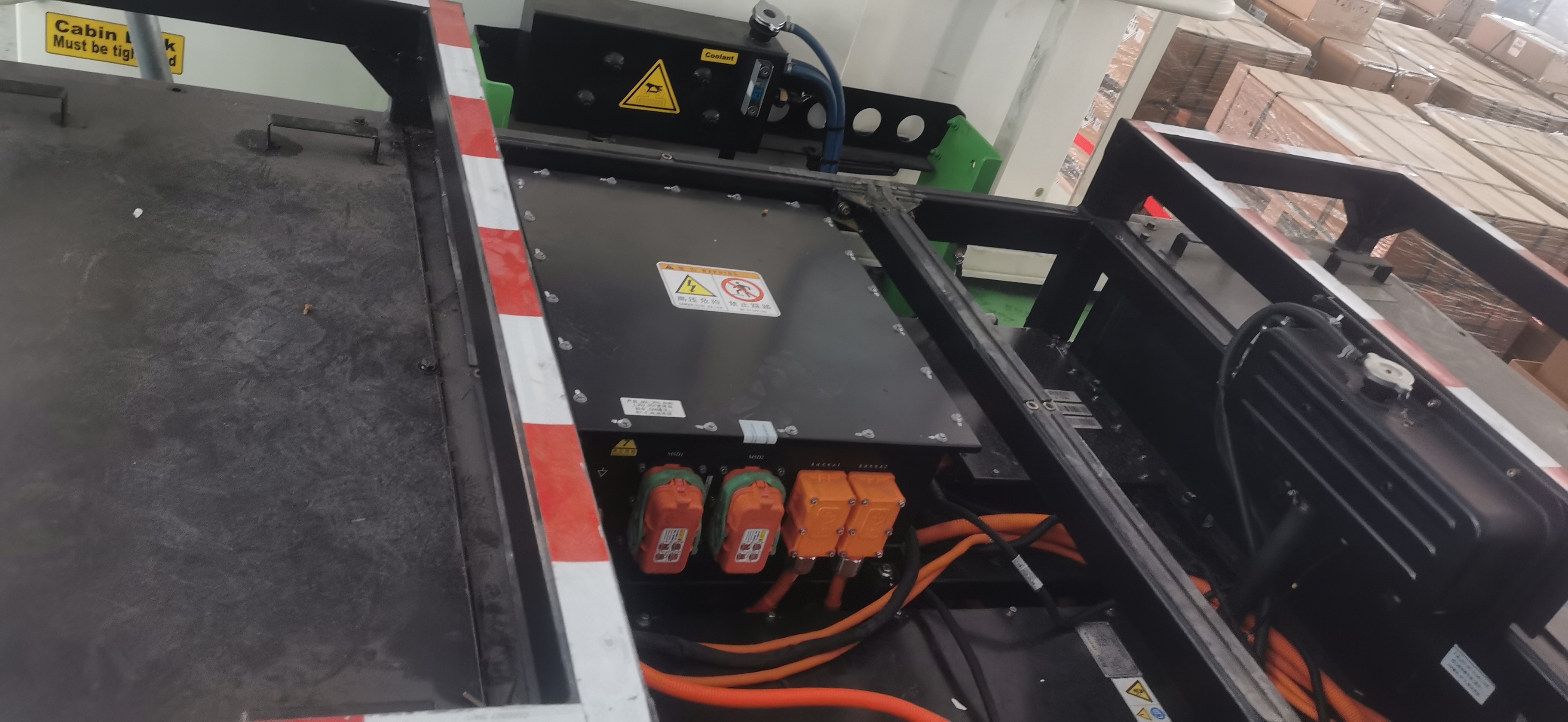
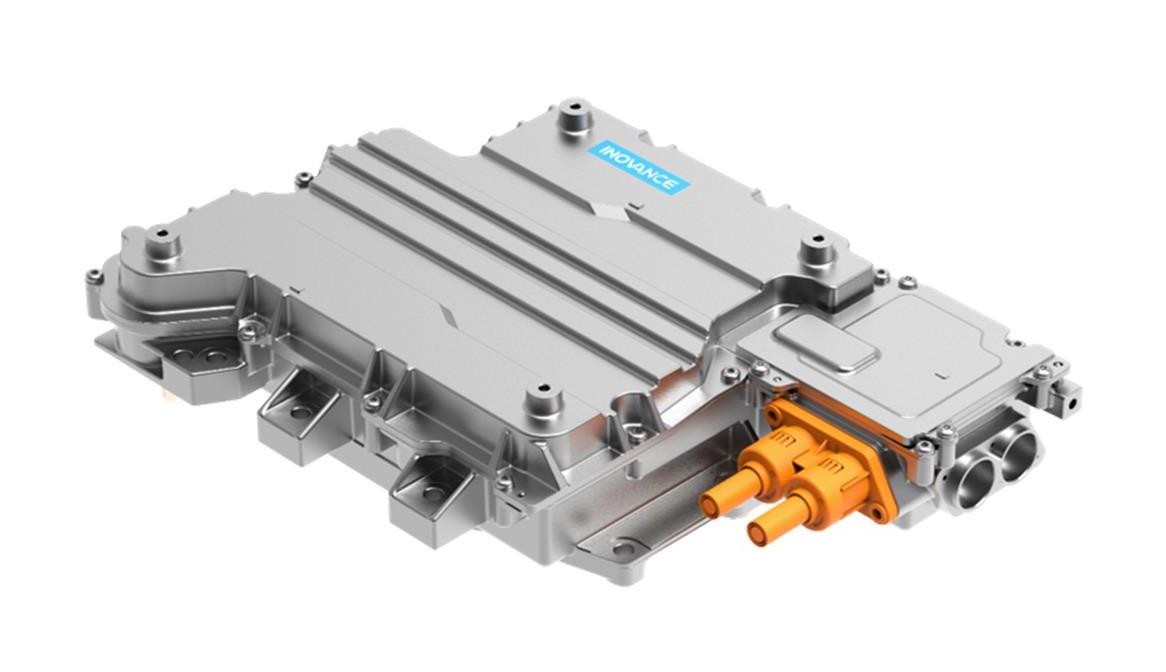
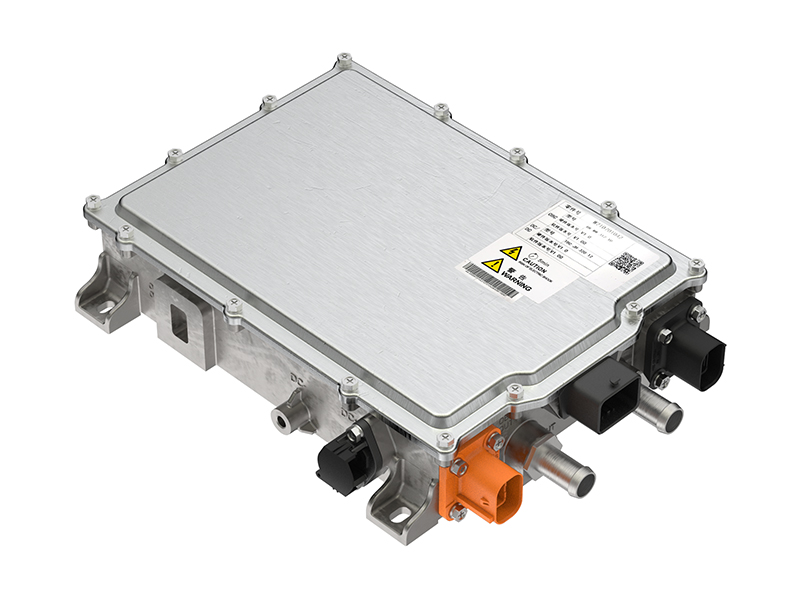
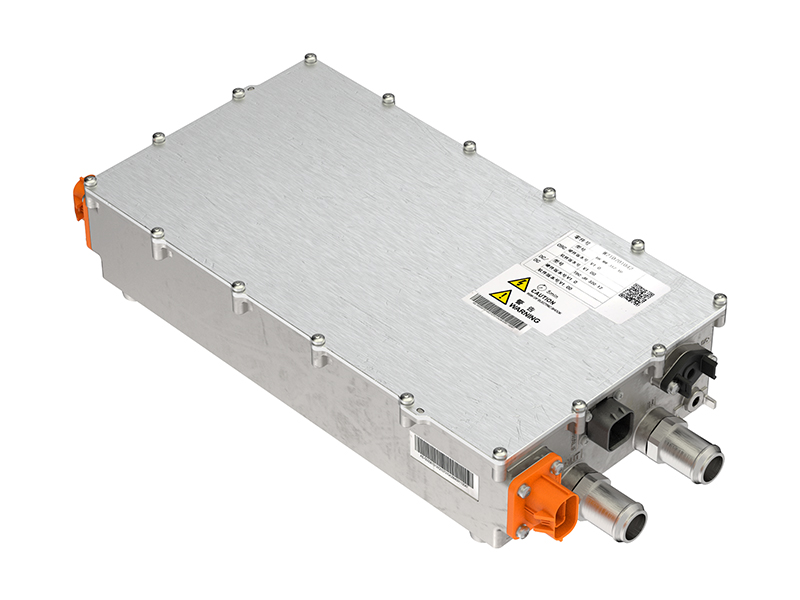
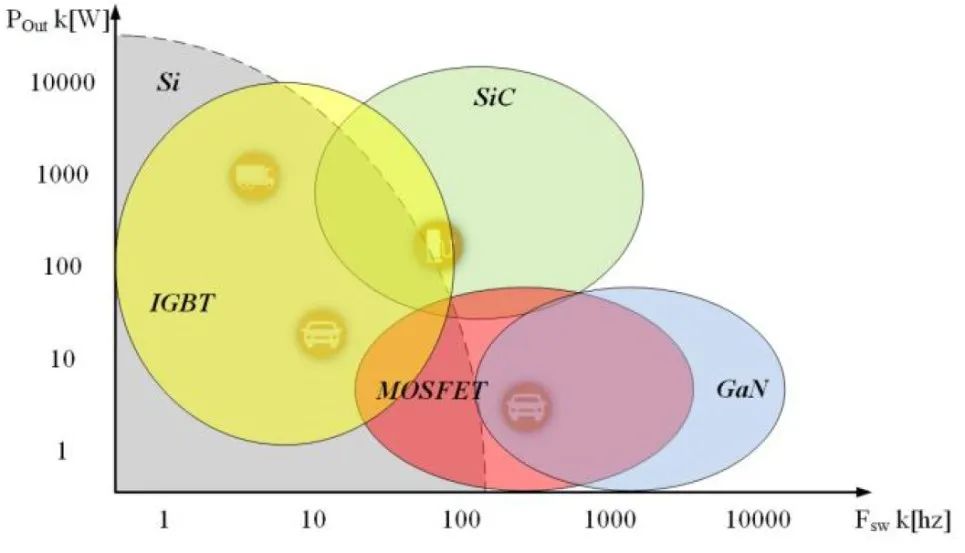
Inverter: The "brain" that converts DC battery power to the AC needed by the motor. The performance of its IGBT or SiC (Silicon Carbide) modules directly determines the motor's output efficiency and responsiveness.
-
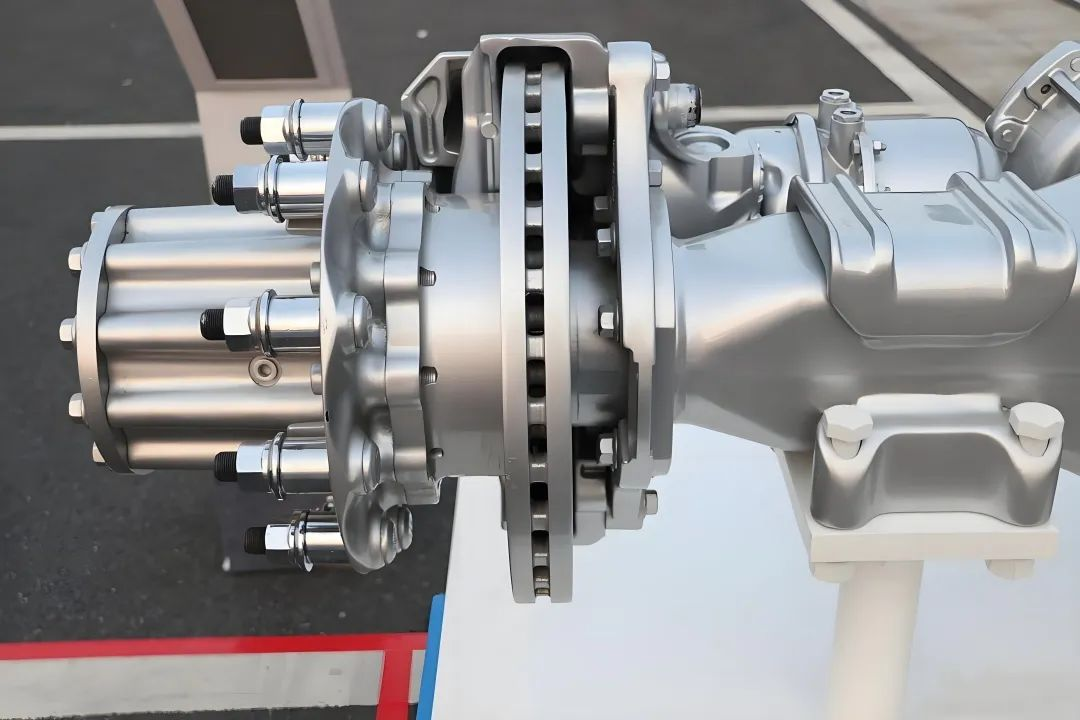
Reducer/Gearbox: EVs typically only need a single-speed reducer, but its transmission efficiency and NVH (Noise, Vibration, Harshness) performance are crucial.
-
Thermal Management System: The motor's sustained performance depends on heat dissipation capability. Advanced oil-cooling technology has become standard for high-performance motors.
-
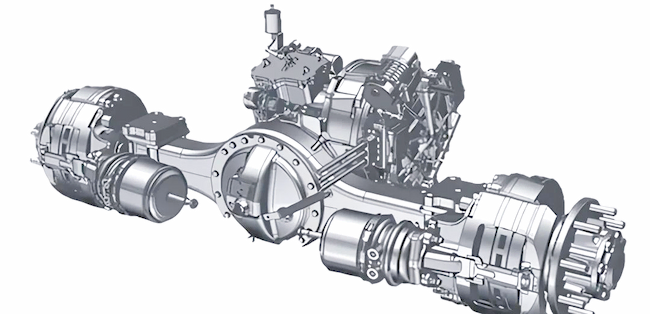
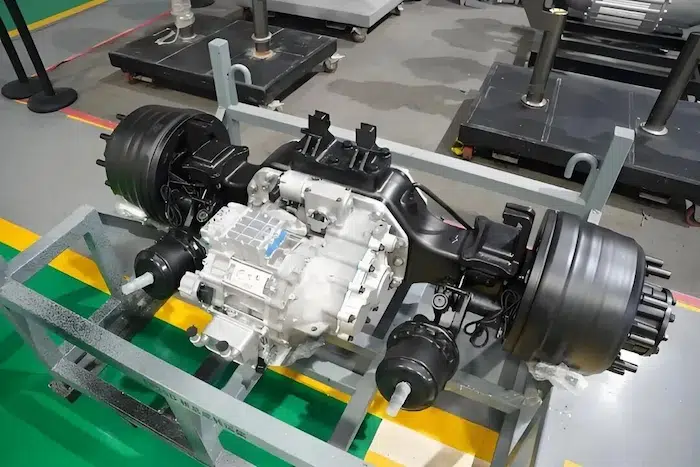
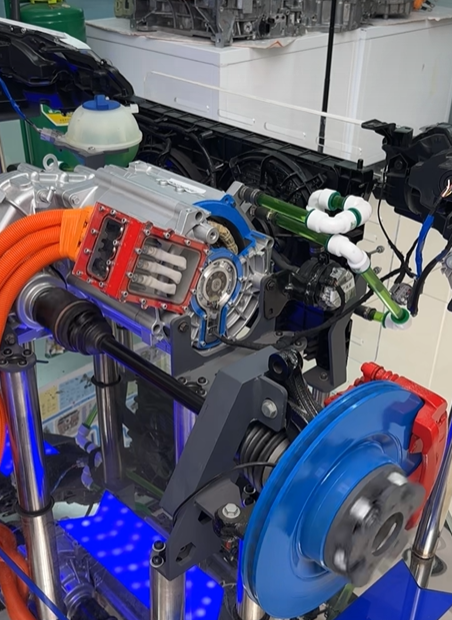
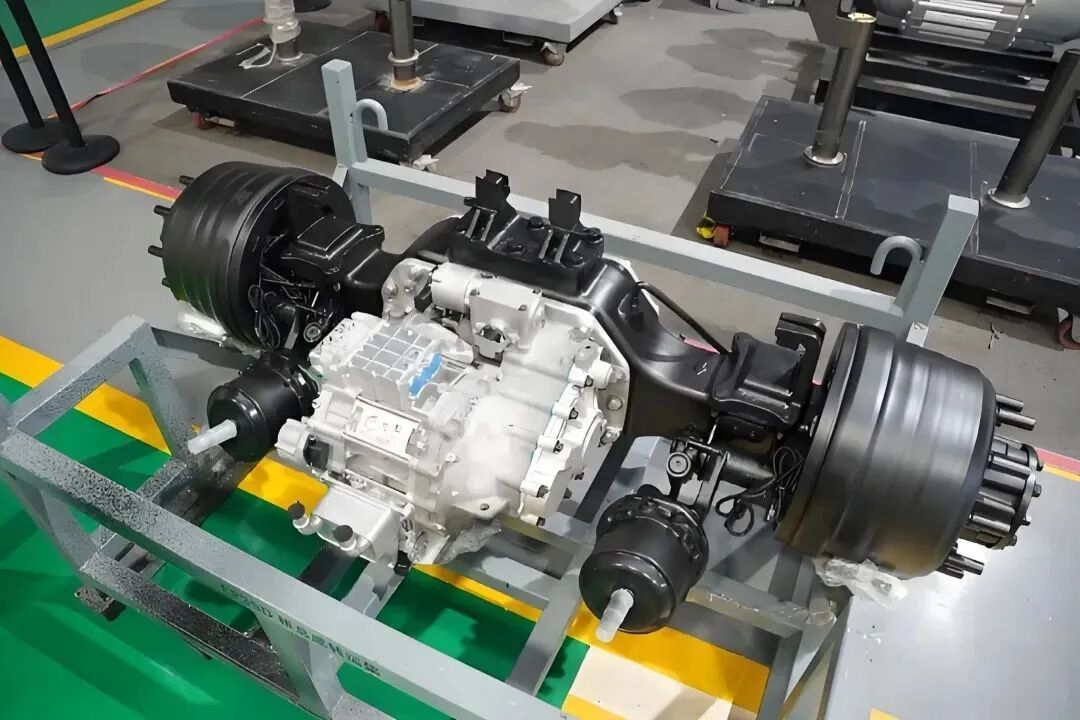
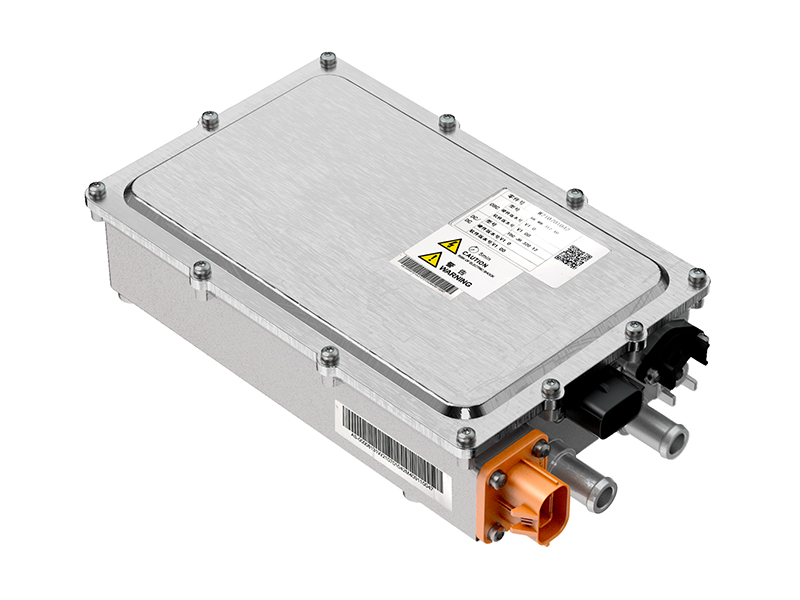
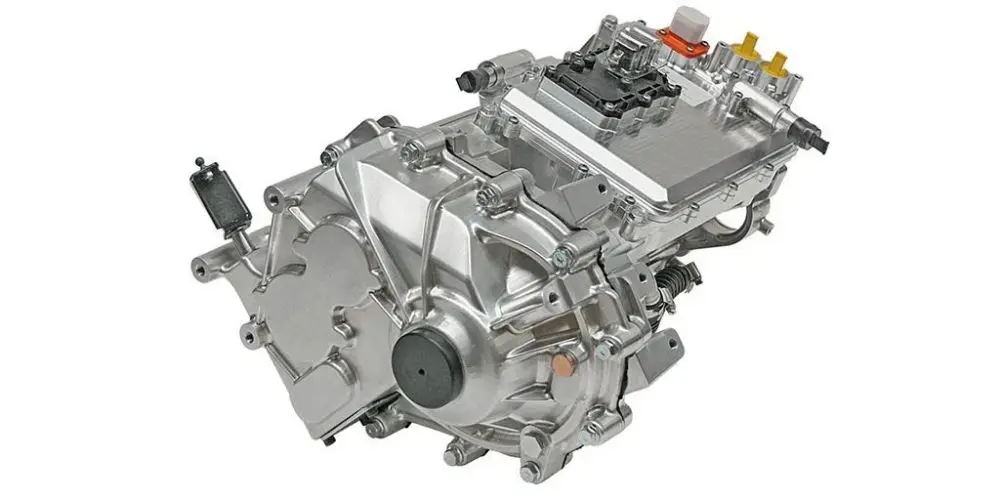
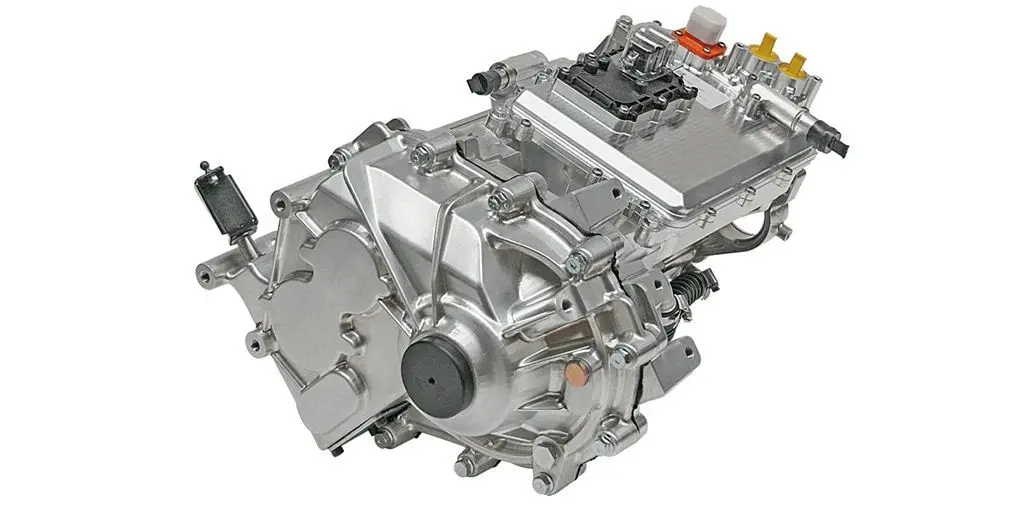
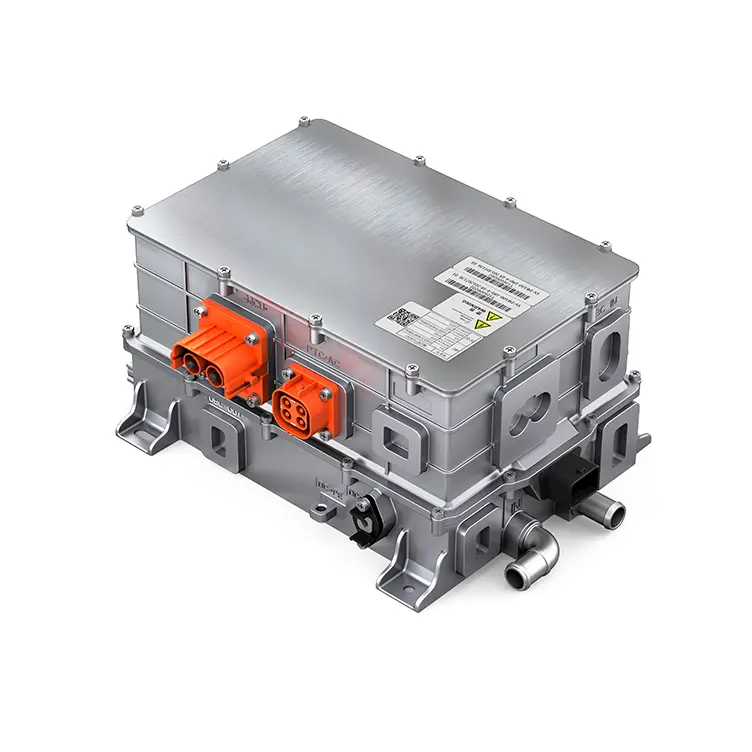
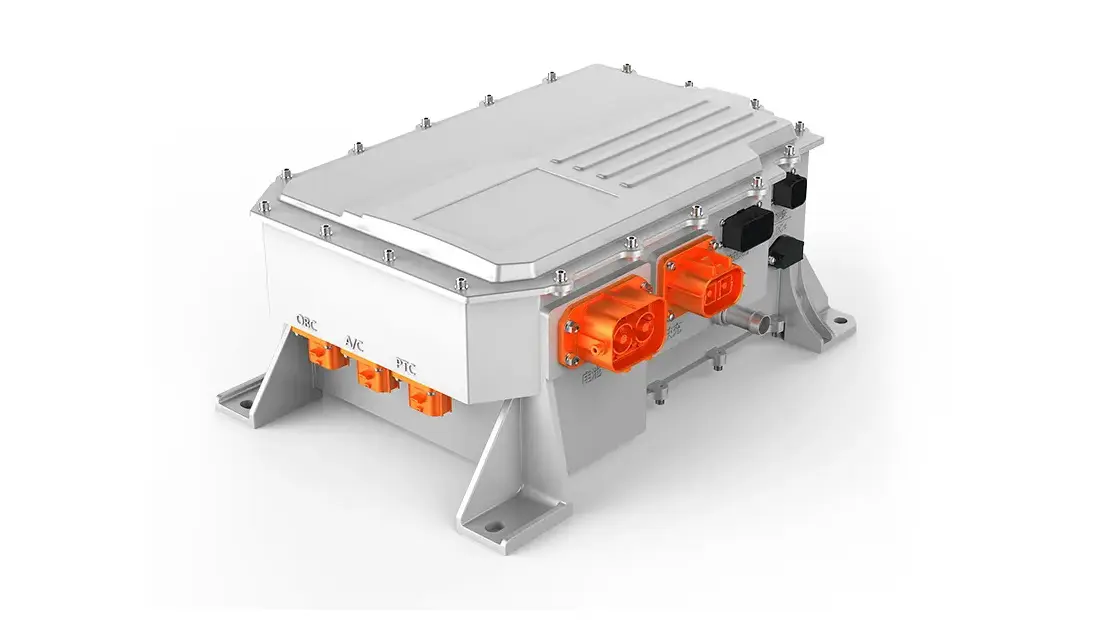
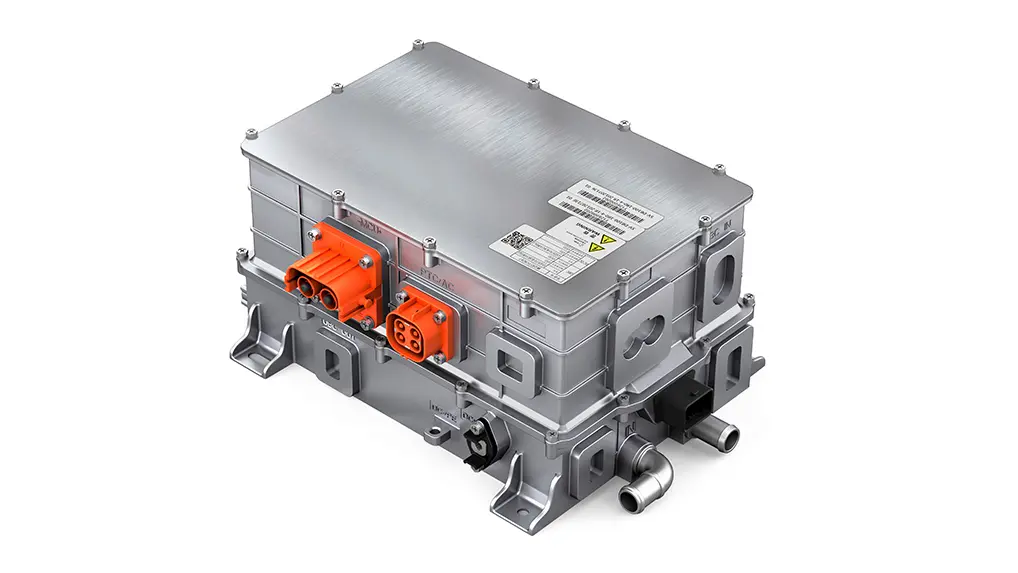
System Integration: Highly integrated "multi-in-one" e-drive systems (integrating motor, controller, reducer, onboard charger, etc.) are the current mainstream direction, significantly saving space and weight.
V. Deep Dive & Resource Acquisition: From Theory to Practice
For engineers, advanced enthusiasts, entrepreneurs, or automotive students, understanding these principles is just the first step. If you need to:
-
Obtain detailed technical parameters for specific motor models;
-
Source high-quality motors, controllers, or complete e-drive systems for conversions or prototype development;
-
Learn about the latest oil-cooling tech, SiC controllers, or integrated e-axle solutions;
-
Receive technical consultation for specific projects (e.g., EV conversion, vehicle electrification);
Then a professional, resource-rich platform is essential. We recommend visiting www.pumbaaev.com. The platform not only offers in-depth industry technical analysis and product reviews but also serves as a bridge connecting professional users with quality EV powertrain components and solutions. Whether you are engaged in academic research or practical engineering development, you can find valuable information and resources there.
Conclusion
Returning to the initial question: Which type of motors are used in EV? The answer is a dynamic technological matrix. Permanent Magnet Synchronous Motors (PMSM) dominate due to their top-tier efficiency; AC Induction Motors firmly hold their place in performance cars and mixed configurations thanks to their reliability and high-speed capabilities; while rare-earth-free technologies like the Electrically Excited Synchronous Motor (EESM) are poised for growth, representing a sustainable future. The choice of each motor reflects an automaker's precise calculations regarding performance, cost, range, and supply chain security.
The technological revolution of electric vehicles is far from over, and the evolution of motor technology will be one of its core drivers. To keep pace with this exciting technological transformation and turn knowledge into practice, be sure to bookmark and visit www.pumbaaev.com for the most cutting-edge, professional knowledge base and resource support in electric vehicle powertrain systems.