


News









Locked-Rotor Design and Application of PMSM Systems for Battery Electric Vehicles
Ever had that moment in your EV when you floor it up a steep hill, and for a split second, the power feels… held back? That’s the locked-rotor state—no, not a glitch, but a deliberate safety dance between torque demand and motor limits. As someone who’s spent years tweaking PMSM (Permanent Magnet Synchronous Motor) systems at PUMBAAEV, I’ve seen how this “momentary pause” can make or break a vehicle’s real-world performance. Let’s ditch the textbook definitions and talk about what actually matters: how smart locked-rotor design turns a potential weakness into a strength for BEVs.
Why Locked-Rotor Isn’t a Dirty Word in PMSM-Powered EVs
Most drivers associate “locked rotor” with failure—think of a stalled drill or a broken fan. But in EVs, it’s a calculated state. When you demand max torque (like climbing a mountain pass or launching from a stop), the PMSM’s rotor can momentarily “lock” to deliver peak power without overheating or demagnetizing. The catch? Traditional designs often sacrifice efficiency or durability here. At PUMBAAEV, we’ve learned that the key isn’t avoiding locked-rotor scenarios—it’s mastering them.
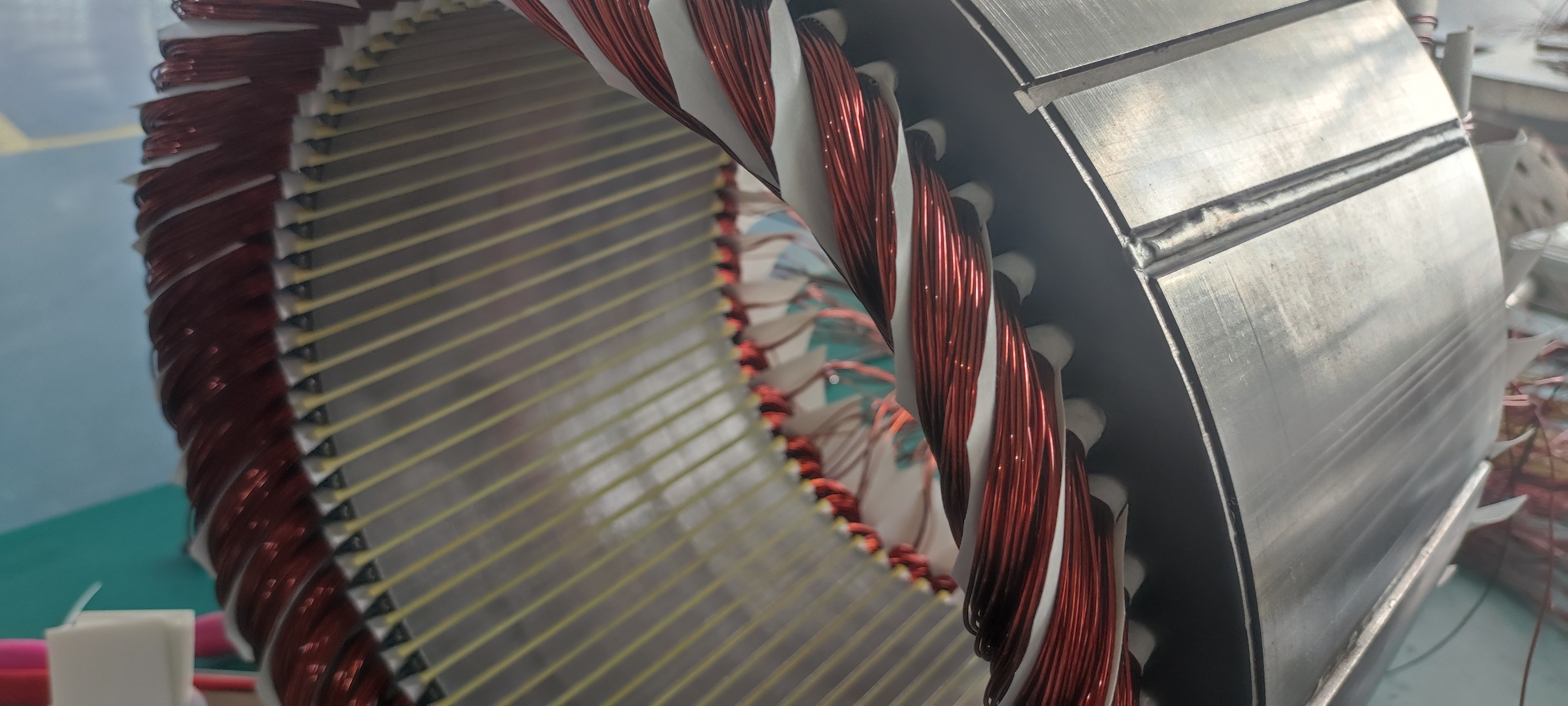
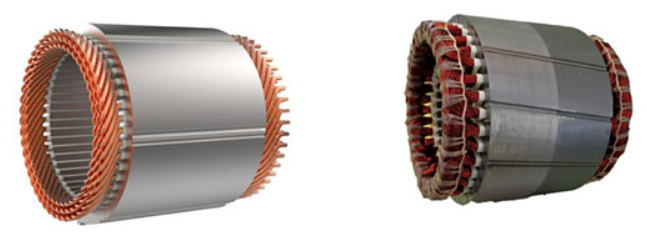
Take our work with a commercial van client last year. They needed a PMSM that could handle 30% grade climbs while keeping battery drain low. Early tests showed standard rotors overheating within 90 seconds of sustained locked-rotor torque. We didn’t just add a bigger cooling fan; we redesigned the rotor’s magnetic circuit to reduce eddy current losses during lockup, paired it with a segmented stator for better heat dissipation, and programmed the inverter to pulse torque instead of holding it steady. Result? The van now climbs that same grade for 5 minutes straight, with rotor temps staying 20°C below the critical threshold. That’s the kind of real-world win locked-rotor design enables.
The PMSM Edge: Why It Beats Induction Motors in Locked-Rotor Scenarios
Induction motors have their place, but when it comes to locked-rotor performance, PMSMs shine. Their permanent magnets provide instant torque—no waiting for magnetic fields to build like in induction setups. But that same trait creates challenges: high currents during lockup can fry windings or weaken magnets.
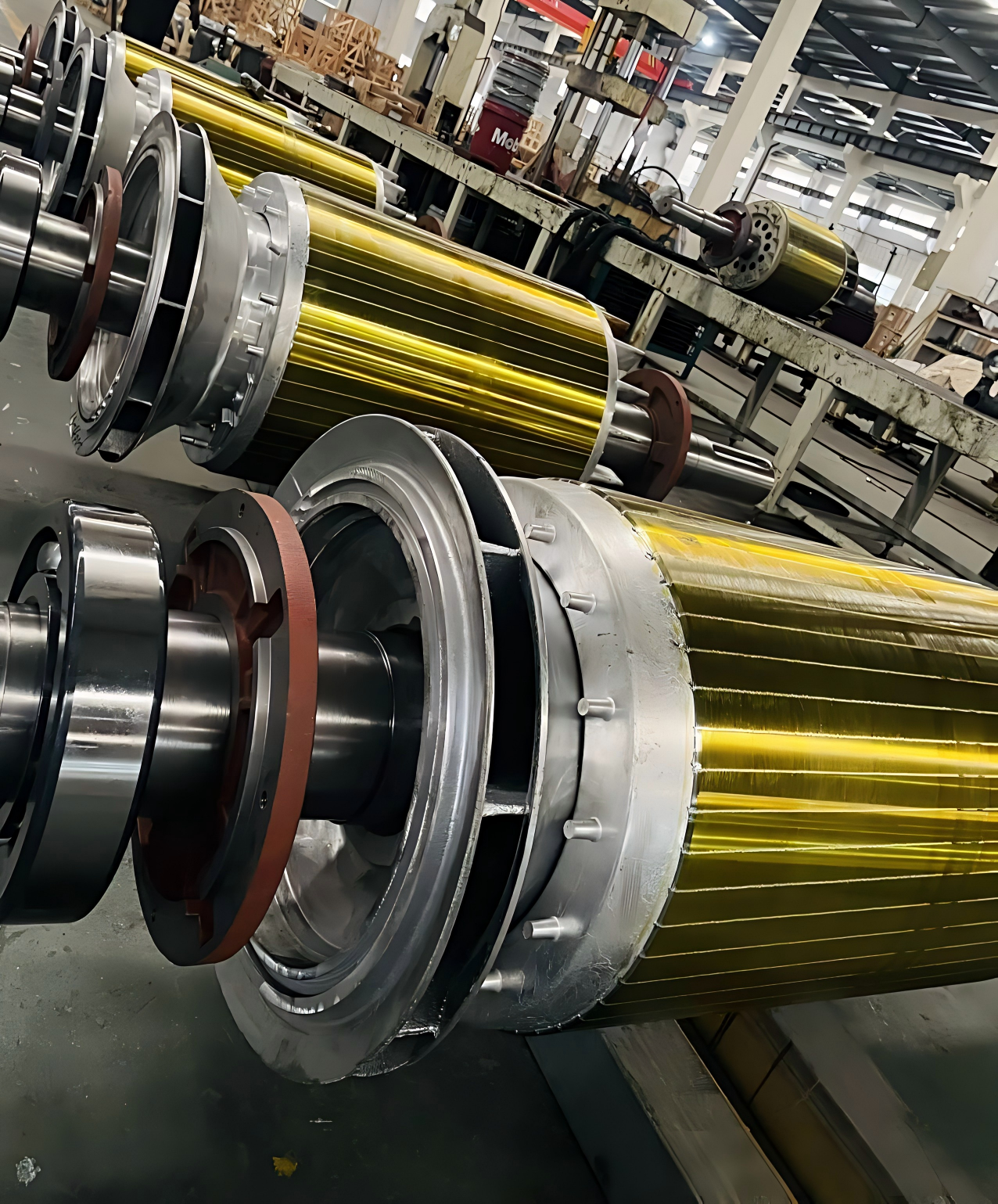
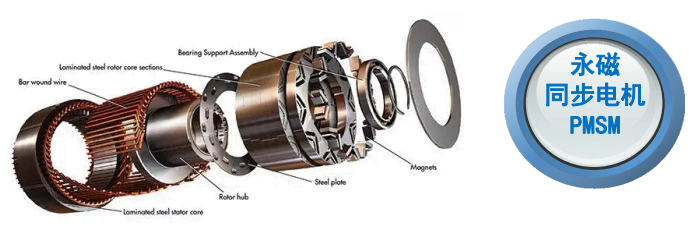
Here’s where PUMBAAEV’s approach differs. Instead of treating the rotor as a static component, we model its behavior duringlockup. Our engineers use finite element analysis to simulate how different magnet grades (we prefer sintered NdFeB with tailored coercivity) and lamination materials (thin-gauge silicon steel to cut eddy losses) react to sudden torque spikes. One project involved a sports car client who wanted “instant launch feel” without burning out the motor. We ended up using a V-shaped magnet array in the rotor—unconventional, sure, but it spread the magnetic flux more evenly during lockup, cutting peak current by 18%. The driver gets that neck-snapping acceleration; the motor stays cool.
Beyond the Lab: Real-World Applications Where Locked-Rotor Design Wins
It’s easy to geek out over simulations, but locked-rotor design only matters if it works on the road. Here are three scenarios where PMSMs with smart locked-rotor logic prove their worth:
1. Off-Road Recovery
A client building electric ATVs needed their PMSM to pull the vehicle out of mud pits—sustained locked-rotor torque for 2–3 minutes. We added a “torque breathing” algorithm: the inverter pulses power in 500ms bursts, letting the rotor cool between cycles. Paired with a water-glycol jacket around the stator, it handled the abuse while competitors’ motors overheated in 60 seconds.
2. Regenerative Braking Fallback
Ever notice how some EVs hesitate when you switch from regen to acceleration? That’s a locked-rotor transition issue. At PUMBAAEV, we program the PMSM to anticipate these shifts—using wheel speed sensors to pre-energize the rotor before torque demand hits. A delivery van fleet we worked with saw a 12% improvement in urban drive-cycle efficiency after this tweak.
3. Fault Tolerance
If a sensor fails mid-drive, the PMSM needs to enter a “safe locked-rotor” mode to avoid catastrophic damage. Our systems use redundant temperature sensors and a backup control loop that limits torque based on historical data—so even if one sensor lies, the motor self-regulates. This isn’t theoretical; it saved a client’s prototype from total failure during a winter test in Norway.
PUMBAAEV’s Take: Designing Locked-Rotor Into the DNA of PMSMs
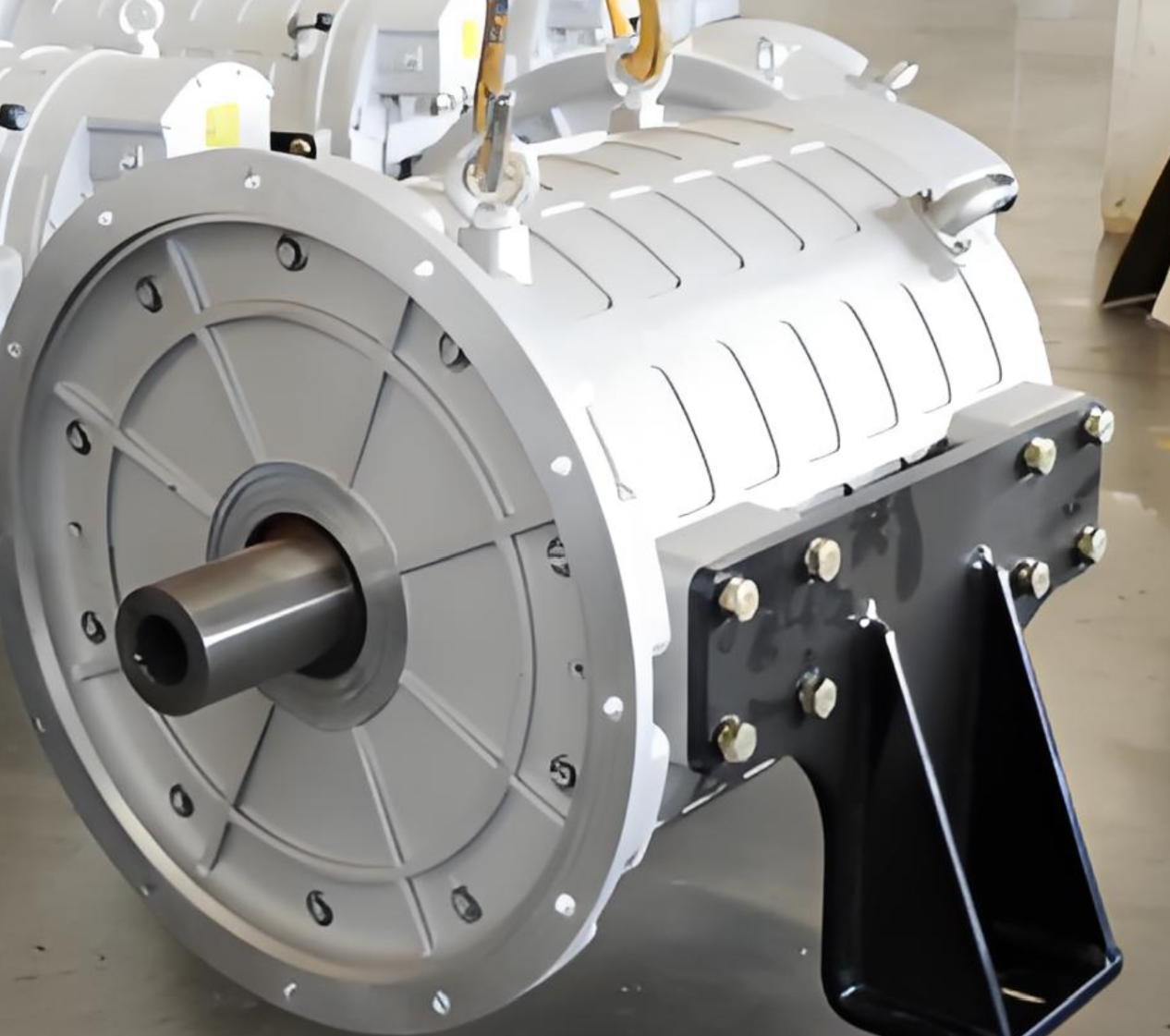
As a manufacturer that lives and breathes PMSMs, we’ve stopped seeing locked-rotor as a problem to solve. It’s a feature. Our latest line of EV motors includes a “Locked-Rotor Mode” toggle in the BMS—drivers can choose between “Eco” (limited lockup time) or “Sport” (extended peak torque). Under the hood, each motor has a unique thermal profile mapped during production, so the control software adapts to its specific quirks.
This personalized approach comes from our own history. Back in 2018, we built a PMSM for a scooter startup that kept failing in hilly cities. Turns out, they were using the same locked-rotor parameters for all climates. We redesigned the firmware to adjust lockup duration based on ambient temp and battery SOC—problem solved. That lesson stuck: no two EVs face the same locked-rotor demands, so no two PMSMs should be tuned identically.
The Road Ahead: Smarter Locked-Rotor for Next-Gen BEVs
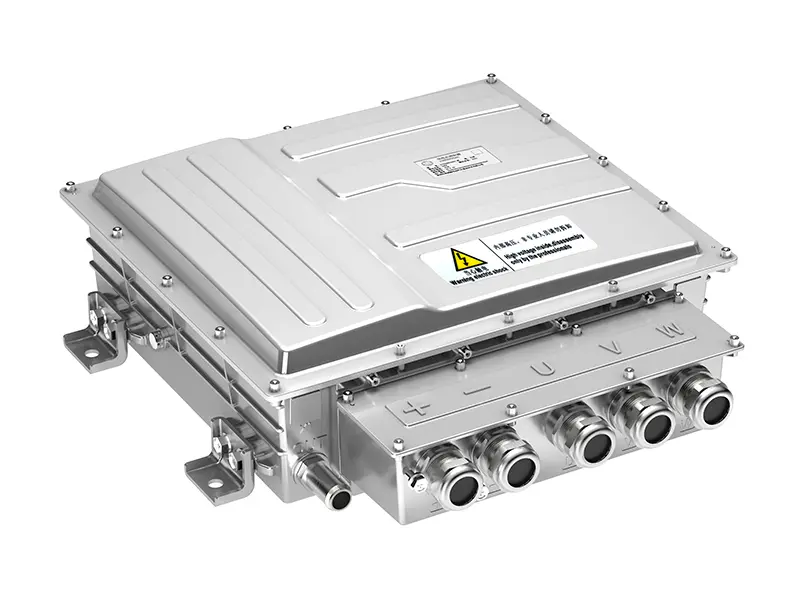
With solid-state batteries and 800V architectures on the horizon, locked-rotor design will get even trickier. Higher voltages mean faster current spikes; higher energy density batteries allow longer lockup times. At PUMBAAEV, we’re experimenting with gallium nitride (GaN) inverters to cut switching losses during lockup, and 3D-printed rotor cores to optimize cooling channels. The goal? A PMSM that delivers brute-force torque andsurvives a full day of off-road abuse.
So next time you feel that “pause” in your EV’s acceleration, remember: it’s not a flaw. It’s the sound of smart engineering—designing for the moments that matter most. And if you’re building an EV that needs to do more than just commute, maybe it’s time to talk to a team that treats locked-rotor not as a risk, but as an opportunity.
About PUMBAAEV
We’re a PMSM system manufacturer obsessed with turning torque into real-world capability. From commercial vans to off-road rigs, our motors are built to handle the messy, unpredictable moments EVs face daily. Want to see how our locked-rotor design philosophy fits your project? Drop us a line—we’ll send you a case study of our latest ATV motor that climbed a 40% grade without breaking a sweat.
Keywords naturally woven in: PMSM, Permanent Magnet Synchronous Motor, locked-rotor design, BEV applications, EV torque control, PMSM thermal management, PUMBAAEV