


News







Diesel Out, Electric In: Ship Power Systems Are Being Remined by Motors
The global shipping industry stands at a historic turning point. With the enforcement of increasingly stringent carbon emission regulations by the International Maritime Organization (IMO) and a global imperative for sustainable shipping, the traditional diesel engine power system is undergoing a profound transformation. At the core of this change is the rise of electric drive systems and motor technology, which are fundamentally redefining ship power architecture and steering the industry toward a more efficient and cleaner future.
Paradigm Shift: From Mechanical Transmission to Integrated Electric Propulsion
For over a century, diesel engines have dominated as the absolute power source for ships, valued for their reliability and high power density. However, their disadvantages are evident: high emissions, significant noise, limited potential for energy optimization, and the inflexible layout of complex mechanical transmission systems.
Modern electric drive systems have revolutionized this landscape. Their core principle is the separation of power generation and propulsion:
-
Prime Movers (such as diesel engines, gas turbines, and even fuel cells) focus on efficient electricity generation.
-
Electrical power is distributed flexibly throughout the ship via an electrical network.
-
Motors act as the final actuators, converting electrical energy into mechanical energy to drive propellers or various auxiliary machinery.
This "integrated power system" offers revolutionary advantages: extremely flexible layout, significantly improved energy efficiency, paves the way for new energy sources like lithium batteries and hydrogen, and greatly enhances ship maneuverability and comfort.
Core Power: Diversified Innovation in Marine Motors
Motors are no longer simple power devices but highly specialized core components tailored to the ship's varying functional requirements. The superior performance of electric drive systems is built upon this diversified motor technology:
-
Main Propulsion Motors: The Ship's "Electric Heart"
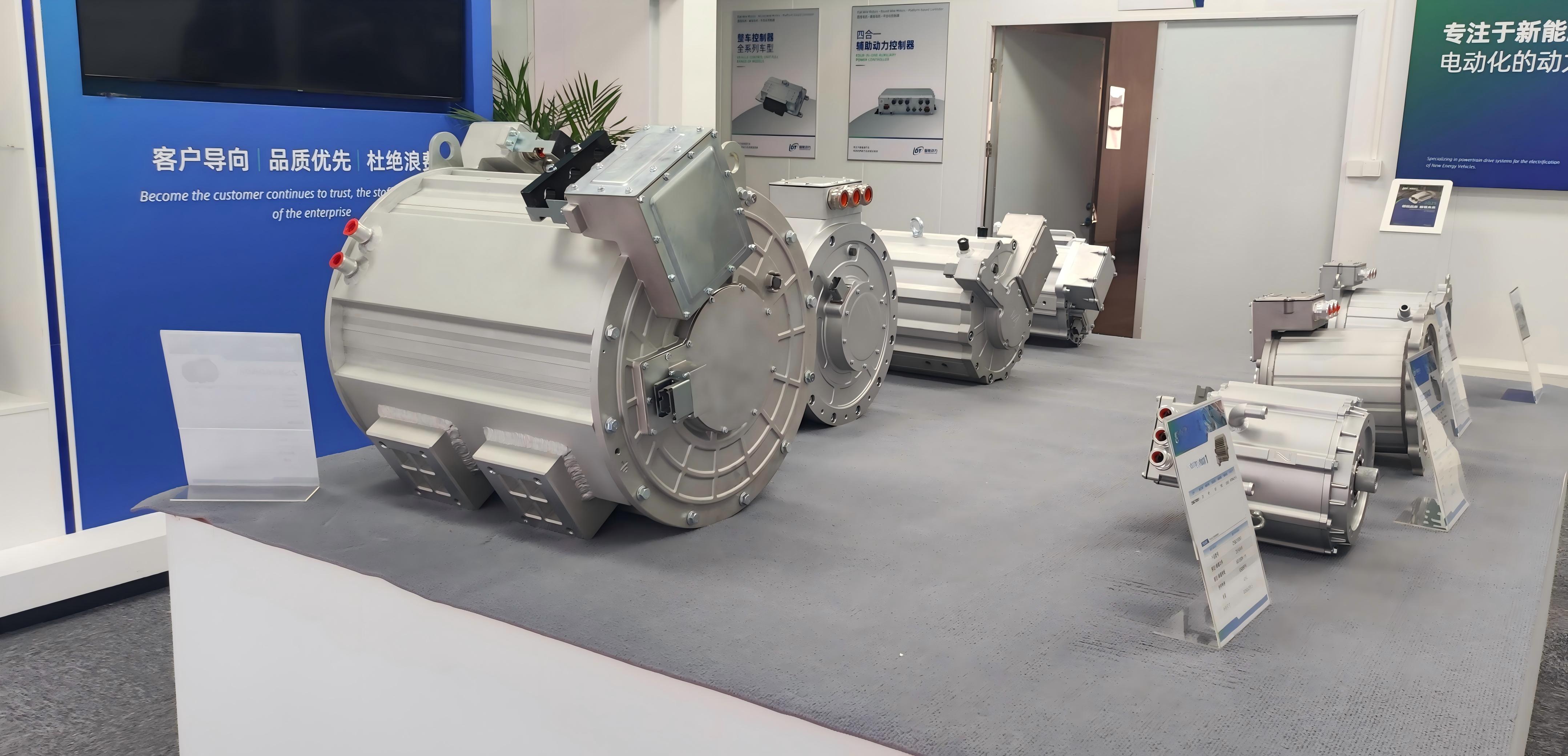
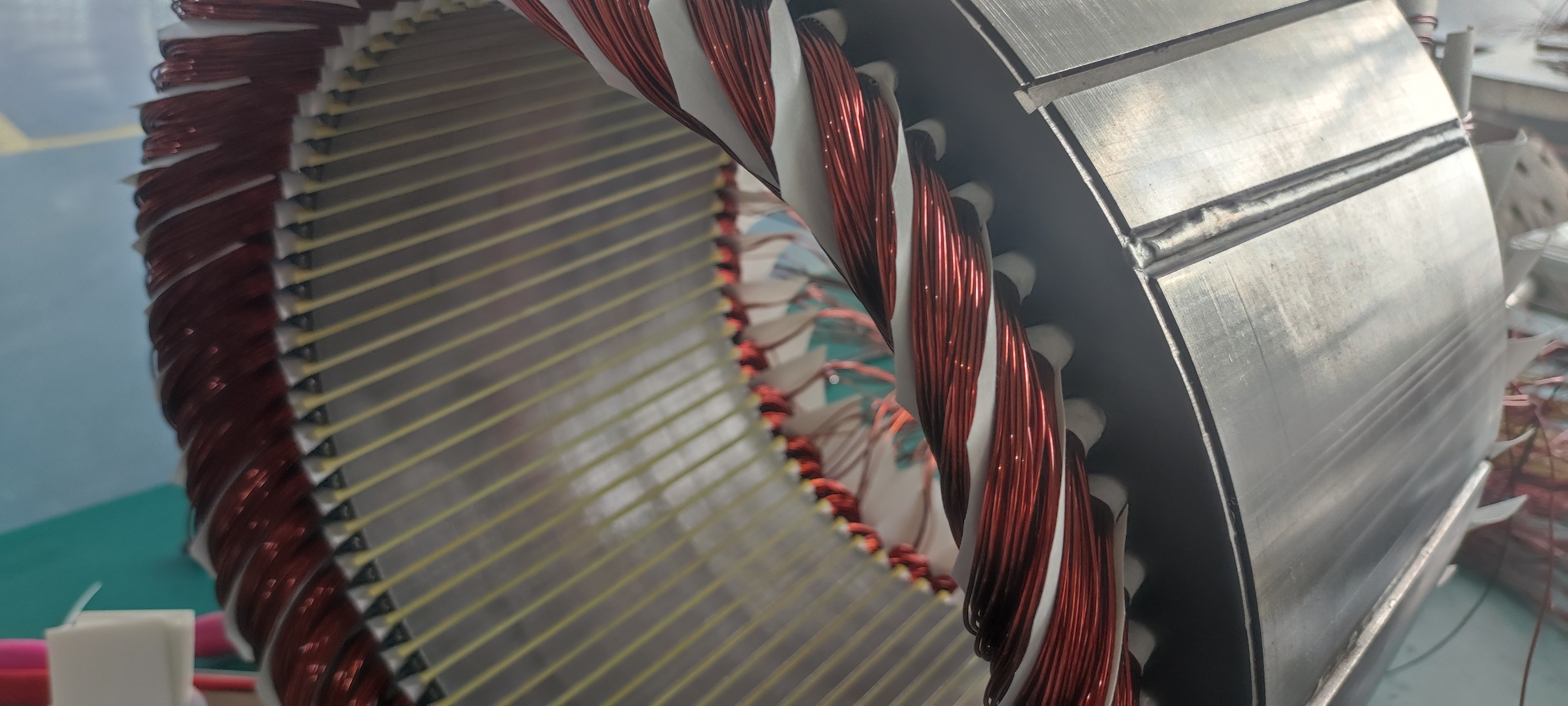
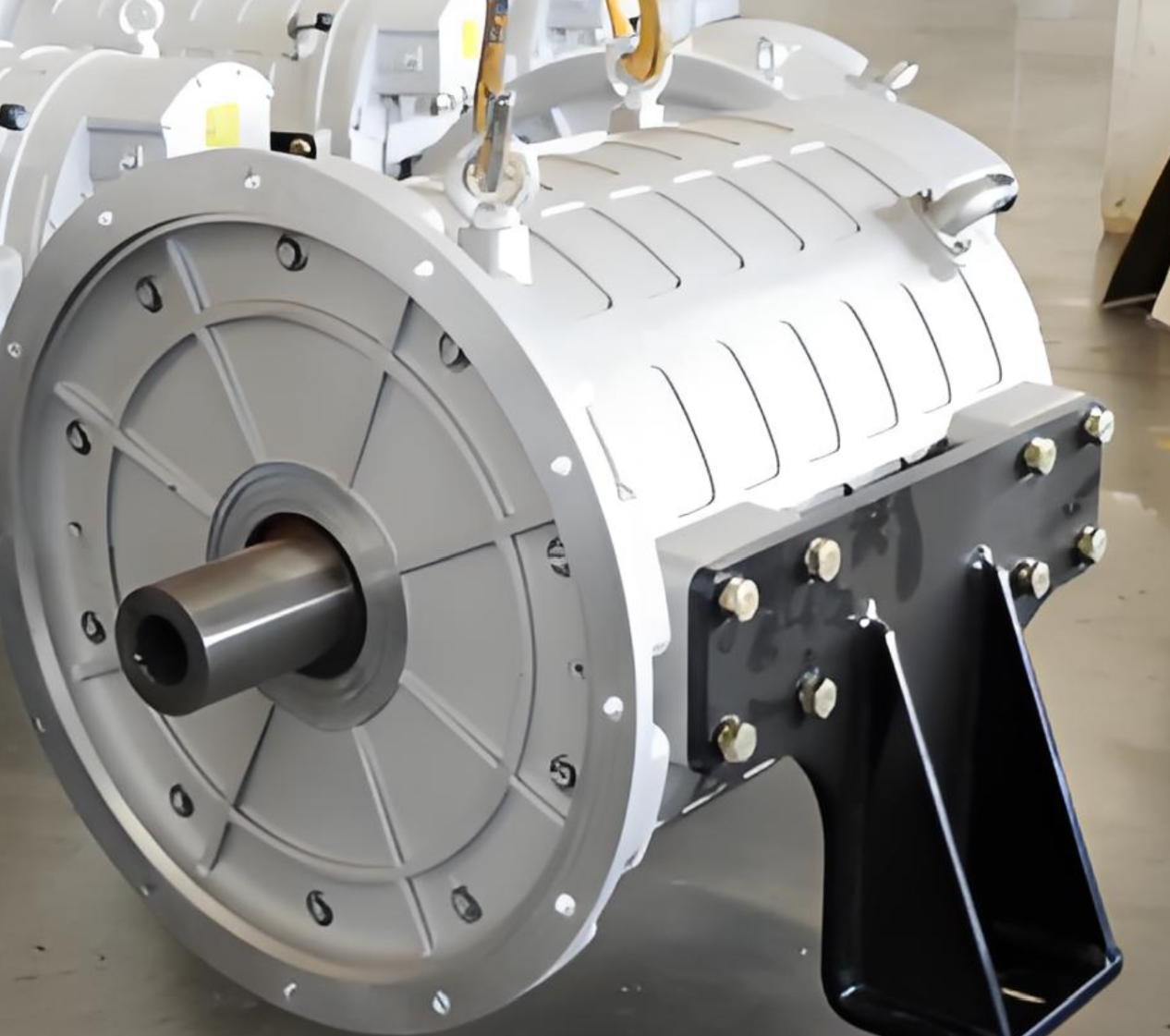
As the power source replacing the main engine in directly driving the propeller, modern propulsion motors can achieve power ratings in the tens of megawatts. To deliver massive thrust within limited engine room space, they often employ medium-voltage (e.g., 3.3kV, 6.6kV, 11kV) power supply, multi-pole low-speed designs, and integrate advanced water-cooling or hybrid cooling technologies. For instance, the "inner-circulation + outer-circulation" composite cooling scheme adopted by some leading manufacturers has successfully addressed heat dissipation challenges at high power densities, substantially reducing motor volume and weight while significantly boosting power density, meeting the stringent demands for compact propulsion systems on large cruise ships and container vessels.
-
Maneuvering and Positioning Motors: Agile "Electric Helmsmen"
This includes motors for bow thrusters and azimuth thrusters (Azipod®). These motors emphasize high torque, rapid dynamic response, and precise control to enable agile ship handling and dynamic positioning (DP). They typically feature vertical structures with exceptional environmental adaptability, capable of stable operation under high vibration, humidity, and even extreme cold conditions.
-
Auxiliary Equipment Motors: The "Silent Cornerstones" of the Ship-wide System
From pumps and fans to compressors and deck machinery, auxiliary equipment across the ship is increasingly driven by high-efficiency motors. The trend is towards variable frequency drive-controlled permanent magnet or induction motors, enabling on-demand power supply. This eliminates the energy waste of "using a large motor for a small load" and is key to reducing the ship's "hotel load" energy consumption.
Application Scenarios of Marine Motors
A wide variety of motors, numbering in the hundreds or even thousands, are installed on large vessels and play critical roles across propulsion, maneuvering, and various auxiliary systems. For example, China's first domestically built large cruise ship is outfitted with over 20,000 sets of motor equipment, covering 136 subsystems, from HVAC to fire pumps.
Safe navigation and daily operations depend heavily on the normal functioning of these motors. A failure in any single motor can affect the propulsion system or critical equipment, potentially endangering the voyage. Therefore, marine motors are typically required to possess high reliability and the ability to withstand harsh environments.,Due to the high humidity, salt spray corrosion, and intense vibration and shock at sea, marine motors must incorporate special designs for moisture-proofing, corrosion resistance, and vibration resistance.
Many marine motors operate continuously year-round in damp, vibrating environments. Improper maintenance can lead to faults like insulation aging or bearing wear. Design and usage must emphasize regular inspection, maintenance, improved cooling, and vibration isolation to ensure stable and reliable motor operation. Marine motors are widely used in main propulsion, electric propulsion units, thrusters/bow thrusters, deck machinery, pumps, HVAC, and other scenarios. Their performance is directly related to the vessel's overall performance and safety.
Technological Frontier: Powering the Future of Green Shipping
Currently, technological development in marine motors and electric drive systems is focused on three main directions:
-
Ultra-High Efficiency and Permanent Magnetization
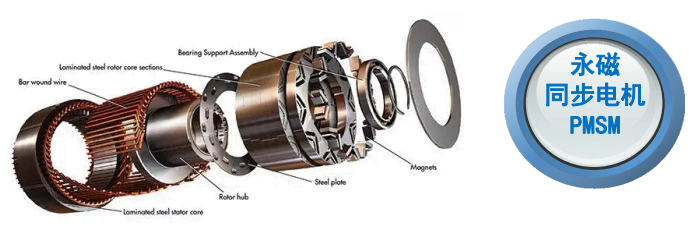
Improving motor efficiency is a direct path to emission reduction. Ultra-efficient IE4/IE5 class motors have become the preferred choice for newbuilds. Among them, Permanent Magnet Synchronous Motors (PMSM), with their high power density, high efficiency, and high torque performance, are gaining rapid momentum in propulsion and power generation, becoming the core of the new generation of "green power."
-
System Integration and Intelligence
Modern electric drive systems are highly integrated wholes. Motors are deeply integrated with frequency converters, transformers, and Energy Management Systems (EMS). Intelligent monitoring systems based on digital twins and the Internet of Things (IoT) can analyze motor health in real-time, enabling predictive maintenance and maximizing operational reliability and efficiency.
-
Adaptation to Diverse Energy Sources
Future ship energy will be hybrid. Electric drive systems, due to their inherent compatibility, can seamlessly integrate diesel generation, lithium batteries, fuel cells, and even shore power. Motors, serving as the unified power output port, allow ships to achieve optimal propulsion performance regardless of the primary energy source used.
Types and Technical Characteristics of Marine Motors:
Based on the varying needs of ship systems, marine motors have evolved into numerous specialized types:
-
Main Propulsion Motors: Serving as the main propulsion power source for vessels, their power range can reach several megawatts. These are typically high-voltage, high-power motors, with standard voltage levels including 690V, 3kV, 6kV, 10kV, and power ratings reaching thousands or even tens of thousands of kilowatts. To deliver immense power within limited space, propulsion motors often use high-pole, low-speed designs (750~1200 rpm) and efficient cooling methods. Most mainstream large propulsion motors are equipped with water-cooling or composite cooling systems to improve heat dissipation efficiency. A certain type of propulsion motor developed by domestic manufacturers pioneered an "inner-circulation + outer-circulation + air + seawater" hybrid cross-cooling technology. This successfully resolved heat dissipation bottlenecks for high-current, high-power motors under low-voltage conditions, reducing the weight and volume of motors of the same power to 60% of the original and improving overall efficiency by approximately 20%. Such innovative designs effectively enhance motor power density, meeting the stringent demands of large cruise ships and other vessels for high-power, compact propulsion motors.
-
Ship Maneuvering and Positioning Motors: These include motors for bow thrusters (side thrusters) and azimuth thrusters (Azipod). These motors typically feature vertical installation and high-torque-output designs, emphasizing rapid start-stop and speed regulation performance to meet ship maneuverability requirements. They must possess excellent moisture-proof, vibration-resistant, and low-temperature tolerance to withstand locations prone to dampness and impact, such as bow compartments, and remain reliable even in icy conditions during polar navigation. Structurally, these motors are usually compact for easy installation in limited hull spaces and convenient maintenance.
-
Auxiliary Equipment Motors: A large number of auxiliary shipboard equipment, including various pumps, fans, compressors, and winch cranes, are driven by small and medium-sized electric motors. They are divided into low-voltage and high-voltage categories based on load requirements. Low-voltage auxiliary motors are mostly in the 380–690V voltage range, with power from several kilowatts to several hundred kilowatts, typically featuring Totally Enclosed Fan-Cooled (TEFC) construction, emphasizing simplicity and reliability. High-voltage auxiliary motors generally operate at 3–6kV, with power up to several thousand kilowatts, used for heavy-duty applications like large pumping and compression equipment. They usually employ enhanced cooling designs like duct ventilation or water cooling. Certain special environments, such as high-temperature engine room areas or submerged pumps, require specialized motors with water-cooling jackets or explosion-proof enclosures to ensure safe operation in high-temperature, explosion-proof, or underwater conditions. With technological advancement, new marine motor forms are entering practical use, including PMSMs for propulsion and power generation, high-speed motors for specific auxiliaries, and DC motors in special-purpose vessels. This diverse product range allows a leading enterprise to often cover a product line of over 30 series and 2,000 varieties of marine motors to meet the needs of various ships.
Marine Motor Technology Development Trends:
The marine motor industry is currently accelerating innovation around three main directions: efficiency, green technology, and intelligence, with various new technologies and collaborations emerging:
-
High Efficiency, Energy Saving, and Ultra-High Efficiency Class Motors: Improving motor efficiency to reduce energy consumption and emissions is a primary industry trend. Internationally, ultra-efficient IE5 class motor products have been introduced, with efficiency far surpassing traditional motors, accelerating the energy-saving transformation of the shipbuilding industry.
-
Permanent Magnet Synchronous Motors and New Motor Topologies: Due to their high efficiency, high power density, and good speed regulation performance, permanent magnet motors are receiving increasing attention in the maritime industry. Especially in large all-electric or hybrid propulsion systems, megawatt-class PMSMs are gradually becoming core equipment. Domestic enterprises have also made significant breakthroughs, with products fully meeting stringent classification requirements. Compared to traditional motors, these high-power permanent magnet motors offer outstanding advantages such as high efficiency, energy savings, high power density, and stable operation, effectively reducing overall vessel energy consumption and carbon emissions, aligning with the era's demand for sustainable port and shipping industry development. In practical applications, using PMSMs for scenarios like shaft generation can significantly improve energy utilization efficiency. Tests show that adding a 3MW-class permanent magnet shaft generator can save 4% to 10% of fuel consumption for the entire ship. In the future, with advancements in magnetic materials and control technology, PMSMs are expected to see wider application in main propulsion, electric propulsion, and large auxiliary machinery, becoming a vital pillar of the ship's "green power."
-
Special Cooling and Material Technologies: To address the challenge of increasing power within the limited space of ships, the industry is innovating in motor cooling and materials. The aforementioned hybrid cooling motor is one example, where clever air-path and water-cooling combination designs significantly reduce the unit power volume of the motor, meeting the need to install high-power motors in the narrow engine rooms of large cruise ships. The high salt spray and temperature variations of the marine environment are also driving upgrades in motor manufacturing protection materials. Companies are investing heavily in R&D to solve issues with anti-corrosion coating adhesion and lifespan, developing "anti-corrosion armor" coatings resistant to salt spray, greatly enhancing the long-term reliability of motors in marine environments.
-
Intelligence and Digitalization: As modern ships increasingly pursue intelligent operations, marine motors are also evolving towards intelligent monitoring and control. Major motor manufacturers are collaborating with shipyards and electrical companies to develop IoT-based motor monitoring and protection devices. These integrate motor operating data into the ship's energy efficiency management system, enabling real-time monitoring and early warning of motor status.
-
Industrial Collaboration and Standard Certification: The high technical barriers and customization demands of the marine motor industry are making collaboration between companies and with authoritative bodies a trend. Whole-system integrators, equipment suppliers, and motor manufacturers are strengthening collaborative development.
Conclusion: The Irreversible Tide of Electric Drive
"Diesel Out, Electric In" is not just a slogan but a reality unfolding across the global fleet. From luxury cruise ships and large ferries to offshore vessels and even ocean-going freighters, electric drive systems, with their unparalleled flexibility, efficiency advantages, and environmental potential, are becoming the standard in modern ship design.
The motors, serving as the "muscles and joints" of this system, with every technological advancement—higher power density, greater environmental adaptability, smarter control—are propelling this revolution to deeper and broader dimensions. For shipowners, shipyards, and designers, understanding and embracing electric drive technology is no longer just a choice for regulatory compliance but a strategic necessity to win in future market competition. The electric future of shipping has already sounded its horn and set sail.