


News






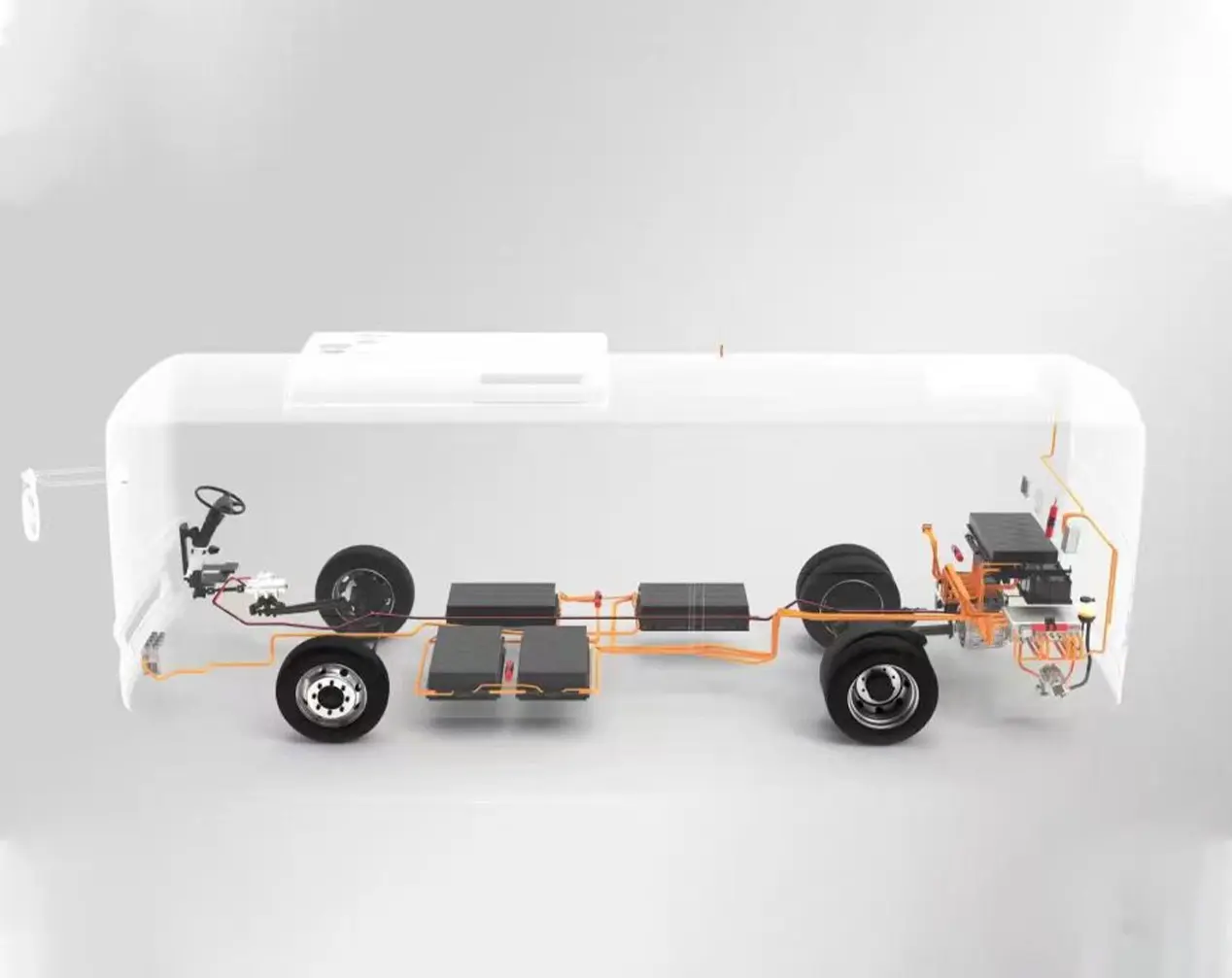

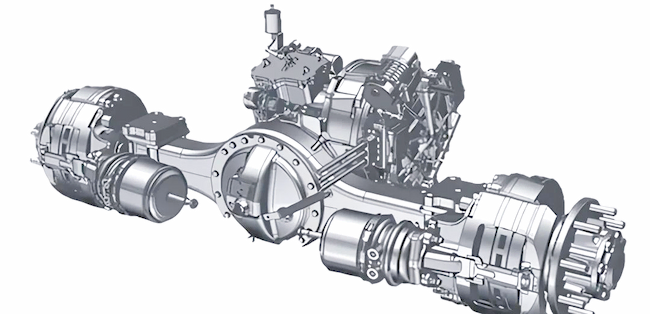
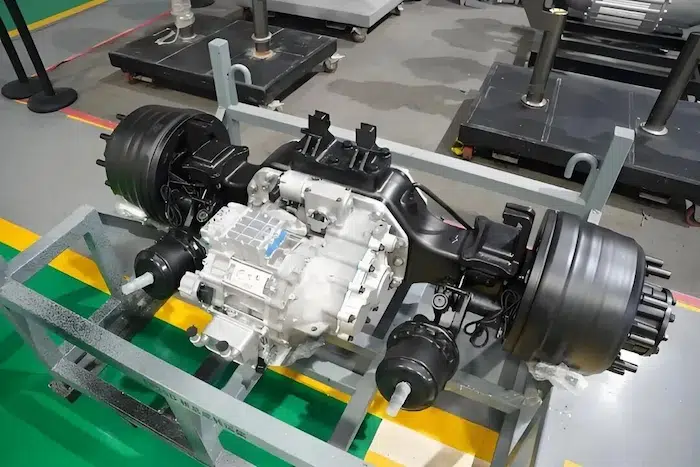

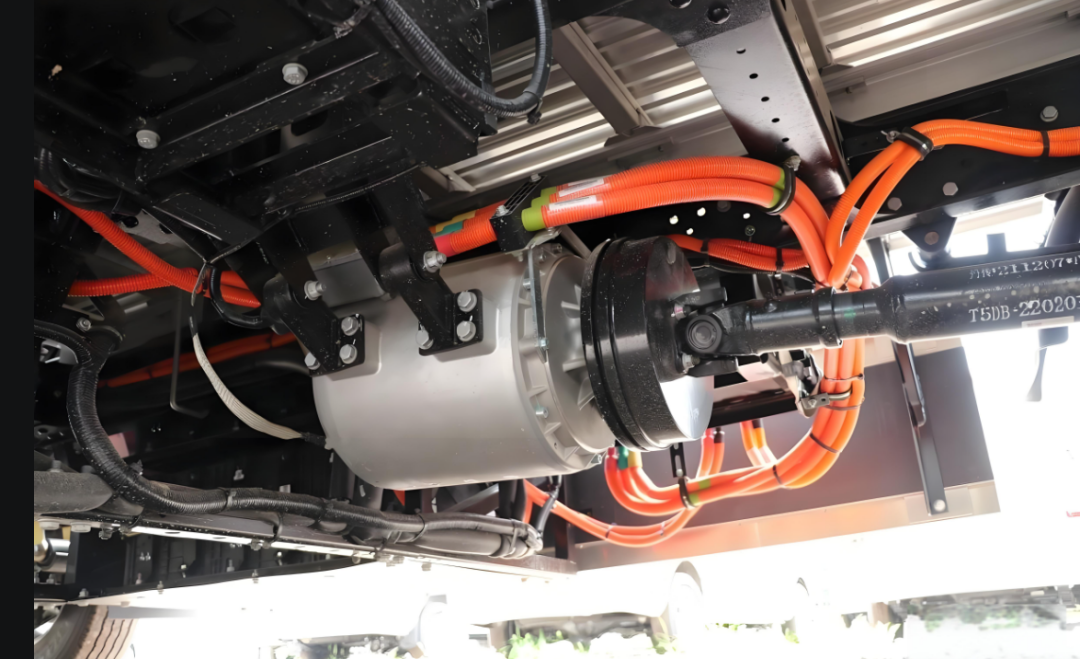







What is the Ultimate Electric Heart for Your Car? — A Hardcore EV Conversion Guide
Choosing an electric conversion kit EV for your vehicle is far more than a simple shopping exercise; it's a series of critical engineering decisions involving performance, safety, and return on investment. Every step, from defining technical specifications to finally hitting the road, requires careful consideration. This guide deconstructs the entire selection and implementation process and provides an actionable roadmap, using the solutions from professional electric drive system manufacturer Pumbaa EV (www.pumbaaev.com) as a reference.
Part 1: Precise Self-Assessment — From Fantasy to Engineering Reality
Before opening any product catalog, complete this "Vehicle Health and Needs Checklist":
-
Vehicle Foundation Profile (Must be defined)
-
Model & Year: This directly determines chassis structure, available space, and potential parts compatibility.
-
Curb Weight: Directly impacts required motor torque and battery capacity. A 1.2-ton coupe and a 2.5-ton full-size SUV need completely different powertrain solutions.
-
Final Drive Ratio: Determines the relationship between motor RPM and wheel speed, a key data point for calculating top speed and acceleration.
-
Available Space Audit: Precisely measure the engine bay, transmission tunnel, trunk, and even the original fuel tank area. Batteries need space, but more importantly, they need a sturdy, ventilated, and crash-protected location.
-
-
Quantify Performance Targets (Avoid vague descriptions)
-
Instead of "good power," specify: "Target 0-100 km/h acceleration time ≤ 8 seconds."
-
Instead of "long range," define: "Real-world range under mixed driving conditions should be no less than 200 km."
-
Top Speed Requirement: This determines motor power and gearing design. Needs differ for city commuting versus highway cruising.
-
-
Establish a Budget Framework (Account for all costs transparently)
-
The EV Conversion Kit Itself: ~30-40%.
-
Battery System: ~40-50% (Cells, BMS, cooling/heating system, enclosure).
-
Ancillaries & Adaptations: ~10-15% (High-voltage wiring, charger, DC-DC converter, electric A/P/S pumps, custom fabrication).
-
Labor & Calibration: A significant additional cost if outsourced.
-
Part 2: Deep Dive into Technical Pathways — The Logic Behind Core Component Choices
1. The Motor & Controller: The Soulmates
-
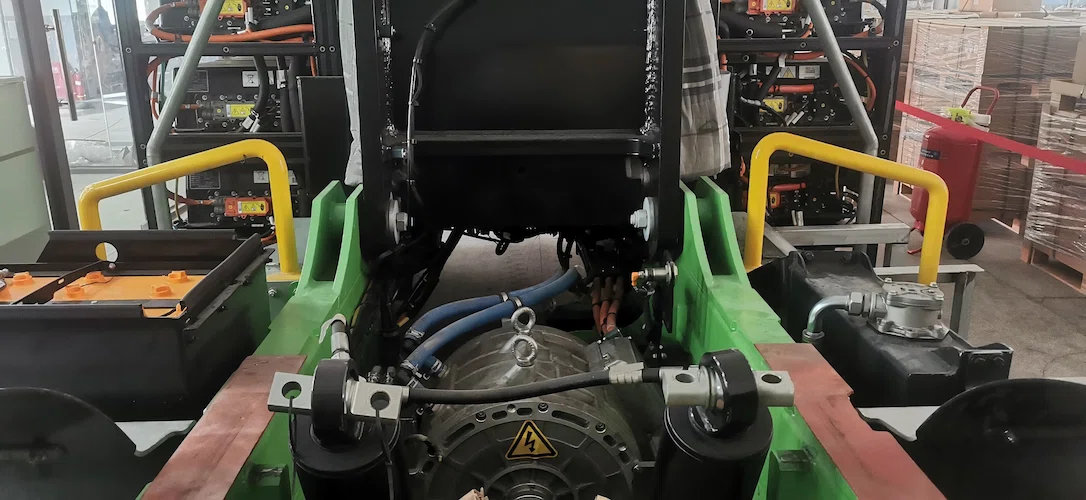
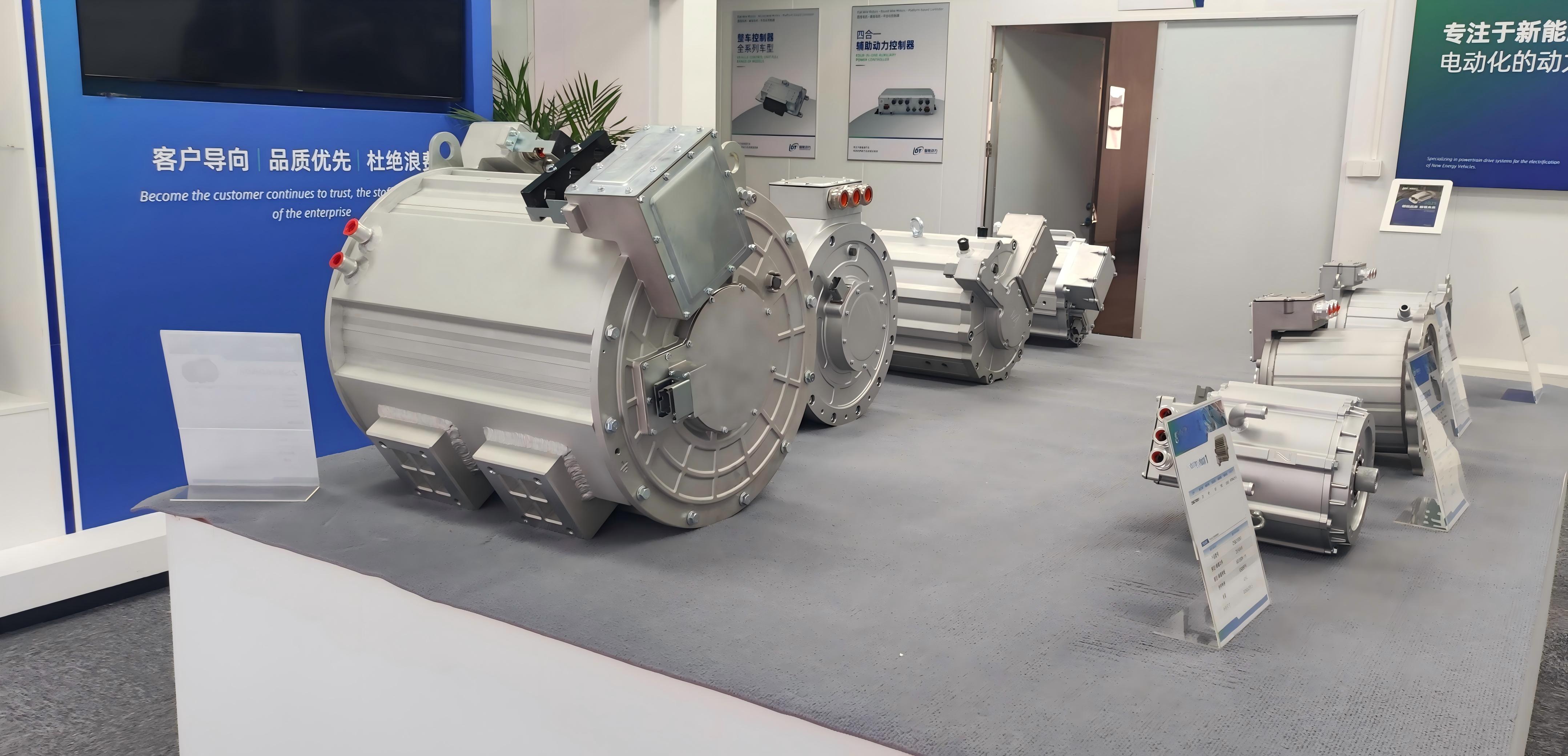
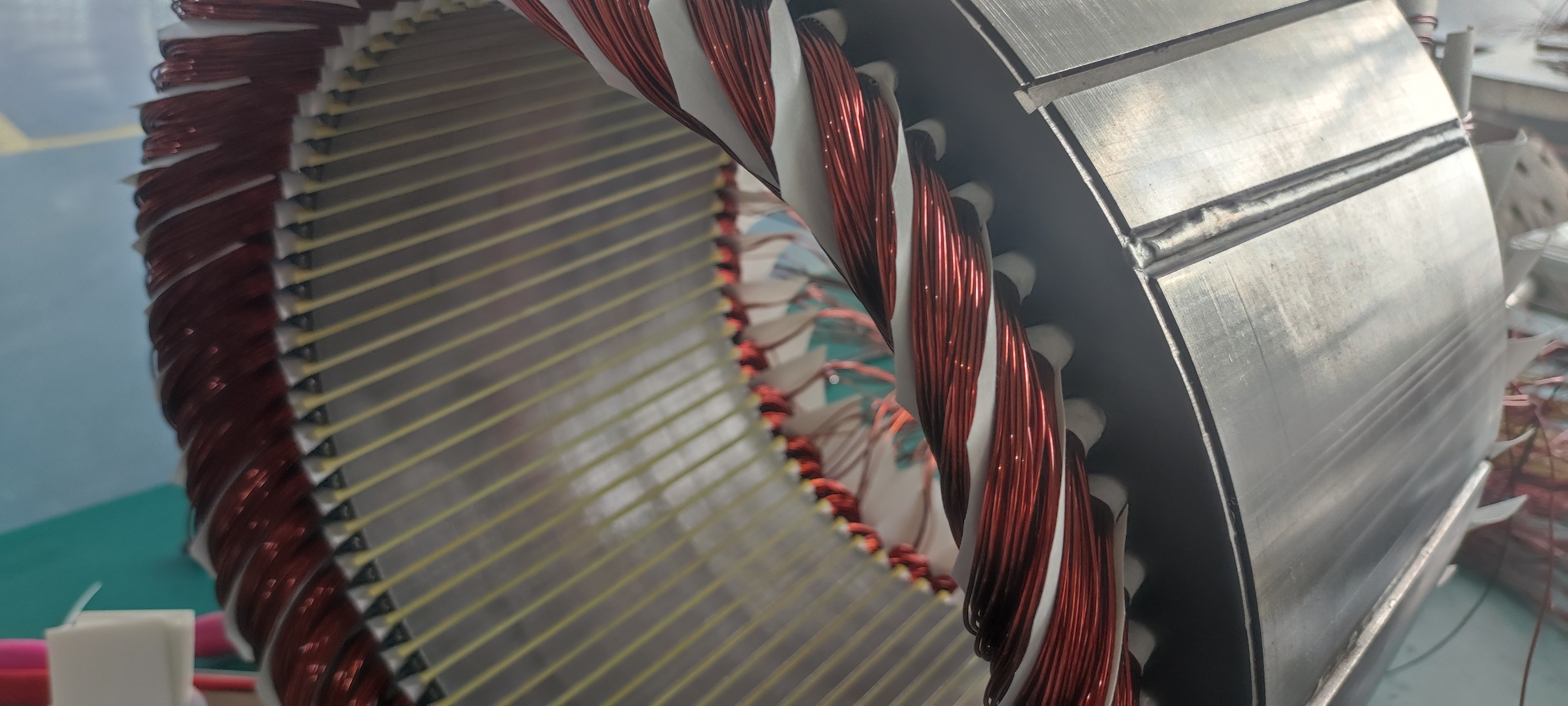
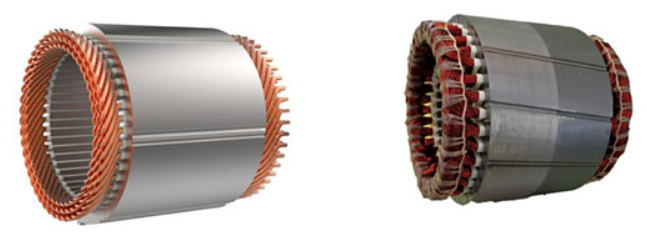
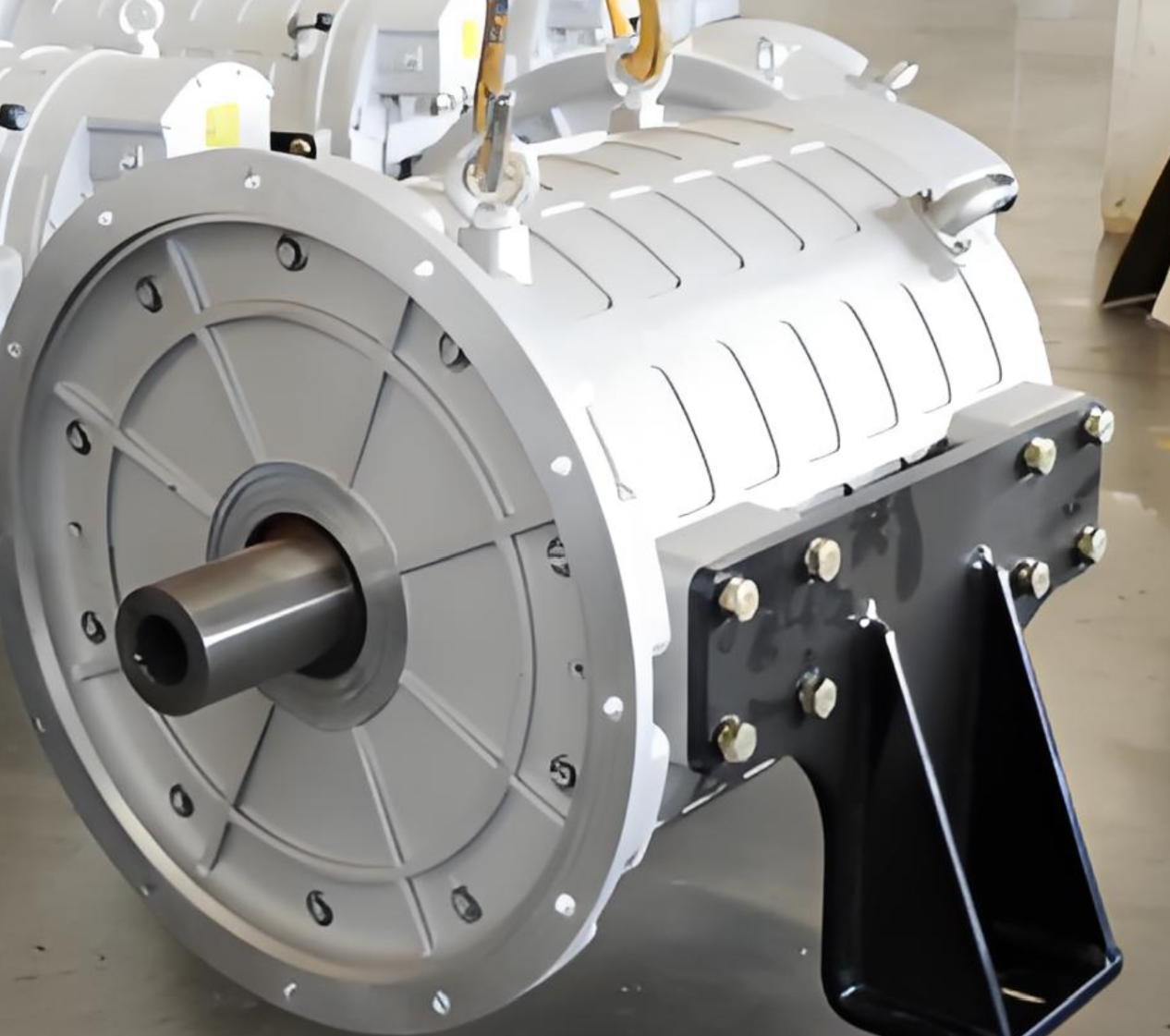
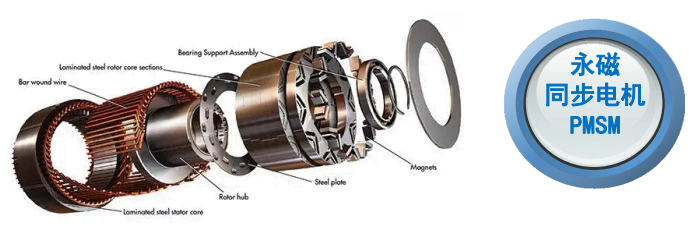
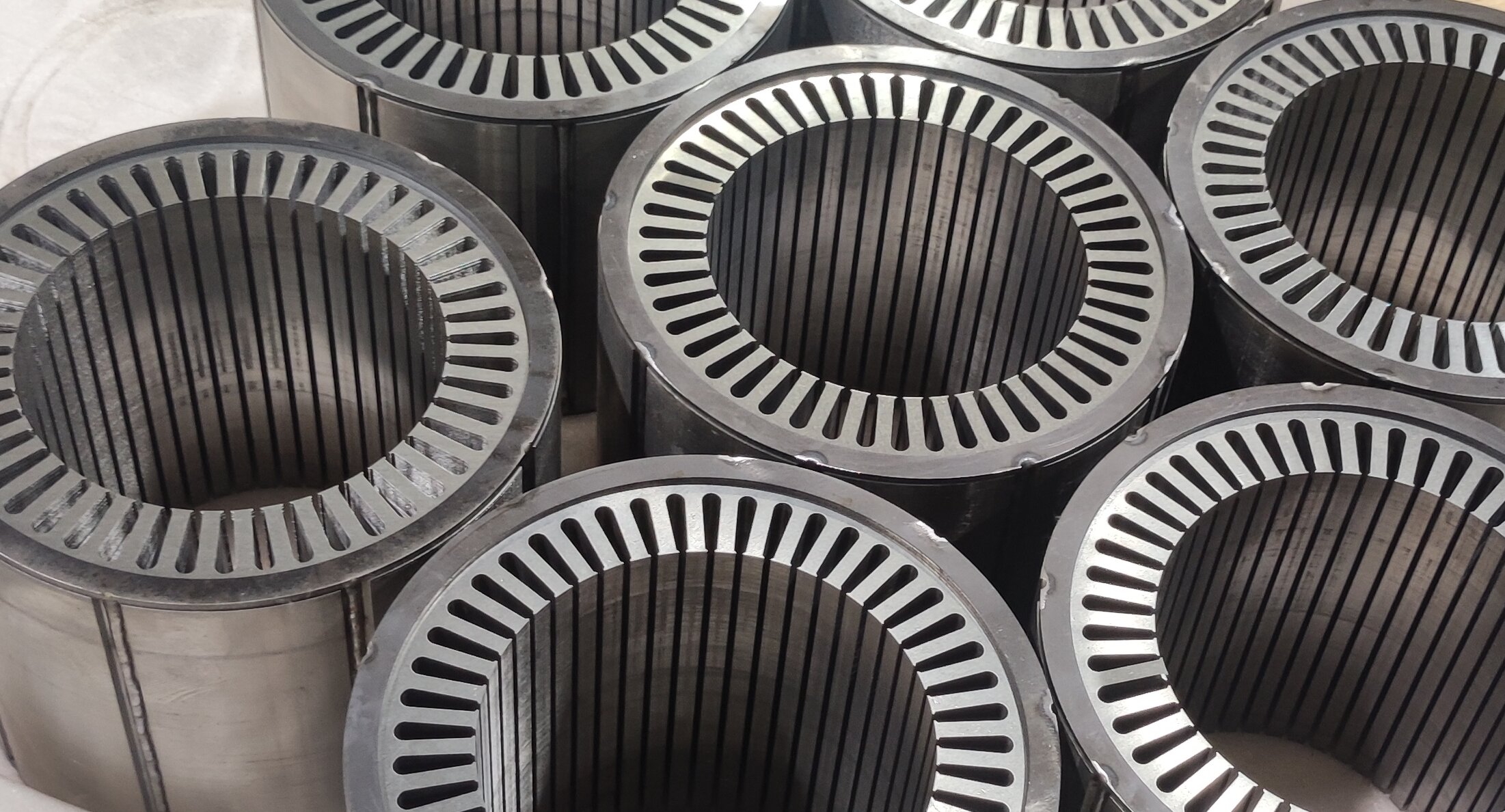
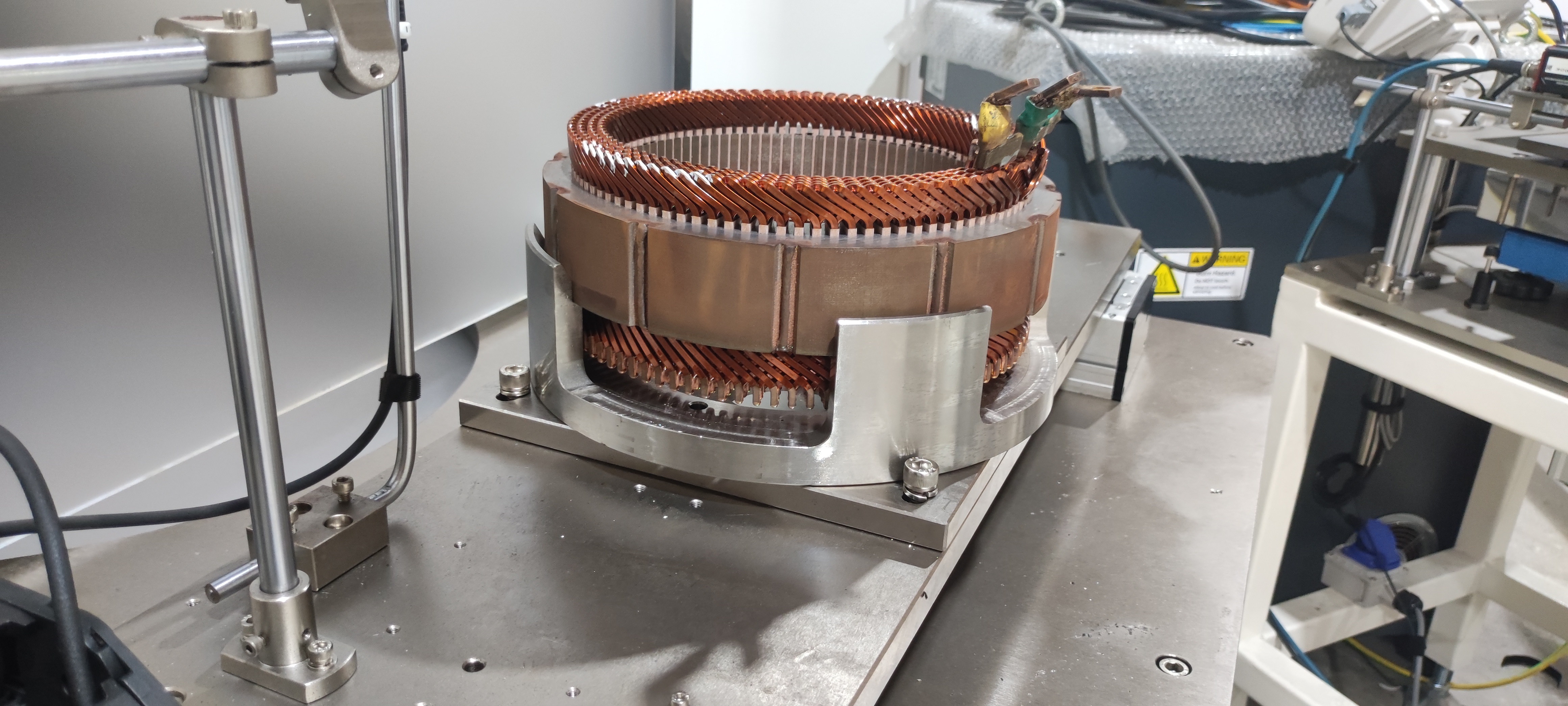
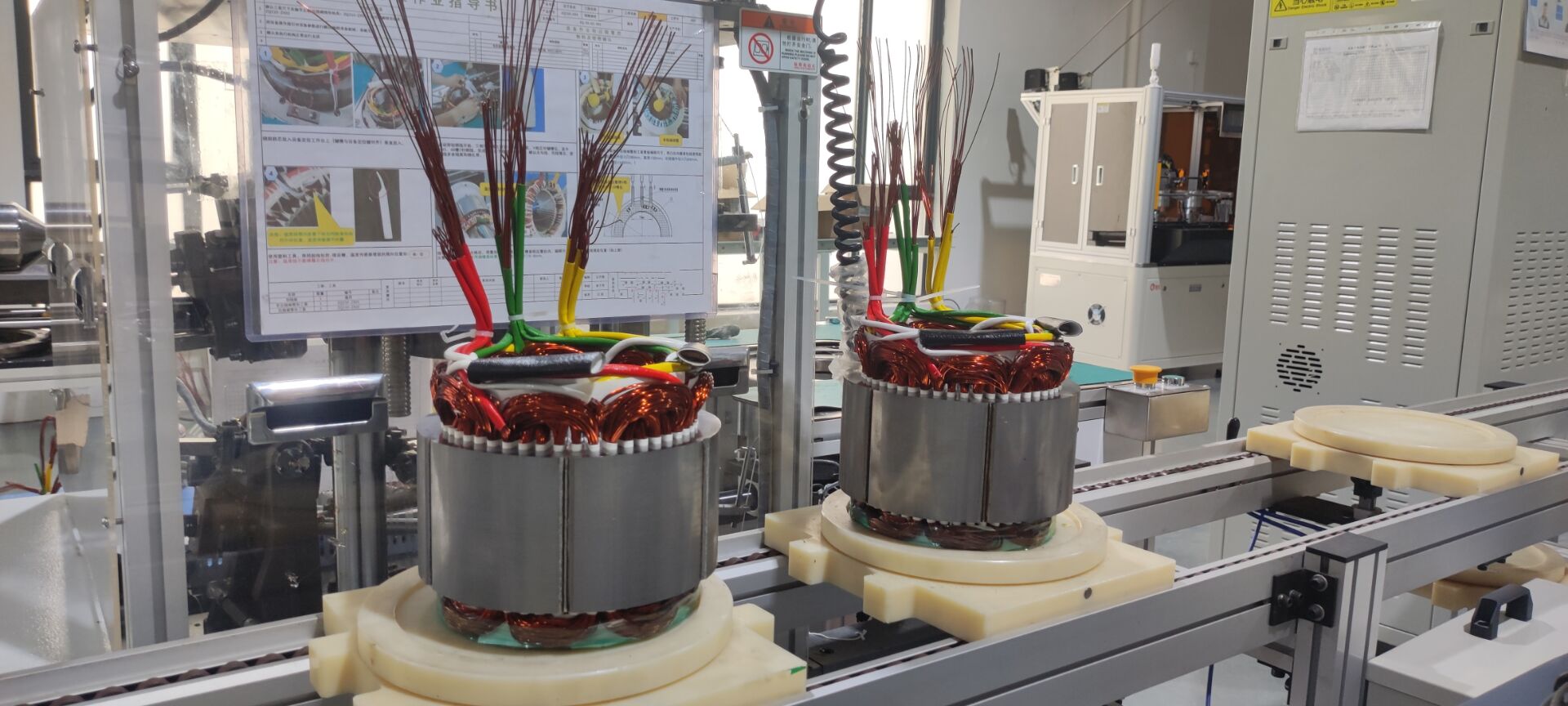
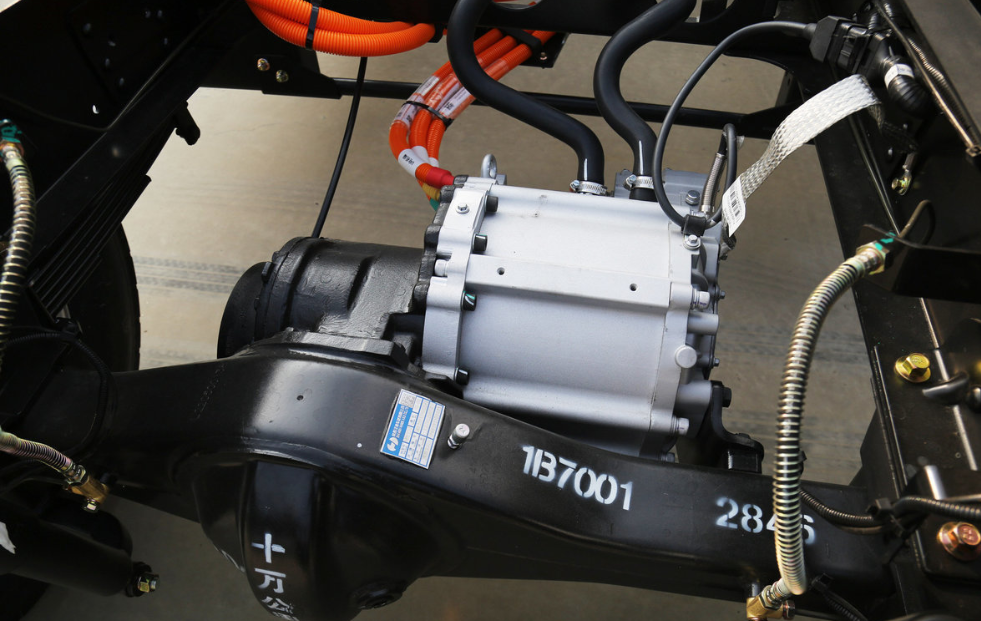
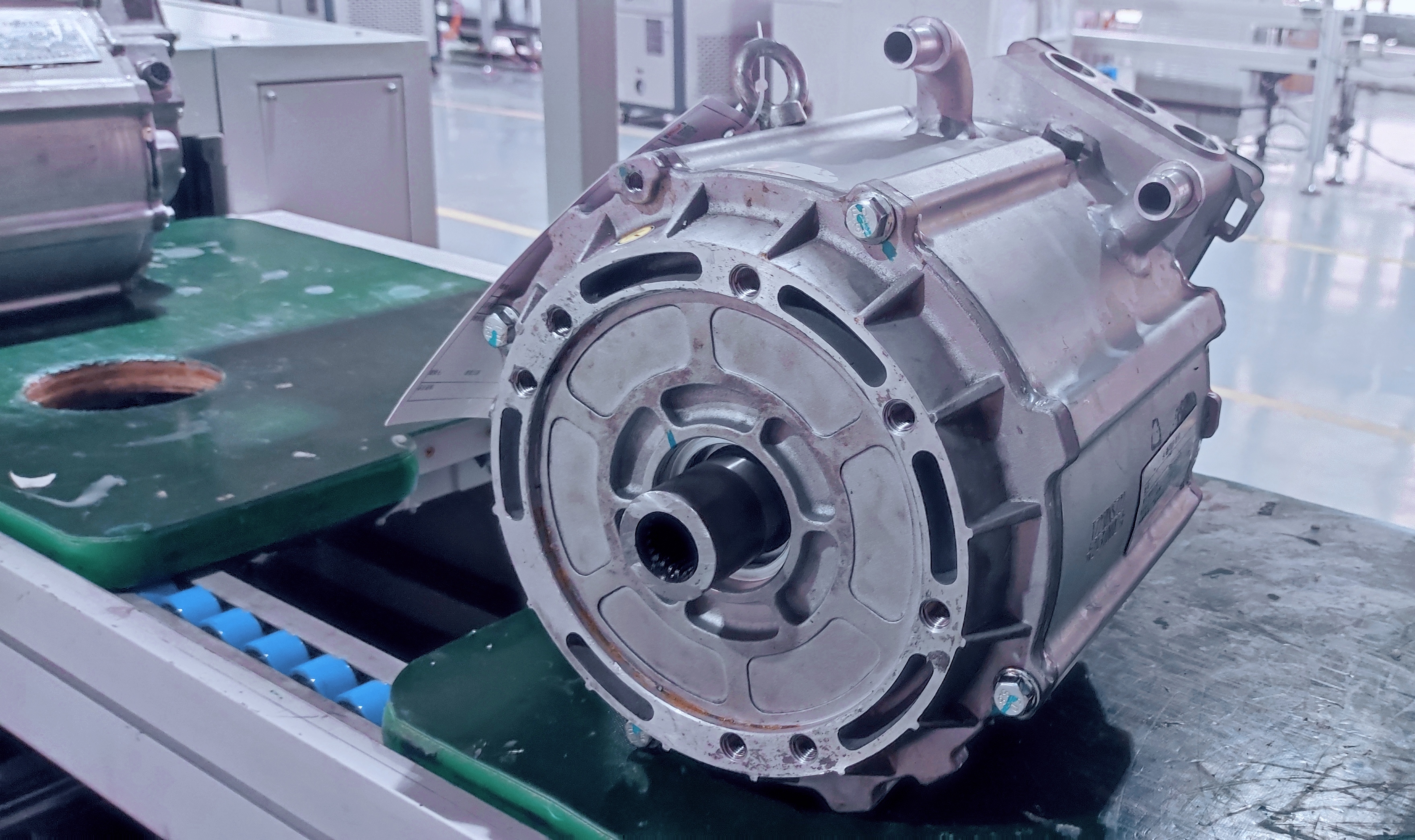
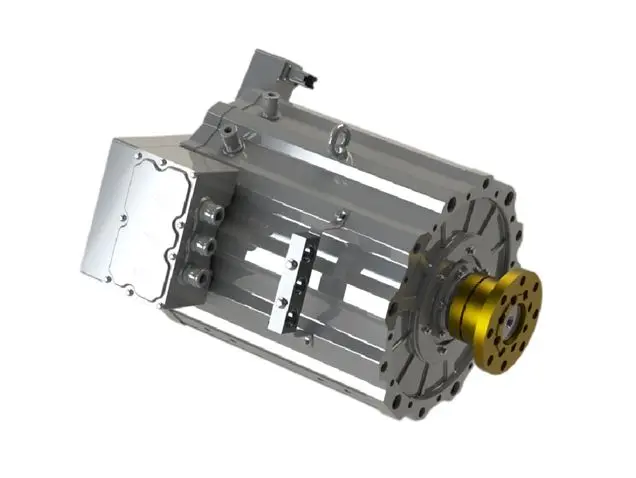
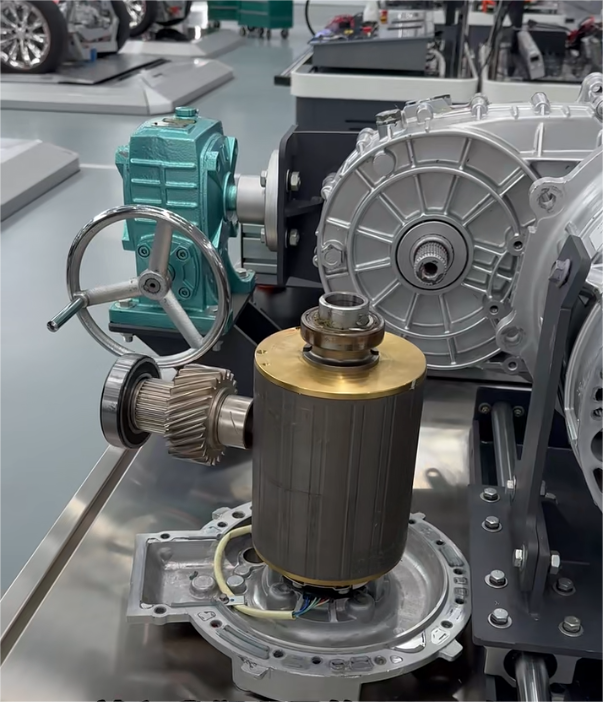
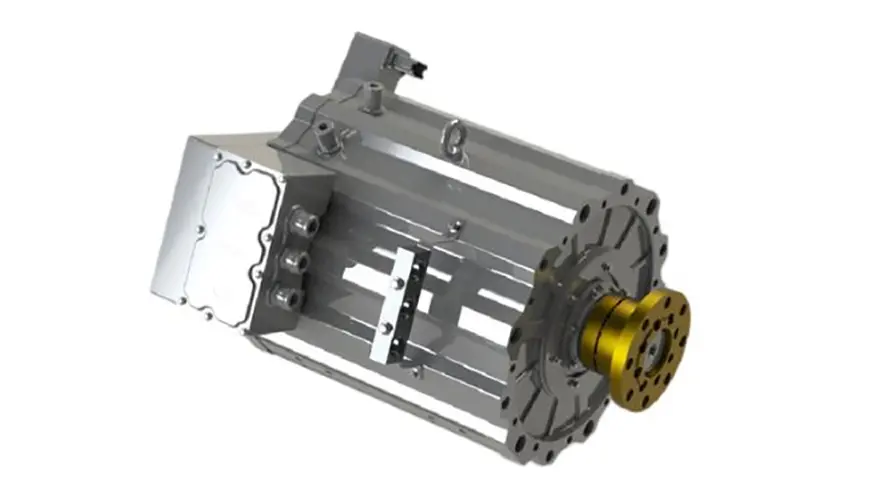
Permanent Magnet Synchronous Motor (PMSM) vs. AC Induction Motor: The current mainstream for high-performance conversions is the Permanent Magnet Synchronous Motor (like those used by Pumbaa EV), prized for its high power density, efficiency (especially in common RPM bands), and relatively compact size.
-
Peak Power vs. Continuous Power: Pay attention to the power the motor and controller can sustain, not just the peak. This determines reliability during long hill climbs or sustained high-speed driving.
-
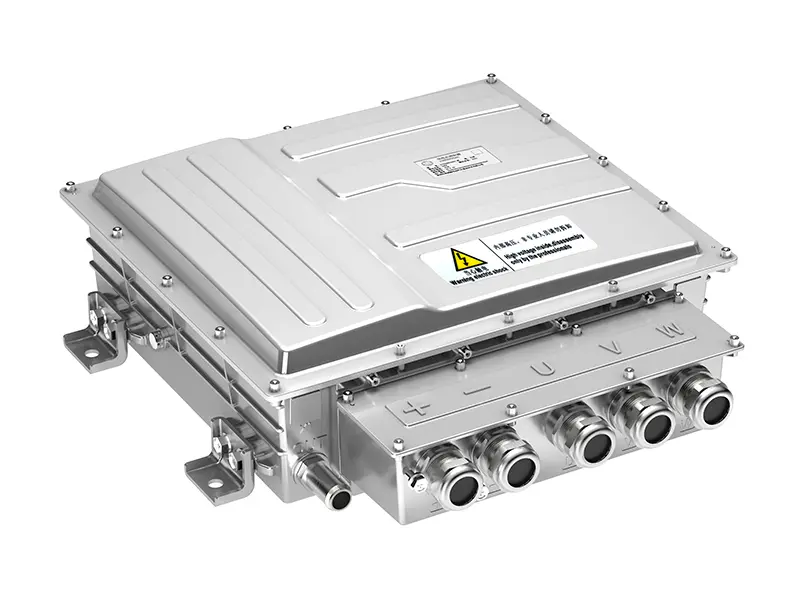
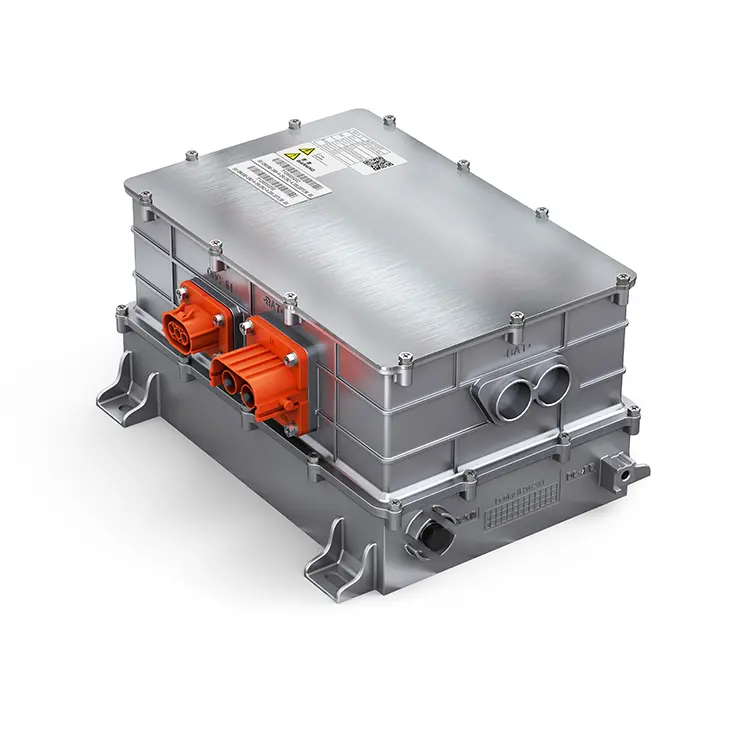
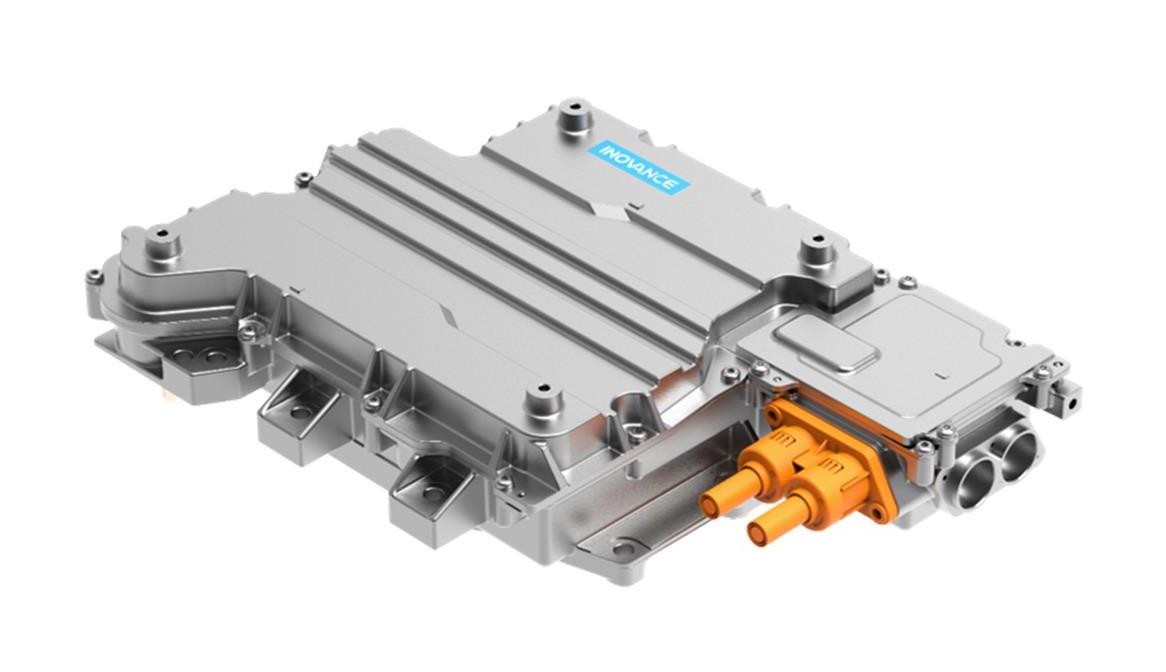
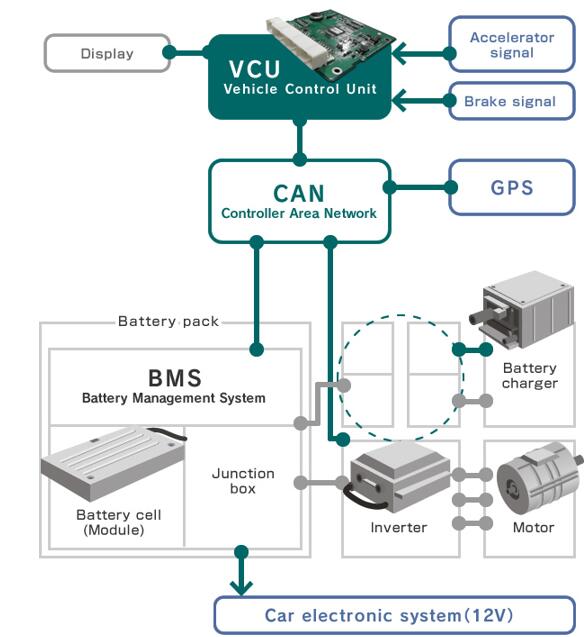
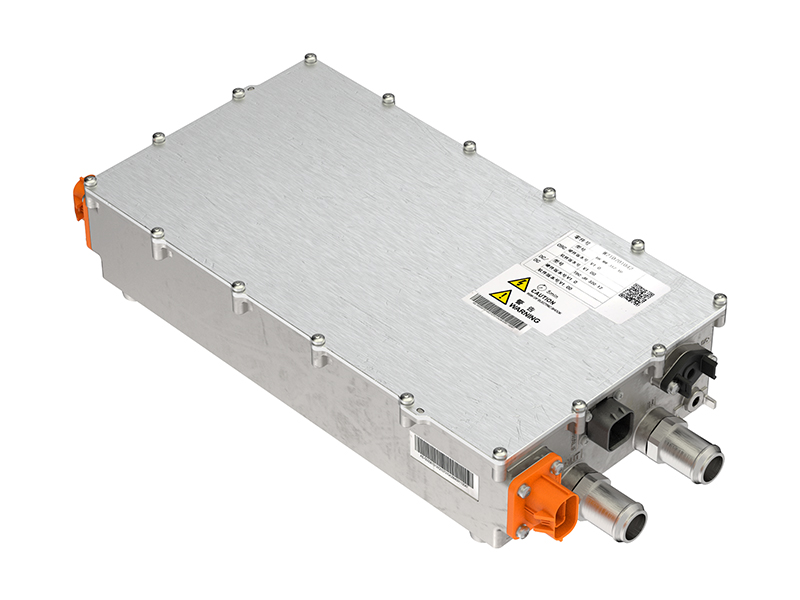
Controller Intelligence: A modern controller (like those from Pumbaa EV) is a brain, not just a switch. It should feature:
-
Fine torque/power mapping for smooth or aggressive drive modes.
-
Powerful regenerative braking programming to significantly extend range and reduce mechanical brake wear.
-
Comprehensive thermal management and fault diagnosis protection.
-
2. The Battery System: Where Value and Risk Converge
-
Cell Chemistry: Lithium Iron Phosphate (LiFePO4), with its excellent thermal stability and long cycle life, has become the favorite for conversions, especially DIY projects where safety is paramount.
-
Battery Management System (BMS): The BMS is the battery pack's guardian. A high-quality BMS must provide:
-
Accurate cell voltage and temperature monitoring.
-
Active charge/discharge balancing.
-
Reliable communication with the vehicle controller and charger.
-
-
Structure & Thermal Management: A battery pack is not just a bundle of cells. Consider mechanical fixing, vibration resistance, IP rating, and active/passive cooling solutions to ensure safe operation from -20°C to 45°C.
3. Integration & Adaptation: The Make-or-Break Details
-
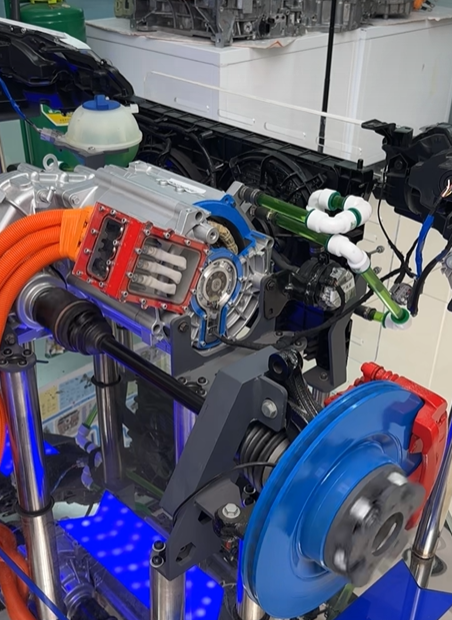
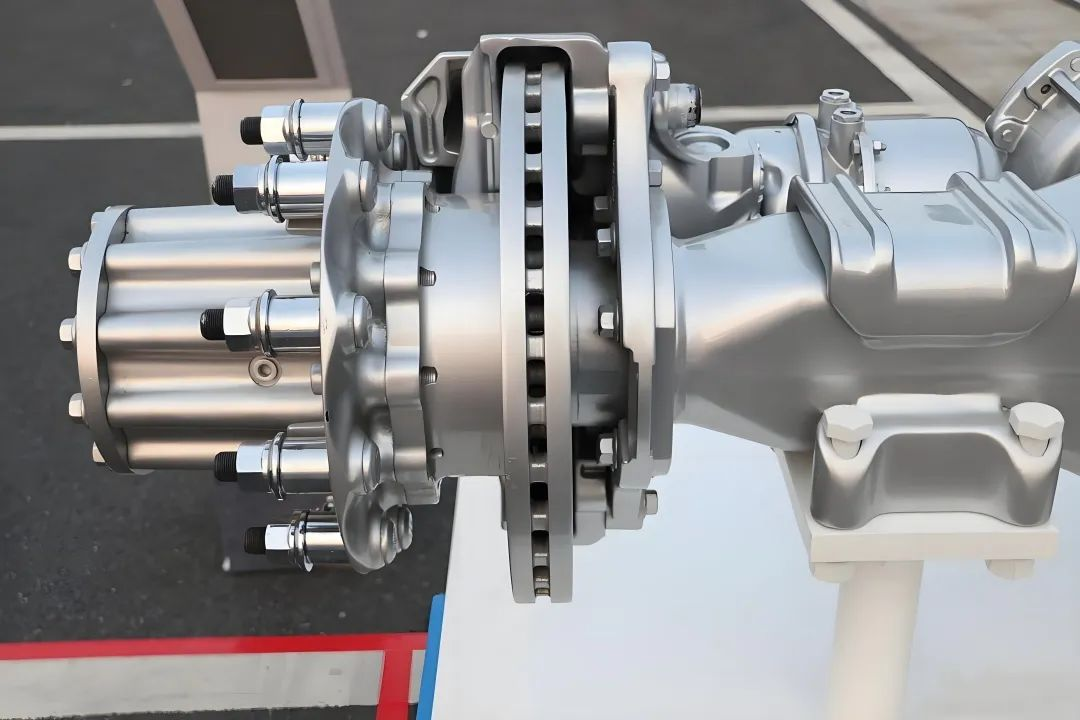
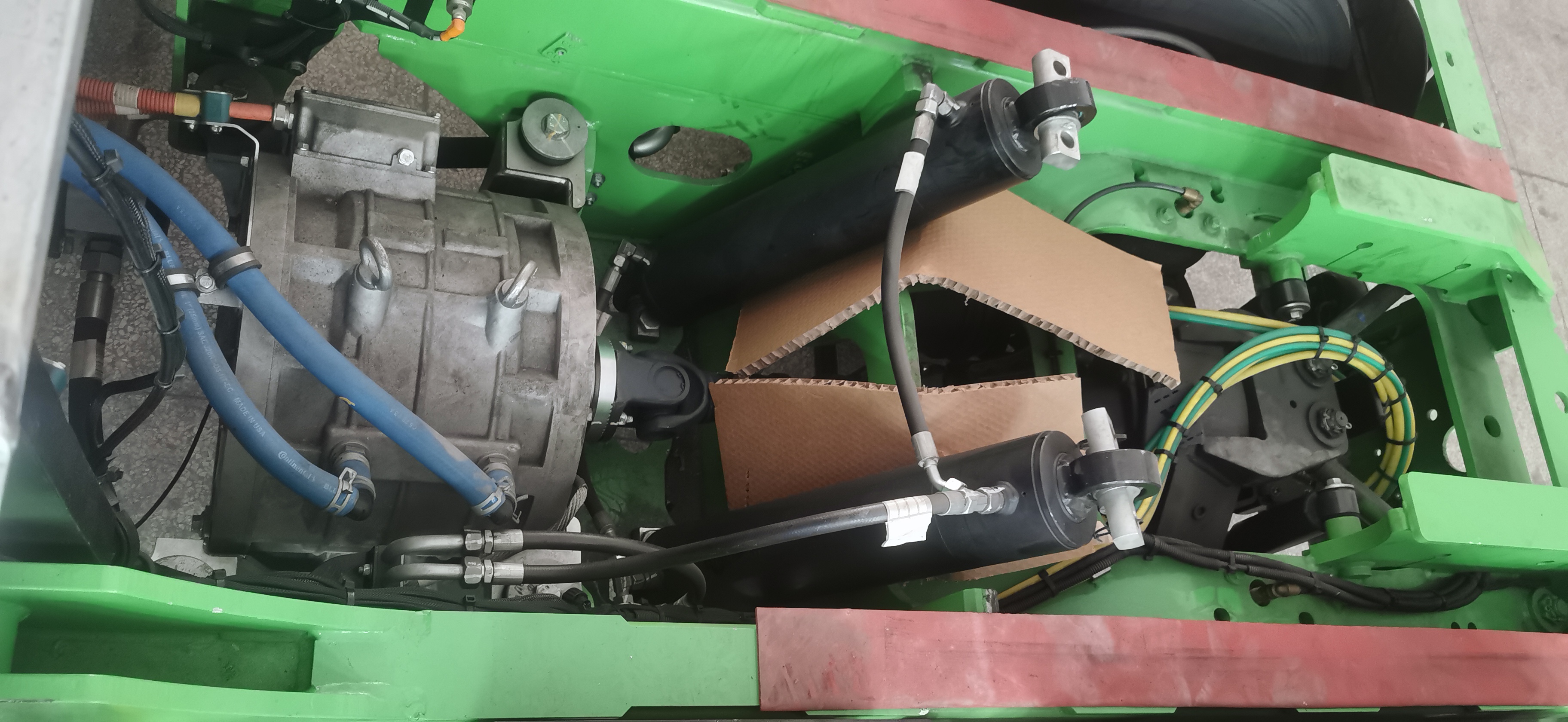
Mechanical Interface: How does the motor connect via an adapter to the original transmission or differential? Are custom axles needed? Are motor mounts universal or vehicle-optimized? (Pumbaa EV's targeted engineering support can significantly reduce such headaches).
-
Electrical Interface: How will the original dashboard display state of charge and speed? How to retain A/C and power steering? This requires specific interface modules or CAN bus solutions.
-
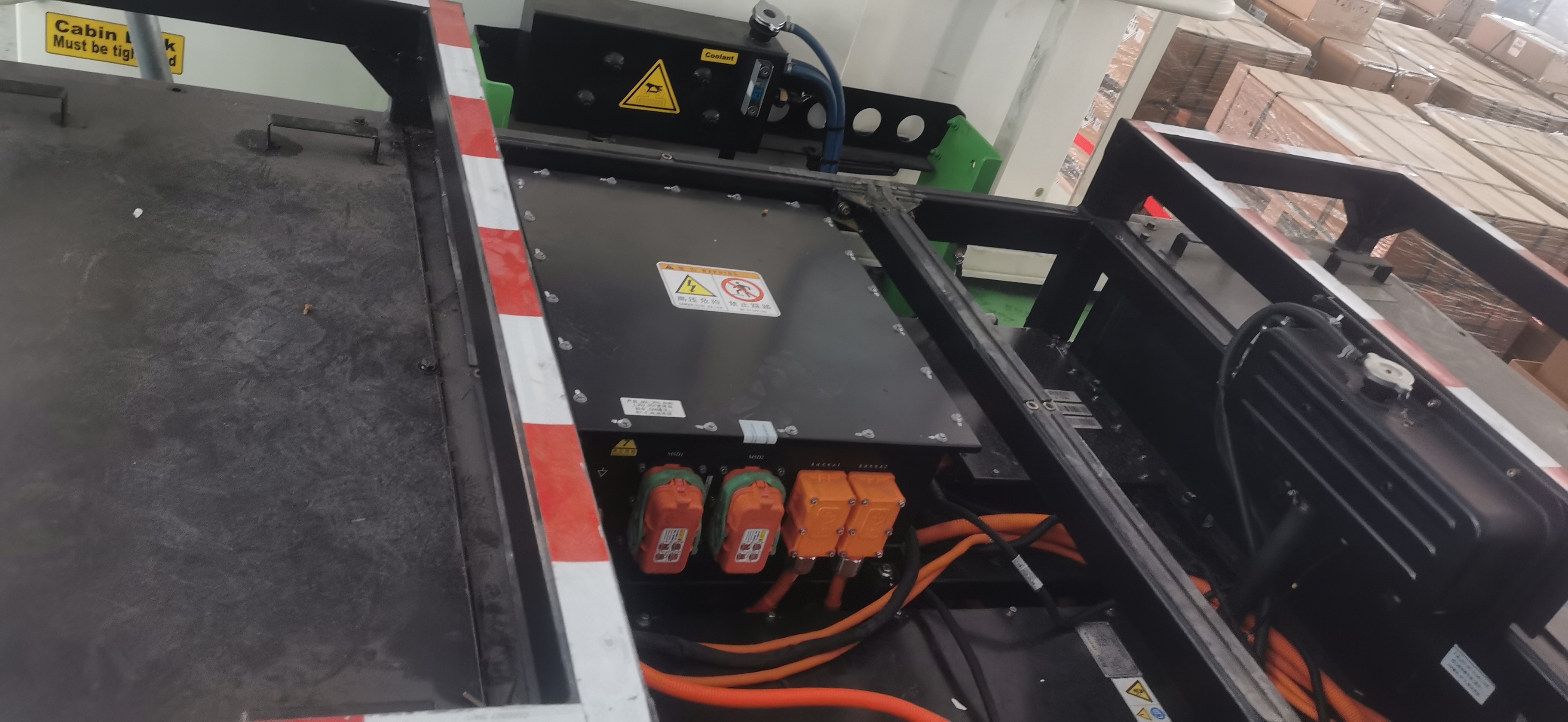
High-Voltage Safety: Do the designs for the main contactor, fuses, service disconnect, and high-voltage interlock loop meet international safety standards?
Part 3: Choosing Pumbaa EV as Your Technical Partner
www.pumbaaev.com represents more than a parts supplier; it is a technical platform for electric drive systems. Their value proposition lies in:
-
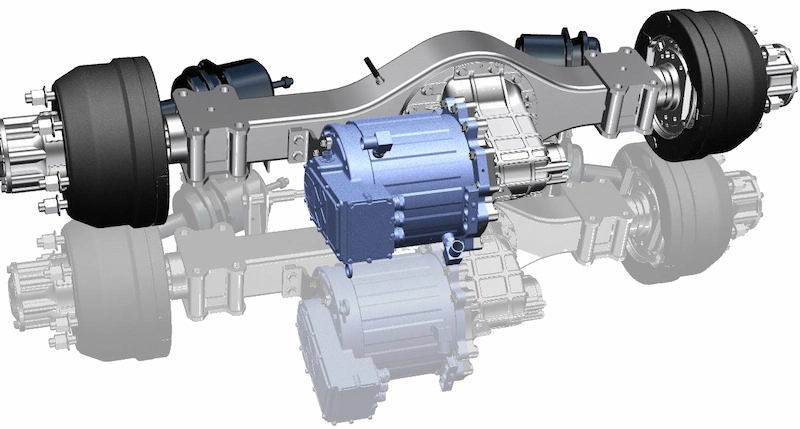
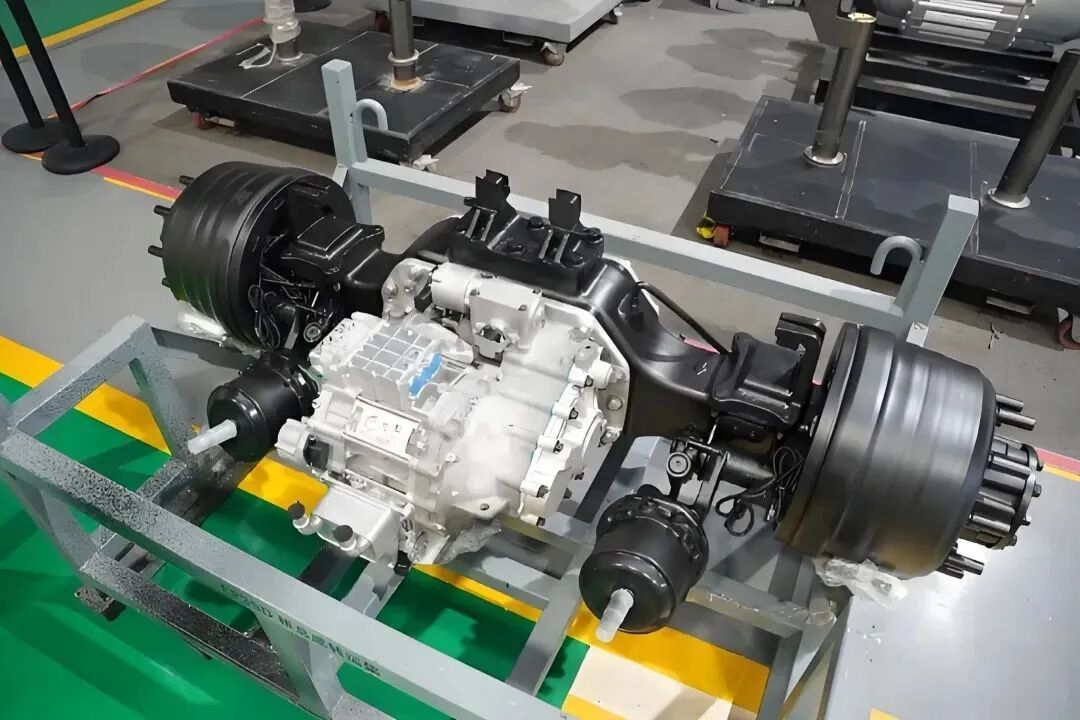
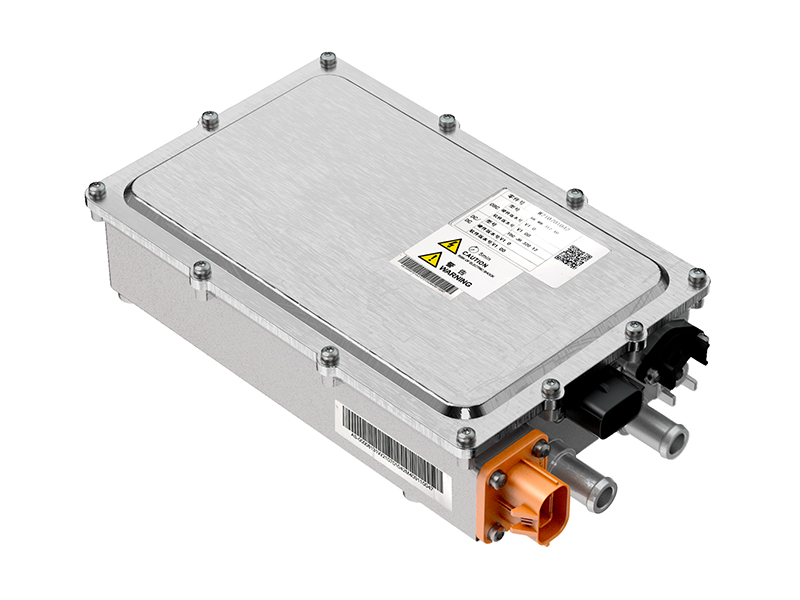
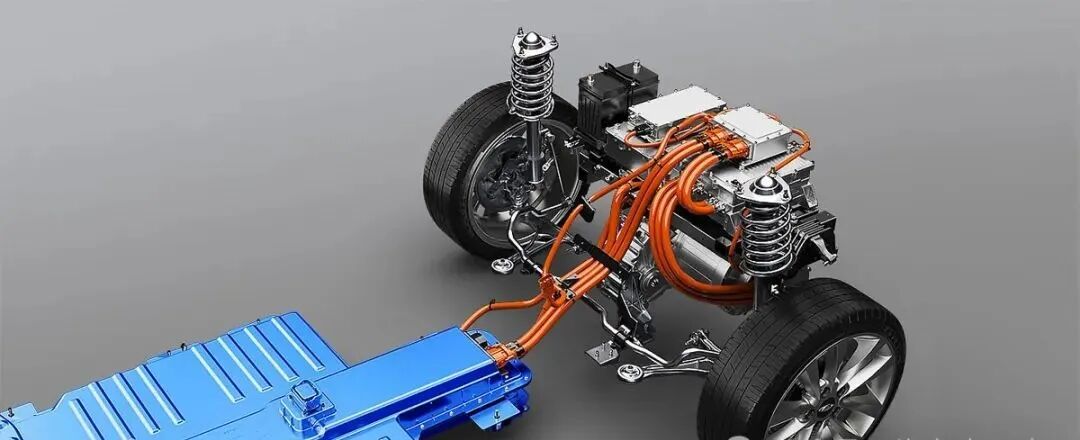
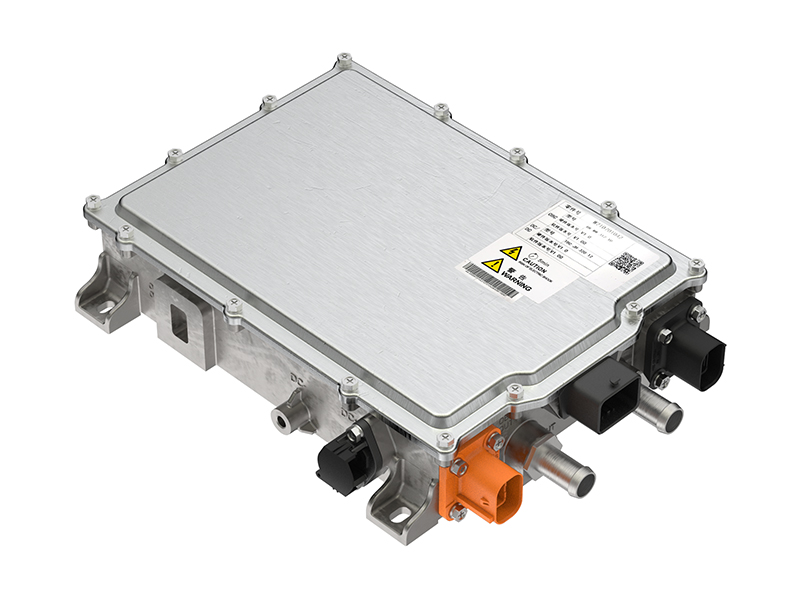
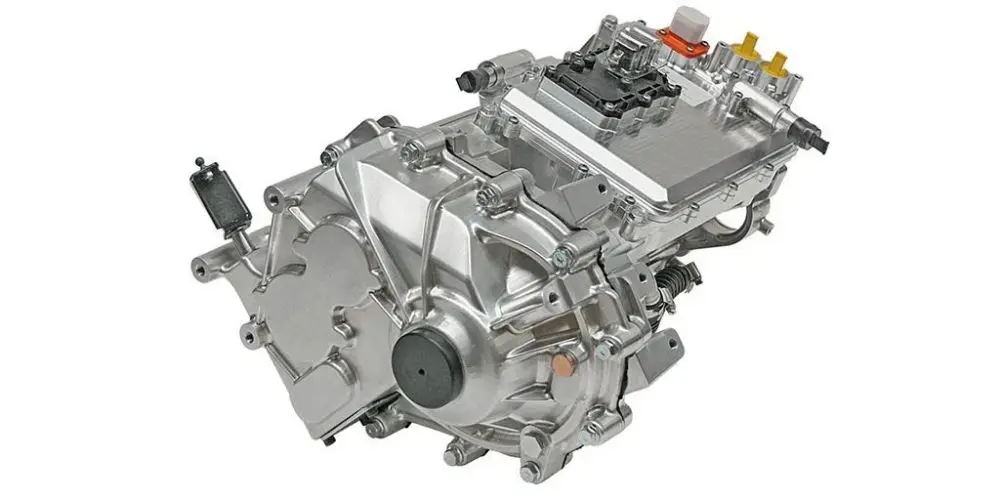
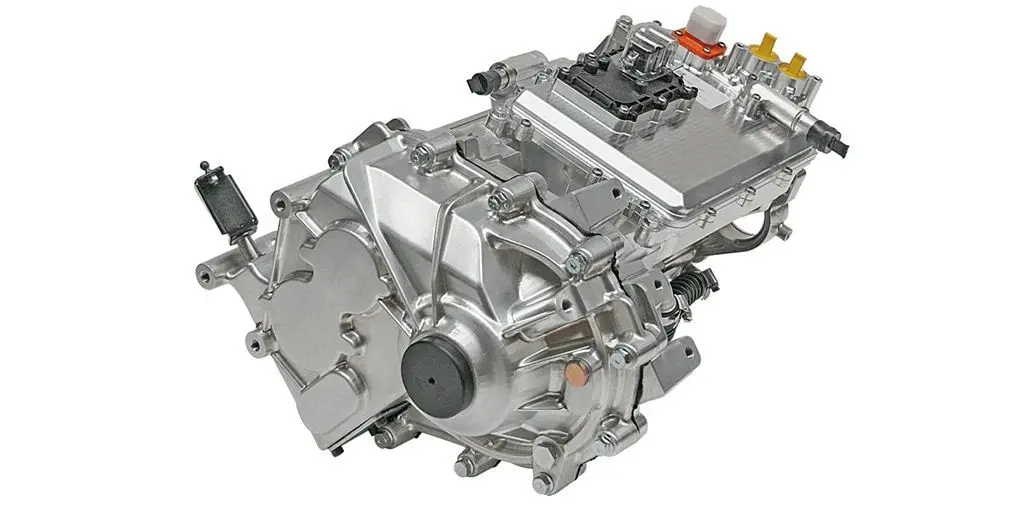
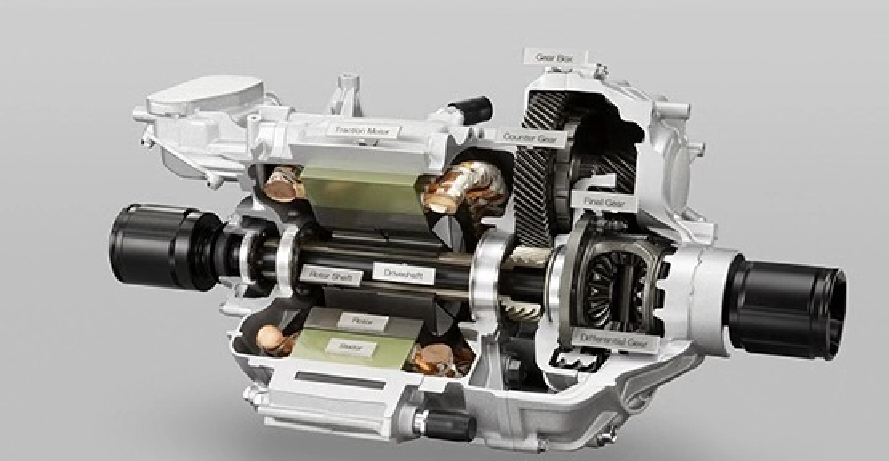
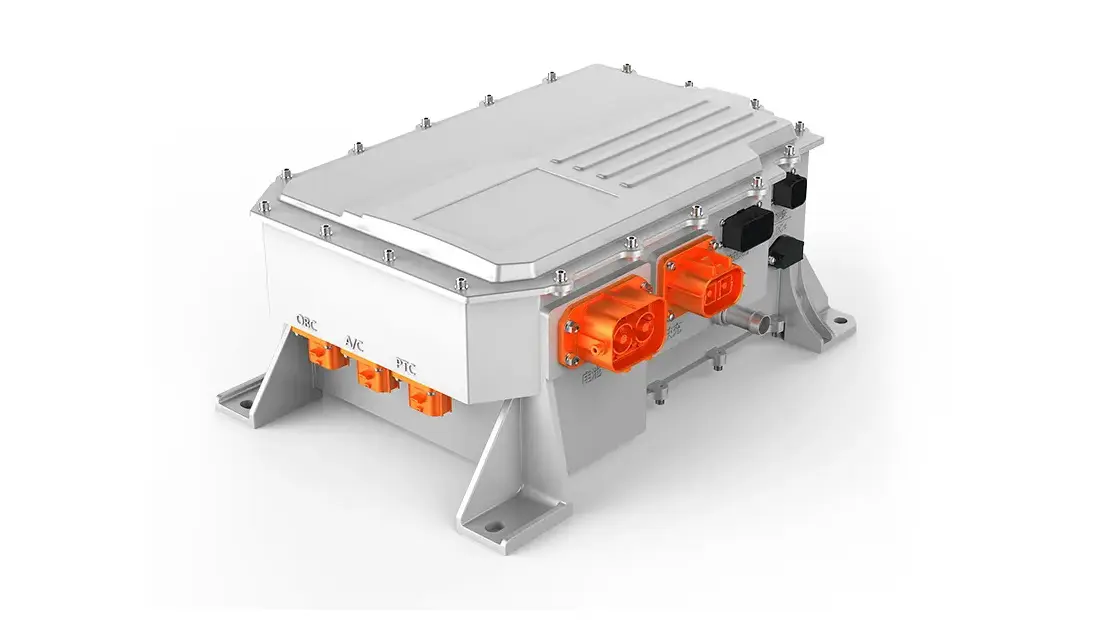
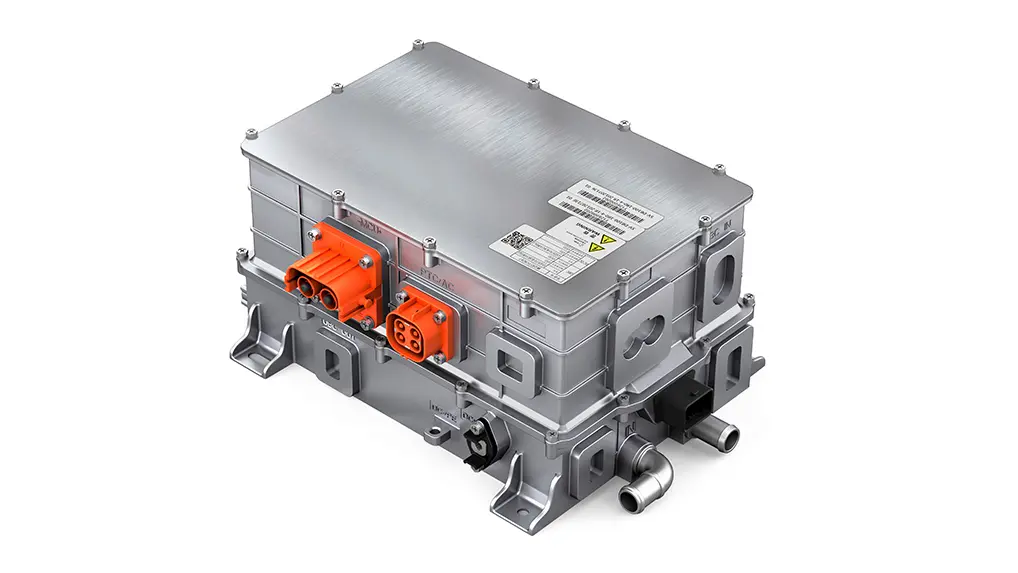
Systems Approach from Forward Development: Their products are not a collection of parts but a forward-designed and validated system based on vehicle electrical architecture. This means core components like the motor, controller, reducer, and onboard charger are designed from the start for optimal synergy, reducing integration issues.
-
Modular Flexibility: They offer drive unit modules from 80kW to 200kW+. You can choose an entry-level power for your budget, with a potential future path to upgrade performance via controller changes or software updates (subject to mechanical compatibility), protecting your initial investment.
-
For someone searching for a scalableconversion kit EV solution, this modularity is a key advantage.
-
-
Deep Technical Enablement: For capable workshops or advanced builders, Pumbaa EV provides in-depth technical documentation, underlying protocol access, and even custom development support. This allows you to be a true system integrator, tuning the vehicle's character uniquely.
-
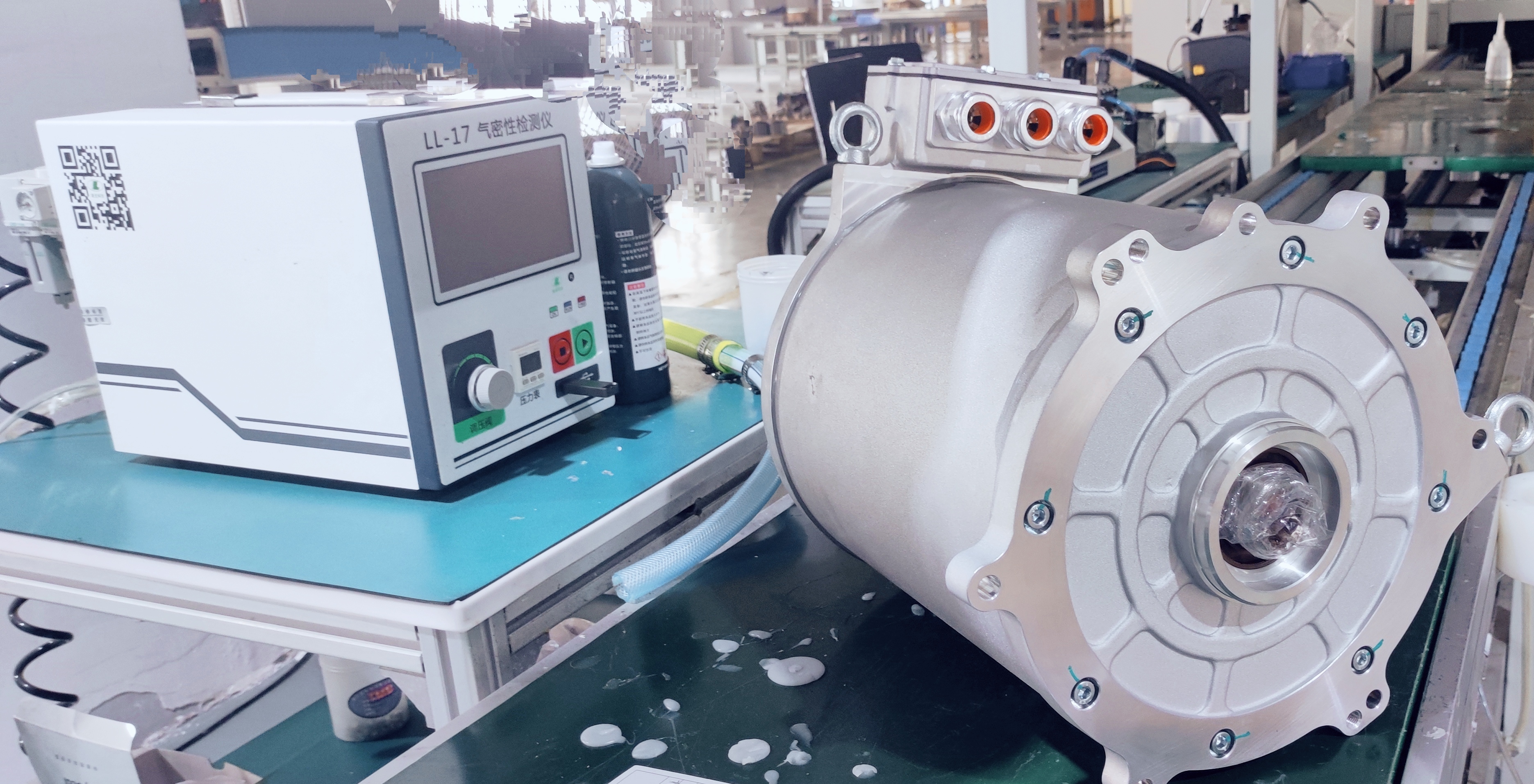
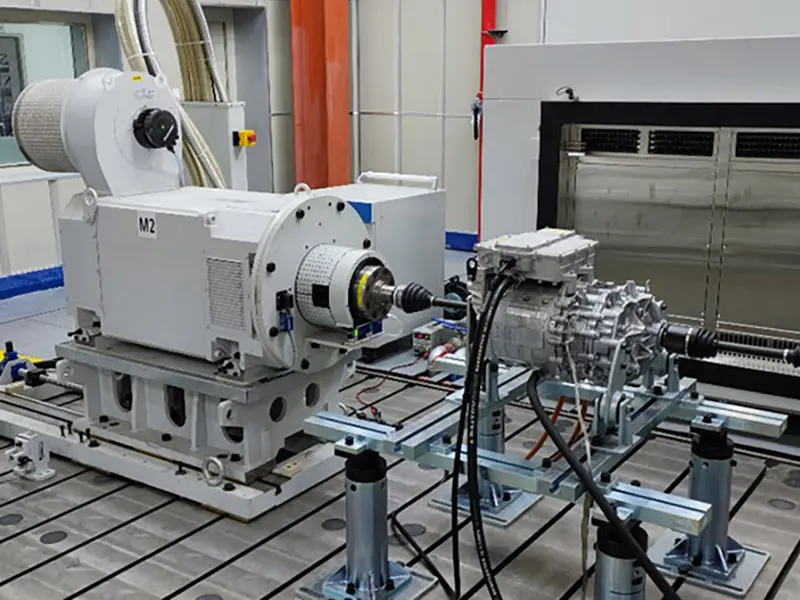
Reliability-Oriented Design: As a manufacturer, their durability testing and quality control standards typically exceed those of generic kits assembled from third-party parts. This is crucial for users who want a reliable, long-lasting conversion.
Part 4: Implementation Roadmap — From Blueprint to Road Legal
-
Phase 1: Design & Procurement (The Longest Phase)
-
Complete the self-assessment above.
-
Contact a technical provider like Pumbaa EV with your vehicle data and goals for initial solution matching and technical Q&A.
-
Based on the confirmed plan, create a detailed bill of materials and 3D layout.
-
Order the core system and all ancillary parts.
-
-
Phase 2: Vehicle Prep & Installation
-
Remove the engine, fuel tank, exhaust, and related lines.
-
Reinforce the frame and upgrade brakes/suspension if necessary.
-
Install the motor and controller; fabricate and route high-voltage wiring.
-
Safely build and install the battery pack according to design (This is high-voltage work. Professional execution is strongly advised).
-
-
Phase 3: Commissioning & Calibration
-
Low-voltage power-on: Check all controller communications.
-
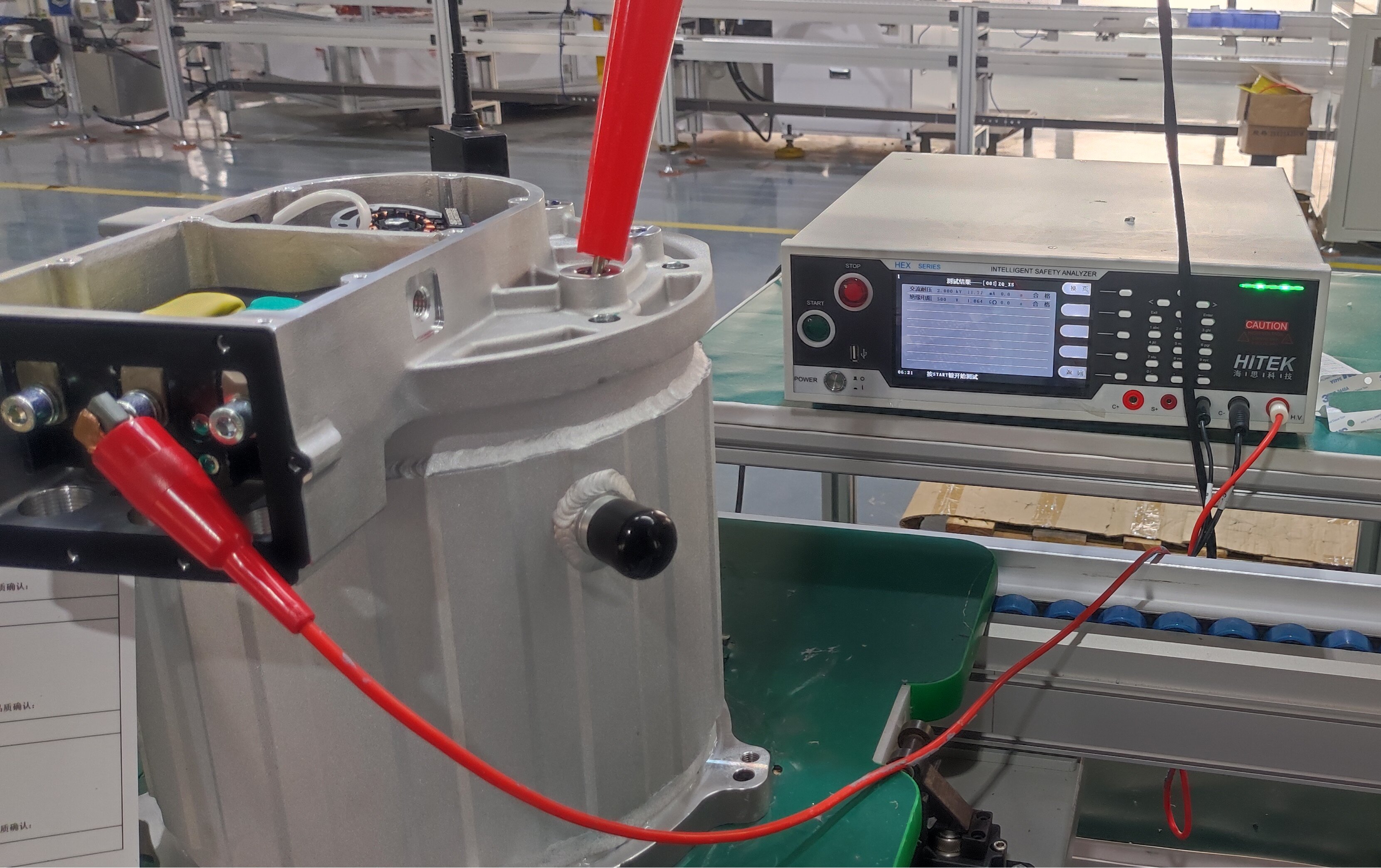
High-voltage power-on: Perform isolation tests and system self-checks.
-
First "crawl mode" tests: Calibrate accelerator and brake pedal signals.
-
Gradually expand testing: Tune regenerative braking, thermal management, etc.
-
Final performance and range testing.
-
Conclusion: A Successful Conversion = Clear Goals × Correct Components × Professional Know-How
Electrifying your internal combustion vehicle is a challenging journey of creation. It requires you to be project manager, engineer, and craftsman simultaneously. Choosing a partner like Pumbaa EV, which provides systematic solutions and technical support, is like bringing an experienced "chief engineer" onto your project.
This is not just about buying hardware; it's about choosing an evolvable technical architecture and a problem-solving engineering mindset. When you start your completely transformed car and hear the quiet hum of electrons instead of an engine roar, you'll have gained a one-of-a-kind machine, reshaped to your will for the future, and an unparalleled sense of achievement.
Your Next Step: Take your detailed Vehicle Foundation Profileand Quantified Performance Targetsto www.pumbaaev.com. Navigate to the "Technical Support" or "Contact" section and start a professional conversation about your unique conversion kit EV project.