


News









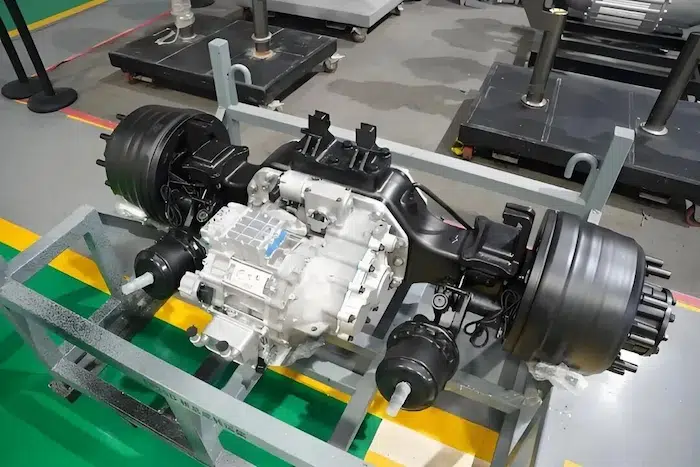
Electric vehicle control system Stability in Harsh Environments
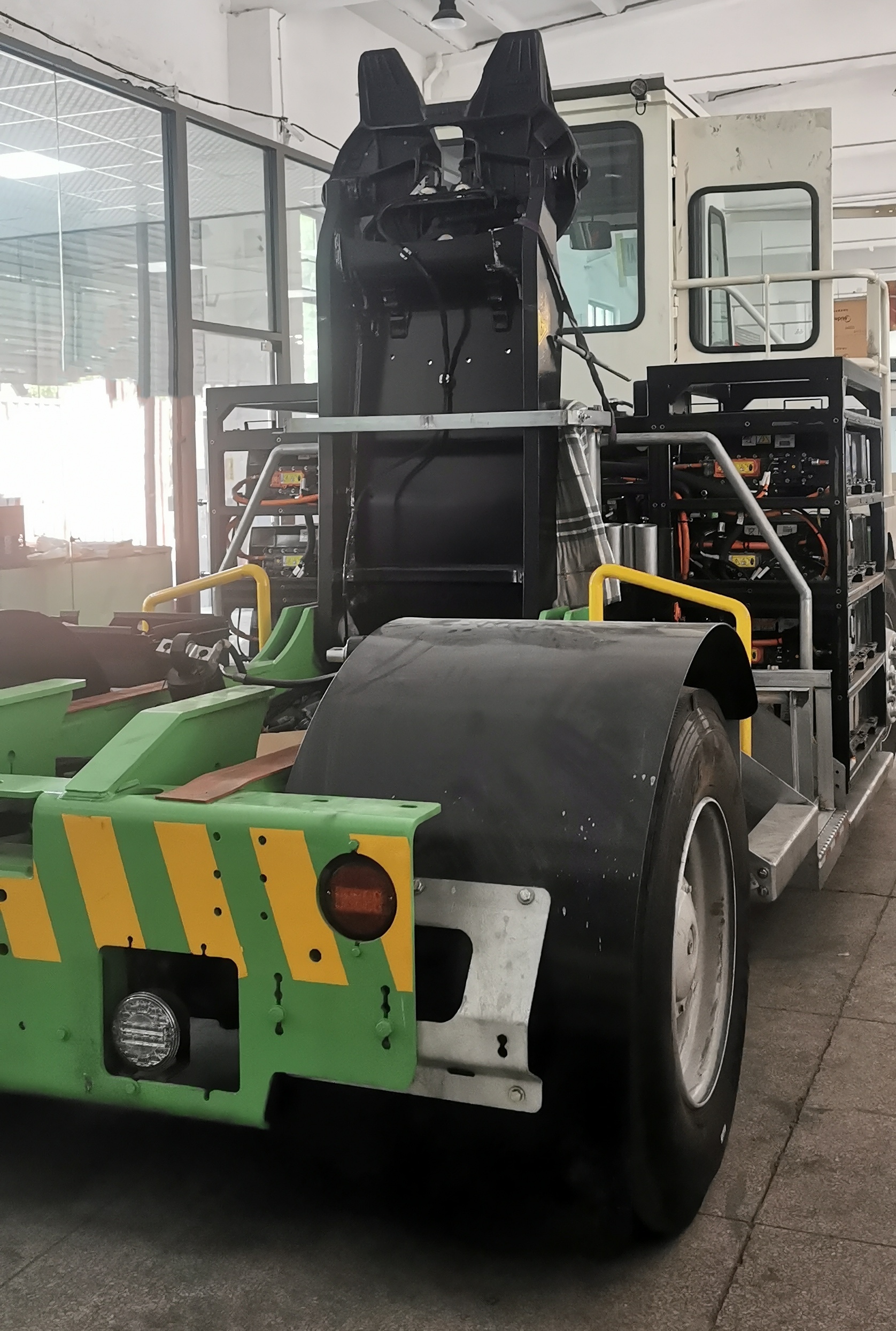
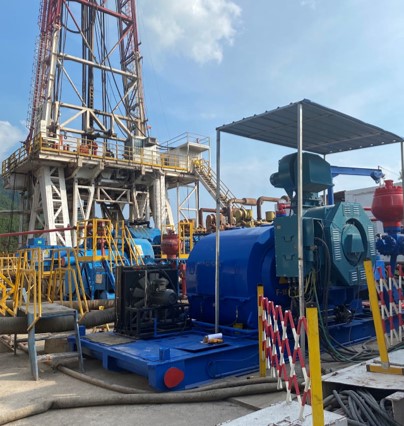
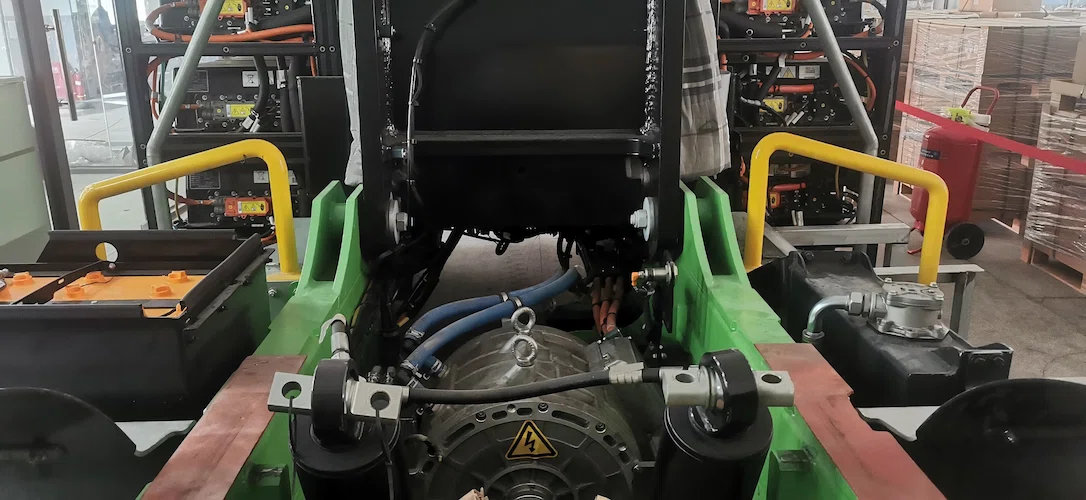
The worldwide occurrence of extreme weather events leads to increasing demand for electric vehicles. Modern drivers need their electric vehicles to maintain reliable operation through all driving environments, which include both urban roads and extreme weather conditions, and challenging off-road paths. The electric vehicle control system, along with its main part known as the electric vehicle controller, forms the foundation of this system's reliability.
The blog examines how these systems preserve operational stability when operating in harsh environments and explains why system stability requires absolute protection, and provides guidance on choosing and caring for essential system parts for extended operation.
1. What Are "Harsh Environments" for the Electric Vehicle Control System?
The control system of an EV faces harsh operating conditions when environmental factors interfere with its power distribution management and motor operation, and battery control functions. The conditions exist within four distinct categories.
Extreme temperatures: The system faces two types of temperature-related damage because desert heat above 104°F causes circuit board overheating and component insulation degradation, and polar and northern cold below -4°F causes signal transmission delays and battery power reduction, which affects the system's fundamental modules.
The combination of humidity with corrosion affects electrical systems because coastal environments and rainy conditions, and off-road driving through muddy terrain, bring water and salt, which cause wiring harnesses and connector pins to corrode, thus creating short circuits and signal interference problems.
The system faces vibration and shock problems when operating on off-road paths or handling rough surfaces, or performing heavy-duty tasks such as delivering packages on unsealed roads. The system experiences continuous vibrations during off-road driving, which causes mounting hardware to become loose while it damages solder joints and breaks the communication link between the core unit and other vehicle components.
Voltage fluctuations: The system becomes overloaded when remote areas experience unstable charging infrastructure and when regenerative braking produces a voltage spike, which results in system shutdowns or malfunctions.
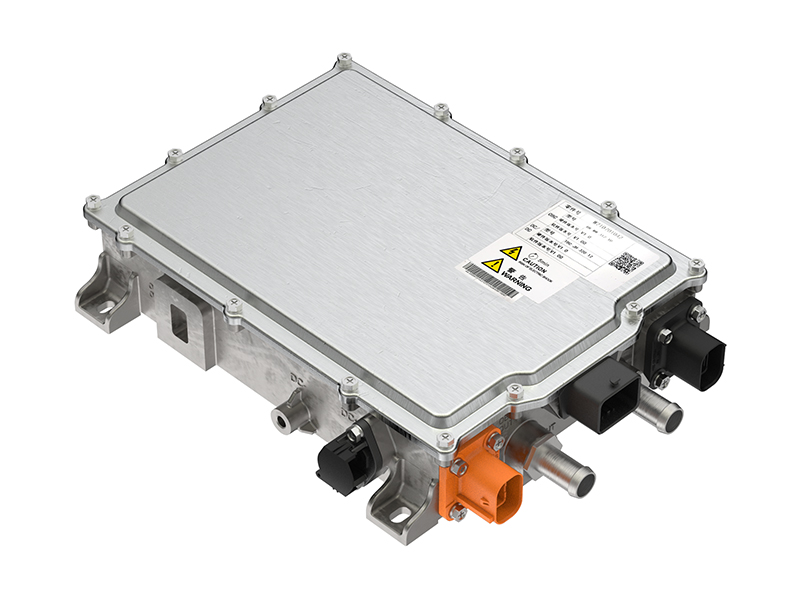
2. Why EV Control System Stability is Critical in Extreme Conditions
The EV’s control system functions as the vehicle's central command system, which unites motor and battery and auxiliary systems to provide both safety and operational efficiency during driving. The system needs to maintain stability in extreme conditions because of three essential factors.
Safety risks: The core control unit failure would result in three major safety threats, which include power loss and brake unresponsiveness, and unexpected vehicle acceleration that would endanger human lives when help reaches the area after multiple hours.
Performance degradation: The system becomes unstable when temperatures rise, so it reduces power output to stop overheating, which results in drivers becoming trapped or losing their ability to climb steep roads. The extended charging duration in cold environments leads to delayed signal response, which results in a 30% reduction of driving range during extreme conditions.
System failures that occur regularly result in high expenses for maintenance work and prolonged equipment shutdowns, and reduced product lifespan. The loss of revenue and decreased operational efficiency result from this situation for fleet operators.
3. Key Tech for Stable Electric Vehicle Control System
The production of EV control systems requires manufacturers to implement multiple dedicated technologies that help maintain system stability when operating in extreme conditions. The solutions focus on three main objectives, which include temperature control and corrosion protection, and vibration reduction.
Active thermal management systems: The core control unit operates at its best temperature range (68°F to 104°F) through liquid cooling or heating loops, which maintain this temperature. The system uses coolant circulation to remove heat during hot operating conditions, but it employs PTC heaters to heat system components before beginning operations in freezing temperatures.
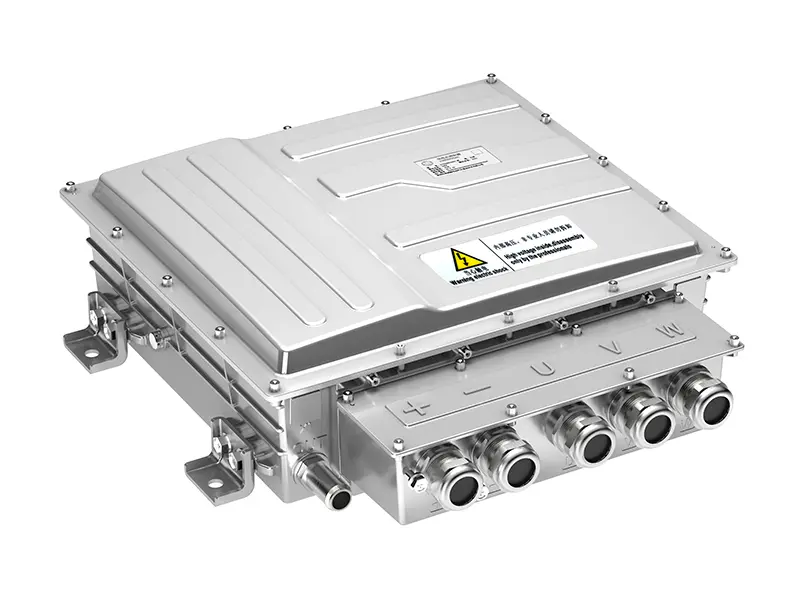
IP67/IP68 sealing technology protects the main control module through a sealed enclosure that blocks dust and water, and salt from reaching its internal electrical path, thus ensuring operation in coastal and off-road environments.
The system includes vibration-resistant design elements that use shock-absorbing brackets to support components and conformal coating to protect solder joints from ongoing movement. The flexible wiring harness design helps to distribute stress across connectors when the vehicle moves.
4. Select & Protect: Electric Vehicle Controllers in Extreme Conditions
Choosing the right controller and following proper maintenance protocols are key to ensuring stable performance in harsh environments. Below are concise guidelines for EV owners and fleet managers:
4.1 Selection Criteria
Environmental rating: Opt for controllers with an IP67 or higher sealing grade for wet, dusty, or coastal use. For extreme temperatures, select units rated to operate from -40°F to 185°F.
Manufacturer testing: Verify the controller has passed temperature cycling, vibration, and corrosion resistance tests to confirm harsh-environment durability.
Compatibility: Ensure full integration with the vehicle’s battery and motor systems—mismatched components cause communication delays and reduced efficiency.
4.2 Maintenance Best Practices
Regular inspection: Check connector pins for corrosion every 6 months (critical for coastal vehicles). Clean with a dry brush and apply anti-corrosion grease for protection.
Thermal system servicing: Flush the cooling/heating loop every 2 years to remove contaminants and replace coolant per the manufacturer’s guidelines.
Mounting check: Inspect shock-absorbing brackets annually for wear or damage. Tighten loose fasteners to avoid vibration-related internal component damage.
Software updates: Install manufacturer-released firmware updates to boost performance and fault diagnosis—these often include optimizations for extreme temperature operation.
5. Case Study: Electric Vehicle Control System Stability in Extreme Regions
Real-world deployments put advanced control system technologies to the test in the harshest operational conditions, showcasing their reliability and performance.
Case 1: Desert Operation in the Sahara
A fleet of electric delivery vans was deployed in southern Morocco, where summer temperatures regularly exceed 122°F. Equipped with liquid-cooled control systems and IP68-sealed controllers, the vehicles achieved 99% uptime over 12 months of service, with zero major system failures reported. The integrated thermal management systems cut overheating-related power reductions by 80% compared to standard EV models, ensuring consistent performance even in scorching desert heat.
Case 2: Arctic Testing in Northern Canada
EV manufacturers tested a next-generation control system design in the Northwest Territories, where winter temperatures plummet to -49°F. The system’s built-in pre-heating function enabled the core control unit to reach optimal operating temperature within 5 minutes of startup. This innovation reduced charging time by 25% and boosted driving range by 20% versus conventional systems. Additionally, the vibration-resistant mounting setup withstood the brutal conditions of ice roads, maintaining full functionality for 6 months without any component failures.
6. Conclusion & Future Trends
The electric vehicle control system needs stable operation with its main controller to achieve mass market adoption across different environmental conditions. The current technologies, which include active thermal management systems and high-level sealing mechanisms, and intelligent fault diagnosis systems, have achieved major advancements in system reliability, but future developments will enhance electric vehicle functionality.
The upcoming trends will concentrate on two essential domains:
AI-driven adaptive control: The system uses machine learning algorithms to process environmental data in real-time for automatic system parameter adjustments, which optimize performance based on particular environmental conditions without requiring driver input.
The production of controllers will use sustainable materials, which include recycled materials and corrosion-resistant materials for both housing and components to achieve environmental benefits and longer product lifespan.
The future development of EV technology depends on maintaining control system stability in extreme conditions because this capability determines how well vehicles perform and how happy their owners will be. The worldwide accessibility of EVs depends on their ability to operate in any environment that drivers encounter during their travels.