


News







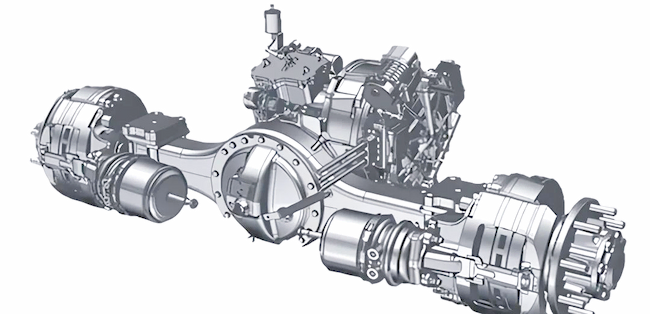
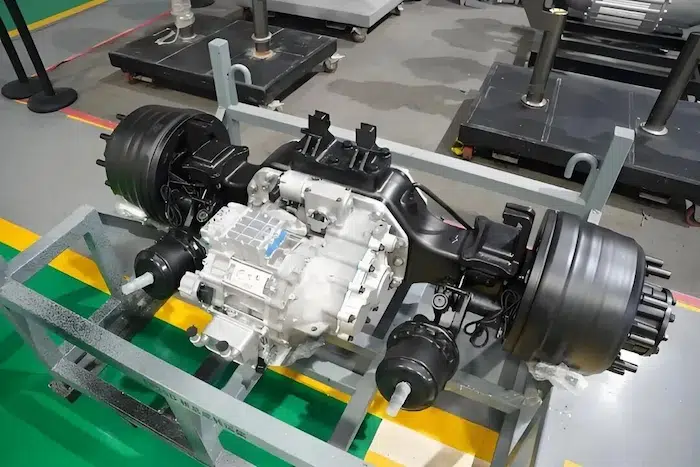
Maintenance techniques to extend the life of electric drive systems
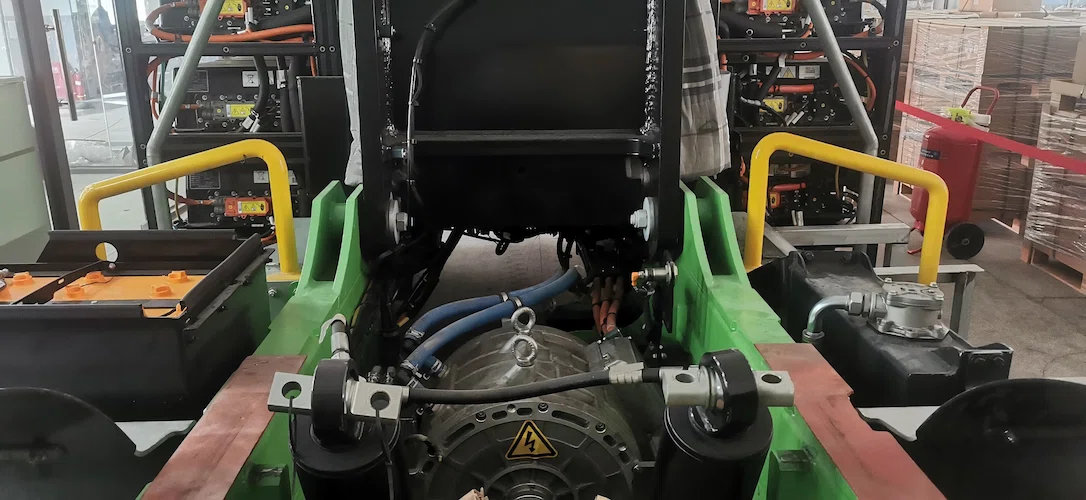
As the "heart and soul" of electric vehicles, the electric drive system directly determines driving reliability, efficiency, and service life. Among its core components, the motor controller in electric vehicle and power distribution unit electric vehicle are the "brain" and "power hub" respectively—their stable operation is key to prolonging the entire system’s lifespan. Below, we’ll break down practical maintenance techniques to help you safeguard your EV’s core performance.
1. Introduction
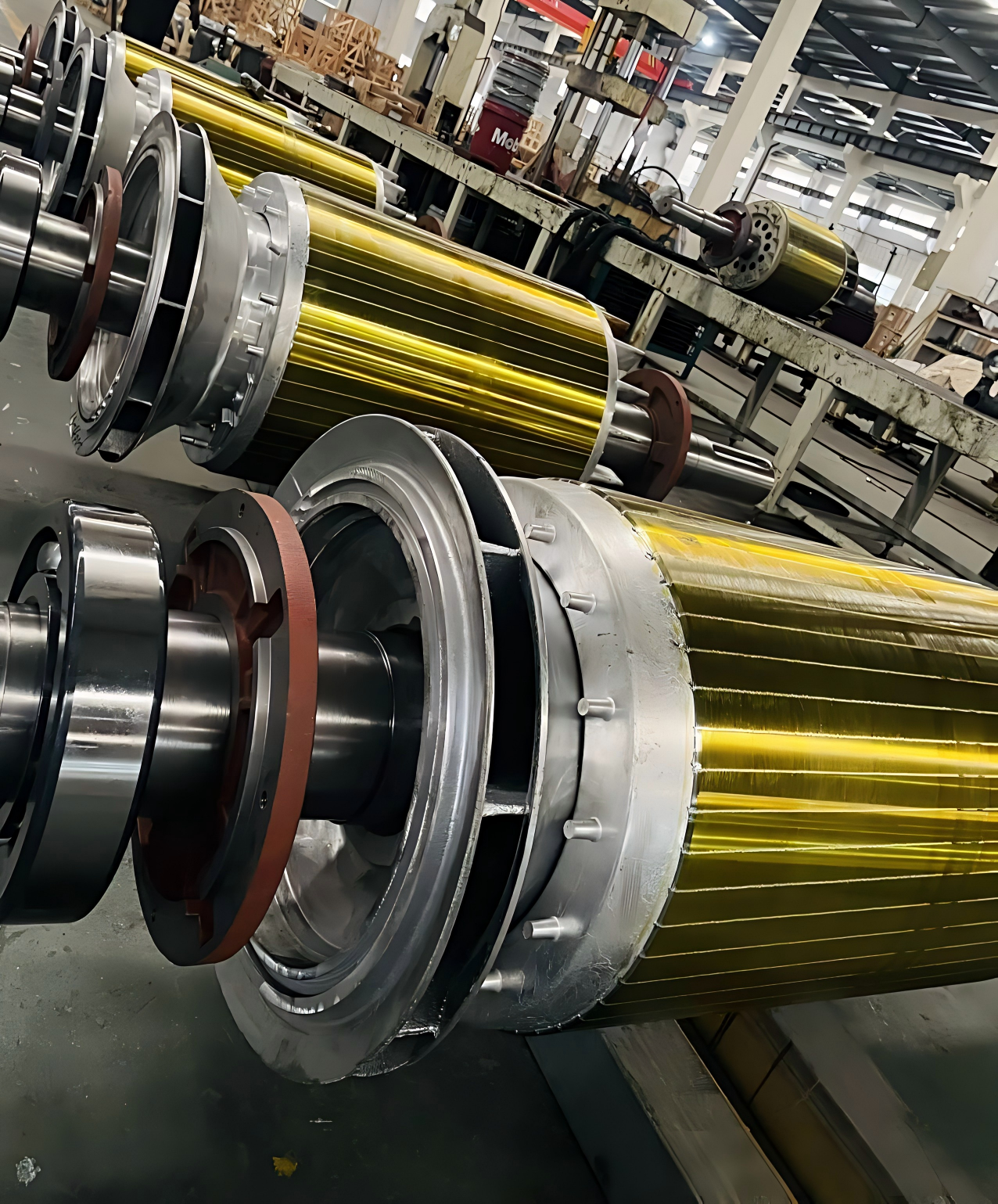
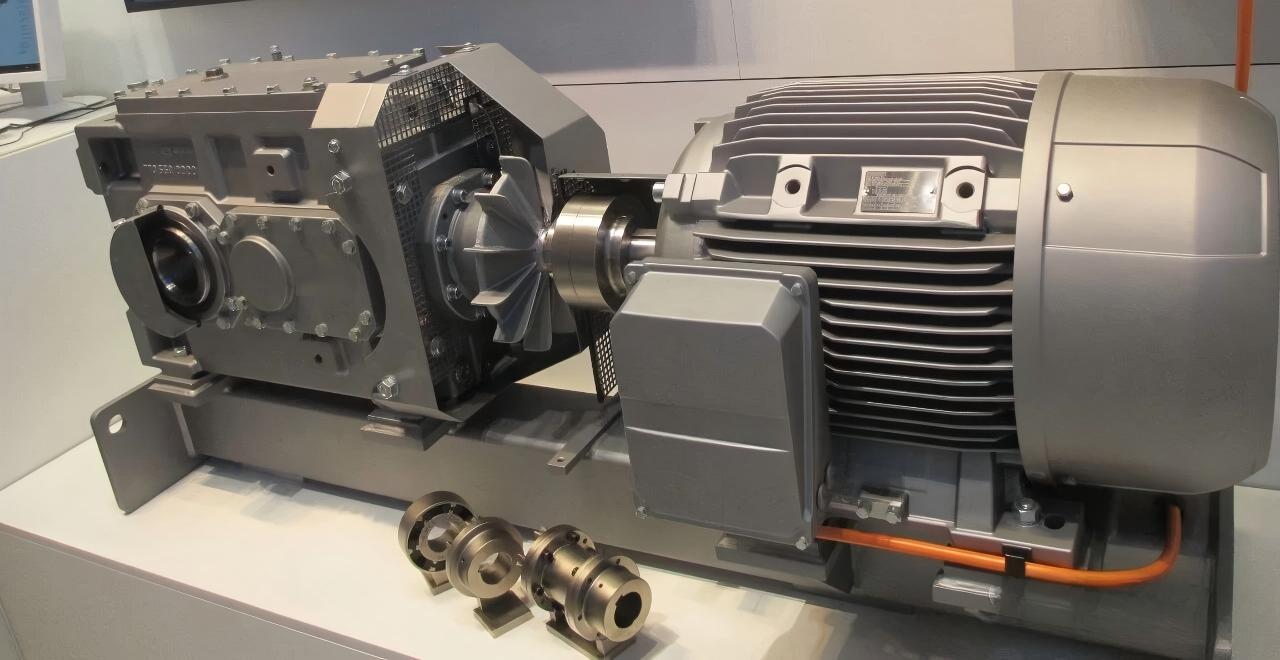
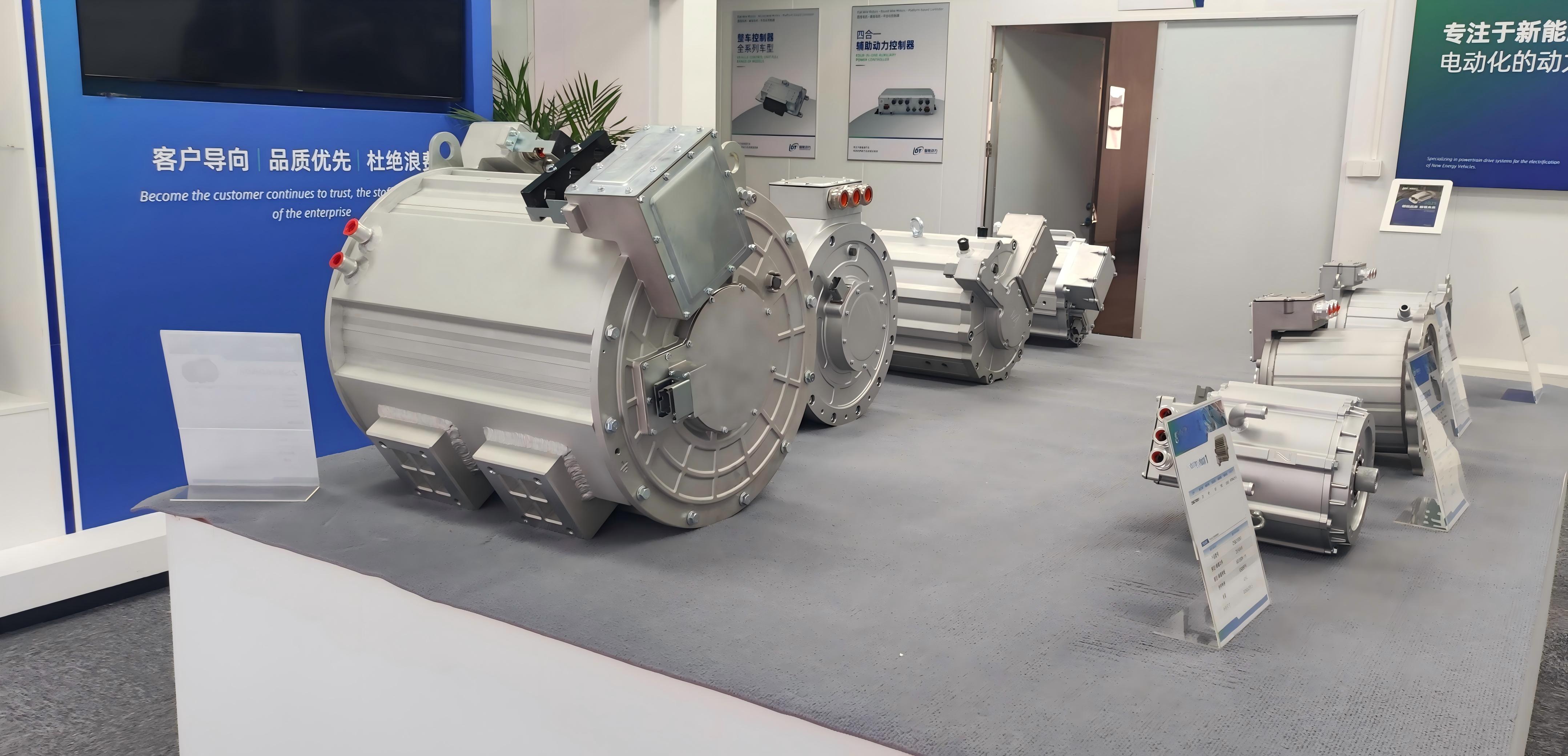
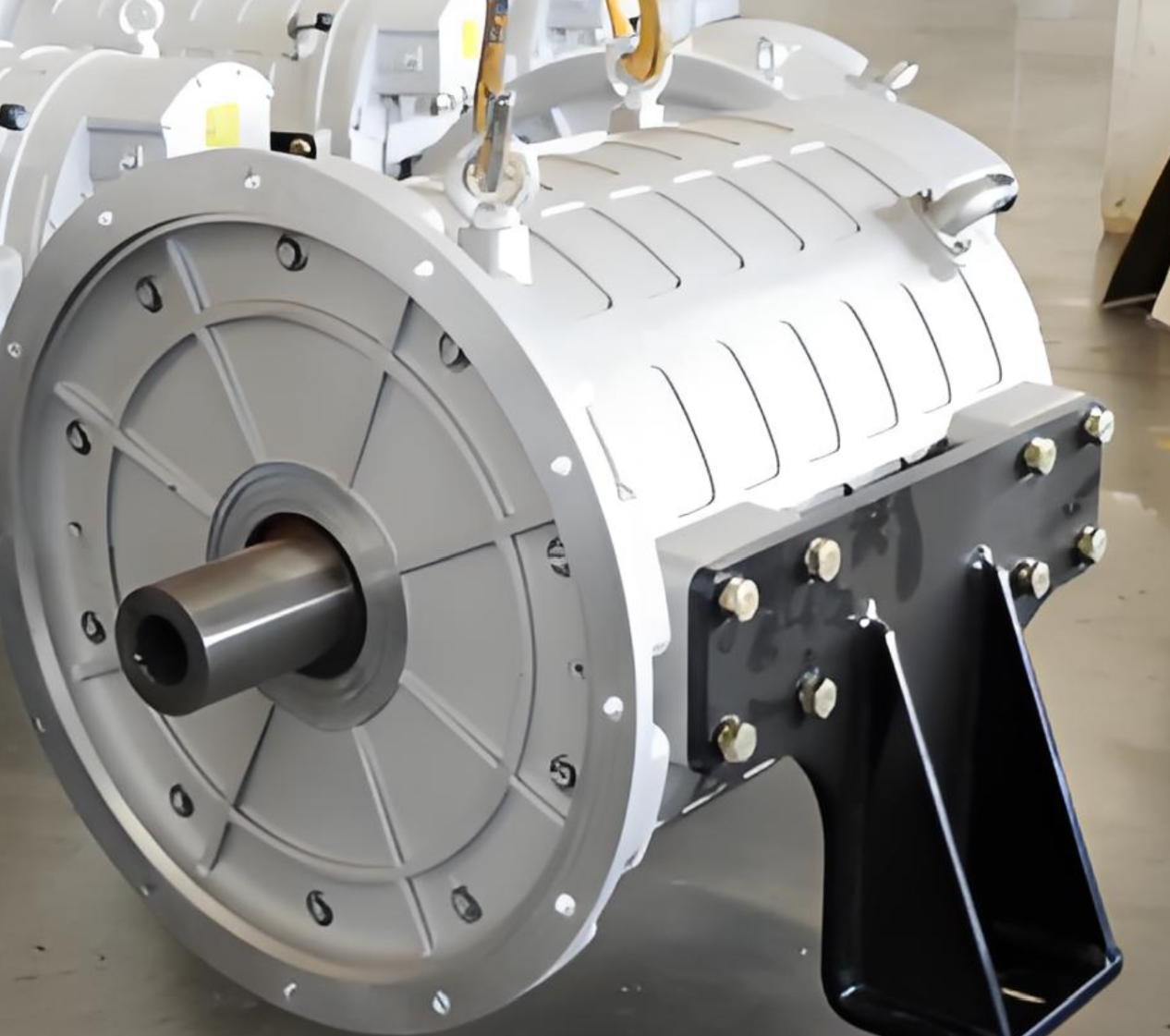
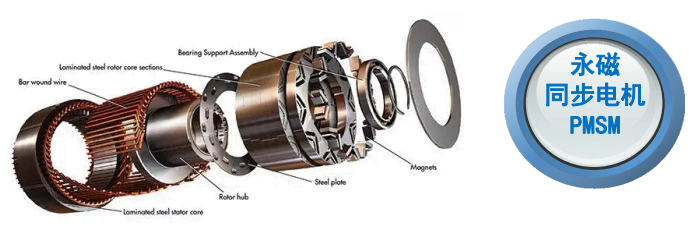
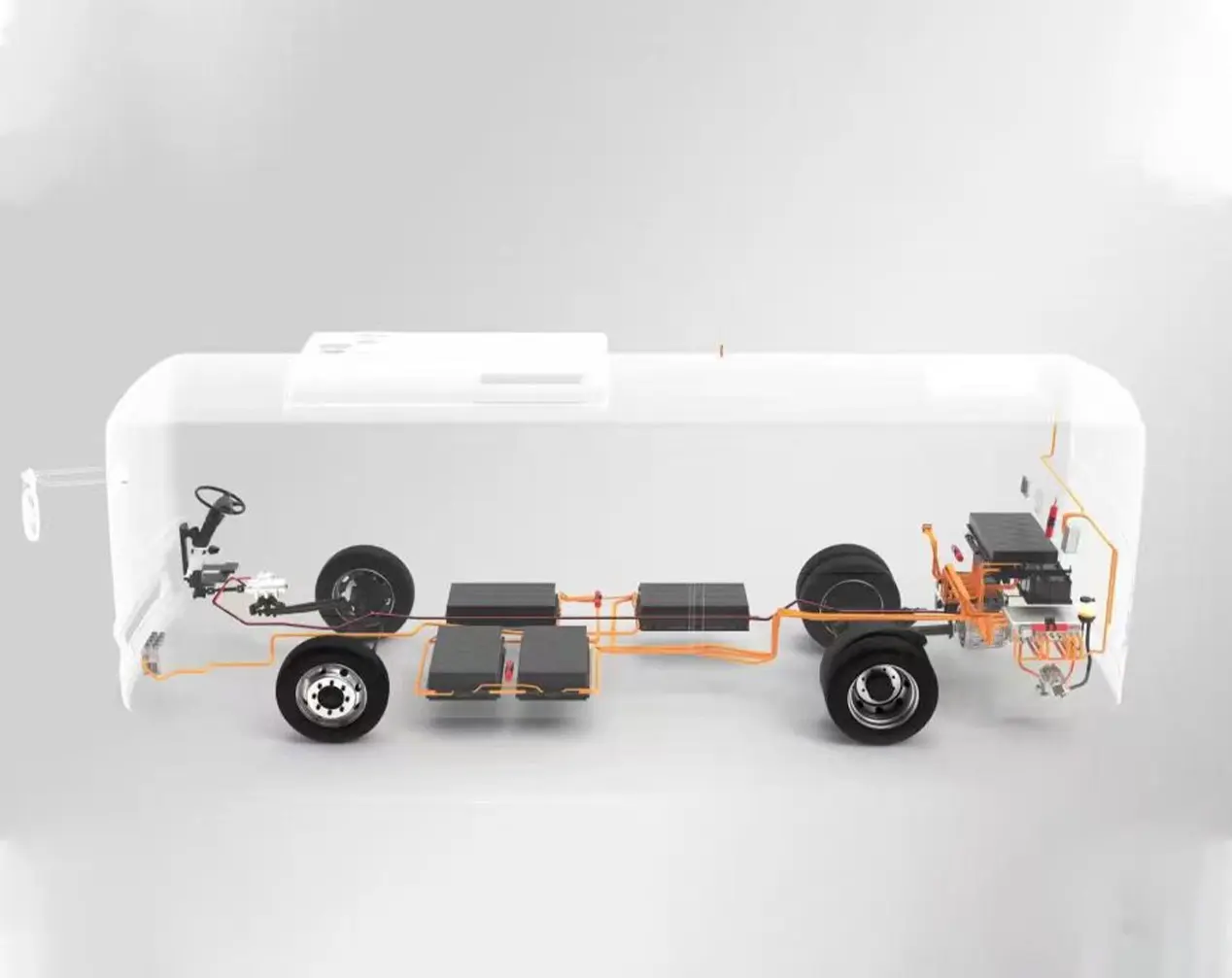
Electric drive systems integrate motors, motor controllers, PDUs, and transmission components, working in tandem to convert electrical energy into mechanical energy. For EV owners, fleet operators, or maintenance technicians, proper maintenance isn’t just about avoiding costly repairs—it’s about maximizing energy efficiency and extending the system’s service life by 30% or more. Among all components, the motor controller (responsible for regulating motor speed and power) and PDU (managing power distribution to batteries, controllers, and other parts) face the greatest operational stress. Their maintenance requires targeted techniques, which we’ll explore in detail.
2. Core Components Synergy: Motor Controller & PDU in Electric Drive Systems
To maintain the electric drive system effectively, it’s first critical to understand how its core components work together:
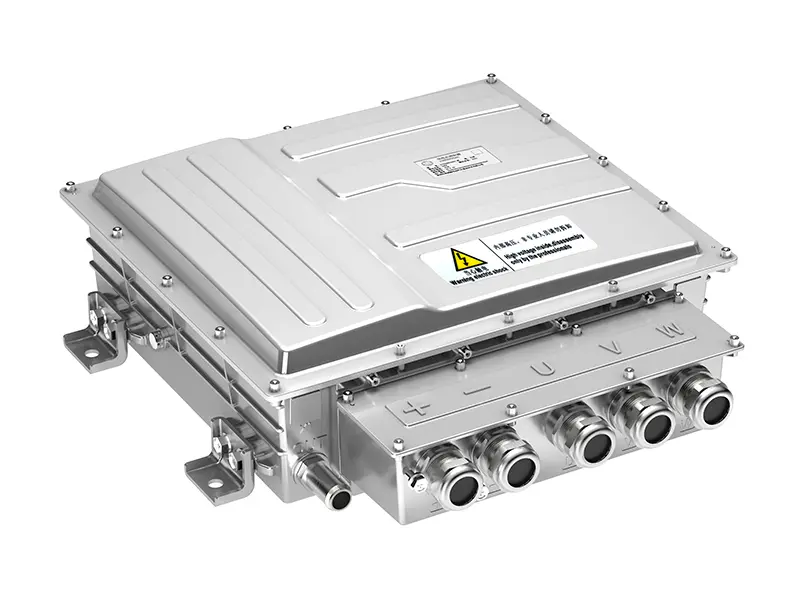
Motor controller in electric vehicle: Acts as the "command center," processing signals from the vehicle’s control unit to adjust current, voltage, and frequency supplied to the motor. It ensures smooth acceleration, deceleration, and energy recovery, operating under high voltage and temperature conditions.
Power distribution unit electric vehicle: Serves as the "power distribution hub," distributing high-voltage power from the battery to the motor controller, on-board charger, and other electrical components. It also includes protective functions (e.g., overcurrent, overvoltage protection) to shield the entire system from damage.
These two components are interdependent: a faulty PDU can cause unstable power supply to the motor controller, leading to overheating or misoperation; conversely, a malfunctioning controller may generate abnormal current that damages the PDU’s internal fuses or connectors. Their coordinated performance is the foundation of a reliable electric drive system.

3. Routine Inspection Checklist for Key Components
Regular visual and functional checks can catch issues early. Follow this checklist for monthly or bi-monthly inspections:
Motor controller:
Inspect wiring terminals for looseness, corrosion, or overheating marks.
Check the external casing for cracks, water ingress, or abnormal dust accumulation.
Verify that the controller’s status indicators show normal operation.
Power distribution unit electric vehicle:
Examine PDU connectors for tightness and clean any dust or debris.
Check fuses and circuit breakers for damage or tripping records.
Ensure the PDU’s cooling vents are unobstructed to prevent overheating.
General checks: Confirm that high-voltage cables are intact and that the system’s insulation resistance meets manufacturer standards.
4. Cooling System Maintenance: Critical for Motor Controller Longevity
The motor controller generates significant heat during high-load operation—overheating is one of the leading causes of shortened service life. Prioritize cooling system maintenance:
Coolant management: Check coolant level and quality every 6 months. Replace coolant according to the manufacturer’s recommended interval (typically 2–3 years) to avoid reduced heat transfer efficiency.
Radiator and fans: Clean the radiator’s surface to remove dust, leaves, or debris that block airflow. Test the cooling fan’s operation—ensure it activates automatically when the controller reaches a certain temperature.
Cooling circuit inspection: Check for coolant leaks in hoses, joints, and the controller’s cooling jacket. Repair any leaks promptly to prevent overheating.
5. Power Quality Management & PDU Care to Protect Motor Controller
Stable power supply from the PDU is essential for the motor controller’s longevity. Focus on these key points:
Voltage stability: Use a diagnostic tool to monitor the PDU’s output voltage—fluctuations exceeding ±5% may indicate internal component degradation (e.g., capacitors, relays) that requires professional inspection.
PDU cleaning and tightening: Every 12 months, have the PDU professionally disassembled for deep cleaning. Retighten loose fasteners to prevent poor contact and arcing.
Surge protection: Avoid frequent rapid charging at public stations with unstable power grids. Use surge protectors if necessary to shield the PDU and motor controller from voltage spikes.
6. Driving Habits to Reduce Motor Controller Stress
Driving behavior directly impacts the load on the motor controller and PDU. Adopt these habits to minimize wear:
Avoid aggressive acceleration/deceleration: Rapid acceleration forces the motor controller to output maximum current, increasing thermal stress. Accelerate and decelerate smoothly to keep current fluctuations moderate.
Limit high-load operation: Avoid prolonged high-speed driving (exceeding 120km/h) or climbing steep slopes for extended periods. If necessary, take breaks to allow the controller and PDU to cool.
Optimize charging habits: Avoid charging the battery to 100% or discharging it to 0% frequently—maintain a 20%–80% charge range. This reduces the PDU’s load during charging/discharging cycles.
7. Troubleshooting Early Warning Signs of System Issues
Ignoring early warnings can lead to severe damage. Address these signs immediately:
Abnormal noises: Whirring, clicking, or grinding sounds from the motor/controller area may indicate loose components or internal wear.
Dashboard warning lights: Lights for "motor system fault," "high-voltage system error," or "PDU malfunction" require immediate diagnostic checks.
Performance degradation: Reduced acceleration, slower energy recovery, or increased power consumption may signal controller efficiency decline or PDU component failure.
Overheating alerts: If the EV prompts "drive system overheating" or limits power, stop driving immediately and let the system cool before inspection.
8. Professional Maintenance vs. DIY Care Boundaries
While basic inspections and cleaning can be done by owners, certain tasks require professional expertise:
DIY-friendly tasks: Visual inspections, coolant level checks, surface cleaning of radiators/fans, and tightening external connectors.
Professional-only tasks:
Internal inspection and repair of the motor controller and PDU.
Coolant replacement and cooling system pressure testing.
Insulation resistance testing and fault code diagnosis.
Replacement of PDU fuses, relays, or controller internal components.
Never attempt to disassemble high-voltage components without proper training—this may result in electric shock or further system damage.
9. Summary & Key Takeaways
Extending the life of your EV’s electric drive system boils down to three core principles: regular inspection, targeted maintenance, and sensible driving. The motor controller in electric vehicle and power distribution unit electric vehicle are the system’s most critical components—prioritize their cooling, power quality, and connection integrity.
By following the maintenance checklist, managing the cooling system, adopting gentle driving habits, and addressing warning signs promptly, you can significantly extend the drive system’s service life, reduce maintenance costs, and ensure consistent EV performance. Remember: preventive maintenance is always more cost-effective than reactive repairs—stick to the manufacturer’s recommended maintenance schedule for optimal results.
Whether you’re an EV owner, fleet manager, or maintenance professional, these techniques will help you get the most out of your electric drive system. For complex issues, always consult certified technicians to ensure safety and reliability.