


News








Which motor is used in EV cars??
If you’ve ever driven an electric car, you know the feeling: instant acceleration, near-silent operation, and a smooth surge of power that feels entirely different from a gasoline engine. But what’s actually creating that experience? It’s not magic—it’s the motor. And contrary to what many think, not all EV motors are the same.
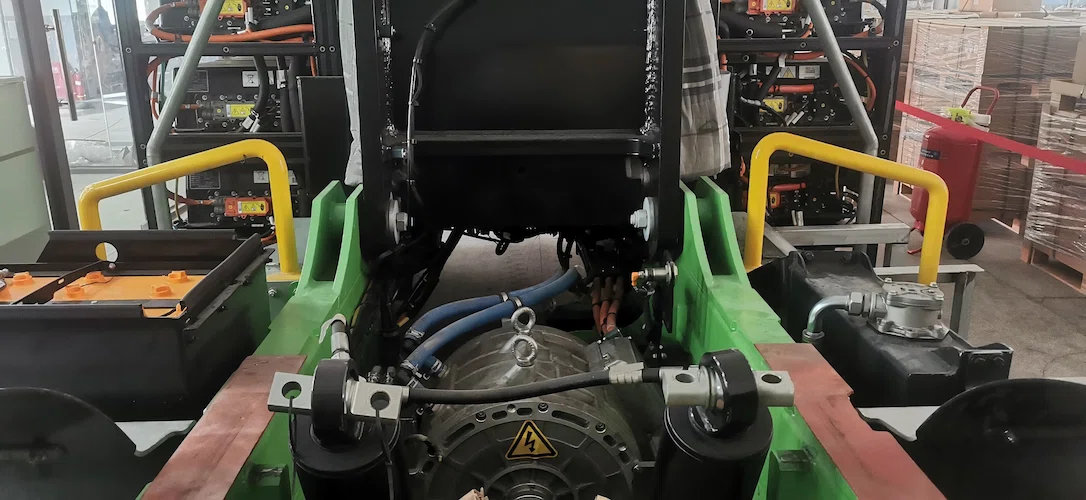
Walk through any EV factory or talk to engineers designing the next wave of electric vehicles, and you’ll hear a few motor types being discussed. Each brings its own personality to the car.
The Power Behind the Plug
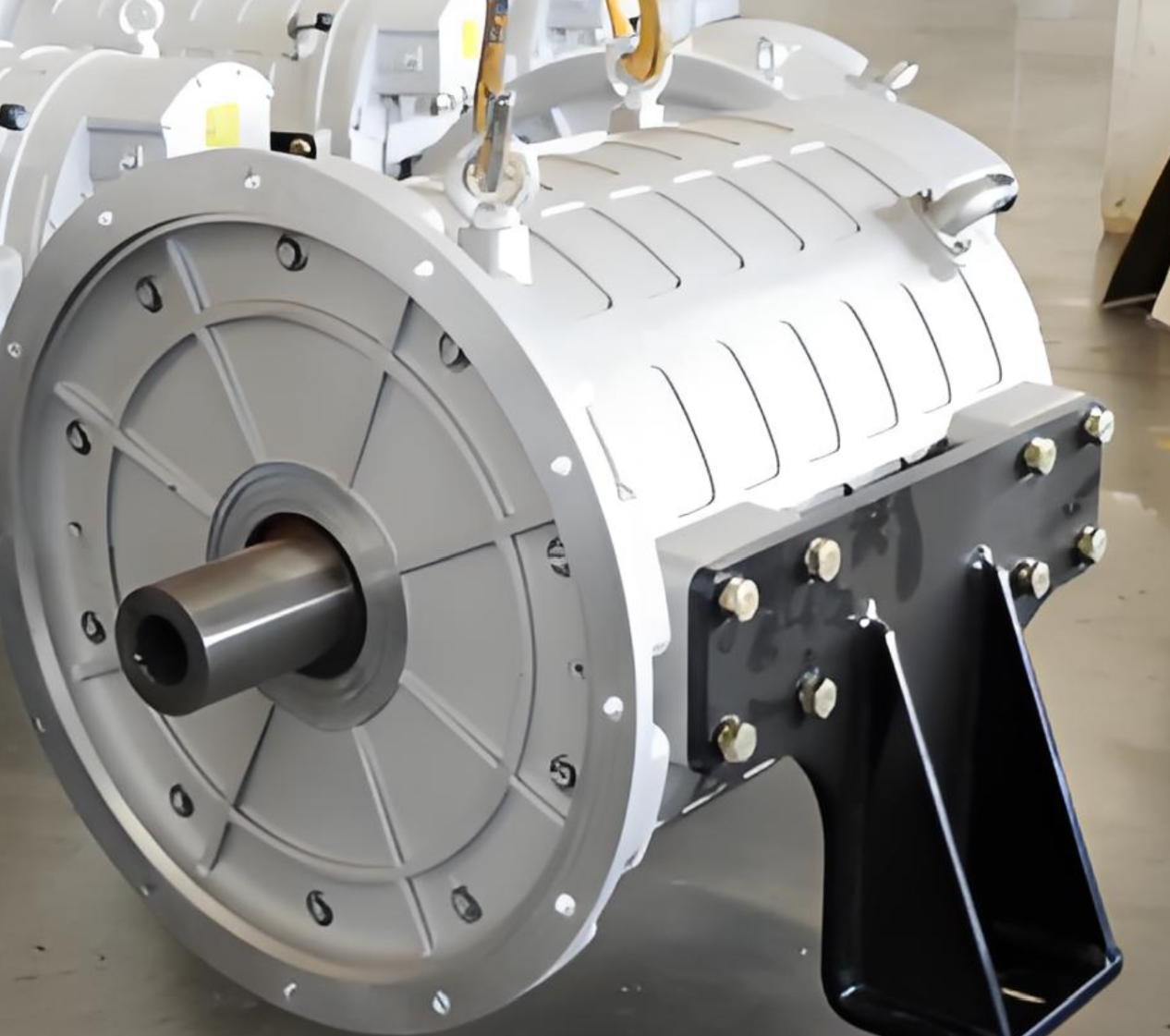
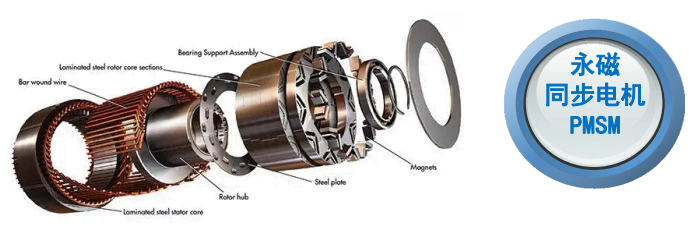
Most modern electric cars rely on one of two main motor technologies: permanent magnet synchronous motors (PMSM) or induction motors (also known as asynchronous motors). Some high-performance models even use both.
Permanent magnet motors are the quiet achievers. They’re compact, highly efficient, and use powerful rare-earth magnets to create a constant magnetic field. This makes them brilliant for maximizing range—perfect for everyday commuters and family SUVs where efficiency is key. But those magnets add cost and rely on specific materials, which is why some manufacturers explore alternatives.
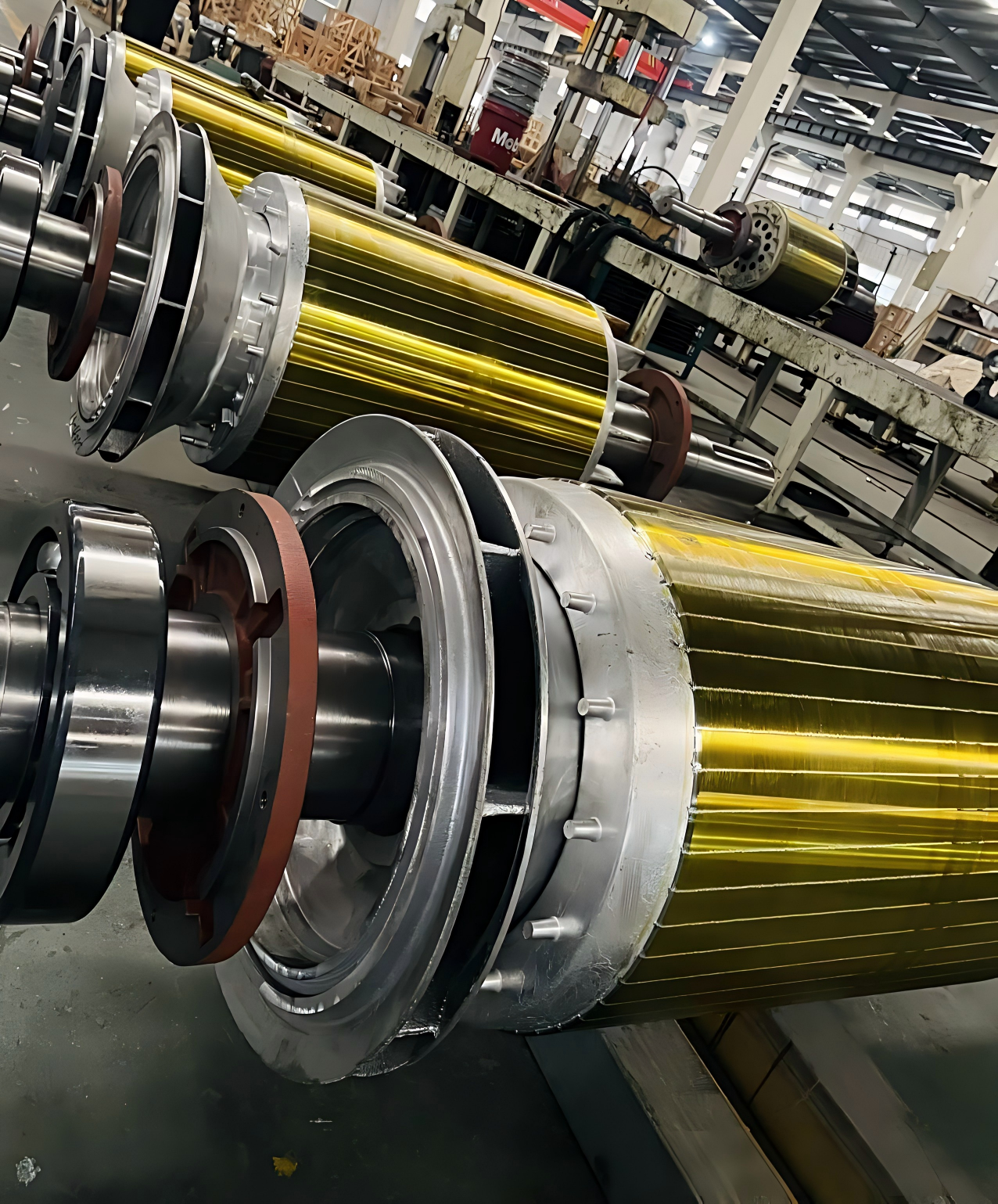
Then there are induction motors, famously championed by Tesla in its dual-motor setups. These motors generate their magnetic field electrically, without permanent magnets. They’re a bit less efficient at low speeds but excel in high-power, high-speed scenarios. They’re robust, often more affordable to produce, and can handle intense acceleration without breaking a sweat. You’ll often find one on the front or rear axle of performance EVs, working in tandem with another motor to deliver stunning power.
It’s Not Just About Type—It’s About Execution
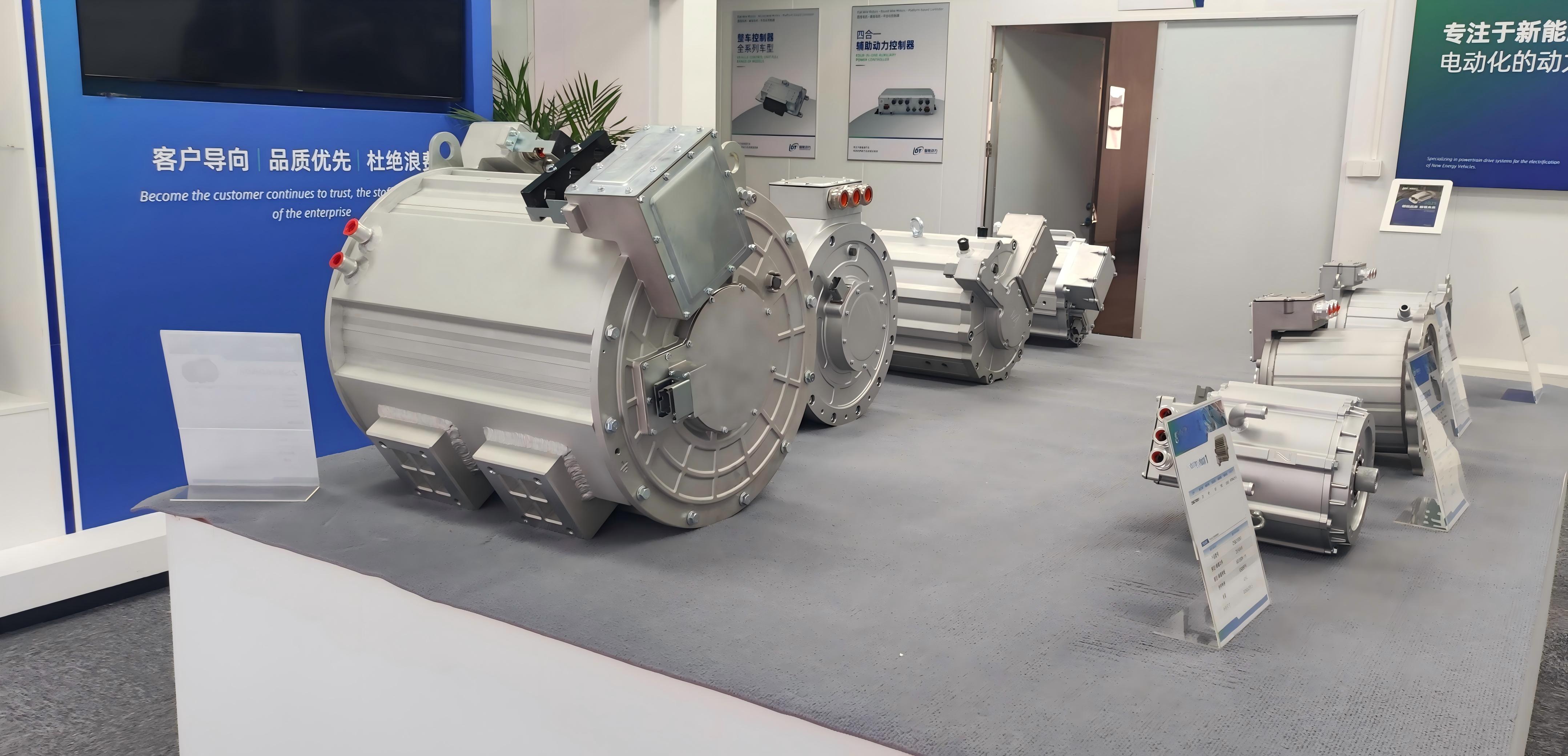
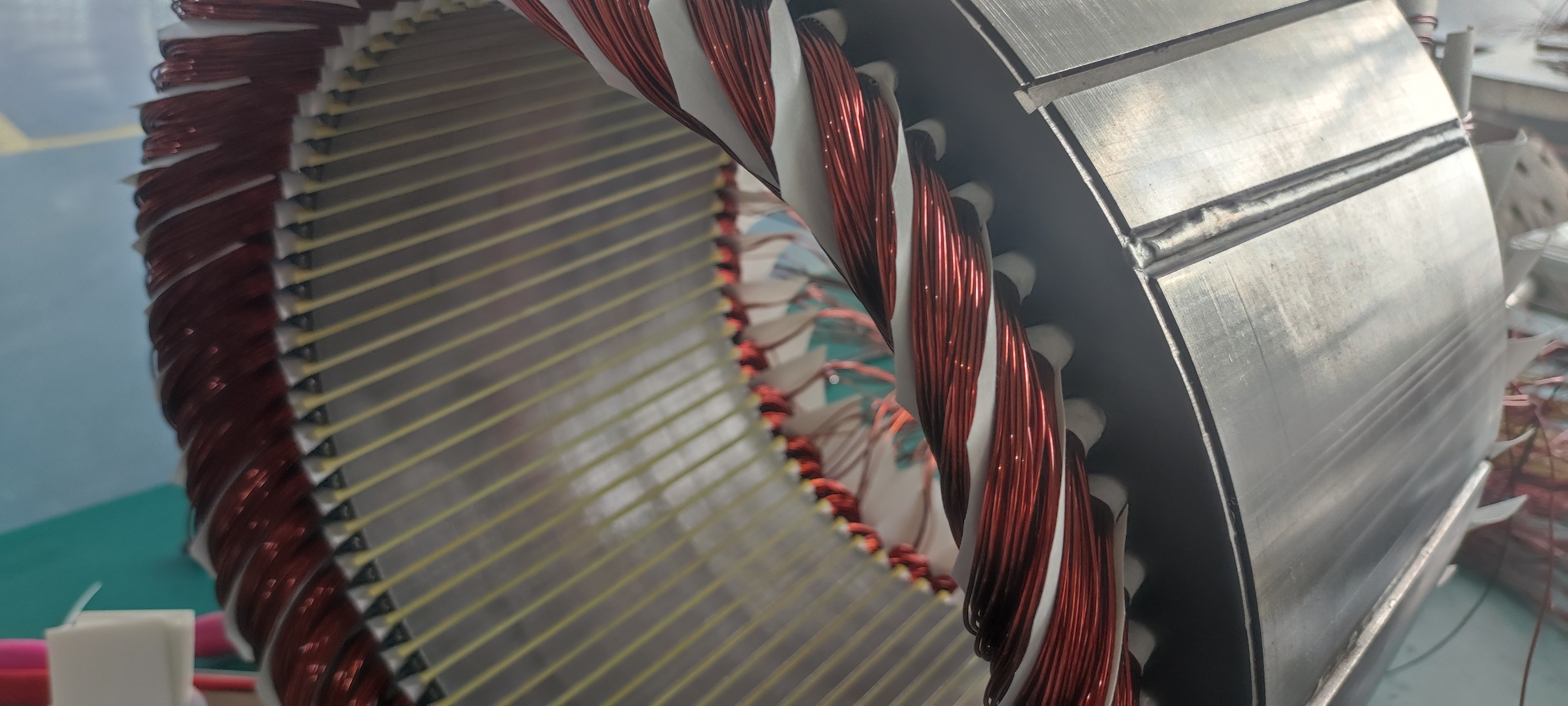
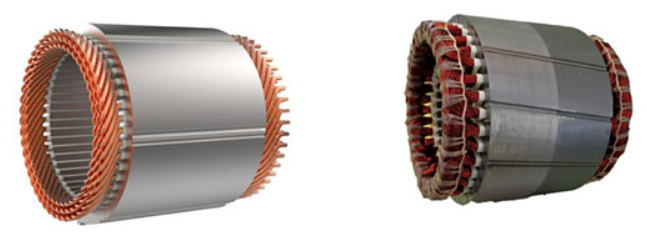
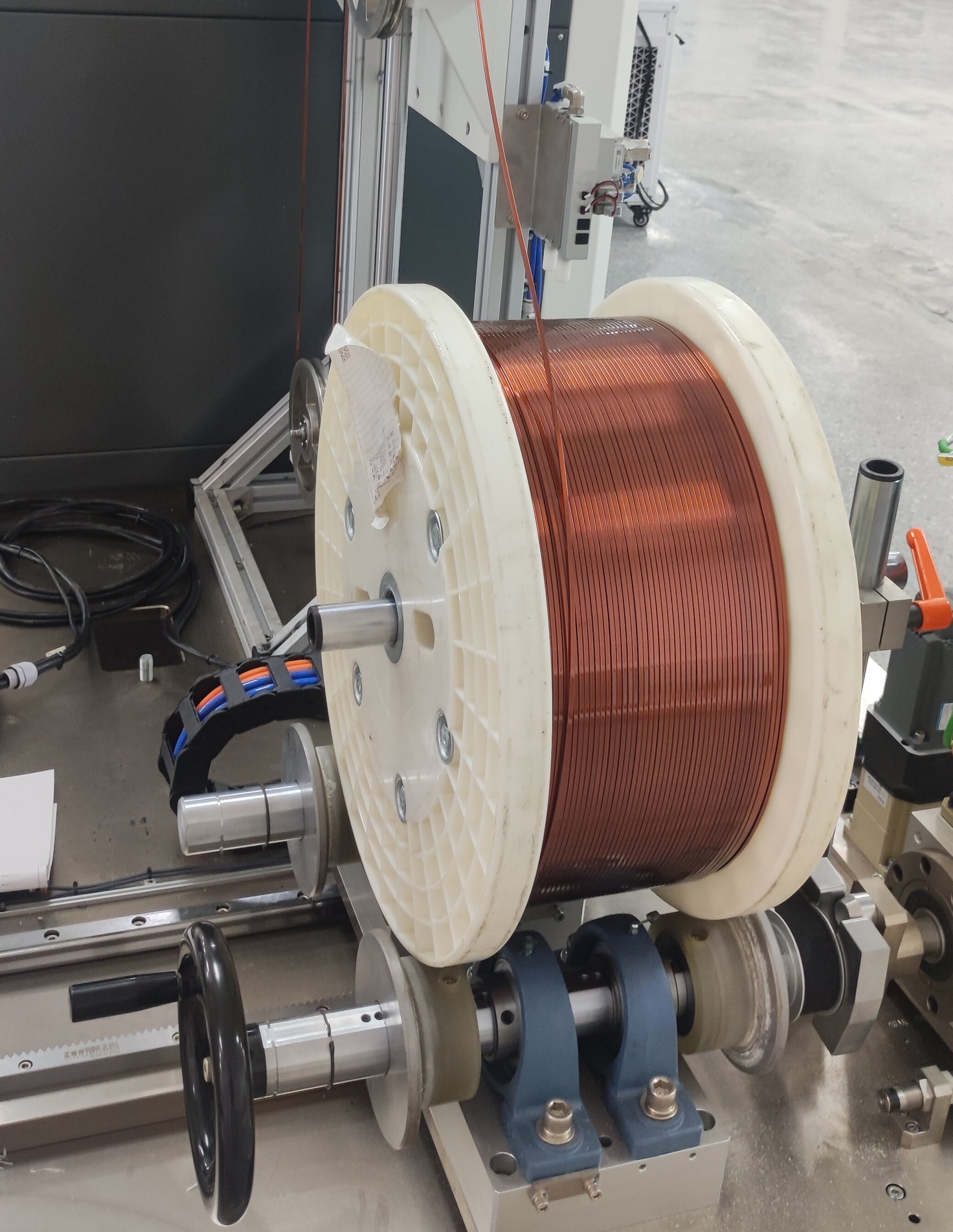
What’s fascinating is that the motor type is only part of the story. How it’s built matters just as much. For example, at Pumbaaev, we’ve seen that advancements in cooling systems, winding techniques (like using flat wire hairpin windings), and precision manufacturing can influence performance and reliability more than the basic motor category alone.
Think of it like baking: even with the same recipe, the technique, ingredients, and equipment used will define the final result. That’s why many motor suppliers, including us, focus heavily on tailoring the motor’s design to its intended use—whether it’s for a city car, a long-haul electric truck, or a high-performance sports sedan.
So, Which Motor Wins?
There’s no single “best” motor for every EV. The choice depends on the vehicle’s goals: Is it targeting maximum range? Affordable price? Raw performance?
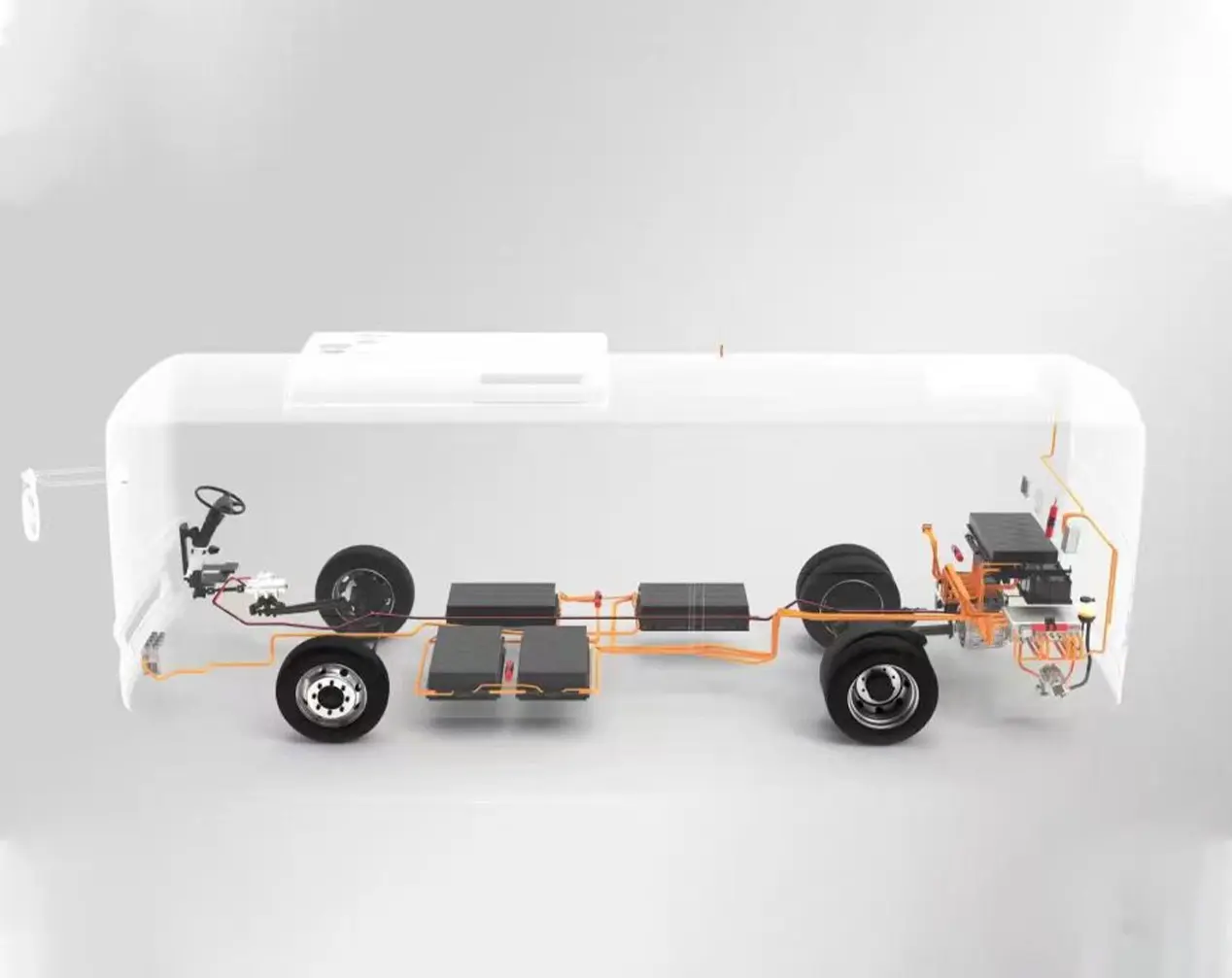
Often, carmakers mix and match. They might use a permanent magnet motor on one axle for everyday efficiency and an induction motor on the other for explosive power when needed.
This is where experience as a manufacturer really counts. At Pumbaaev, we don’t just sell motors—we help designers and brands choose or co-develop the right propulsion solution. With expertise across different motor technologies, we focus on delivering the balance of efficiency, power, and cost that matches each project’s vision.
More Than a Component—A Driving Experience
In the end, the motor defines the character of an electric car. It influences everything from how far you can drive to how the car responds when you press the pedal.
As EVs continue to evolve, we’re seeing more innovation in motor design—not just for performance, but for sustainability too, including magnet-free designs and easier recycling.
For drivers, it’s worth peeking under the surface. The type of motor hidden inside your EV plays a huge role in making your drive smooth, thrilling, or efficient.
And for manufacturers, picking the right partner to build that motor is just as critical.
Interested in learning how different motor technologies can bring your electric vehicle project to life?
Explore our motor solutions and technical expertise at www.pumbaaev.com. At Pumbae, we engineer not just components, but the future of electric motion.