


News








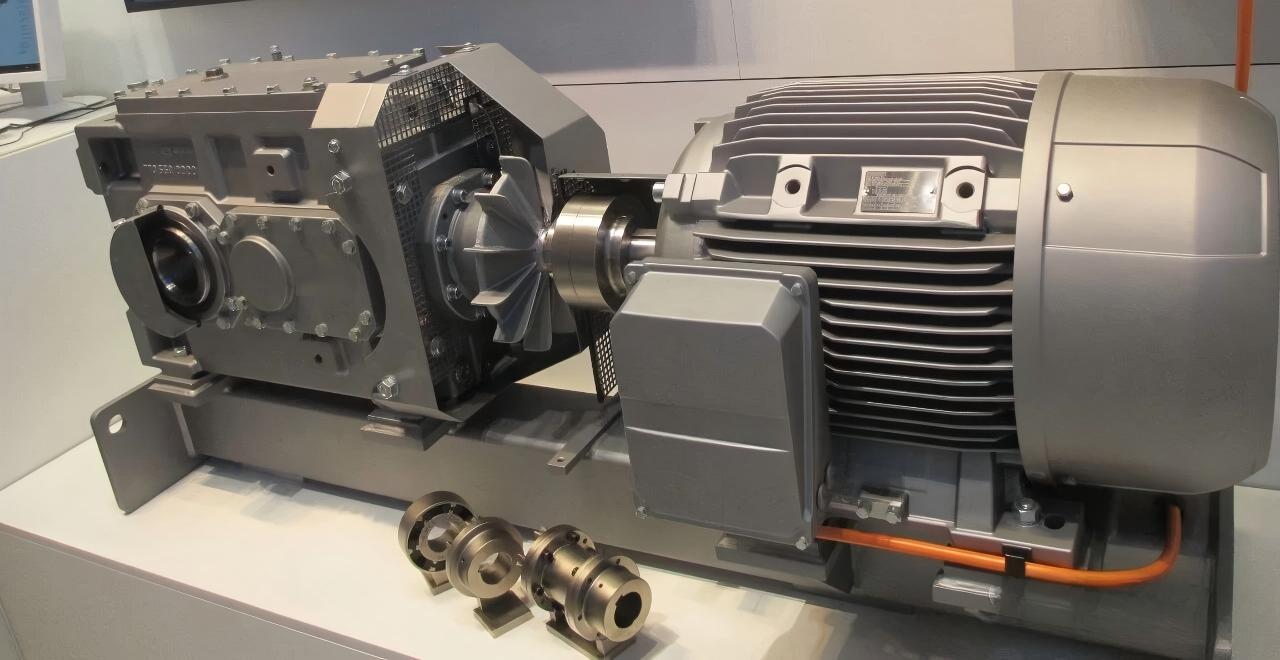
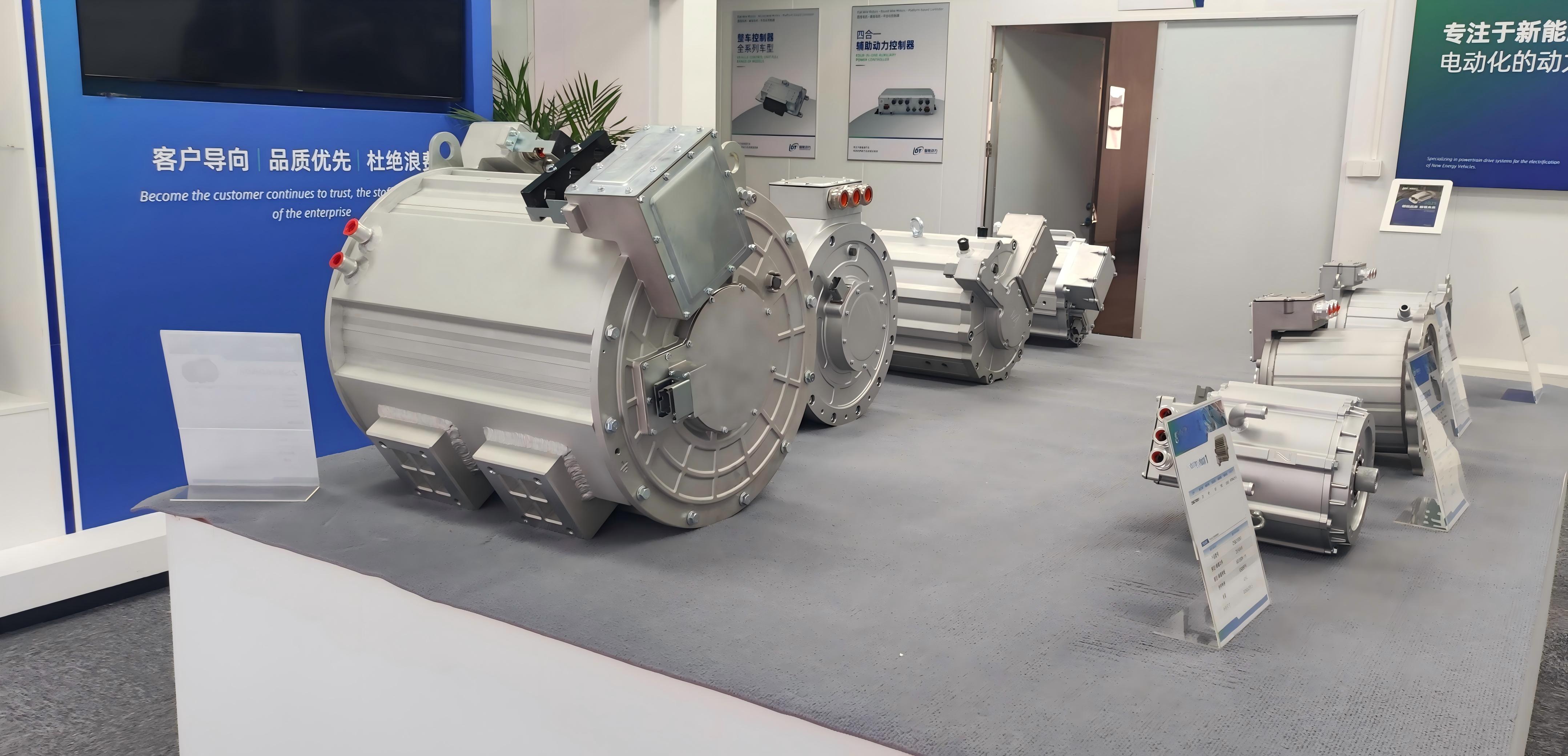
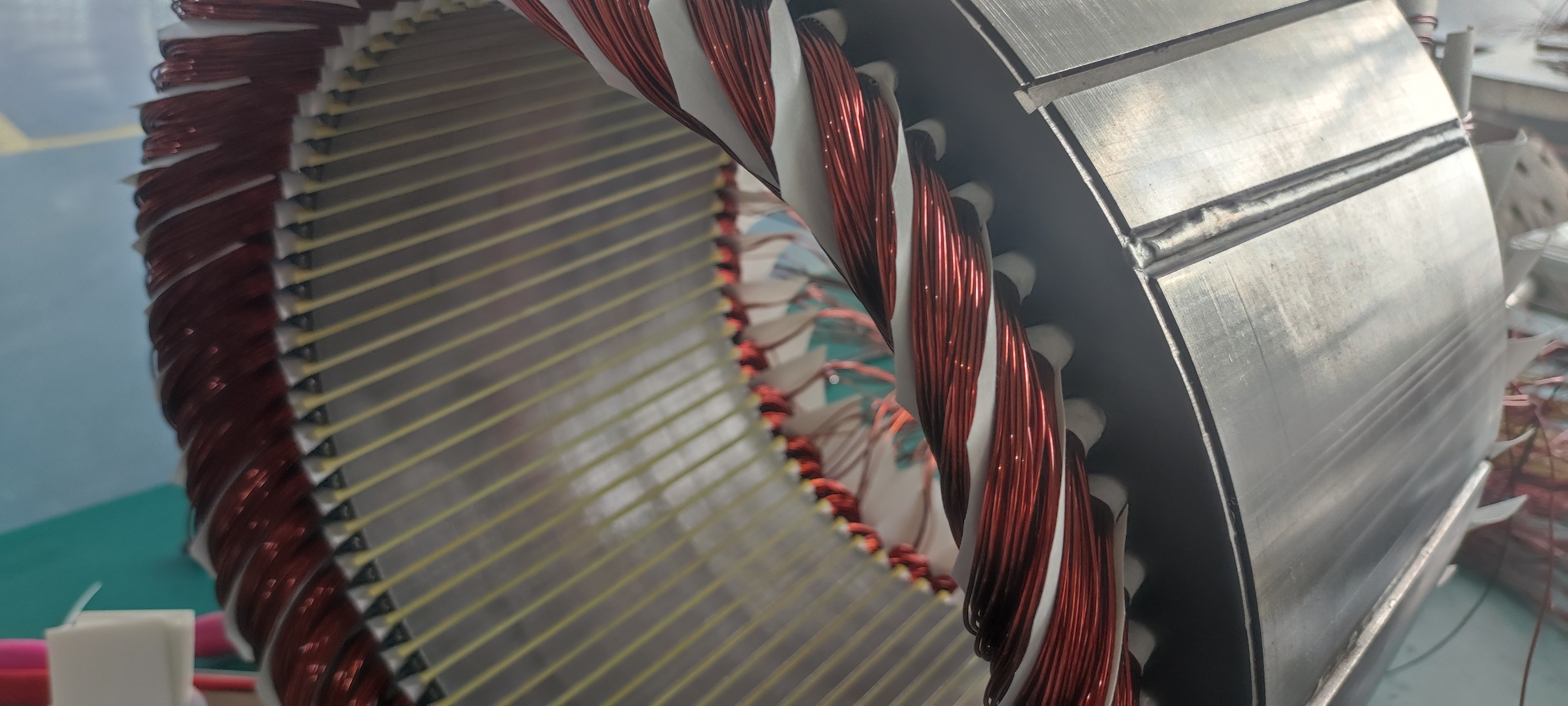
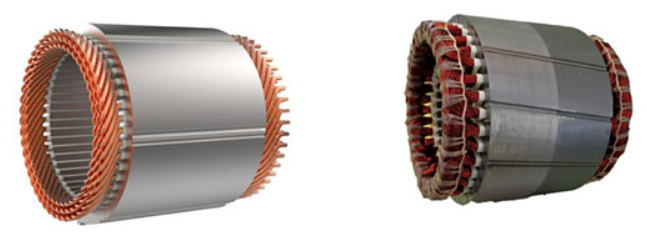



What are the future development directions of permanent magnet synchronous motors?
Permanent magnet synchronous motors (PMSM) have evolved into core power components in modern electrified systems, celebrated for their high efficiency, superior power density, and exceptional dynamic performance. Driven by global carbon neutrality goals, stringent energy conservation policies, and the rapid electrification of key industries—from automotive and manufacturing to aerospace—PMSM have been widely adopted in new energy vehicles (NEVs), industrial automation equipment, aerospace propulsion systems, household appliances, and distributed power generation projects.
As material science, power electronic technology, and control algorithms continue to advance, PMSM is undergoing a profound transformation toward higher performance, intelligence, greenization, and system integration. This article comprehensively explores the development context, core technologies, application scenarios, existing challenges, and future trends of PMSM, while elaborating on advanced design methods, aiming to provide systematic insights for industry researchers, engineers, and decision-makers.
I. Introduction
Amid global mid-century carbon neutrality goals and accelerated industrial electrification, demand for high-efficiency, reliable motors has surged. Permanent magnet synchronous electric motor outperforms induction, switched reluctance, and other conventional motors with unique technical advantages.
Unlike induction motors relying on rotor winding excitation, PMSMs use high-performance permanent magnets for rotor magnetic fields, eliminating rotor copper losses. This boosts energy efficiency by 5-10% and power density by 20-30%, making them ideal for NEV traction, high-precision servo equipment, aerospace auxiliary power units, and distributed wind/solar generation.
Their fast response and low torque ripple also make them indispensable for precision scenarios like industrial robots and machining equipment.
However, large-scale PMSM application faces bottlenecks: high rare-earth magnet costs (30-40% of total costs), poor thermal stability, complex control requirements, and reliance on high-end power electronic components and simulation tools.
Continuous innovation in magnet materials, structural design, simulation, and control algorithms is essential. This article sorts out PMSM’s core aspects with practical cases and challenge analysis, providing references for research and engineering.
II. Development and Research Status of PMSM
(I)Development Foundation
The development and popularization of permanent magnet synchronous motors are closely bound to breakthroughs in three core fields: permanent magnet material technology, power electronics technology, and control theory. These three pillars complement each other, driving PMSM technology from laboratory research to large-scale industrial production.
In terms of permanent magnet materials, early 20th-century motors relied on ferrite and AlNiCo magnets, which had low magnetic energy products (20-30 kJ/m³ for ferrite, 40-60 kJ/m³ for AlNiCo), resulting in low power density, large volume, and limited efficiency, restricting their use to low-power scenarios like small fans. The invention and industrialization of rare-earth magnets in the 1980s marked a milestone—neodymium-iron-boron (NdFeB) magnets boast a magnetic energy product of 200-400 kJ/m³ (5-10 times that of ferrite), fundamentally enabling PMSM’s miniaturization, high efficiency, and high power density.
Samarium-cobalt (SmCo) magnets (150-250 kJ/m³) further expanded PMSM’s application in high-temperature environments. Meanwhile, mature insulated gate bipolar transistors (IGBT), silicon carbide (SiC) MOSFETs, and gallium nitride (GaN) devices have improved drive efficiency and reliability, while control algorithm iteration (from scalar control to FOC/DTC, then to MPC) has enhanced PMSM’s performance in complex conditions.
(II)Domestic and Foreign Research Status
Internationally, developed countries have formed mature PMSM technology systems and industrial chains. Japan focuses on automotive and household appliance applications: Toyota, Nissan, and Mitsubishi Electric have decades of NEV PMSM experience, with Toyota’s Prius hybrid adopting PMSM as the core traction motor for multiple generations (system efficiency exceeding 90%), and Mitsubishi’s high-precision servo PMSM (torque ripple <1%) widely used in industrial robots.
Germany excels in high-speed, high-power PMSM—Siemens and Bosch have developed models with speeds over 20,000 RPM and efficiency exceeding 98%, applied in centrifugal compressors and aerospace auxiliary power units. The US targets high-end fields: GE’s multi-megawatt PMSM powers ship propulsion and wind turbines, while MIT and Stanford explore AI-based control algorithms and new magnets.
Domestically, driven by NEV industry growth and policy support, BYD, Huawei, and Great Wall Motors have mastered core technologies (NdFeB preparation, topology design, vector control), mass-producing PMSM for NEV traction, industrial servo, and household appliances. BYD’s blade motor (a type of IPMSM) has a power density of over 3kW/kg, widely used in its NEV lineup. However, gaps remain in high-end rare-earth materials, independent simulation software, and high-precision control chips.
(III)Industry Applications
PMSMs are widely adopted across key sectors, becoming a core driver of electrification and energy conservation. In NEVs, PMSM dominates traction and auxiliary systems: IPMSM, with excellent flux-weakening capability, is the mainstream for mid-to-high-end NEV traction (meeting starting, climbing, and cruising needs), while SPMSM is used in air conditioning compressors and water pumps for energy saving and noise reduction, extending vehicle endurance.
In industrial automation, PMSM is the core of servo systems, industrial robots, and CNC machines. High—precisionon servo PMSM ensures stable, accurate movement of robot joints and machining tools. In aerospace, SmCo-based PMSM (with superior thermal stability) is used in auxiliary power units, flight control actuators, and satellite attitude control systems, adapting to harsh aviation/space environments.
In household appliances, PMSM has gradually replaced induction motors in air conditioners, washing machines, and refrigerators, reducing energy consumption by 10-20% and meeting strict energy efficiency standards. In the energy sector, permanent magnet direct-drive wind turbines eliminate gearboxes, cutting maintenance costs and improving efficiency, becoming a wind power industry trend.
III. Core Technologies of PMSM
(I)Design Technology
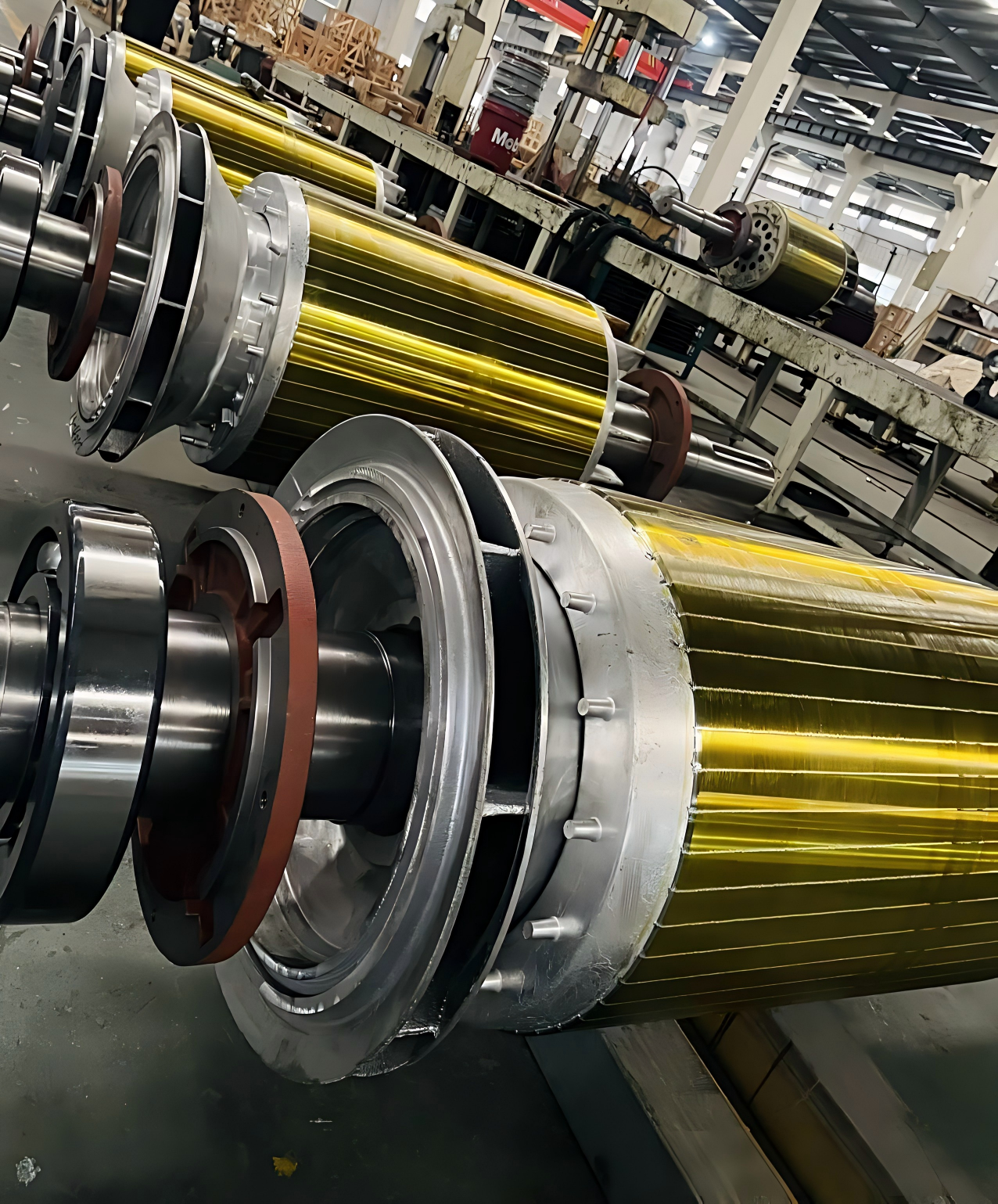
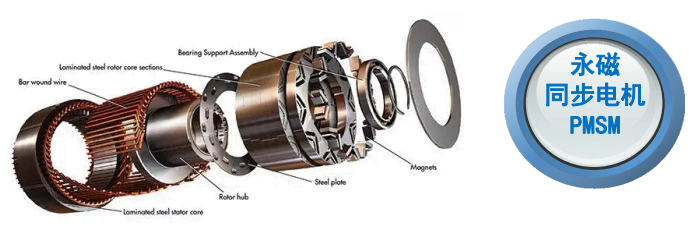
Design technology is central to improving permanent magnet synchronous motor’s comprehensive performance, covering rotor/stator topology, magnet layout, loss control, structural reliability, and cooling system design, while balancing performance, cost, and manufacturability. Rotor topology has two mainstream types: SPMSM attaches magnets to the rotor surface, featuring a simple structure, easy manufacturing, and low cost, suitable for low-speed, low-power scenarios.
IPMSM embeds magnets in the rotor core (with flux barriers for optimized magnetic circuits), offering higher torque density and flux-weakening range, ideal for NEV traction and high-performance servo systems. Magnet layout optimization (Halbach array, fractional-slot concentrated winding) enhances air-gap magnetic density and reduces torque ripple—Halbach array boosts power density by concentrating magnetic flux, while fractional-slot winding shortens end windings to lower copper loss.
Loss optimization targets iron loss, copper loss, and stray loss. Cooling systems (water/oil cooling for high-power/high-speed models) prevent magnet demagnetization by efficiently dissipating heat.
(II)Simulation Technology
Simulation technology shortens R&D cycles, reduces costs, and improves reliability by enabling full-dimensional performance prediction. Modern PMSM design relies on multi-physics simulation tools to integrate electromagnetic, thermal, mechanical, and fluid dynamics simulations.
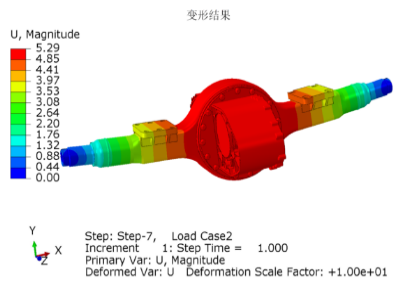
Electromagnetic simulation optimizes magnetic circuits, calculates torque ripple and loss distribution, and avoids magnetic saturation. Thermal simulation predicts temperature distribution of windings, magnets, and housings, guiding cooling channel design to keep magnet temperature below 120-150°C (NdFeB’s safe limit). Mechanical simulation (Ansys Mechanical) verifies rotor strength and dynamic balance under high centrifugal force, optimizing structures like carbon fiber sleeves.
With digital twin technology, simulation integrates with physical prototypes for real-time parameter adjustment, iterative optimization, and predictive maintenance, reducing unexpected failure risks.
(III)Control Technology
Control technology directly determines PMSM’s dynamic performance, efficiency, and stability, evolving from traditional scalar control to modern intelligent strategies. Mainstream FOC and DTC meet different application needs: FOC converts three-phase current to d/q coordinates via Park/Clark transformation, independently controlling excitation and torque current for low ripple, high precision, and smooth speed regulation.
DTC directly controls torque and flux via voltage vector selection, featuring fast response and simple algorithms. Emerging MPC and adaptive control adapt to complex conditions—MPC predicts motor states via mathematical models to optimize control signals in real time, handling multiple constraints; adaptive control adjusts parameters dynamically based on temperature and load changes.
AI-integrated strategies (neural network, fuzzy control, reinforcement learning) solve traditional modeling limitations: neural networks approximate non-linear relationships, fuzzy control handles uncertainty, and reinforcement learning enables self-optimization.
IV. Characteristics and Classification of PMSM
(I)Core Characteristics
PMSM’s core advantages and limitations define their application scope. Advantages include: high efficiency (rated efficiency >95%, up to 98% for high-end models), saving 5-10% energy vs. induction motors in long-term operation; high power density (20-30% higher than induction motors), enabling smaller, lighter designs for space-constrained scenarios like NEVs and drones.
Additional advantages are excellent dynamic performance for precision control, and a wide speed range, adapting to low-torque high-speed and high-torque low-speed conditions.
Limitations persist: high cost, poor thermal stability (NdFeB demagnetizes above 150°C), complex control (requiring high-end components and professional algorithms), and vulnerability to external magnetic fields (risk of demagnetization).
(II)Classification
PMSM classification is based on multiple criteria, each aligning with specific application scenarios. By rotor structure: SPMSM (low-cost, low-power household appliances), IPMSM (NEVs, servo systems), and AFPMSM (higher power density for electric vehicles and wind turbines). By power level: micro PMSM (<1kW, for small appliances and drones), medium-power PMSM (1-100kW, for industrial automation and NEV auxiliaries), and high-power PMSM (>100kW, for ship propulsion and large wind turbines).
By magnet material: NdFeB, SmCo, and rare-earth-free. By application: automotive, industrial, aerospace, household, and energy.
Each classification category is optimized for unique working conditions, ensuring PMSM adaptability across diverse industrial scenarios.
V. Existing Challenges and Breakthrough Paths
(I)Key Challenges
Despite rapid development, PMSM faces four key challenges. First, rare-earth resource dependence: NdFeB relies on neodymium, praseodymium, and dysprosium, with limited reserves and price volatility threatening supply chain stability and cost control. Second, high-temperature demagnetization risk: NdFeB’s Curie temperature and low demagnetization temperature limit use in high-power/high-temperature environments, while SmCo’s high cost restricts large-scale application.
Third, lack of independent core technologies: domestic reliance on imported high-end materials, SiC MOSFETs, and simulation software weakens core competitiveness. This dependence hinders the industrial chain’s autonomy and scalability.
Fourth, harsh-environment reliability: high temperature, humidity, and vibration cause magnet, winding, and bearing failures, with maintenance costs remaining high for high-demand scenarios like aerospace and deep-sea equipment.
(II)Breakthrough Paths
Targeted breakthrough paths address these challenges. Material innovation focuses on low/non-rare-earth magnets (ferrite-based composites, Fe-Ni-Al magnets, high-entropy alloys) to reduce resource dependence, while magnet modification (adding dysprosium/terbium) and coating (aluminum oxide, titanium nitride) enhance thermal stability.
Technological upgrades include advanced cooling to reduce demagnetization risk, digital twin integration for predictive maintenance, and independent R&D of simulation tools and control chips to break foreign monopolies. These upgrades directly tackle performance and autonomy bottlenecks.
Industrial chain optimization builds a complete ecosystem, promotes rare-earth recycling via hydrometallurgy/pyrometallurgy, and strengthens industry-university-research cooperation to accelerate technology commercialization.
VI. Future Development Trends
Driven by technology, market demand, and policy, PMSM will develop in six key directions.
High-performance integration: integrating motor, inverter, reducer, controller, and sensor reduces volume/weight by 15-20% and improves efficiency by 5-8%, with topology optimization (AFPMSM) and material upgrades targeting 5kW/kg power density and >96% full-cycle efficiency.
Green low-cost: non-rare-earth material industrialization and rare-earth recycling cut costs, while green manufacturing reduces carbon emissions.
High-temperature adaptability: optimized cooling and magnet technology enable 200°C+ operation, expanding use in aerospace and high-temperature industries.
Intelligence/networking: IoT+AI+multi-dimensional sensors enable real-time monitoring, predictive maintenance, and dynamic control optimization, enhancing operational reliability.
High-speed lightweight: carbon fiber rotors and ceramic bearings achieve >30,000 RPM, with AFPMSM reducing volume for aviation/medical applications.
Customization: field-specific optimization enhances market competitiveness and scenario adaptability.
VII. Design Methods of PMSM
PMSM design is a systematic project integrating theoretical analysis, simulation optimization, experimental verification, and industrialization considerations. Traditional empirical methods are inefficient and inaccurate, unsuitable for high-performance requirements.
Modern design adopts parameterized CAD/CAE tools to build adjustable models, shortening design cycles. Multi-objective optimization balances efficiency, torque density, cost, noise, and manufacturability—optimizing magnet size to cut costs, slot-pole matching to reduce noise, and windings to improve production efficiency.
Integrated motor-control design coordinates topology and algorithms to maximize system performance. Experimental verification validates designs, with iterative “design-simulation-experiment” cycles ensuring compliance with application needs. Manufacturability and cost control are prioritized via structural simplification and mature processes.
Conclusion
PMSMplaysy a pivotal role in global electrification and carbon neutrality goals. With continuous breakthroughs in permanent magnet materials, structural design, simulation, and control technologies, PMSM will become more efficient, reliable, and cost-effective, expanding its reach in NEVs, aerospace, industrial automation, and energy sectors.
While challenges like rare-earth dependence and thermal instability persist, clear breakthrough paths—via material innovation, technological upgrades, and industrial chain optimization—are emerging. Future PMSM will drive energy transformation and industrial upgrading, evolving toward integration, greenization, intelligence, and customization.
For industry professionals, focusing on core bottlenecks, strengthening interdisciplinary cooperation, and accelerating technology commercialization will unlock PMSM’s full potential, contributing to sustainable electrified society development.