


News









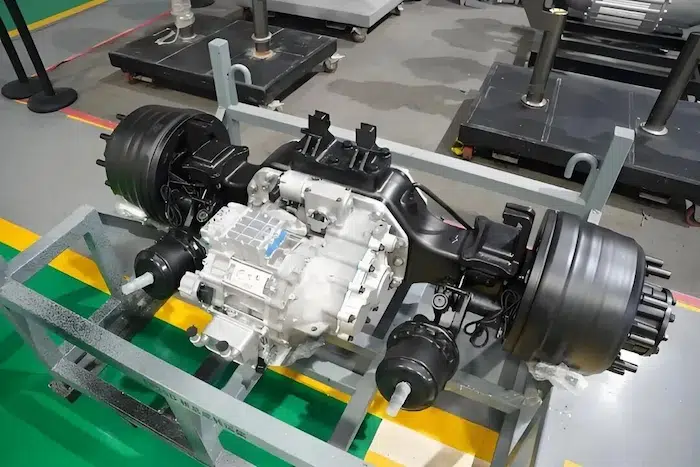
What is an E-Axle?
If you were to disassemble a traditional gasoline-powered car, you would see a complex mechanical landscape: the engine generates power, the transmission adjusts speed and torque through a series of gears, a long driveshaft transmits this force to the rear differential, and finally, it reaches the wheels. This is a multi-stage relay race, where each step consumes energy, occupies space, and adds weight.
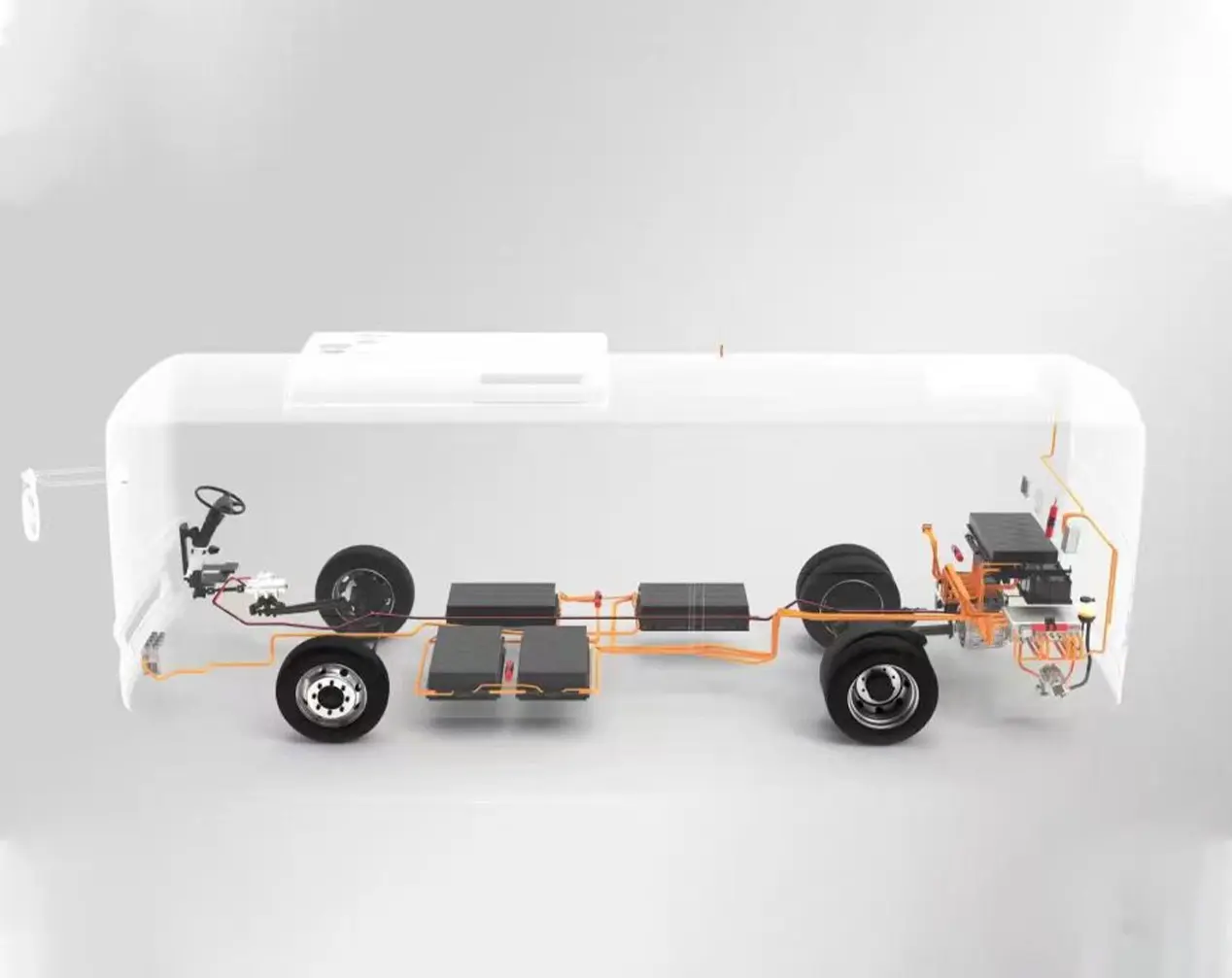
Now, look at the chassis blueprint of a modern electric vehicle, and you might find a fundamentally different core component—it is neat, compact, like a sealed technological black box. This is the e-axle, or electric drive axle. It is not merely a part; it embodies a design philosophy: integrating all the core functions needed to drive a vehicle into a single, sophisticated unit.
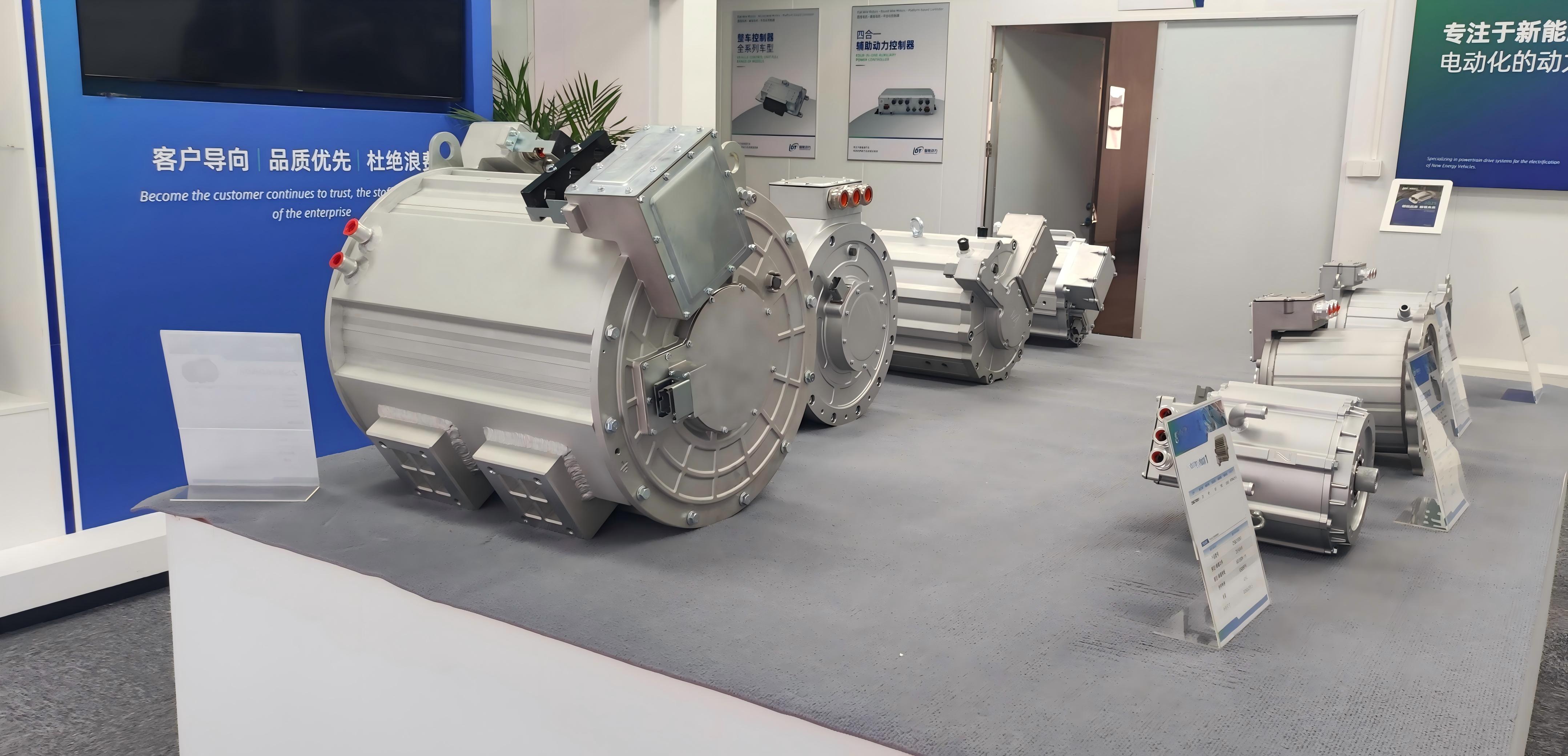
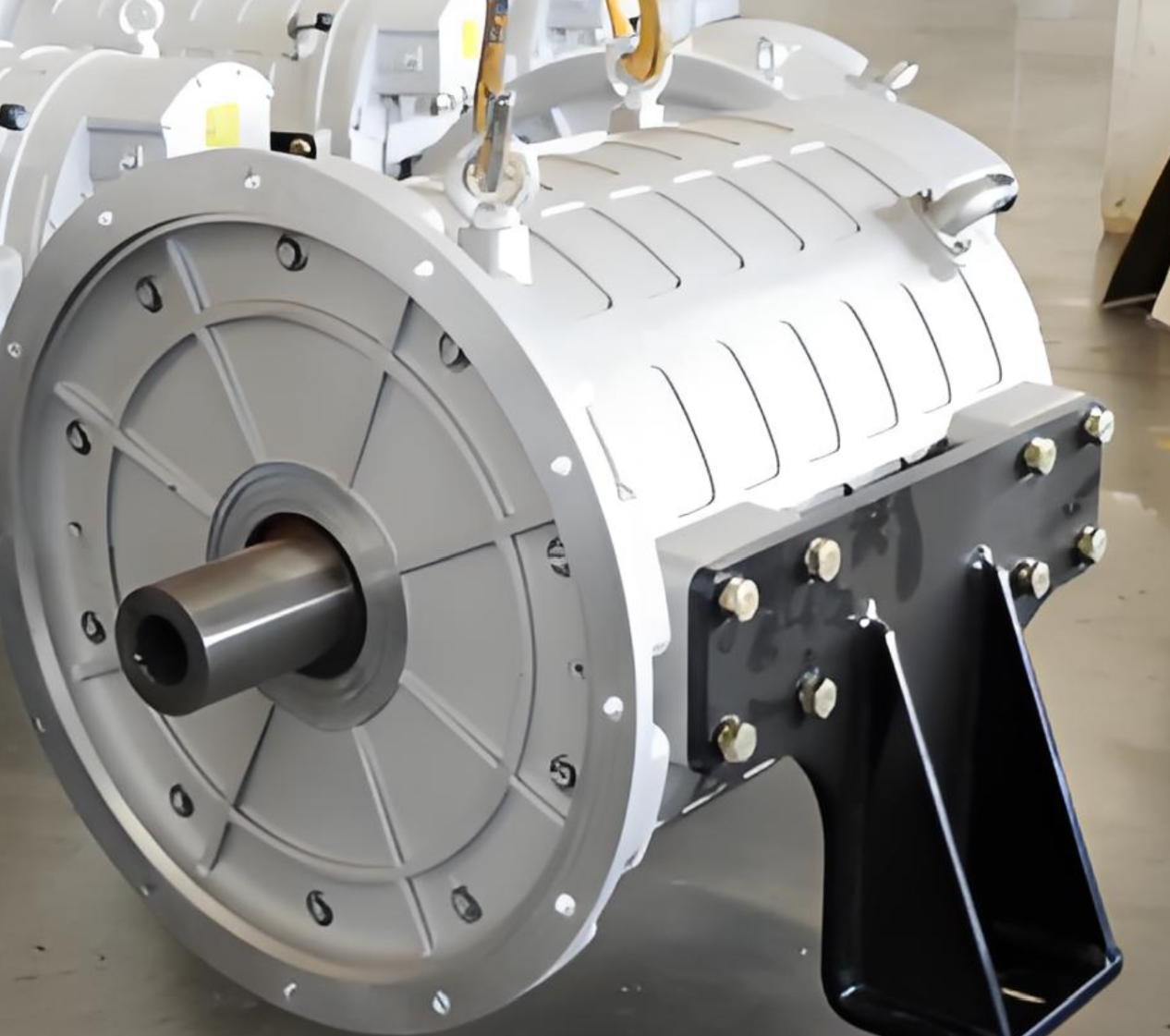
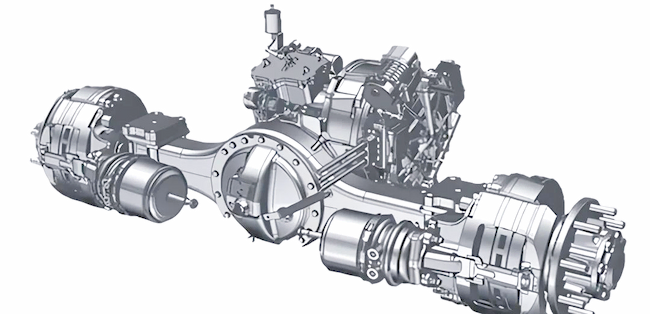
Simply put, an e-axle is a complete electric drive system that deeply integrates the electric motor, the power electronics controller (inverter), and the reduction gearbox (usually including the differential), packaging them into a single unit that can directly drive a vehicle's axle. It is not just "a part for an electric vehicle"; it is "the combined heart and limbs of an EV's powertrain."
From Dispersed to Integrated: A Silent Revolution
To understand the revolutionary nature of the e-axle, let's use an analogy. A traditional internal combustion engine (ICE) powertrain is like a desktop computer: it has a separate tower (engine), monitor (wheels), connecting cables (driveshaft), and external speakers (exhaust system). In contrast, an e-axle is like a high-end all-in-one laptop or smartphone: all critical hardware is compressed and integrated into an elegant casing, offering greater performance, lower energy consumption, and freeing up more space for the battery and passengers.
This integration is not simply "bundling things together." It means:
-
The electric motor and inverter share coolant channels for efficient thermal management.
-
The gear set is designed to be extremely compact, directly coupled with the motor rotor shaft to minimize energy transfer losses.
-
Software control permeates the entire system, enabling millisecond-level coordinated management of torque, speed, and heat.
The result is that a typical e-axle, perhaps only the size of a small suitcase, can continuously deliver hundreds of horsepower, quietly propelling a two-ton vehicle forward at high speed.
Dissecting the E-Axle: The Dance of Three Core Elements
-
The Brain & Conductor: The Power Electronics Controller (Inverter)
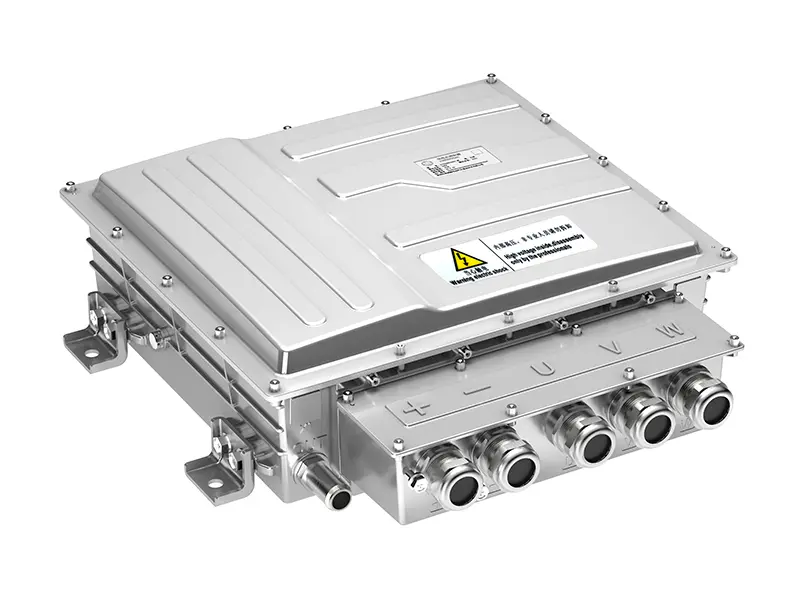
This is the most intelligent part. Its core task is to precisely "modulate" the direct current from the battery into the three-phase alternating current needed to drive the motor. But its role extends far beyond that. Modern e-axle inverters use advanced semiconductor materials like silicon carbide (SiC), which have extremely low switching losses. They communicate in real-time with the vehicle, interpreting the driver's intent from the accelerator pedal, deciding how much torque to release, while constantly monitoring motor temperature and battery status to ensure everything operates within the optimal efficiency range. It is the gatekeeper of system efficiency.
-
The Source of Power: The Electric Motor
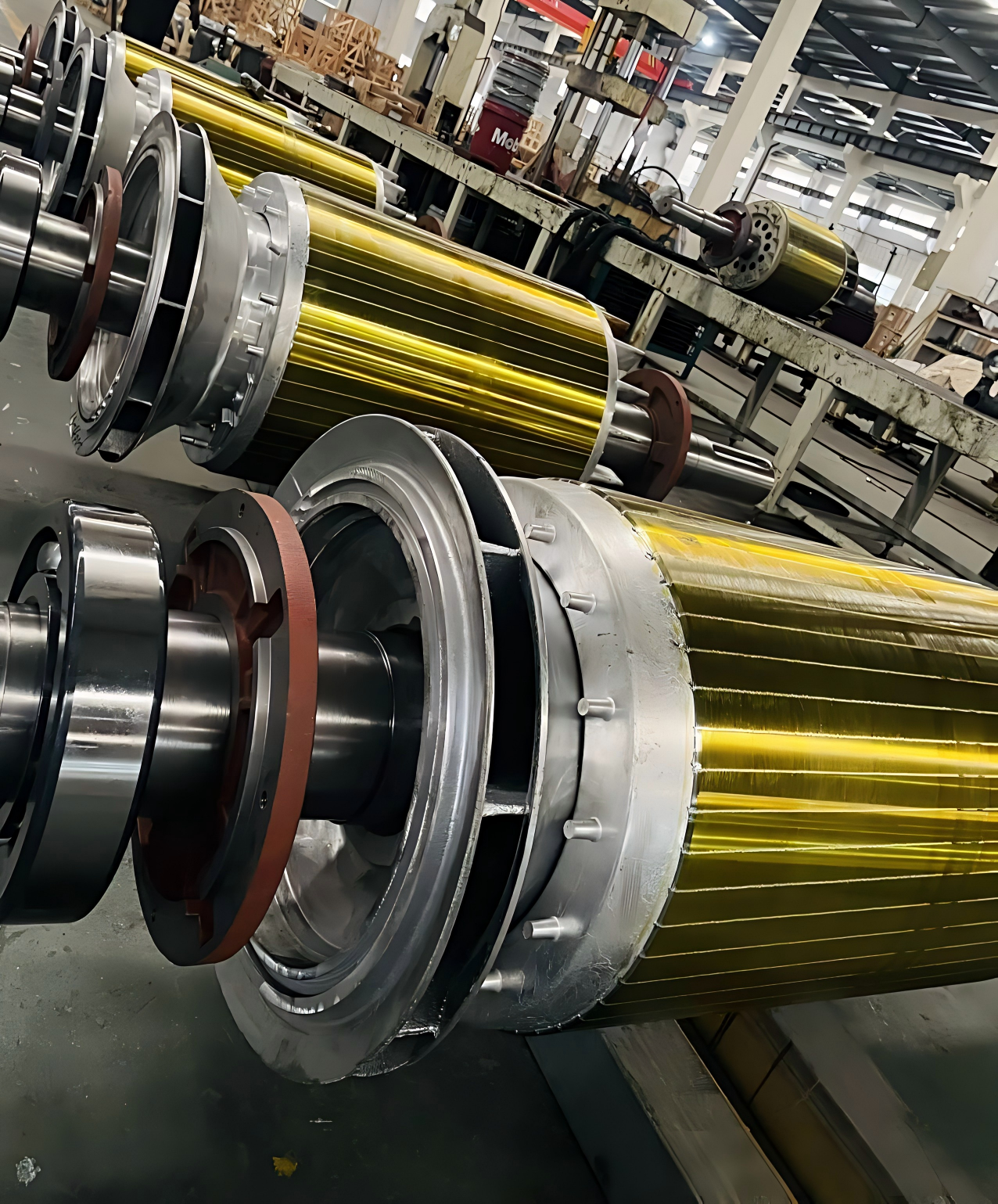
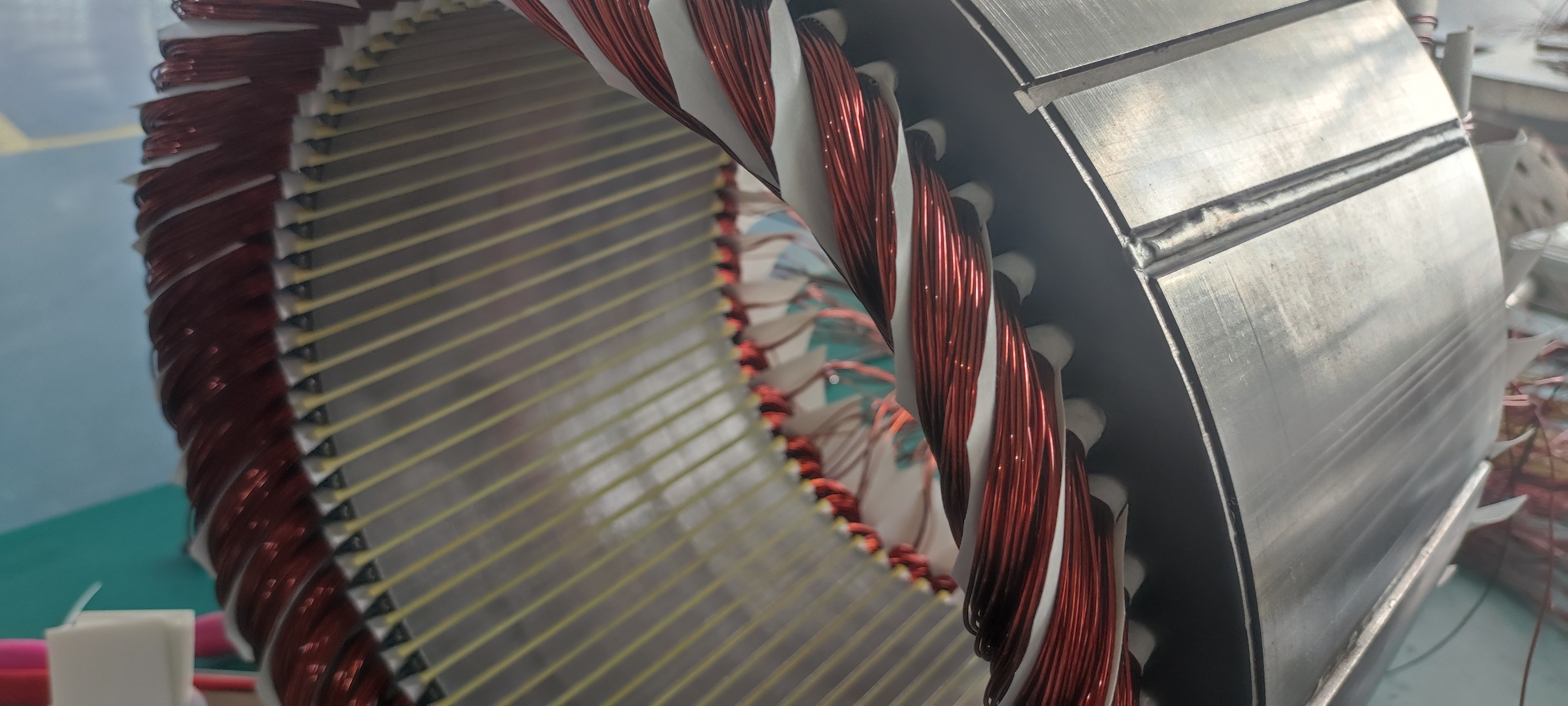
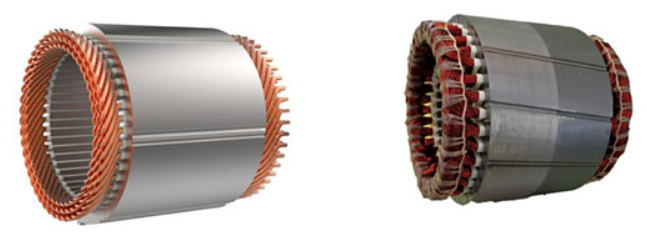
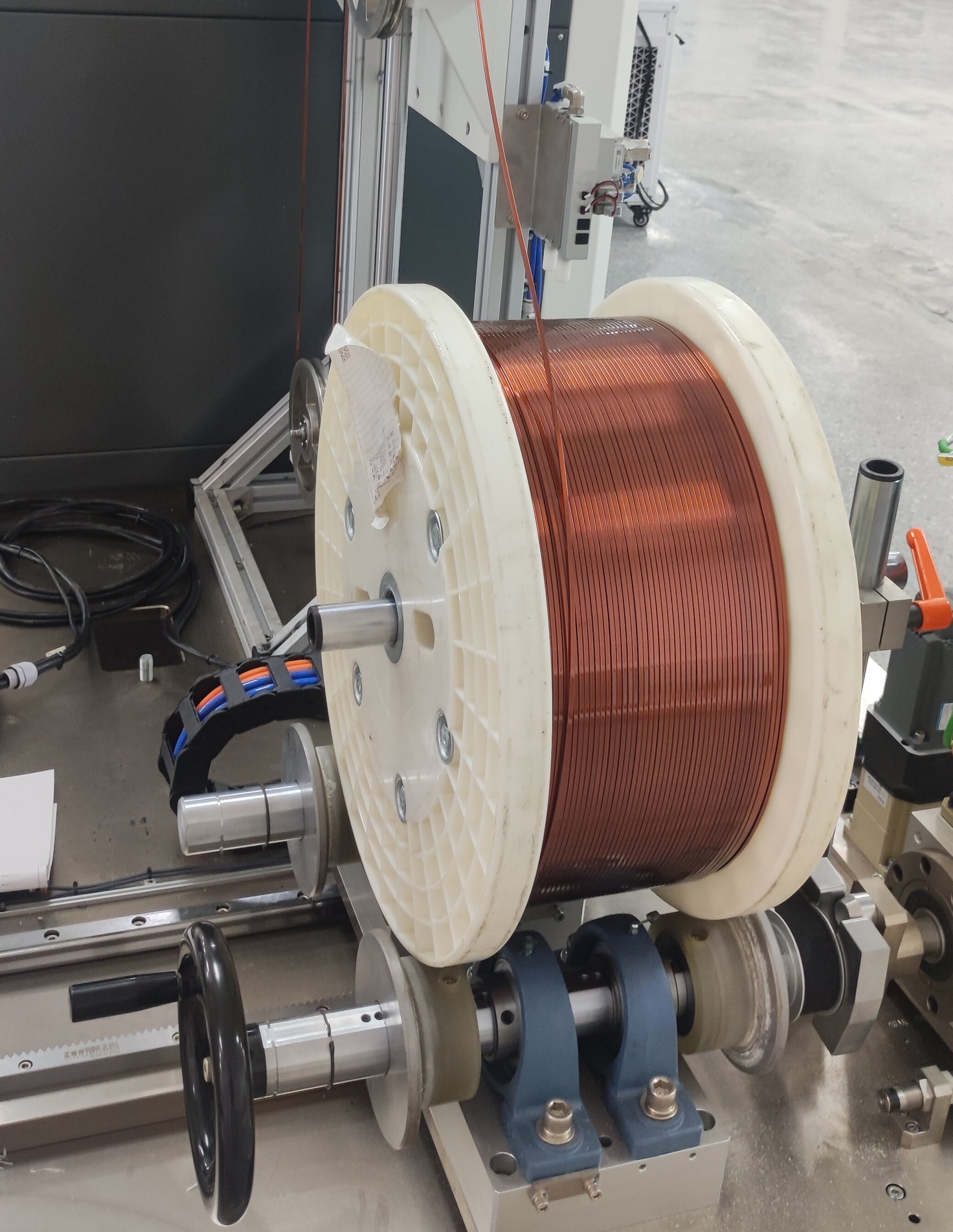
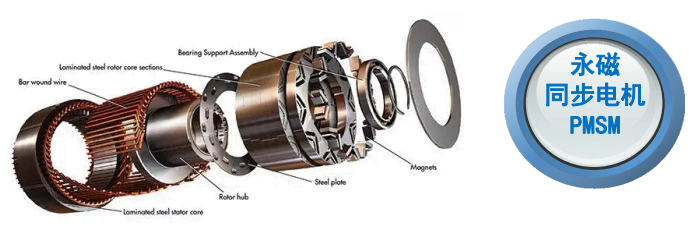
Typically a permanent magnet synchronous motor (PMSM), prized for its high power density and efficiency. Unlike a gasoline engine that needs to reach a specific RPM to deliver maximum torque, an electric motor can output peak torque from the moment it starts—this is the direct source of the EV's instant push-back-in-the-seat acceleration. In an e-axle, the motor rotor and the gearbox input shaft are often an integrated design, offering strong structural rigidity and zero-delay response. Innovations in the motor itself, such as hairpin winding technology, allow for more densely packed coils, better heat dissipation, and further increases in power.
-
The Torque Translator: The Reduction Gearbox and Differential
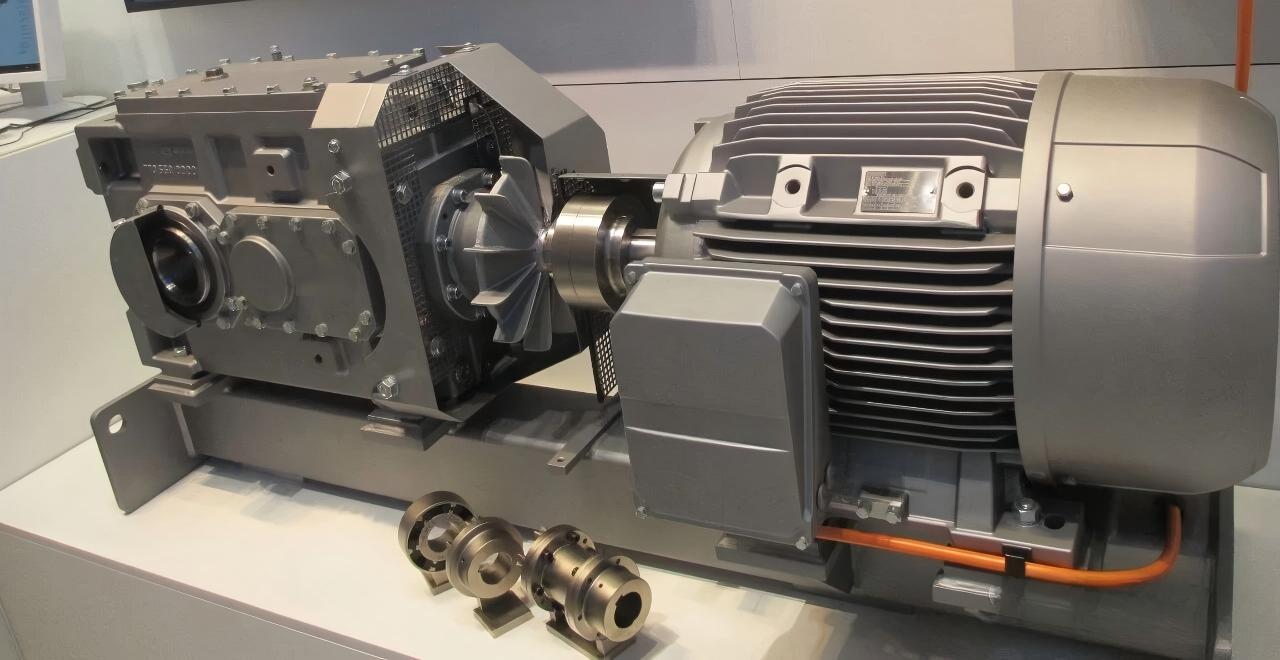
Electric motors spin at very high speeds (often exceeding 10,000 RPM), but wheels don't need that much rotational speed—they need greater "twisting force." The reduction gear set (usually single-speed or two-speed) "translates" high rotational speed into high torque. The integrated differential is responsible for intelligently distributing different speeds to the left and right wheels when the vehicle turns, ensuring stable handling. The gear design here pursues smoothness, quietness, and ultimate mechanical efficiency, often requiring no maintenance for the life of the vehicle.
Why the E-Axle Became an Industry Imperative: Strategic Value Beyond Technology
Beyond the obvious technical advantages of space saving, weight reduction, and improved energy efficiency, the deeper significance of the e-axle lies in how it reshapes the rules of the game for automotive manufacturing.
-
For Automakers: From Integrators to Architects
Traditional car manufacturers needed to source or develop engines and transmissions, then perform complex final assembly. The e-axle, as a modular platform, allows automakers to procure complete solutions from a handful of top-tier suppliers (like Bosch, ZF, GKN, or in-house giants like BYD or Huawei). This dramatically reduces R&D costs and cycles, enabling car companies to focus more on vehicle architecture, battery technology, and user experience. An excellent e-axle design can be flexibly adapted for sedans, SUVs, and even light trucks, maximizing platform benefits.
-
For Performance: Opening New Dimensions of Handling
Due to its compact structure, an e-axle can be more flexibly placed at the front or rear of the vehicle. Two e-axles enable high-performance electric all-wheel drive, with torque between the front and rear axles capable of being precisely distributed on a millisecond level via electronic control—something difficult for traditional mechanical AWD systems to achieve. This also lays the foundation for the "skateboard chassis" concept, where the battery is laid flat, e-axles are installed on the front and rear axles, and the upper body can be designed freely.
-
For User Experience: Synonymous with Serenity and Reliability
High integration reduces mechanical connection points, and with them, potential sources of vibration, noise, and failure. The user gains a quieter, smoother, and more reliable driving environment. Simultaneously, the freed-up space translates into a more spacious cabin or a larger front trunk ("frunk"), directly enhancing practicality and a sense of luxury.
Future Trends: The Next Chapter for E-Axles
The evolution of the e-axle is far from over; it is advancing in several clear directions:
-
"Multi-in-One" Hyper-Integration: Next-generation products are integrating the on-board charger (OBC), DC-DC converter, and even the vehicle control unit (VCU) into the e-axle housing, creating a true "powertrain domain controller."
-
The Challenge and Coexistence with In-Wheel Motors: While placing motors directly inside the wheels represents the ultimate vision for distributed drive, it brings significant challenges like increased unsprung mass, heat dissipation, and sealing. For the foreseeable future, centralized e-axles, due to their technological maturity, high reliability, and controllable cost, will remain the absolute mainstream. However, e-axles themselves are adopting some of its principles, simulating some advantages of in-wheel drive through more precise torque vectoring control (individually controlling left and right wheel torque).
-
Leaps in Materials and Software: Silicon carbide semiconductors will further improve efficiency, especially during high-speed cruising. More advanced oil-cooling techniques directly cool the motor windings, allowing for more sustained peak power output. In the era of software-defined vehicles, the potential of the e-axle will be further unlocked through OTA updates, potentially enabling new drive modes or energy management strategies in the future.
Conclusion: The Heart of Change Hidden in a Plain Exterior
So, the next time you see an electric vehicle or hear about a new "electric drive platform" from a brand, consider that seemingly ordinary metal casing hidden near the wheels. The e-axle is far more than a simple component replacement; it is the crystallization of engineering wisdom in the electrification era, a milestone in the century-long evolution of automotive propulsion. Through extreme integration, it hides complexity within simplicity, transforms noise into serenity, and converts energy more directly into the joy of driving. It may not be as eye-catching as the battery, but it is this "complete powertrain in a box" that is quietly driving us toward a new automotive age.