


News














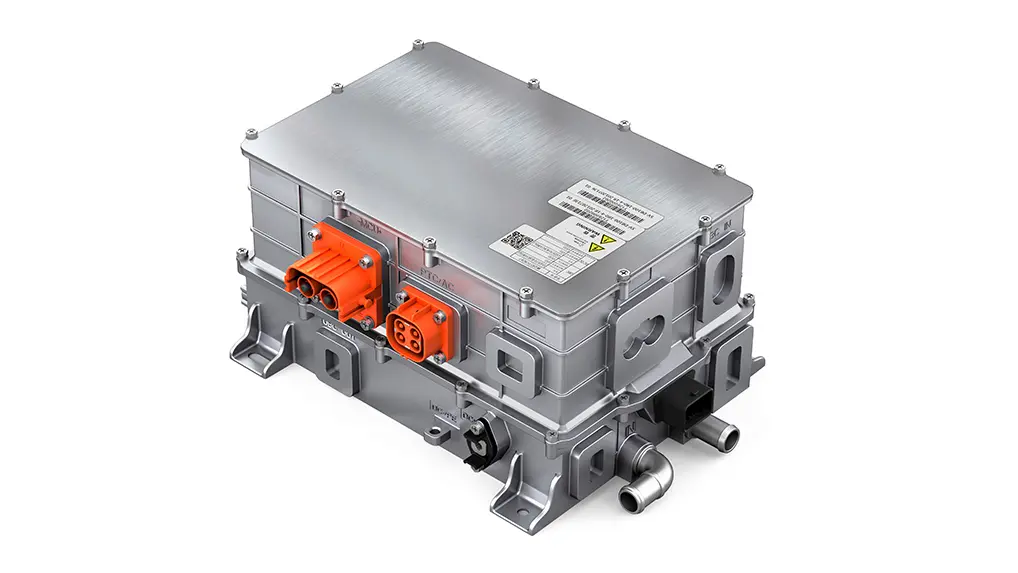
What is Electric Car Motor Kits?
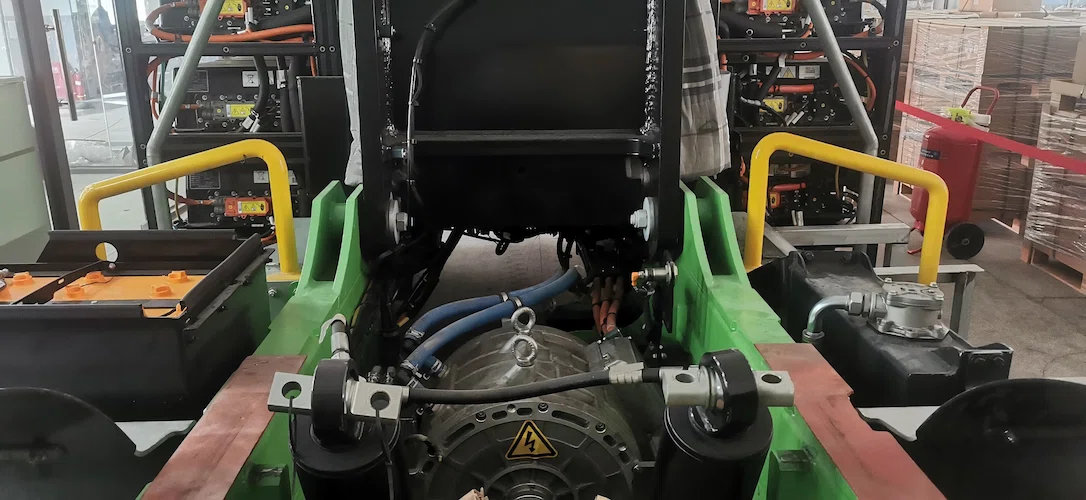
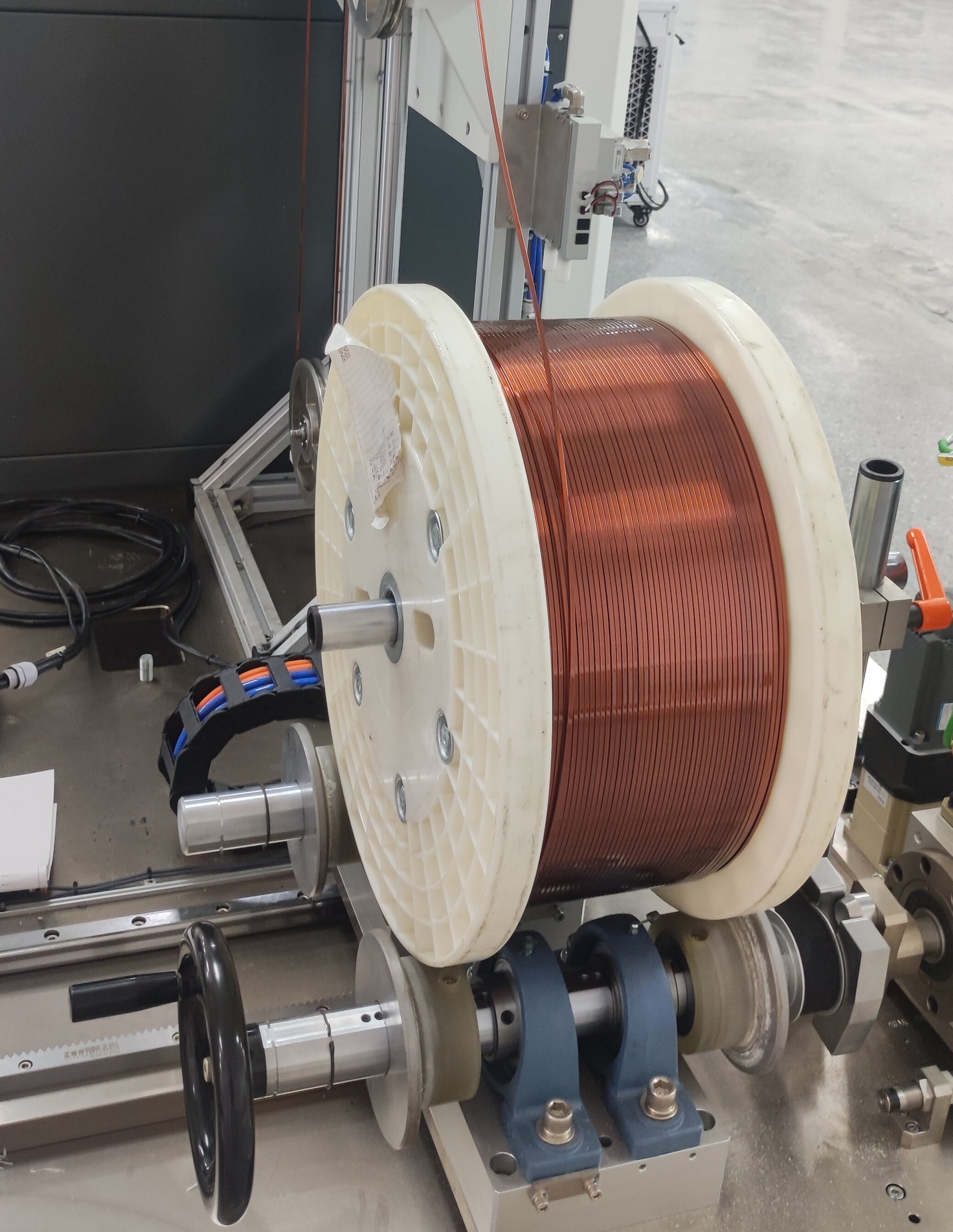
The automotive world is undergoing a silent revolution, moving from the rumble of internal combustion engines to the quiet hum of electric motors. While buying a new electric vehicle (EV) is one path, a growing number of enthusiasts, engineers, and eco-conscious drivers are choosing a more hands-on approach: electric car conversion. At the heart of every successful conversion project lies the electric car motor kit.
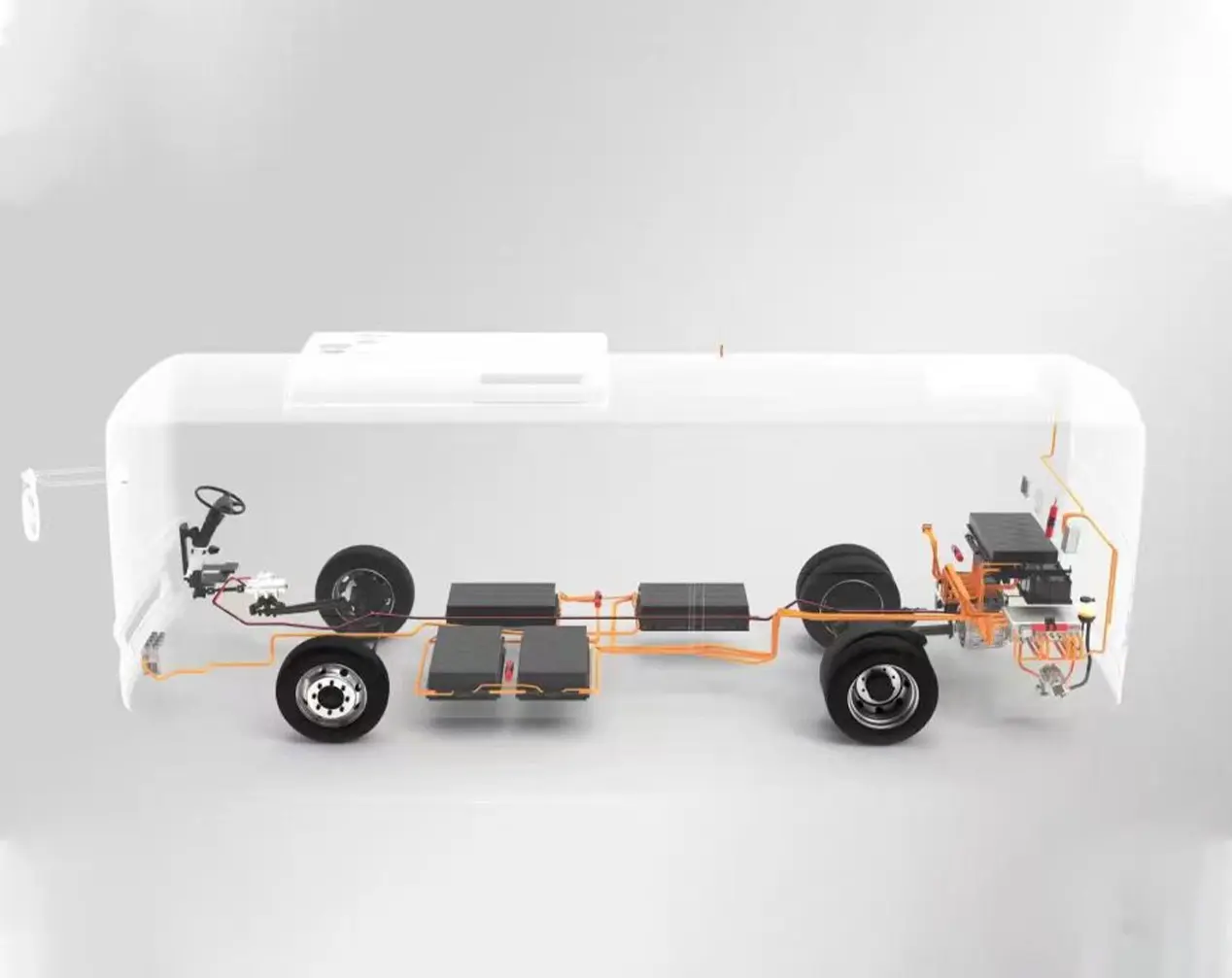
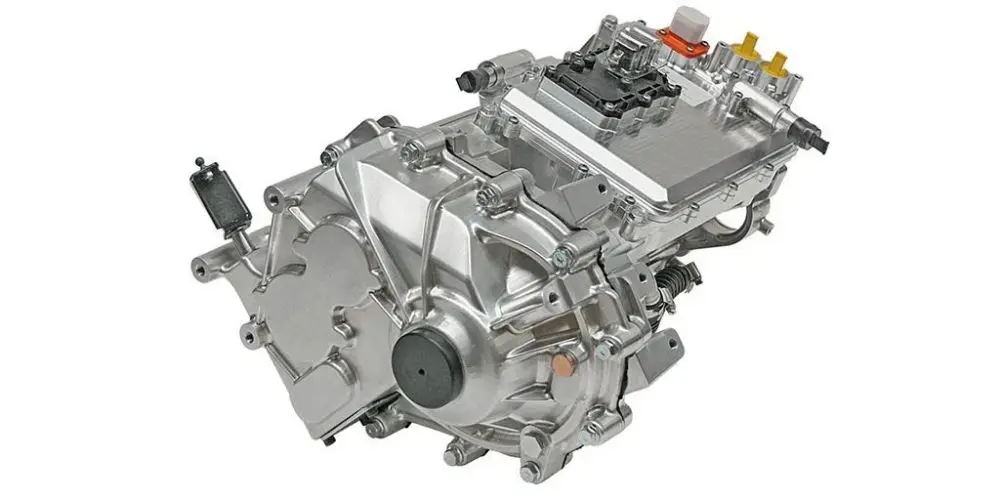
But what exactly is an electric car motor kit? In simple terms, it's a comprehensive package that provides the core components needed to replace a gasoline engine and its related systems with an electric powertrain. It's the essential "engine swap" for the electric age, transforming your classic car, daily driver, or unique project vehicle into a clean, efficient, and high-performance EV.
Core Components of an EV Conversion Kit
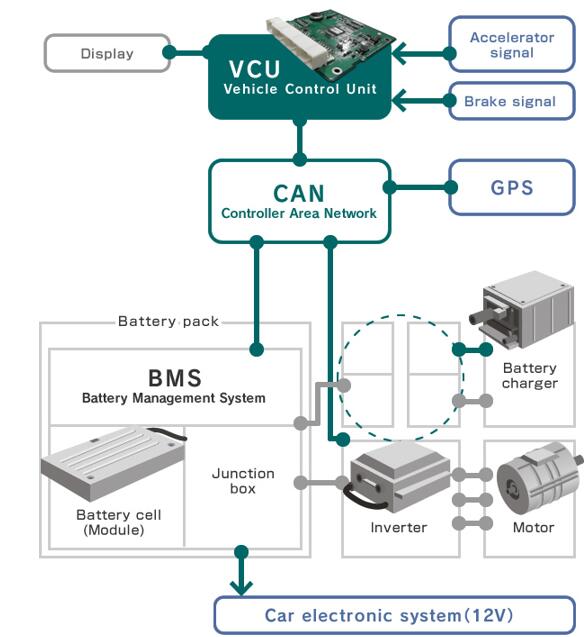
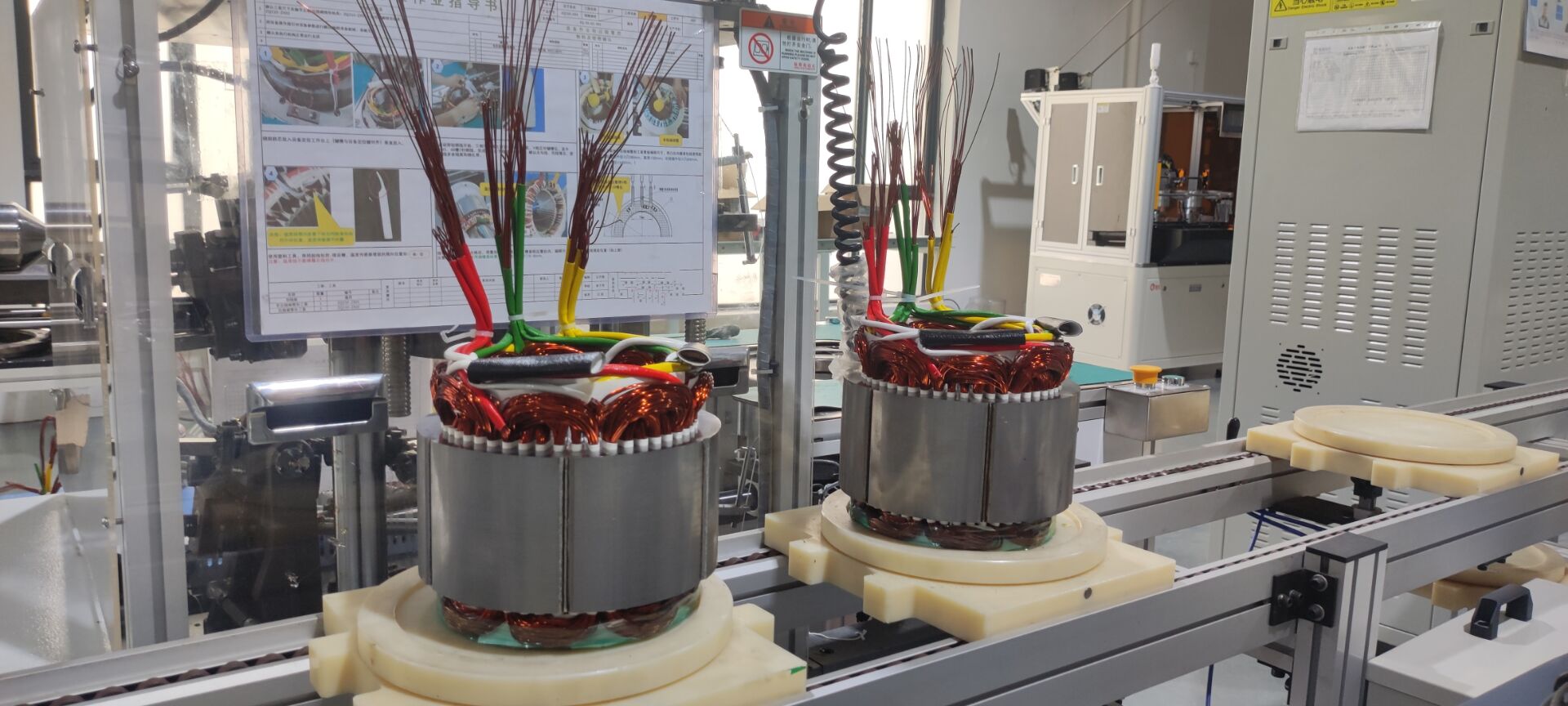
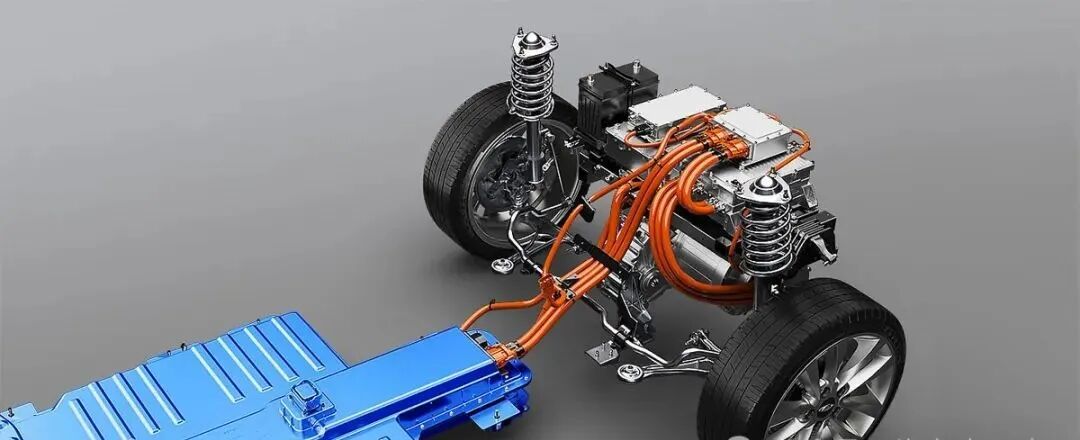
An electric car motor kit is more than just a motor. It's an integrated system. While kits can vary, most high-quality kits, like those developed by Pumbaa EV, typically include the following key components:
-
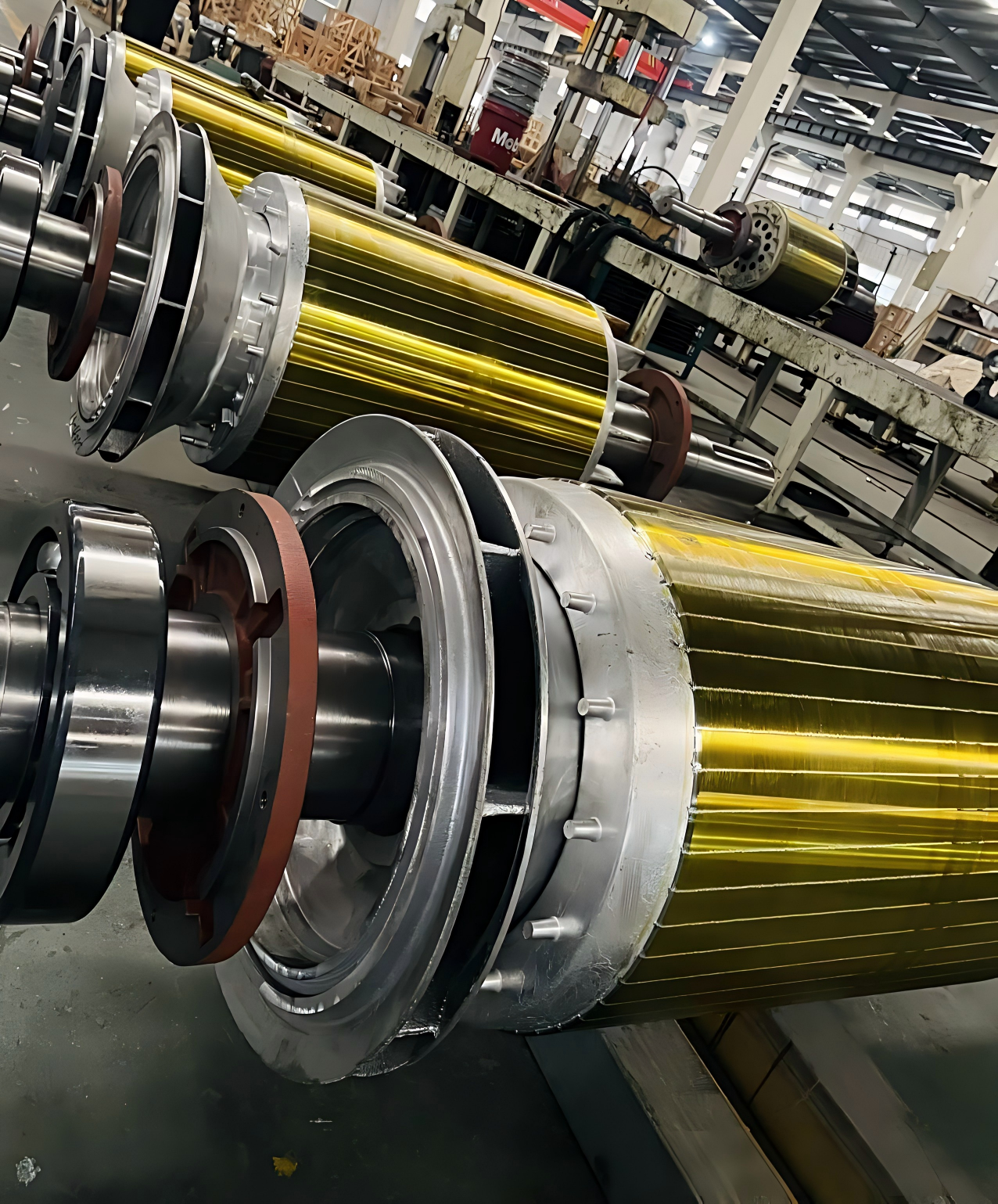
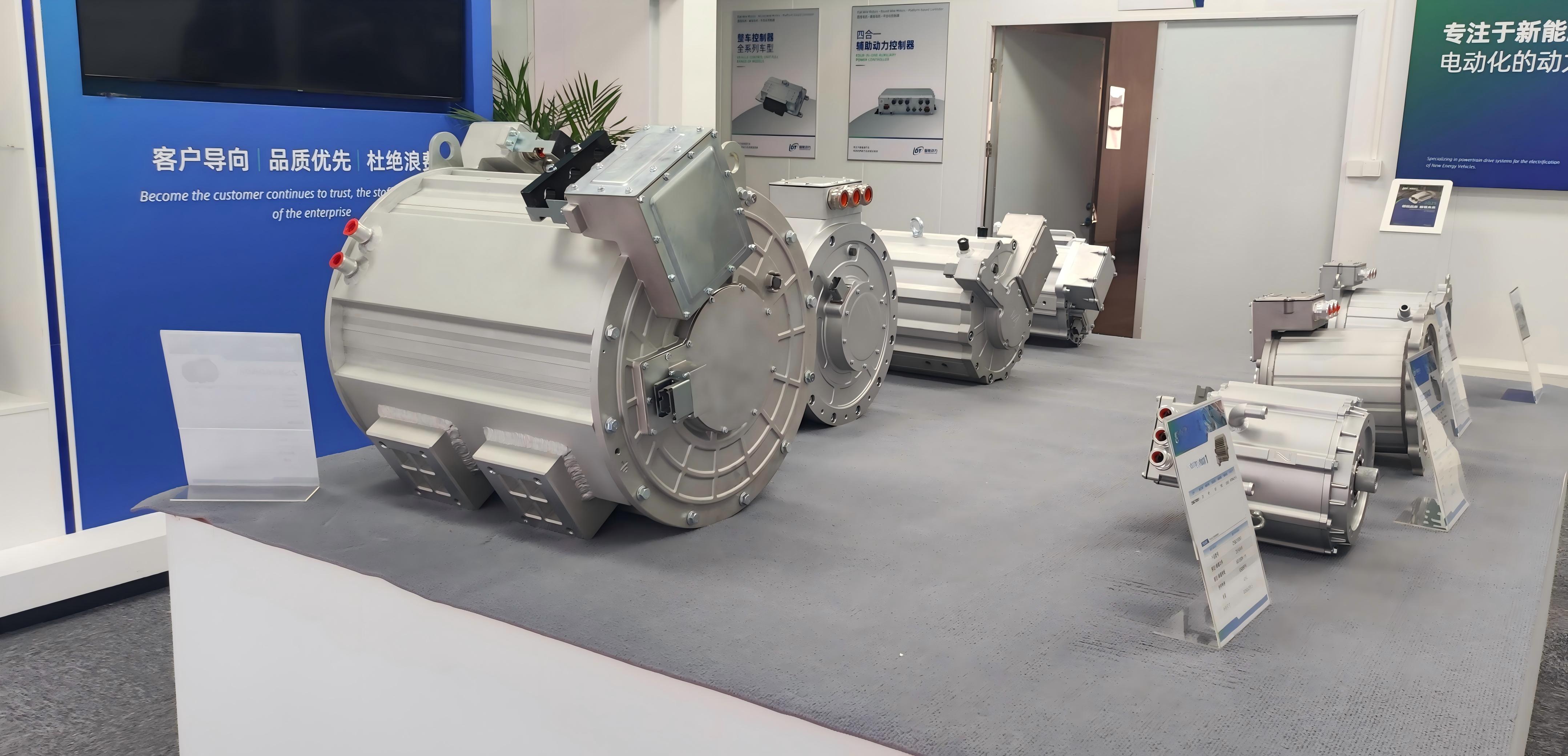
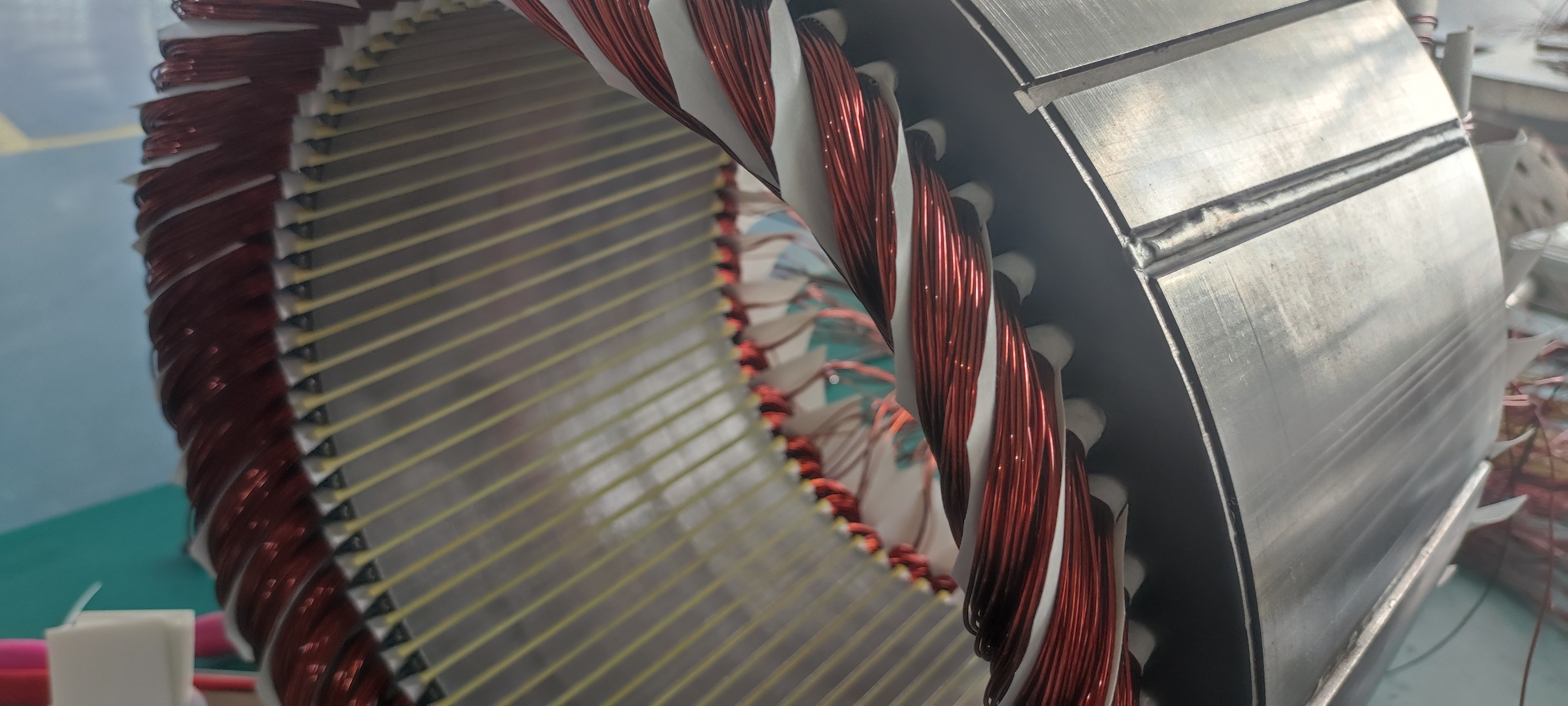
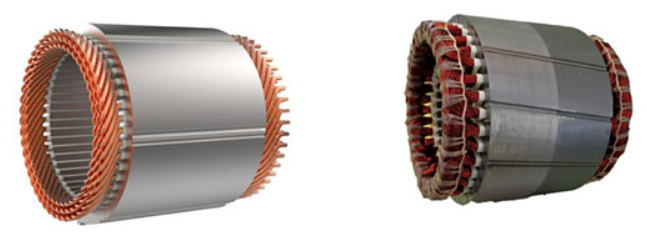
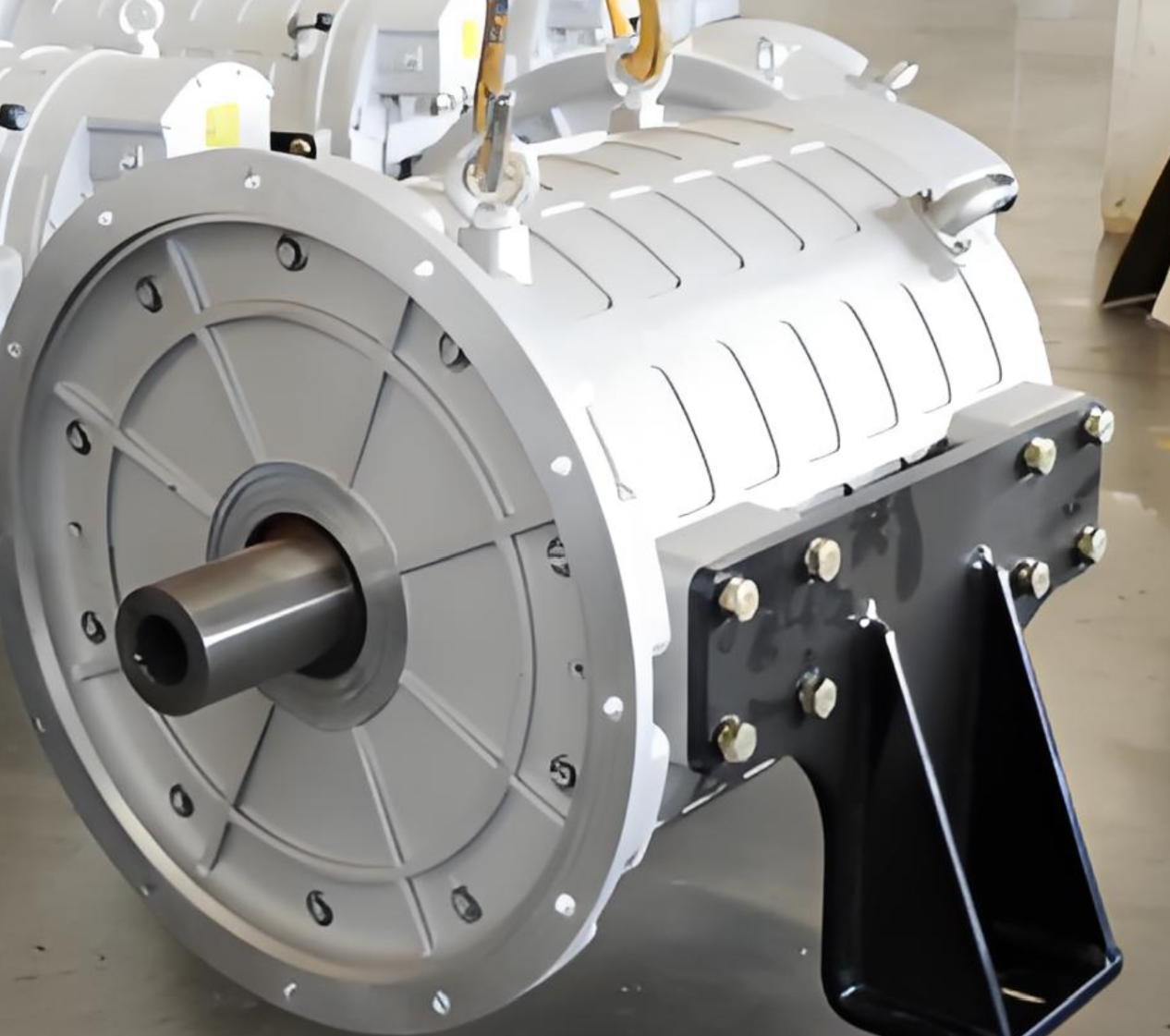
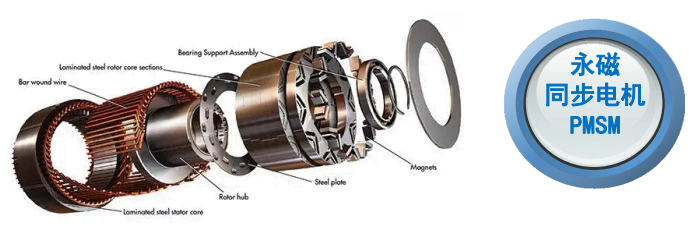
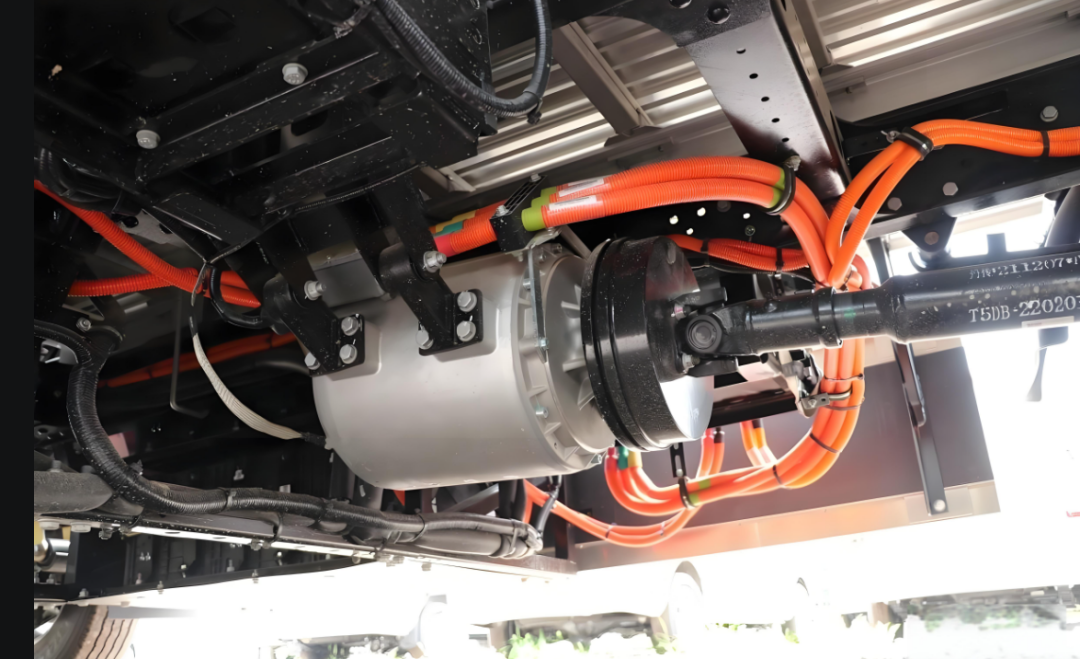
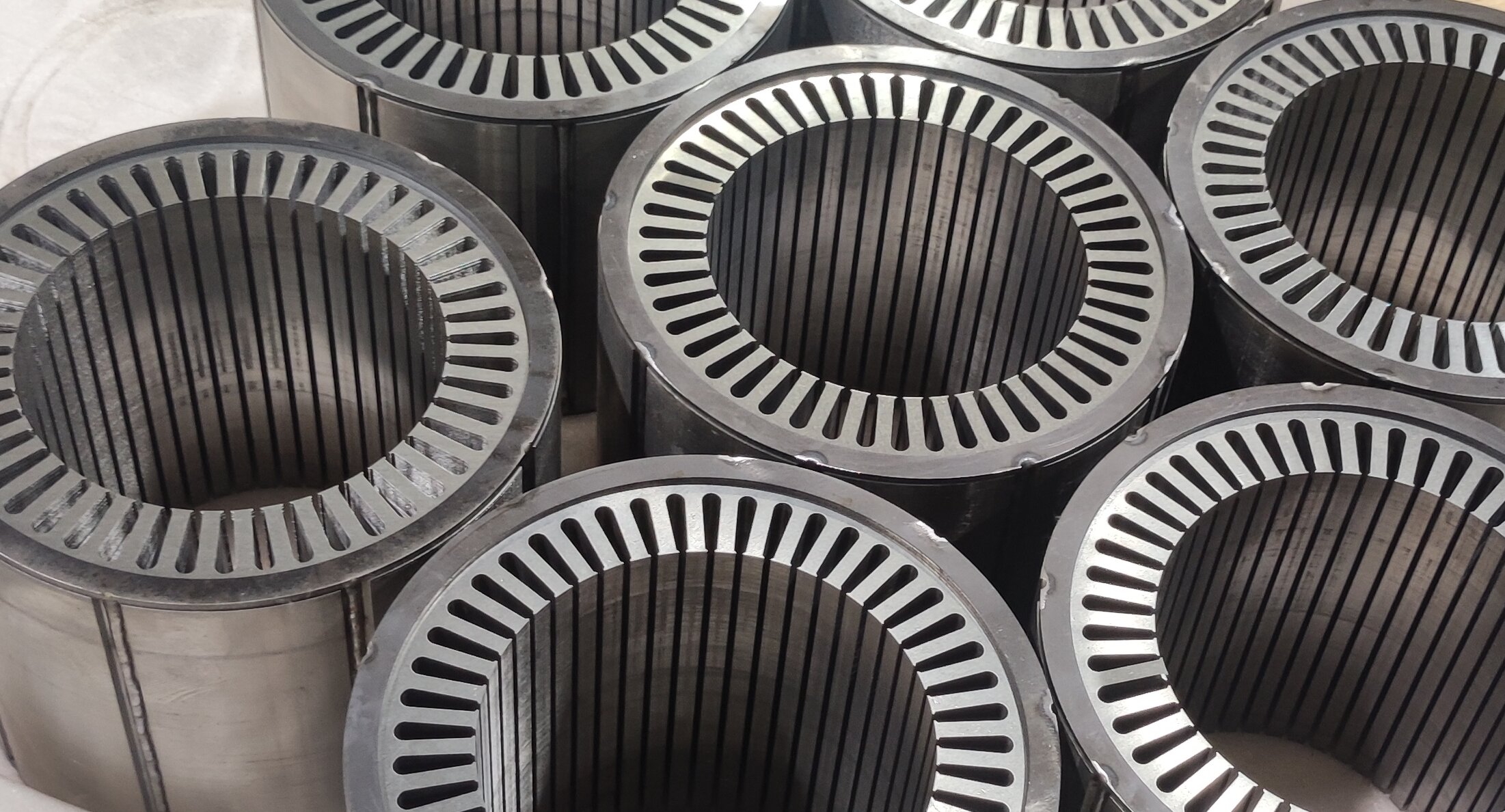
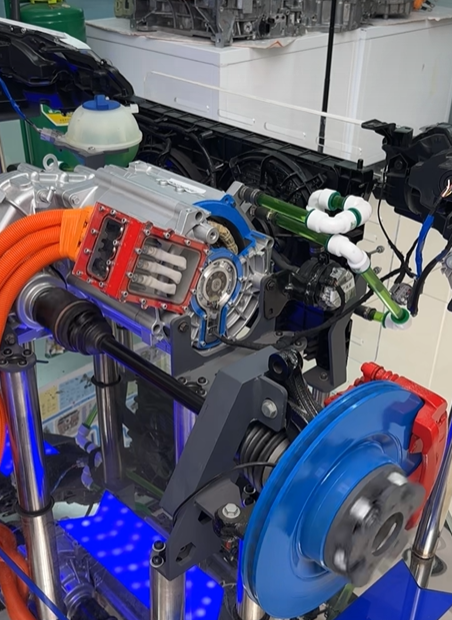
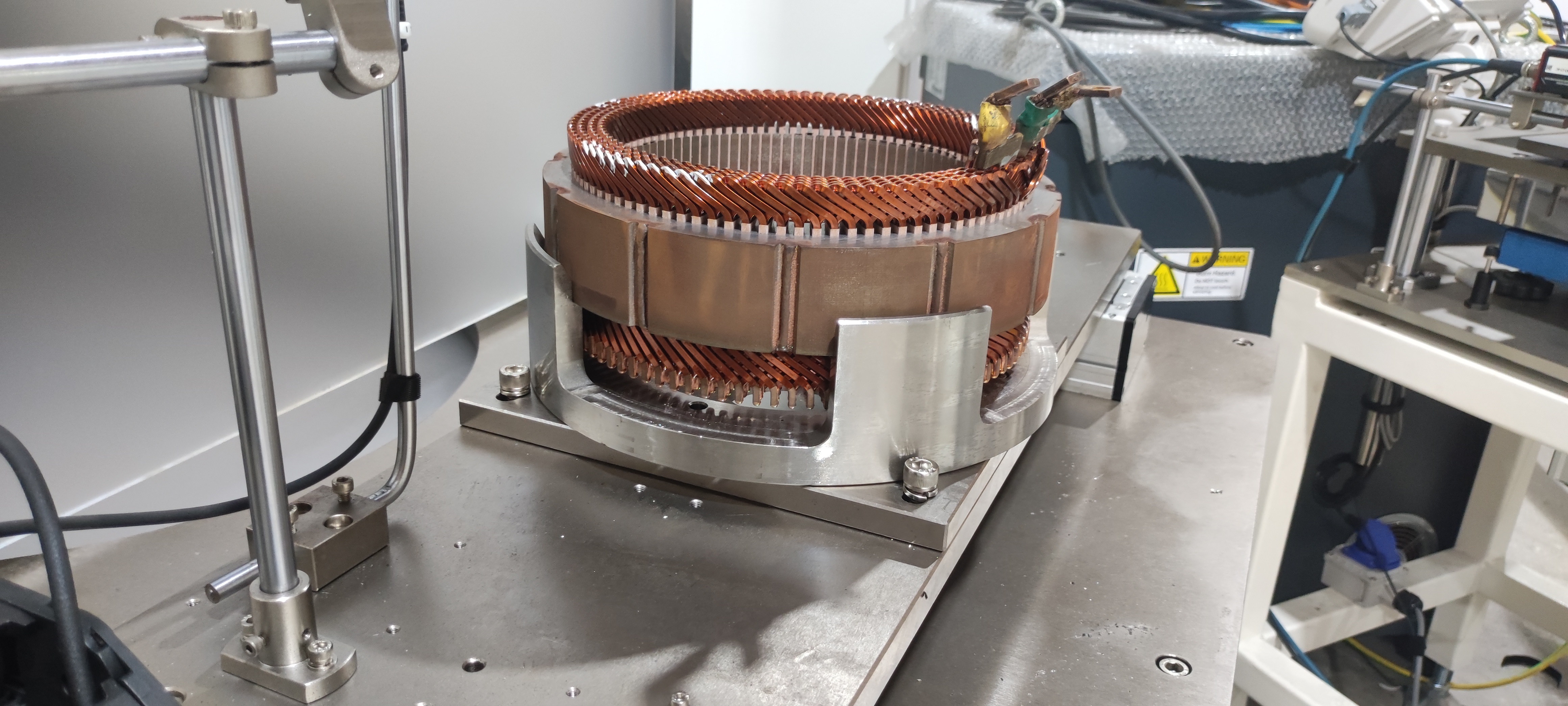
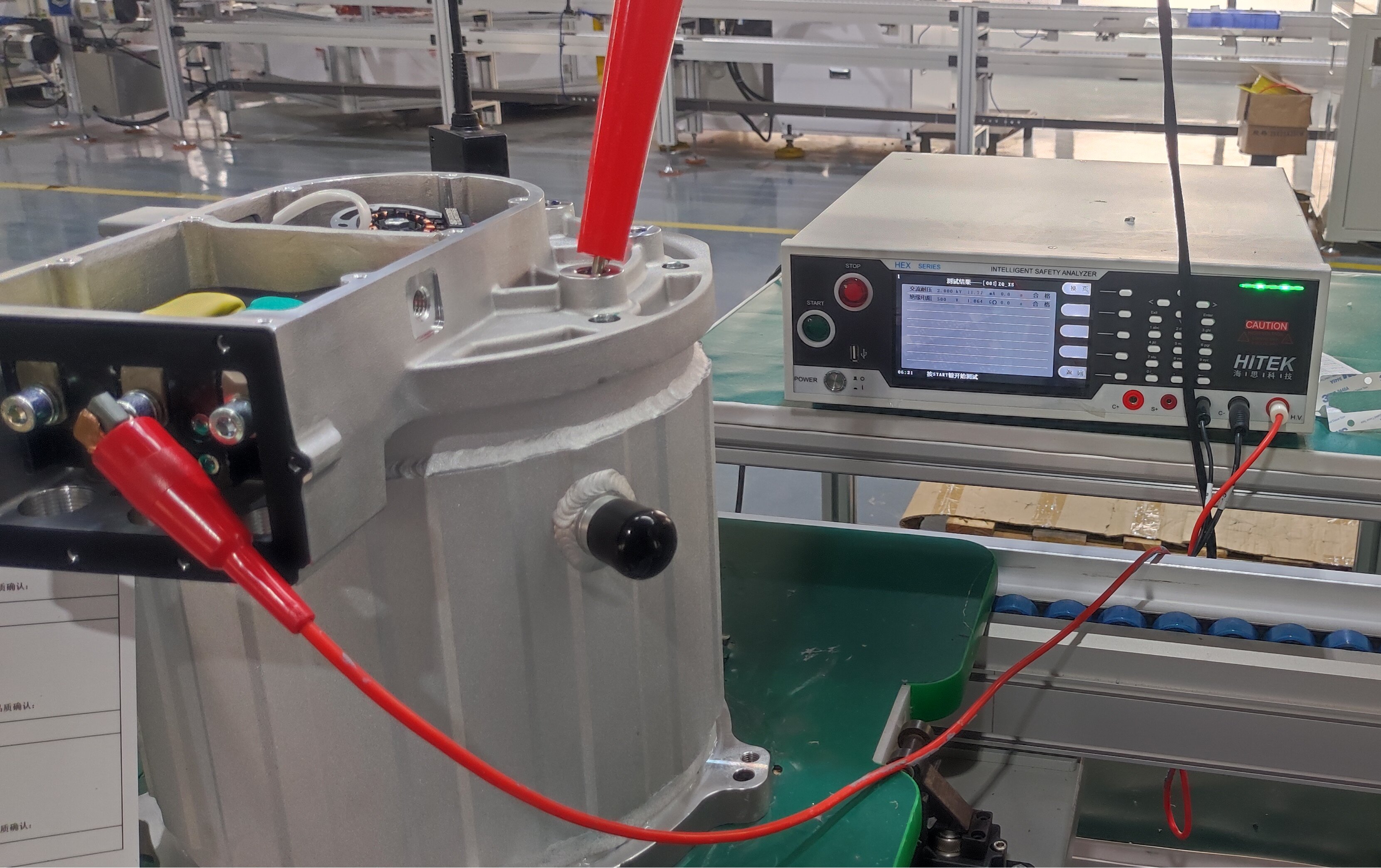
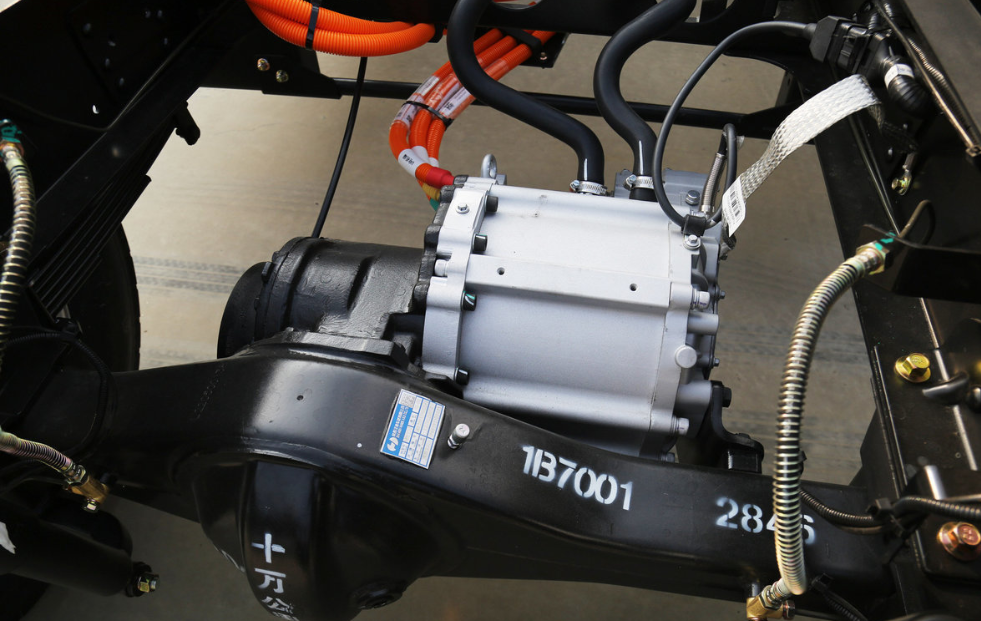
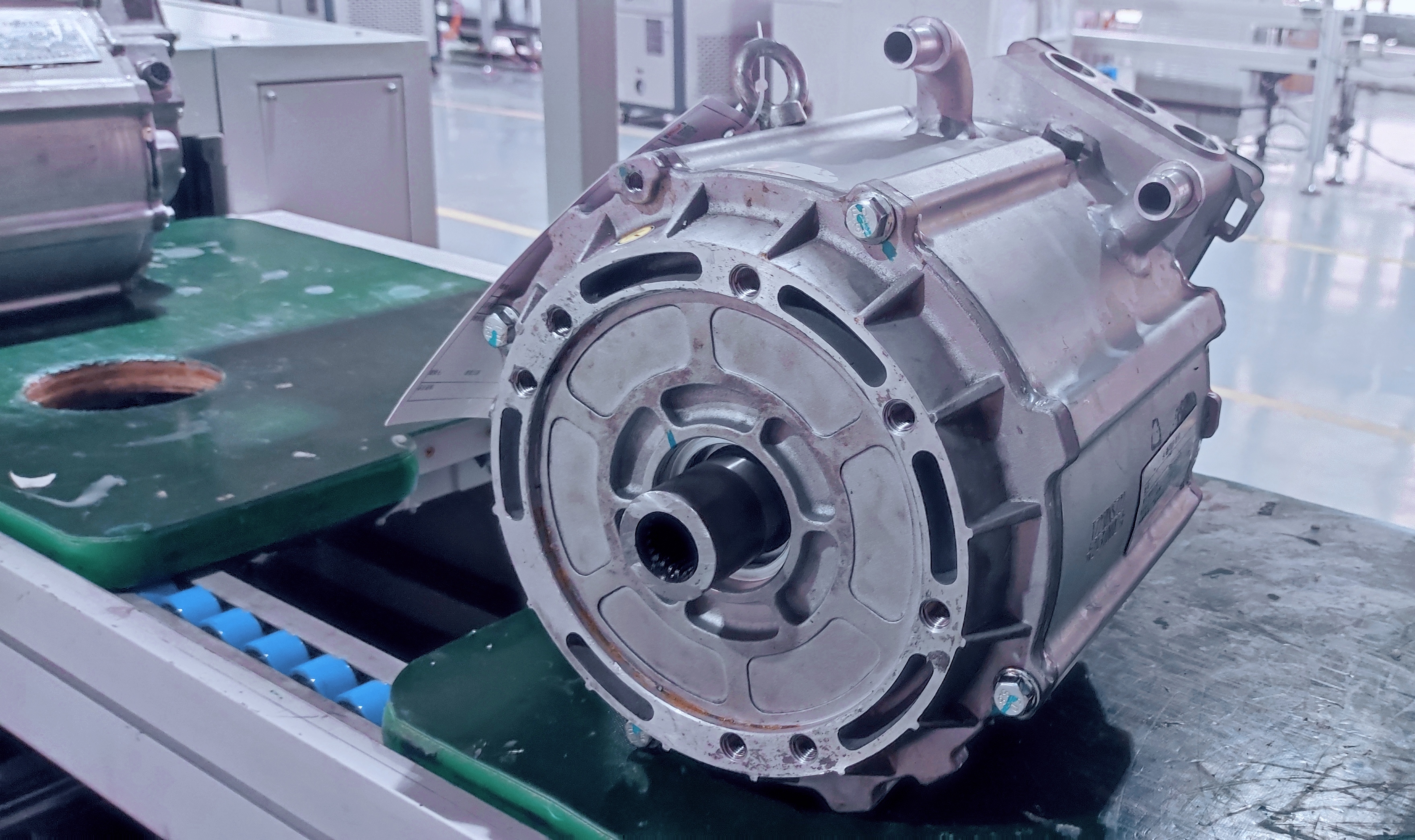
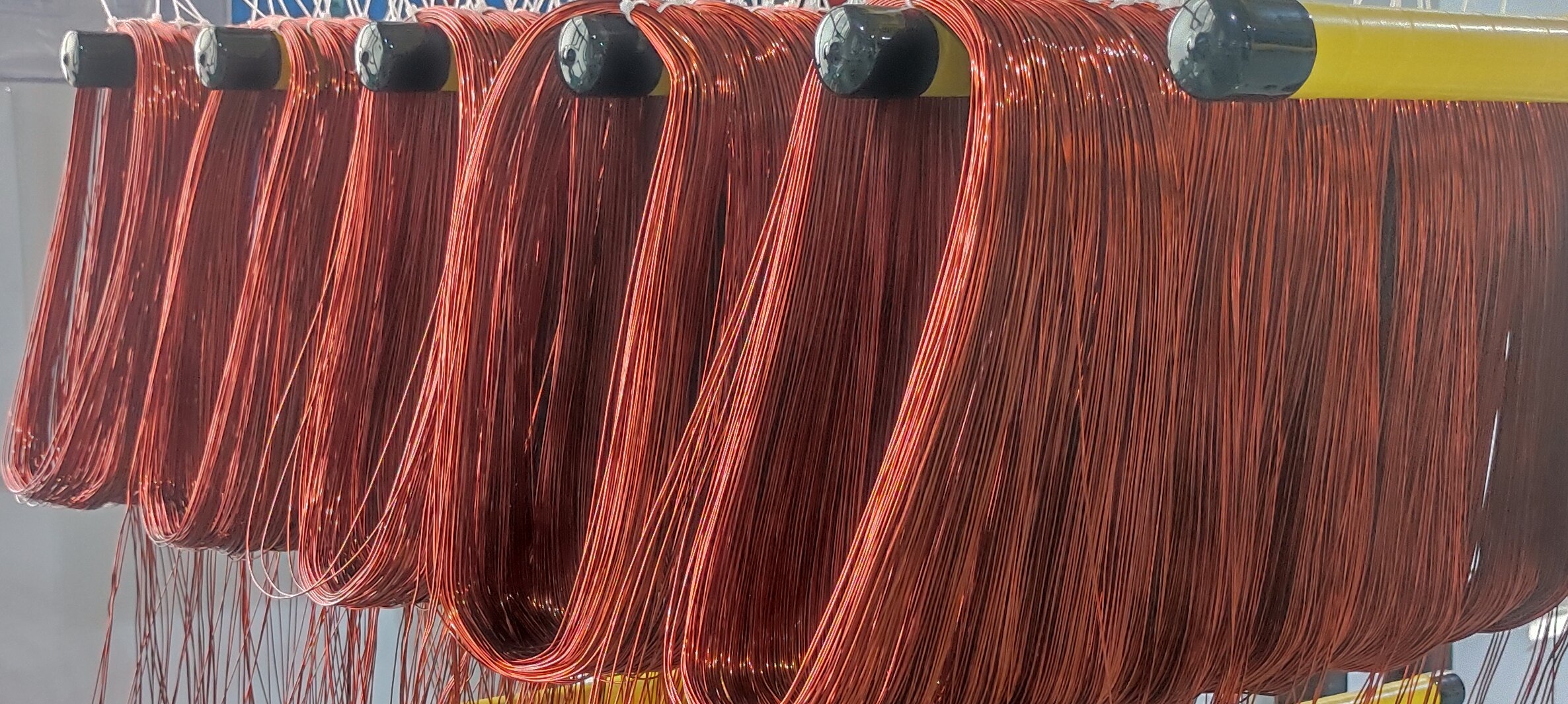
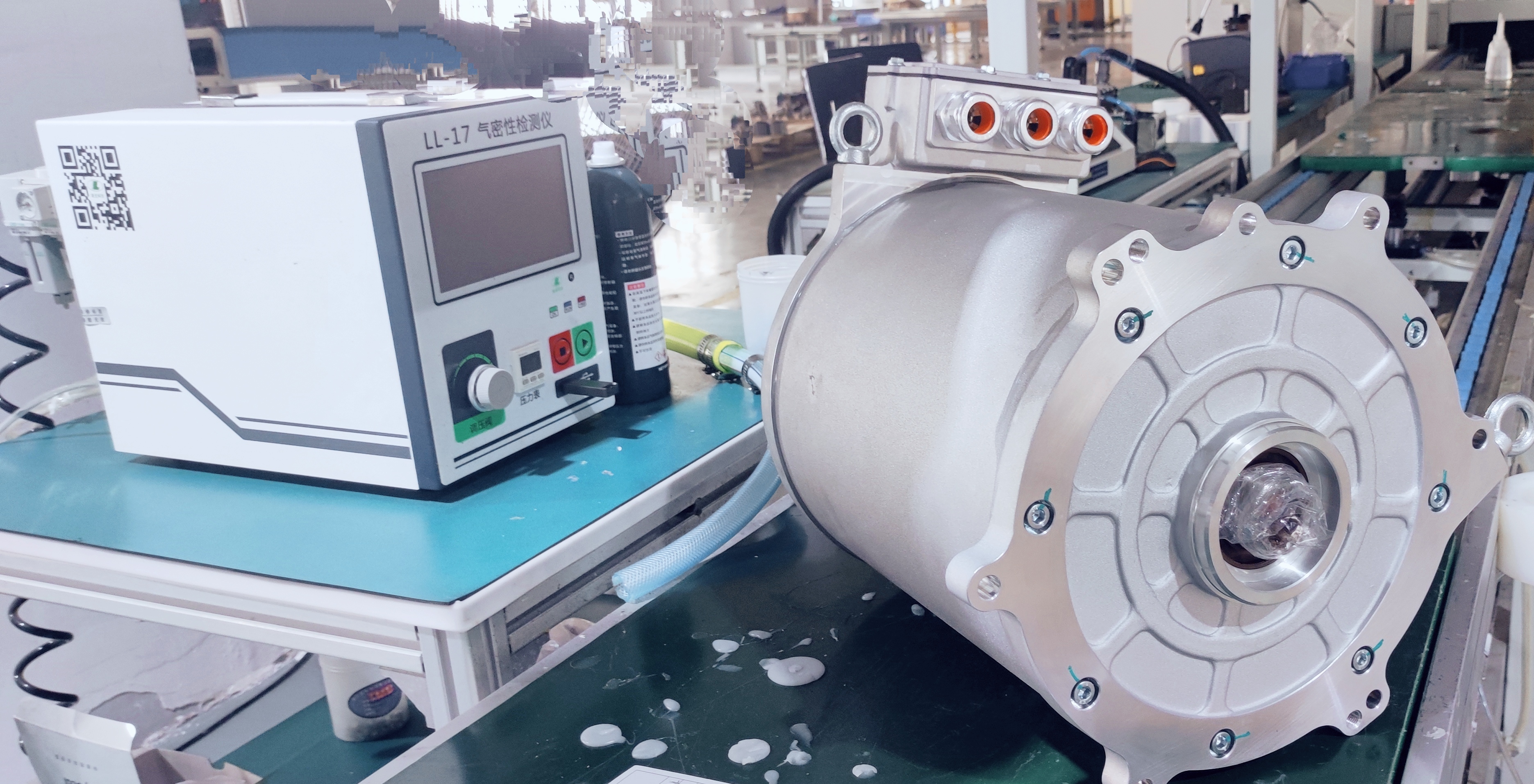
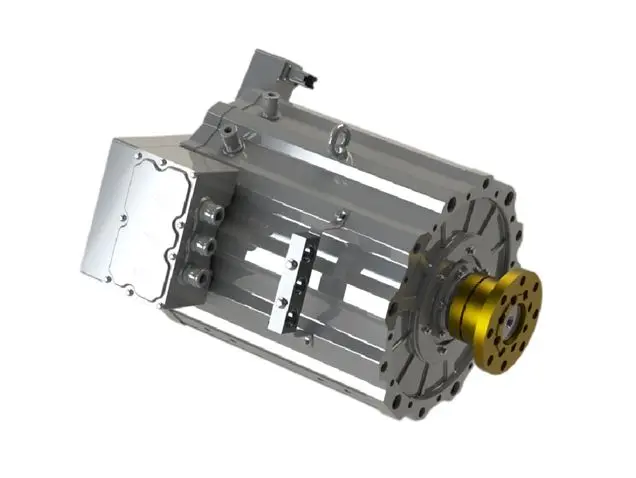
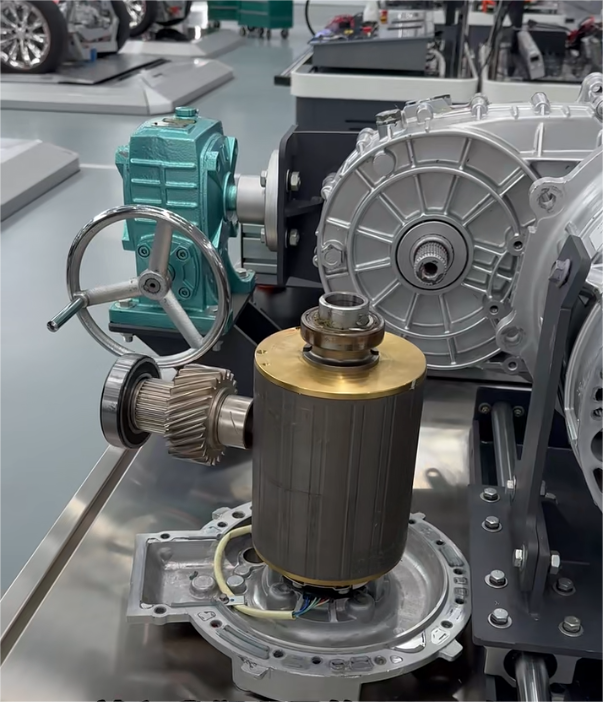
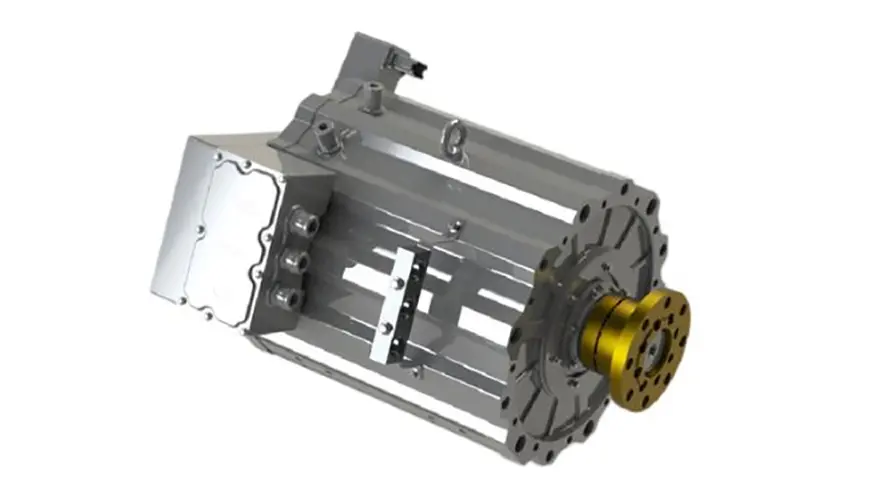
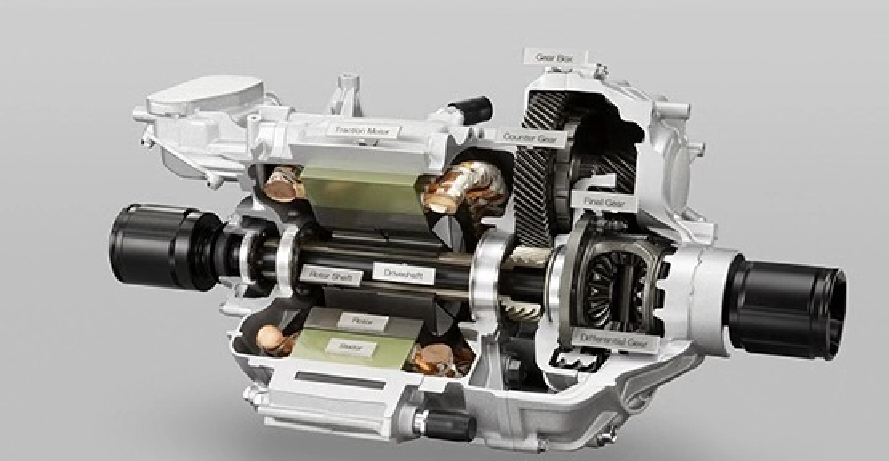
Electric Motor: This is the heart of the system, replacing your gas engine. Kits often offer choices between AC motors (known for efficiency and reliability) and DC motors (simpler and often more affordable). The power rating (kW) determines your vehicle's acceleration and top speed.
-
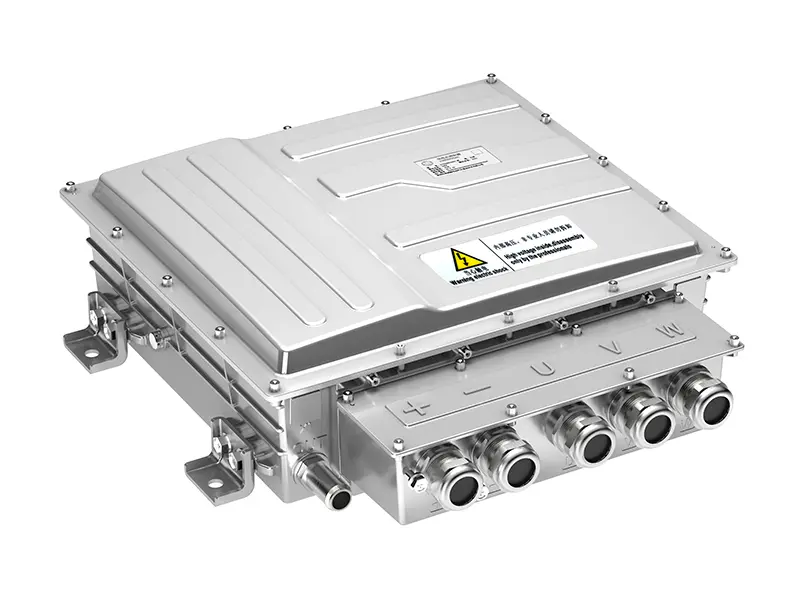
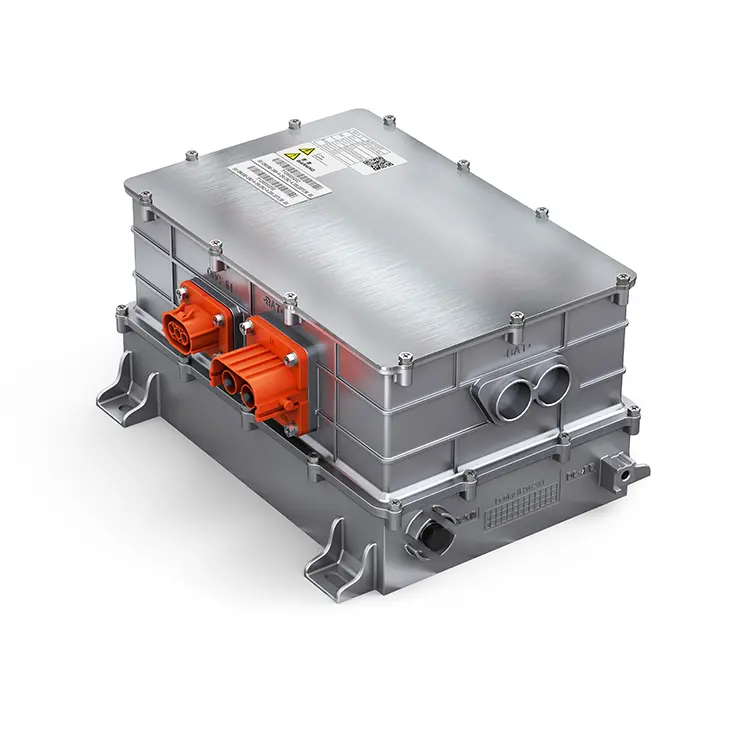
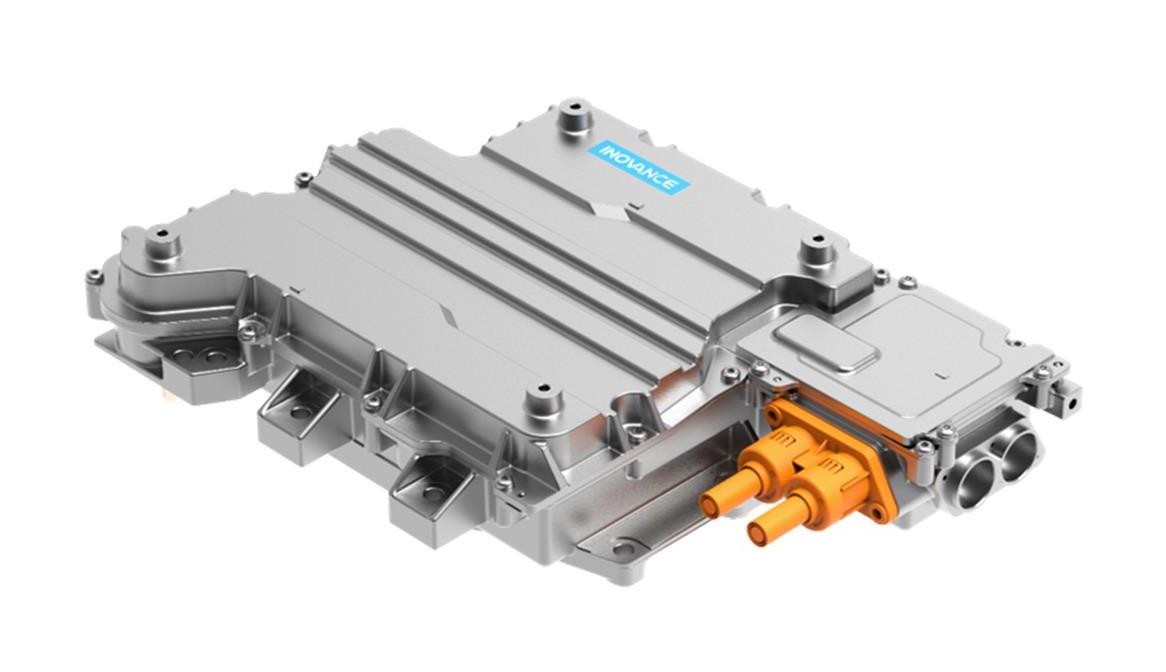
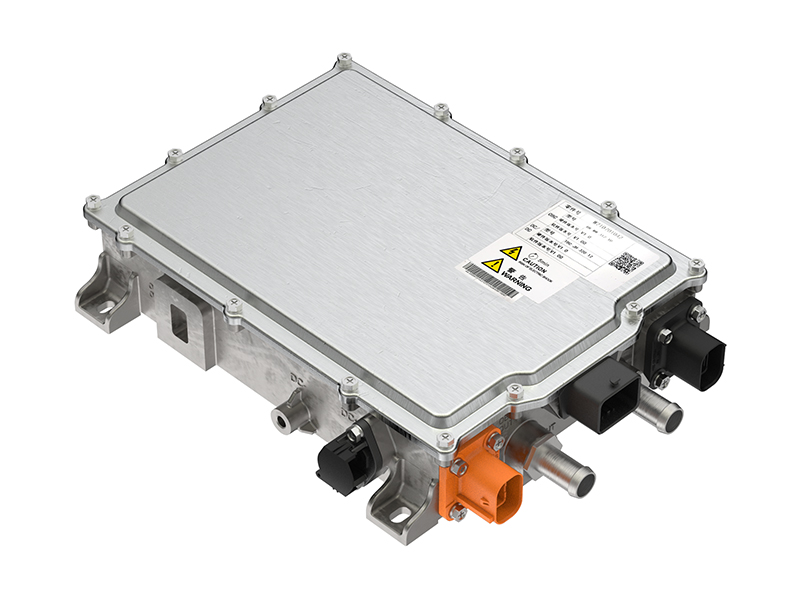
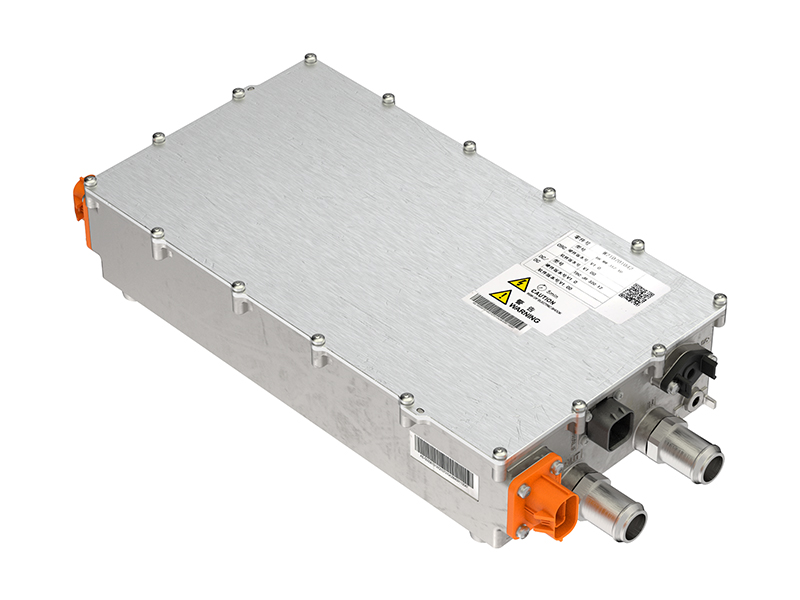
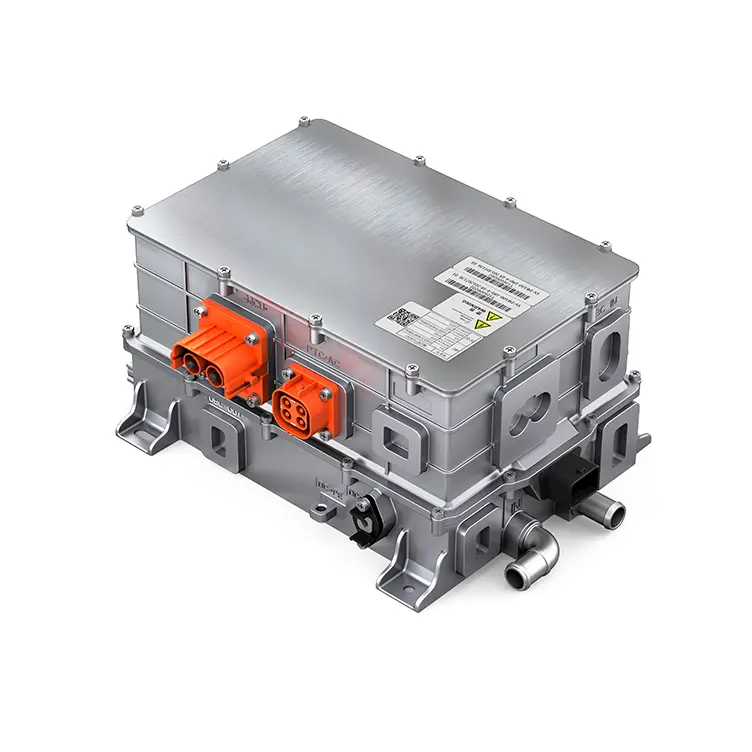
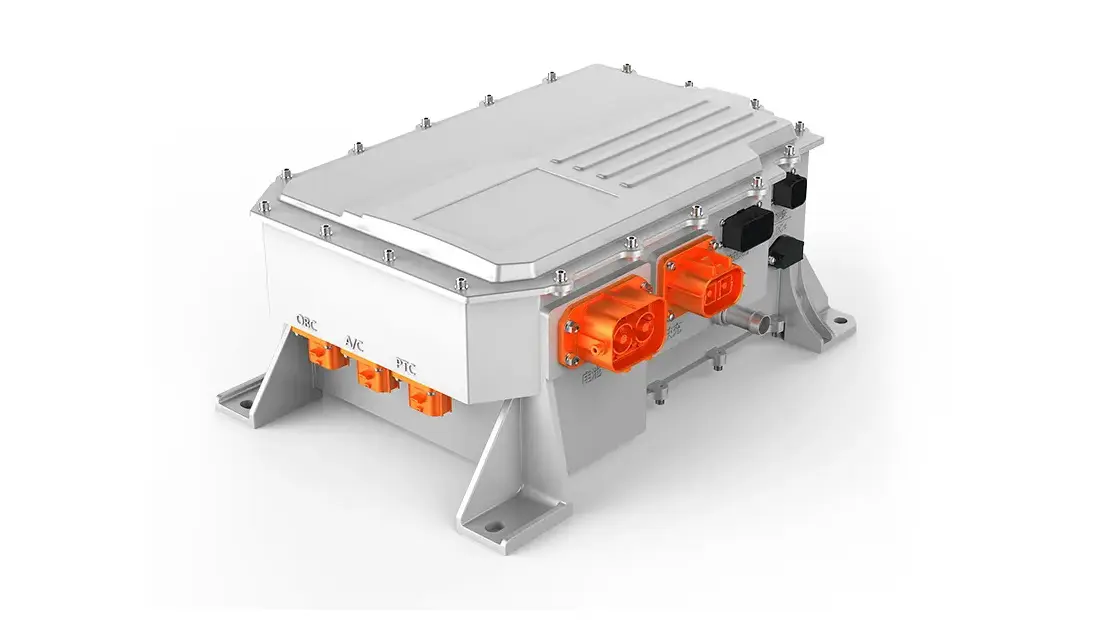
Motor Controller: Think of this as the brain. The controller regulates the power flow from the battery to the motor, controlling speed, torque, and acceleration based on your input from the accelerator pedal.
-
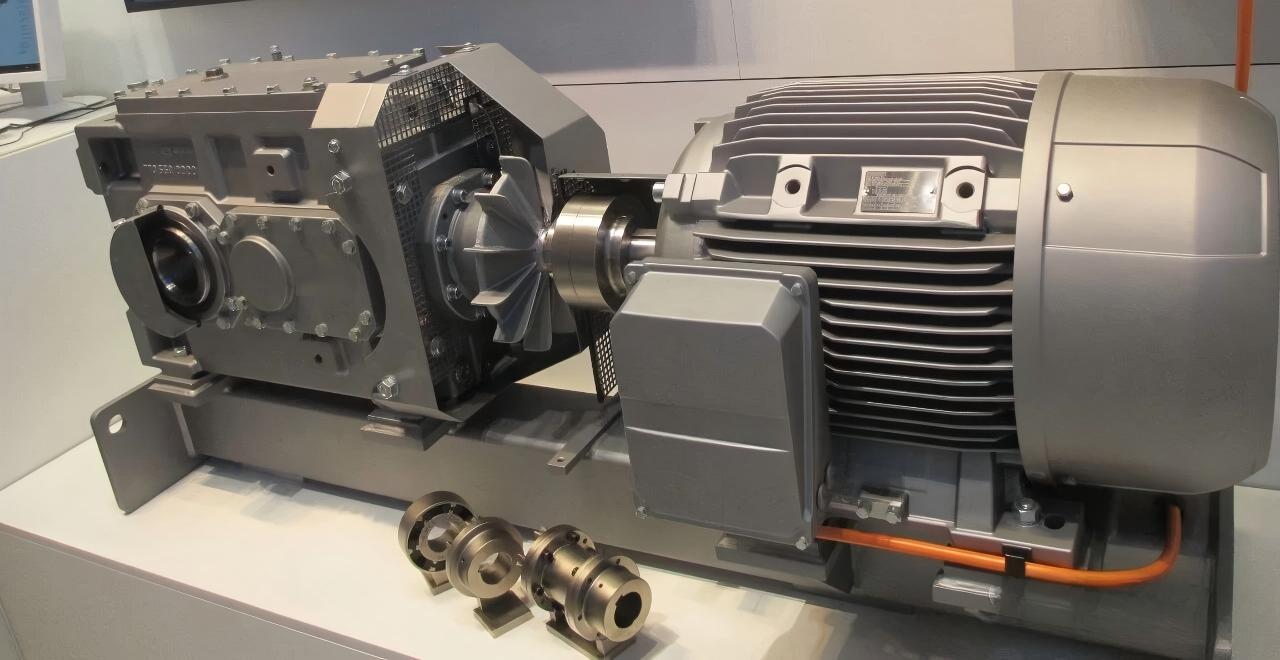
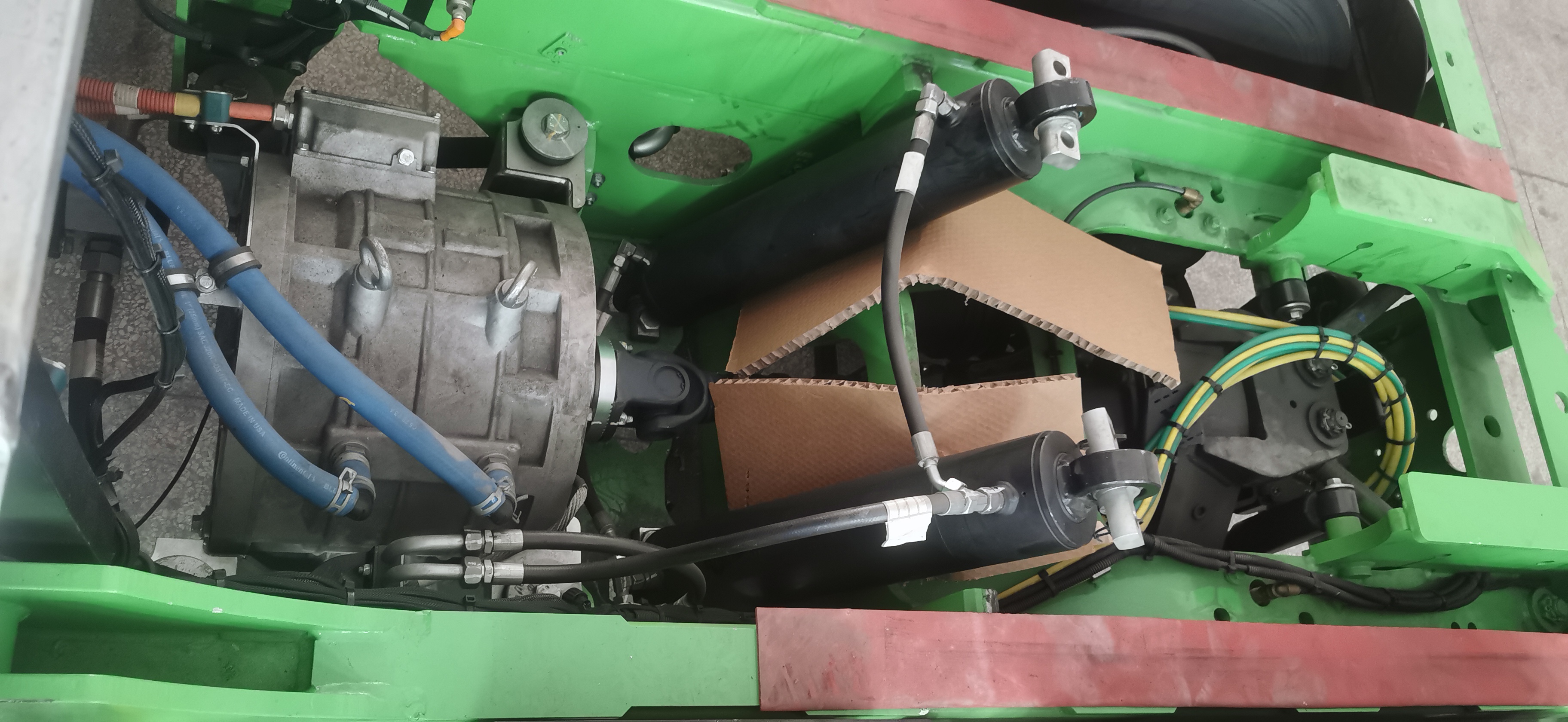
Adapter Plate and Coupler: These critical components physically connect the electric motor to your vehicle's existing transmission, allowing you to use the stock gearbox.
-
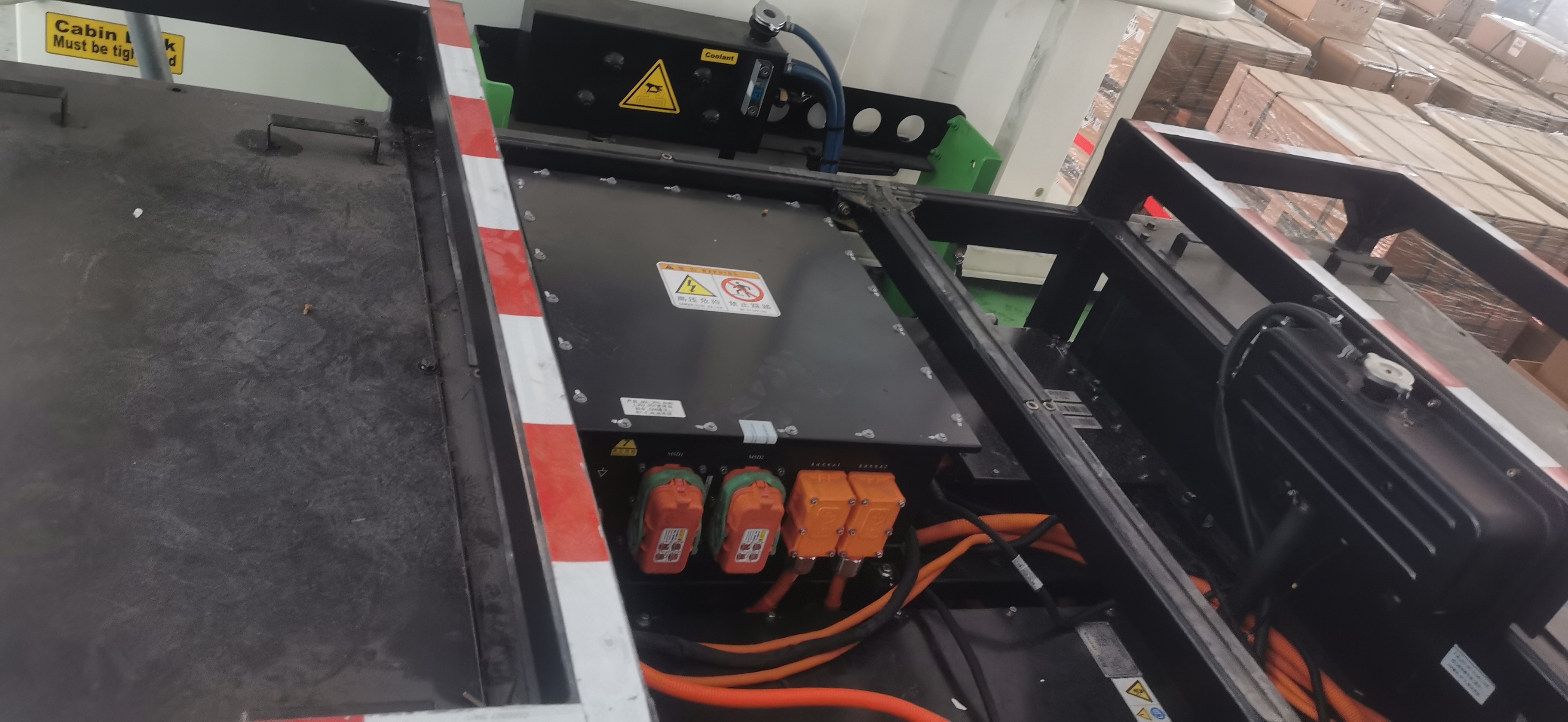
High-Voltage Cabling and Harness: Heavy-duty, specially insulated cables are required to safely carry the high-current electricity between the battery, controller, and motor.
-
Cooling System: Electric motors and controllers generate heat. A liquid-cooling or air-cooling system is essential to maintain optimal operating temperatures and ensure longevity.
-
Vacuum Pump: Since electric cars don't have an engine to create vacuum for the power brakes, a standalone electric vacuum pump is included to maintain safe braking performance.
-
Instrumentation and Controls: This includes a new display panel to show vital information like battery state of charge, speed, and system status, as well as controls for the conversion.
Different Types of EV Motor Kits
Not all conversion projects are the same, and neither are the kits. The main types include:
-
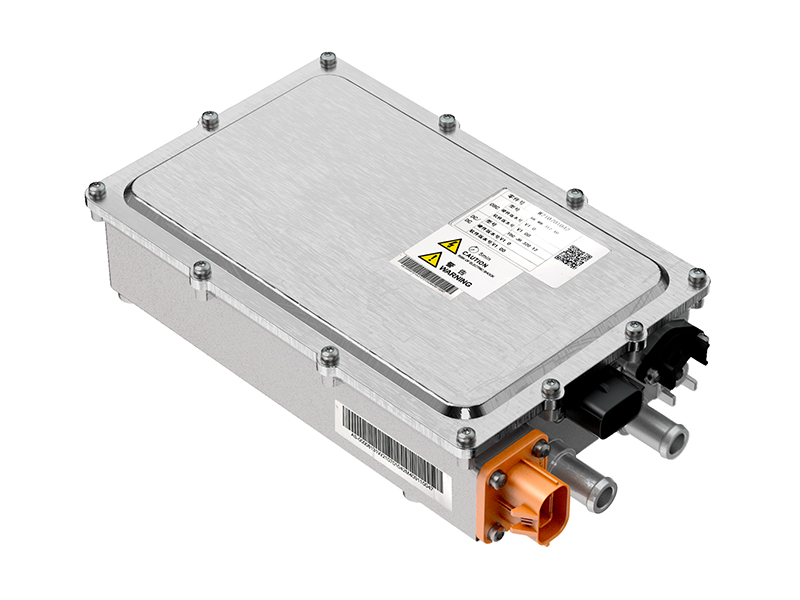
Complete Kits: These offer everything you need in one package—motor, controller, battery pack, charger, and all ancillary components. This is the best option for a full, start-to-finish conversion.
-
Component Kits (Motor & Controller): These kits provide the core powertrain (motor, controller, adapter) but allow you to source the battery pack and other parts separately. This is ideal for those who want to customize their battery system.
-
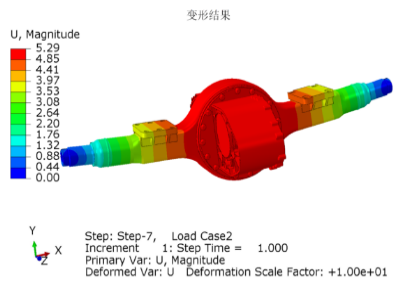
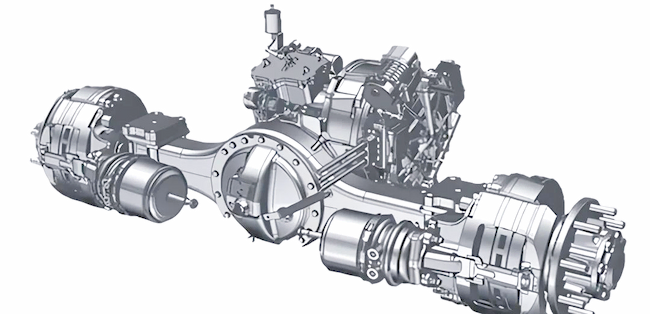
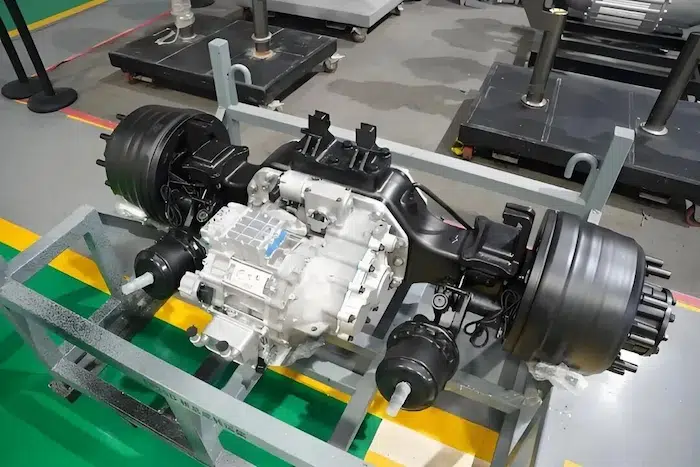
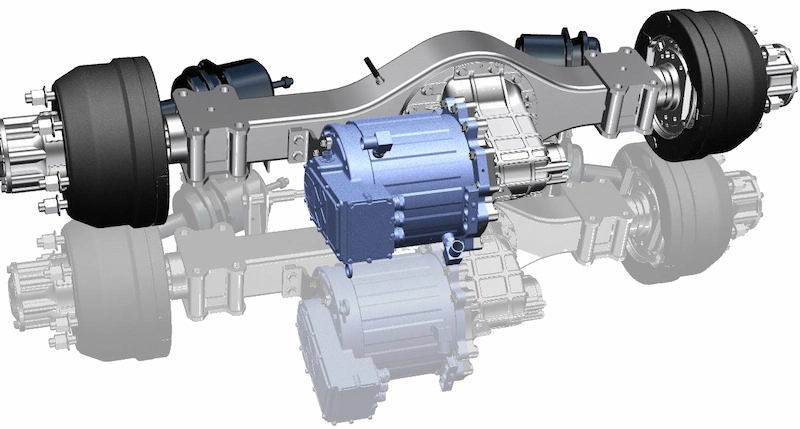
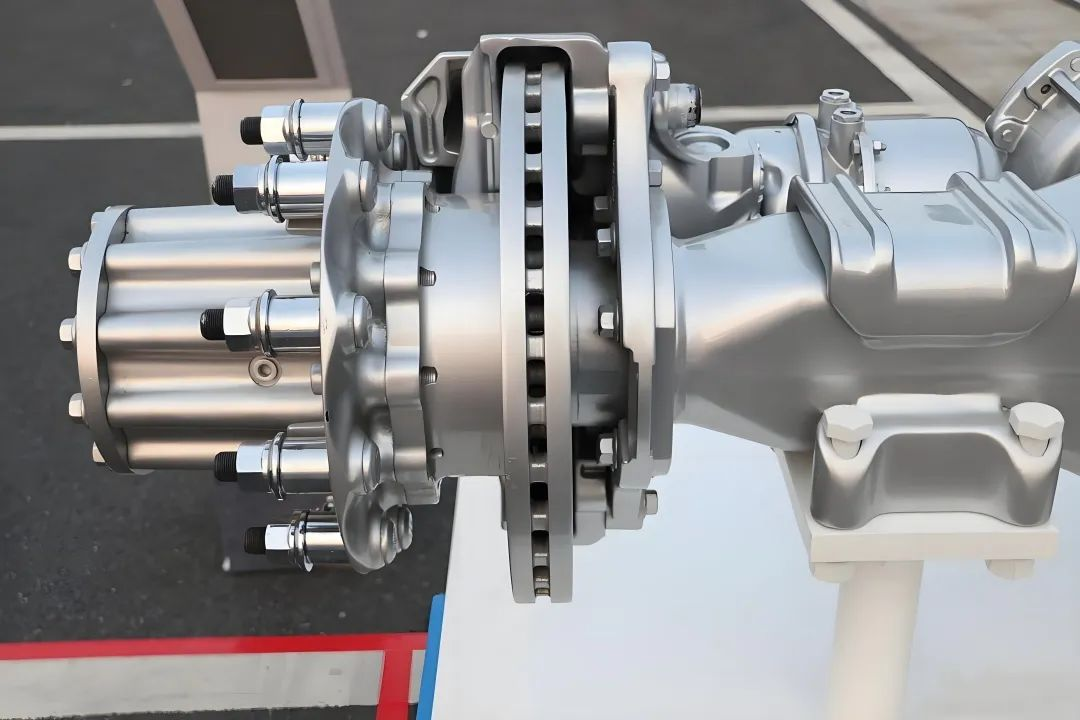
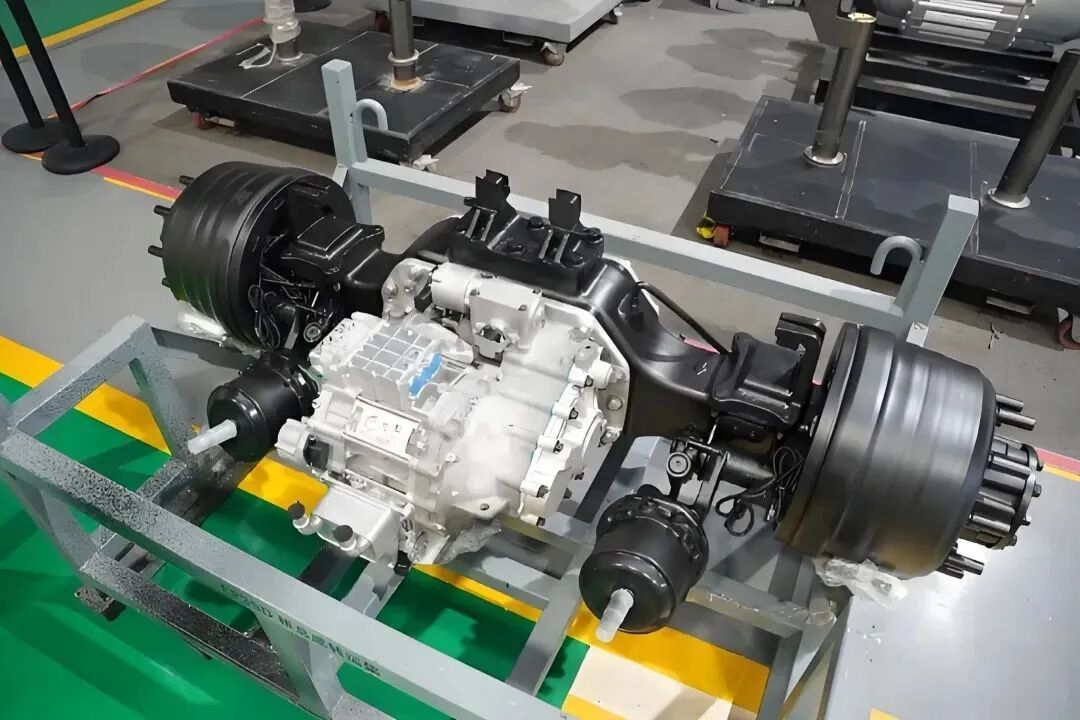
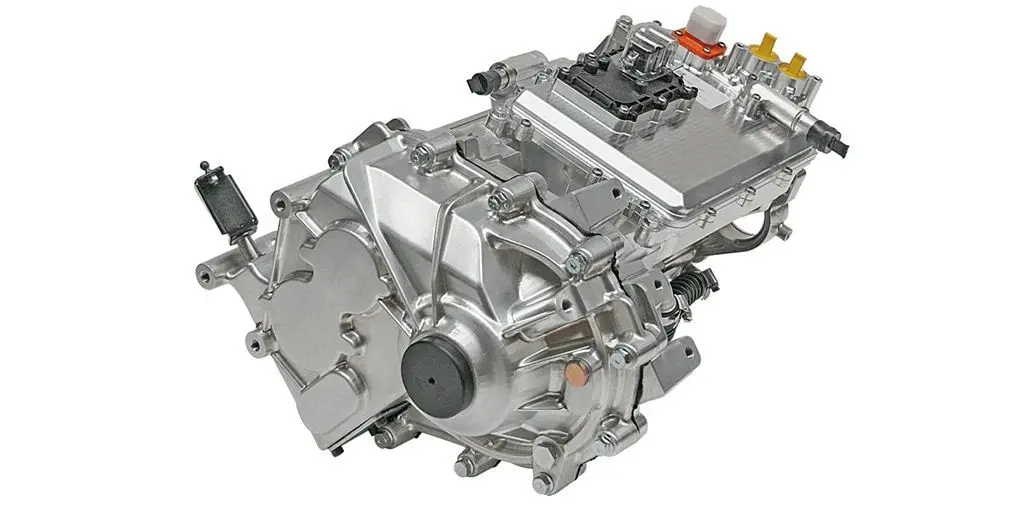
Axle-Mount Kits (eAxle): A more modern approach where the motor is integrated directly into the rear axle, eliminating the need for a transmission. This can simplify the installation but may require more custom fabrication.
Key Benefits of Using an EV Conversion Kit
Why go through the effort of a conversion? The advantages are compelling:
-
Breathe New Life into a Classic Car: Preserve the iconic look of your classic vehicle while giving it modern, silent, and emission-free performance.
-
Cost-Effectiveness: Converting an existing car can be significantly cheaper than purchasing a new EV, especially for older models.
-
Reduced Maintenance: Electric powertrains have far fewer moving parts than gasoline engines. Say goodbye to oil changes, spark plugs, exhaust systems, and complex emissions controls.
-
Environmental Impact: Drive with zero tailpipe emissions, reducing your carbon footprint.
-
Customization and Performance: You have direct control over the performance characteristics. Want instant torque and rapid acceleration? You can build it.
How to Choose the Right EV Motor Kit for Your Vehicle
Selecting the right kit is crucial for a successful project. Here are the key factors to consider, with a focus on what a provider like Pumba EV would recommend:
-
Your Vehicle's Specifications: Weight, chassis type, and available engine bay space will dictate the size and power of the motor kit you need.
-
Desired Performance: Consider your goals. Is it a city commuter or a high-performance machine? This determines the required kW rating of the motor.
-
Battery Compatibility: Ensure the motor kit you choose is compatible with the battery pack voltage and chemistry you plan to use. Pumbaa EV kits are designed to work seamlessly with a range of modern lithium-ion battery solutions.
-
Technical Support: A reputable supplier will offer robust technical documentation and customer support. Can you get help if you run into issues during installation?
-
Quality and Warranty: Look for kits with high-quality components, clear specifications, and a solid warranty. This protects your investment.
The Pumbaa EV Difference in Electric Powertrains
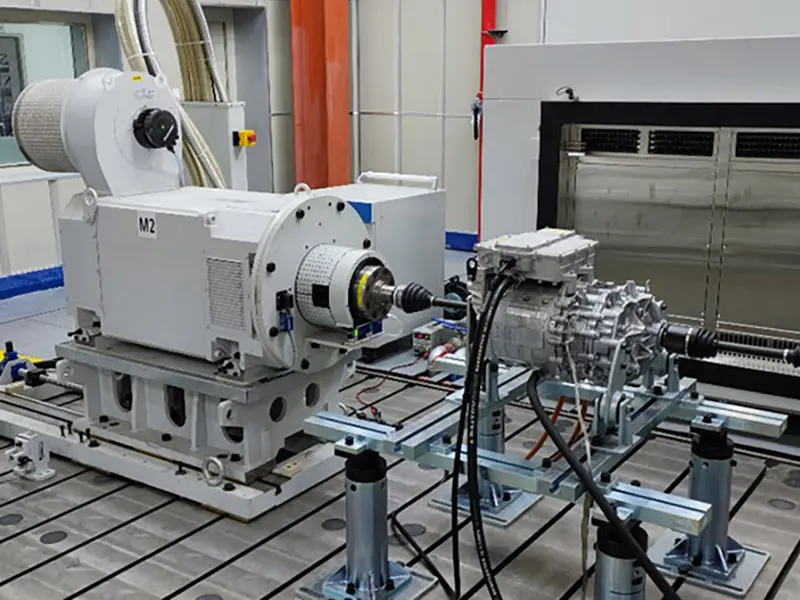
When you choose a kit from a specialized manufacturer, you're not just buying parts; you're investing in engineering expertise. Companies like Pumbaa EV focus exclusively on developing reliable and efficient electric conversion components. Their kits are often the result of extensive testing and refinement, offering features like advanced motor control software, robust thermal management, and plug-and-play connectivity that simplify the conversion process.
Frequently Asked Questions (FAQ)
Q: How much does an electric car motor kit cost?
A: The cost varies widely. A basic component kit (motor and controller) can start from a few thousand dollars. A complete turn-key solution with a battery pack can range from 20,000 or more, depending on performance and range requirements.
Q: Can I convert any car to electric?
A: While many cars can be converted, some are easier than others. Lightweight cars with a rear-wheel-drive layout and manual transmission are often the simplest. It's best to research your specific model or consult with an expert.
Q: How long does the conversion take?
A: For a skilled DIY mechanic, it could take several months of part-time work. For a first-timer or a more complex vehicle, it will take longer. Professional shops can complete conversions faster.
Q: What about the battery?
A: The battery pack is typically the single most expensive part of a conversion. You can purchase a pre-made pack or build a custom one. Range depends on the battery's capacity (kWh) and the vehicle's efficiency.
Ready to Start Your EV Journey?
Converting your car to electric is a rewarding project that combines passion, engineering, and sustainability. Understanding what an electric car motor kit is and how it works is the first step.
Explore the range of high-performance, reliable EV motor kits available at Pumba EV to find the perfect powertrain solution for your conversion project. Contact our experts today to discuss your needs!