


News







The "Multi-in-One" Controller: A Deep Dive into Integration for New Energy Vehicles
The Wave of Integration in Automotive Electronics
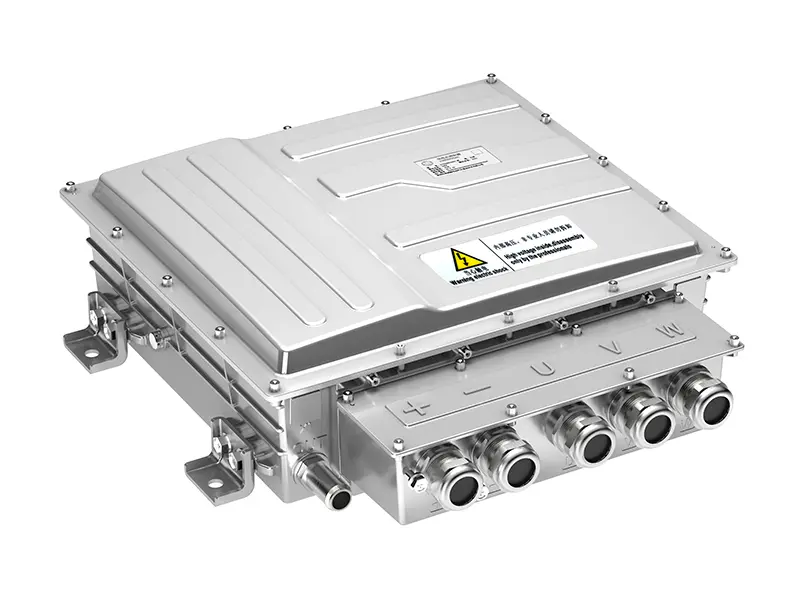
Driven by the dual forces of electrification and intelligence, the electrical architecture of New Energy Vehicles (NEVs) is undergoing a profound transformation. Among the key technological trends, the "Multi-in-One Controller" integration has emerged as a pivotal development. This approach combines multiple previously independent Electronic Control Units (ECUs) and power electronics into a single, compact unit, achieving leaps in vehicle lightweighting, cost efficiency, energy consumption, and reliability. This article explores the specifics, technical levels, and core value of "Multi-in-One" integration in the NEV sector.
Core Application Scenarios
The exact configuration of a Multi-in-One Controller heavily depends on its application. Currently, the two primary fields are New Energy Vehicles (NEVs) and Renewable Energy Storage Systems. Within the NEV industry, integrated design has become a core strategy for enhancing product competitiveness.
The Path of Integration in New Energy Vehicles
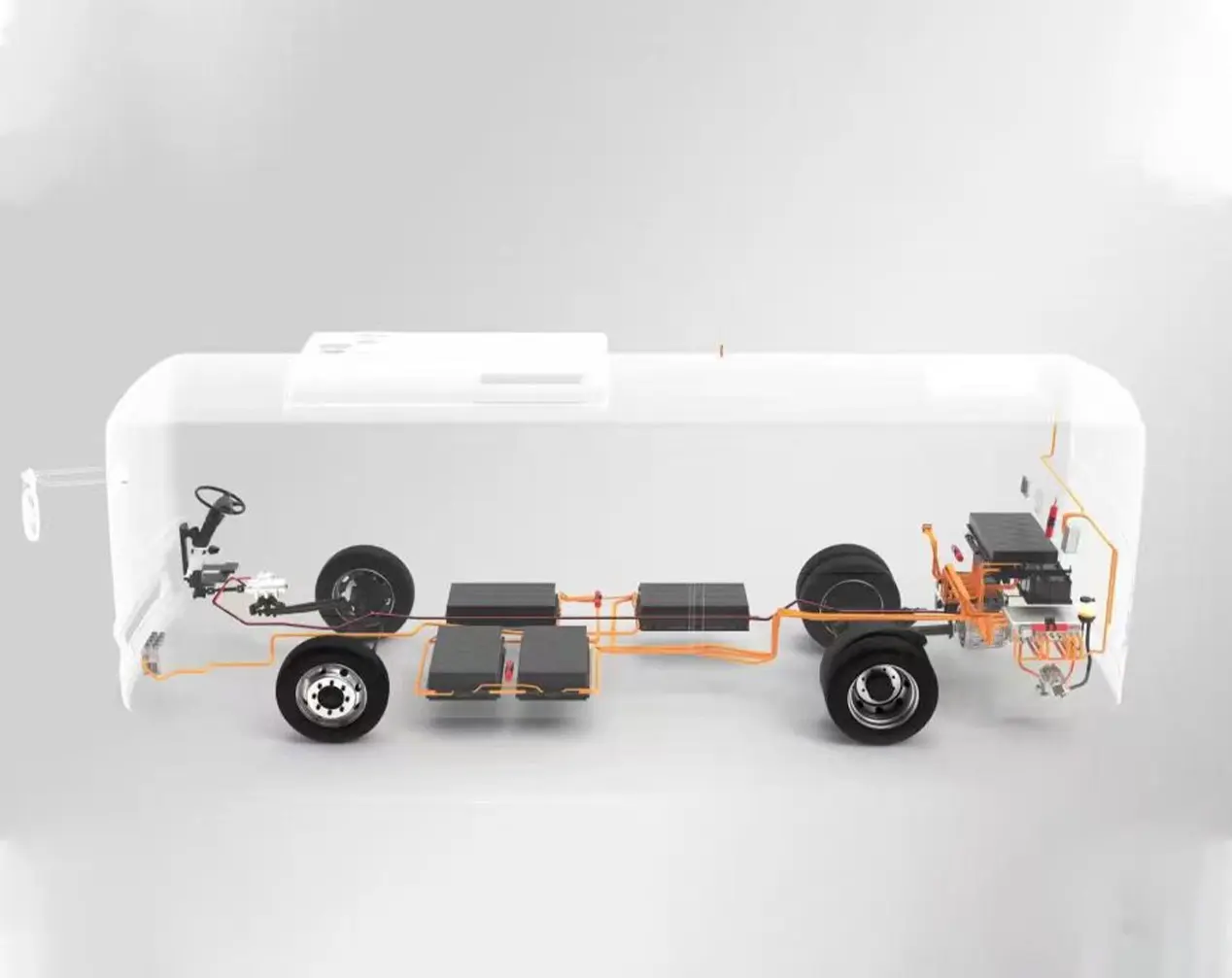
For Battery Electric Vehicles (BEVs) and Hybrid Electric Vehicles (HEVs/PHEVs), Multi-in-One integration primarily refers to a highly integrated electric drive system or, more broadly, a powertrain domain control system. Its evolution follows a path of increasing integration, from core drive components to the entire high-voltage electrical system.
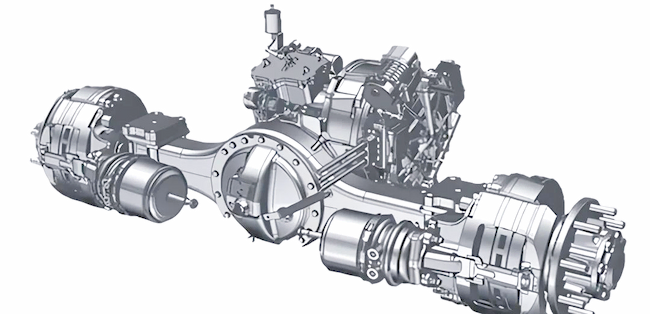
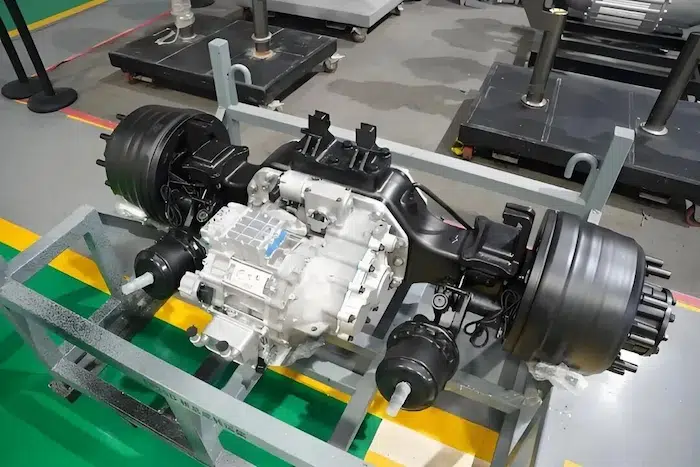
1. The "3-in-1" Electric Drive Assembly
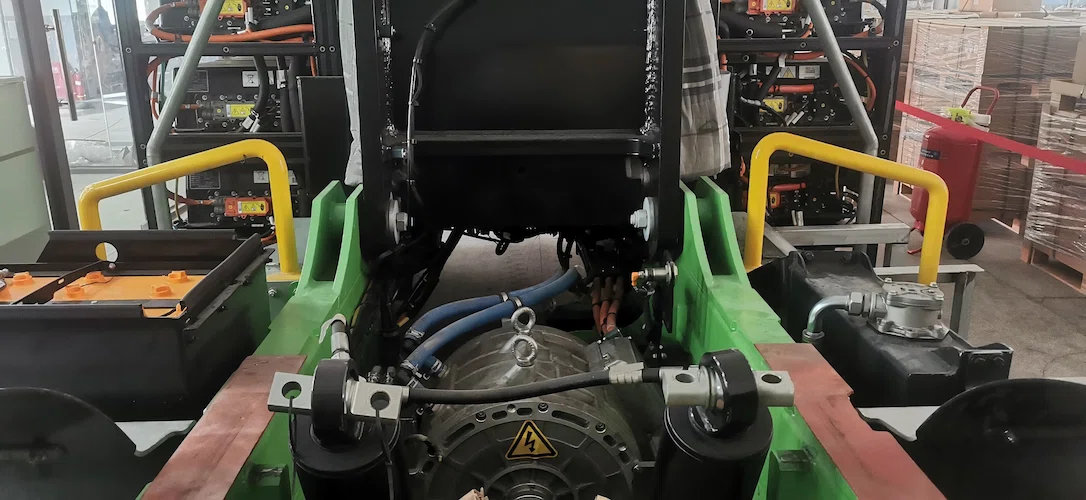
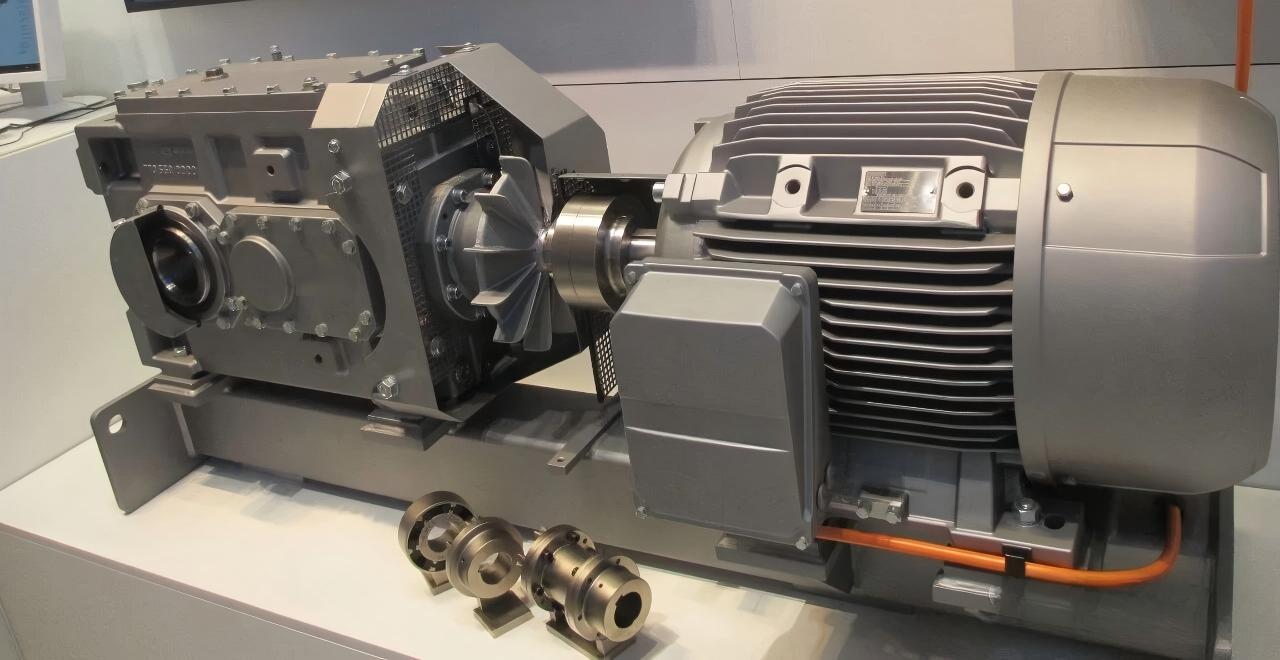
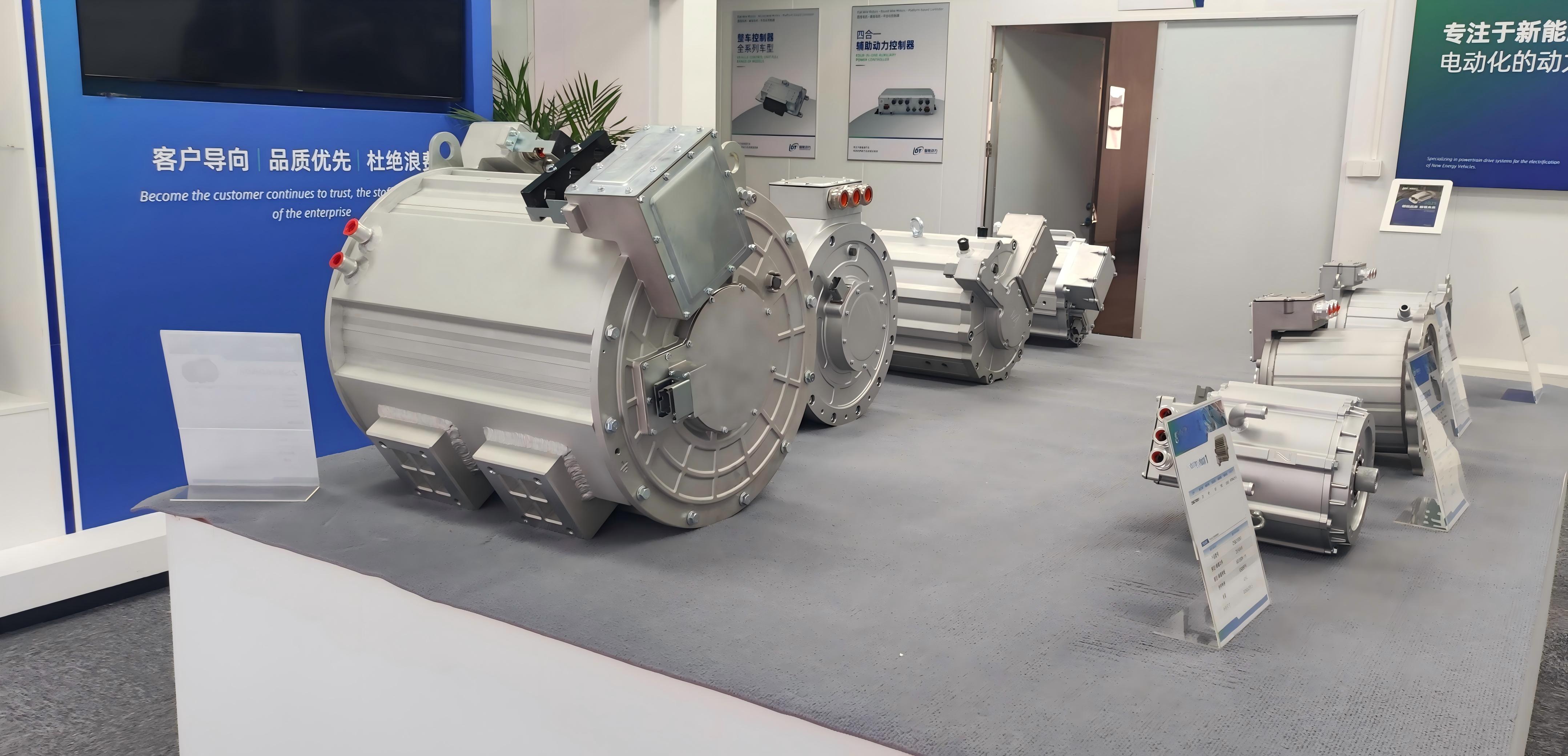
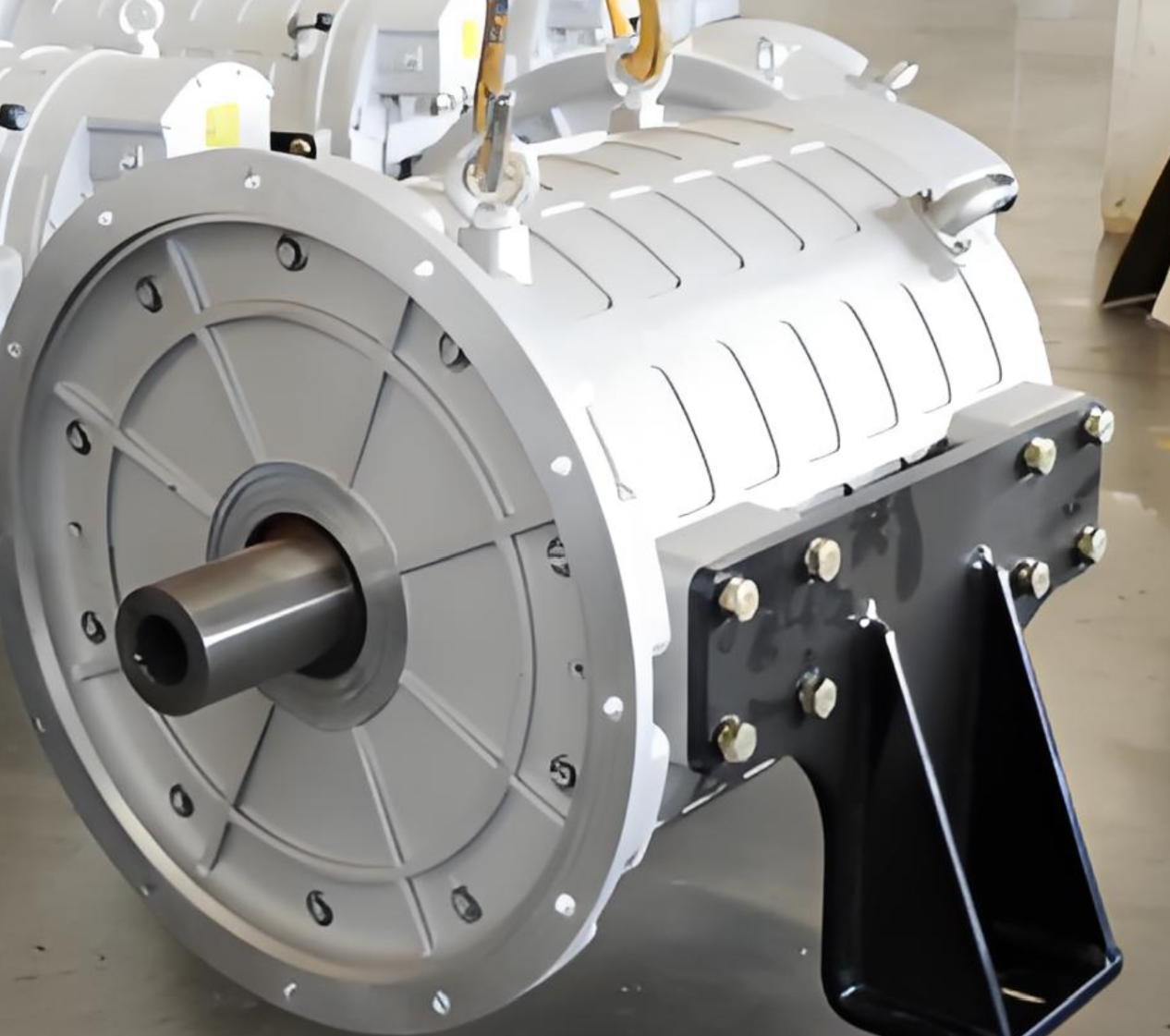
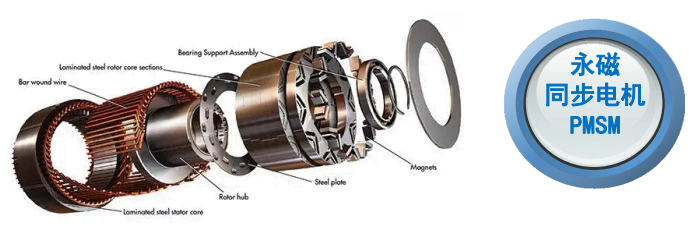
This is the most mainstream and mature solution. It integrates the three core propulsion components—the traction motor, the Motor Controller Unit (MCU), and the gearbox (reducer)—into one compact module.
-
Advantages: Significantly reduces wiring harnesses and connectors, increases system efficiency and power density, lowers noise and vibration, and simplifies vehicle packaging and assembly, leading to effective cost reduction.
2. The "6-in-1" High-Voltage Electrical System
Building upon the 3-in-1, integration goes further by fusing key components from the charging and power distribution system, forming a "6-in-1" controller. Typically integrated components include:
-
On-Board Charger (OBC): Handles AC slow charging.
-
DC-DC Converter: Steps down high-voltage DC from the traction battery to power the 12V/24V low-voltage system.
-
High Voltage Power Distribution Unit (PDU): Manages the distribution and protection of high-voltage power throughout the vehicle.
-
Functional Consolidation: This solution enables unified management of drive, charging, power conversion, and distribution, dramatically optimizing front-end packaging. It represents a key technological direction for many mid-to-high-end vehicles.
3. Deep Domain Integration: "8-in-1" and Beyond
The technological frontier is moving towards deep integration of the entire vehicle's powertrain domain. The "8-in-1" solution further incorporates:
-
Battery Management System (BMS): Responsible for monitoring and managing the state of the traction battery.
-
Vehicle Control Unit (VCU): Acts as the vehicle's "brain" for top-level energy management and coordination.
-
Ultimate Form: This "8-in-1" or higher level of fusion constitutes a true Powertrain Domain Controller. It achieves centralized hardware and software-defined functionality, serving as the core physical platform for the evolution of Electronic/Electrical Architecture (EEA) towards domain-centralized and eventually central computing models.
In-Depth Functionality of Core Components
To understand the value of Multi-In-One controllers, a deep dive into the functions of their key internal units is essential. Let's examine several critical components from the perspective of integrated high-voltage power distribution.
The PDU: The Vehicle's "Energy Dispatch Center"
Within a Multi-In-One system, the PDU acts as the central hub, drawing power from the traction battery and safely distributing it to all high-voltage consumers:
-
Powertrain Power Supply: Provides high-voltage power to the Motor Controller Unit (MCU).
-
Thermal Management Power Supply: Powers the A/C compressor and PTC (electric heater) for battery and cabin temperature control.
-
Integrated Controller Power Supply: Supplies high-voltage power to other integrated controllers within the unit, such as the oil pump controller, air pump controller, and DC-DC converter.
-
Pre-charge Circuit Design: Since the A/C compressor and MCU contain large internal capacitors, dedicated pre-charge circuits are designed within the PDU for these branches. This prevents inrush current at power-up, ensuring a smooth system start.
The Air Pump Controller: Ensuring Braking Safety
-
Function: The air pump controller is a critical component designed for commercial electric vehicles or large buses equipped with air brake systems. Its core function is to drive the air pump motor, which powers the air compressor to generate and maintain stable high-pressure air for the vehicle's pneumatic braking system.
-
Hardware Commonality: In integrated designs, to reduce cost and improve reliability, the air pump controller often shares an identical hardware platform with the oil pump controller. Different software configurations enable distinct functions, showcasing the supply-chain and manufacturing advantages of integration.
The DC-DC Converter: The "Power Heart" of the Low-Voltage System
-
Function: The DC-DC converter is the critical bridge between the vehicle's high and low-voltage networks. It efficiently converts power from the high-voltage traction battery (typically 300V-800V) to stable low-voltage DC (e.g., 27.5V, 12V, or 24V).
-
Core Roles: 1. Powers all low-voltage consumers (lights, infotainment, controllers, sensors, etc.). 2. Charges the 24V low-voltage battery, ensuring critical low-voltage systems remain operational when the vehicle is asleep or the high-voltage system is off.
Technical Trends and Future Outlook
The evolution of "Multi-In-One" integration continues. Key future trends include:
-
Broader Cross-Domain Fusion: Deeper integration with thermal management and chassis domains.
-
Adoption of New Materials (e.g., SiC): To further enhance system efficiency and power density, supporting 800V and higher-voltage platforms.
-
Intelligence and OTA: The increased level of integration provides a solid hardware foundation for Over-The-Air (OTA) software updates and intelligent energy management strategies.
Sourcing Professional Integrated Solutions
Navigating this complex technological landscape requires choosing reliable and efficient integrated solutions. A professional platform offers deep support, from key chips and modules to complete system solutions. For engineers and decision-makers seeking in-depth information on DC-DC converters, high-performance Motor Controller Units (MCUs), integrated PDU solutions, and advanced air/oil pump controller technologies, visiting industry resource platforms like www.pumbaaev.com is highly recommended. Such platforms provide rich technical resources, product selection guides, and cutting-edge application cases, aiding in the planning and implementation of next-generation highly integrated electric drive systems.
Conclusion: Multi-in-One controller integration is more than just physical combination; it is a system-level optimization that creates value greater than the sum of its parts. It represents a critical step in the evolution of NEVs from "mechanically defined" to "hardware-defined," and ultimately towards "software-defined" vehicles. As integration deepens, vehicles will become smarter, more efficient, and more reliable, continuously driving the transformation and upgrade of the entire automotive industry.