


News

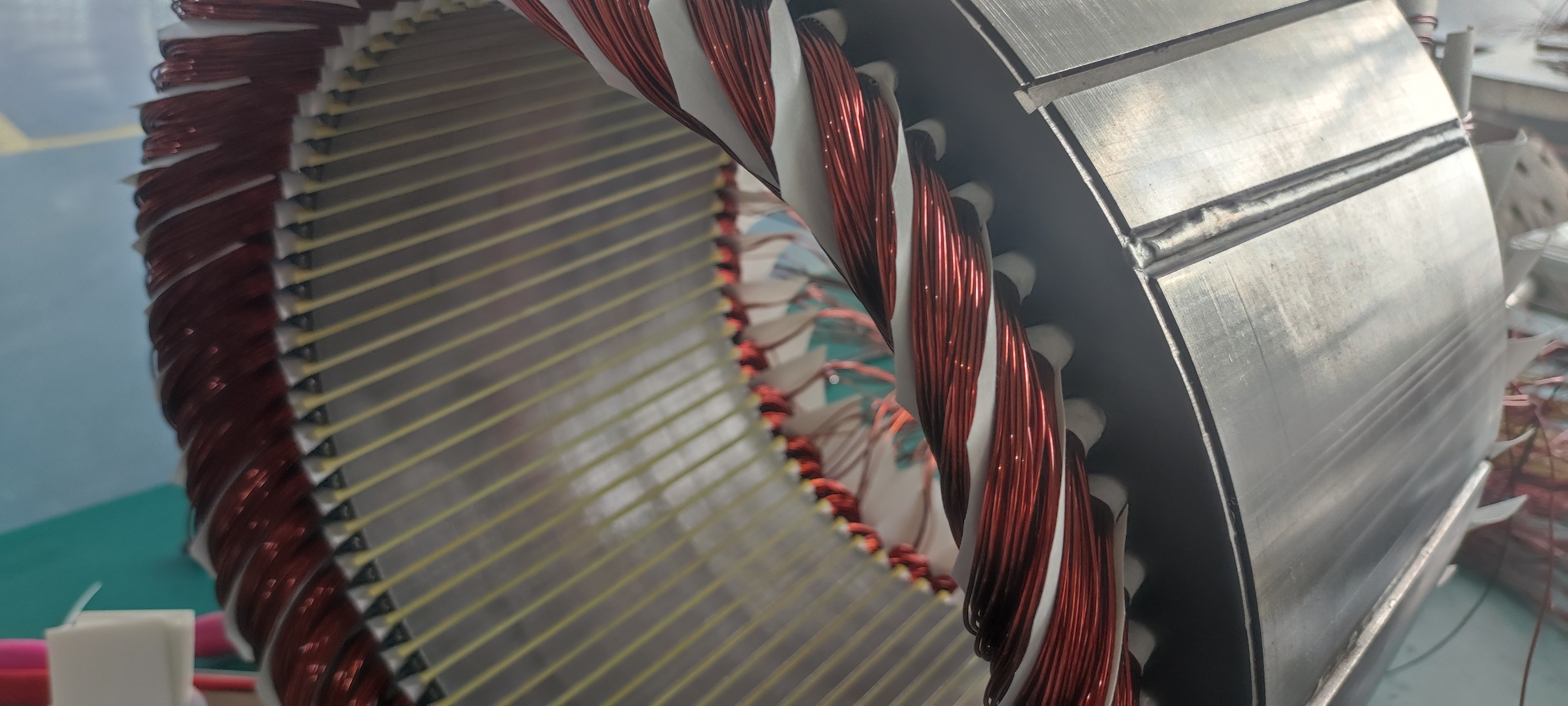
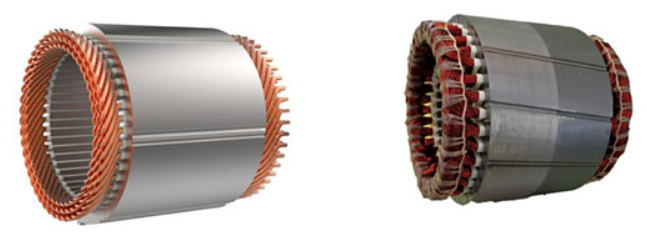
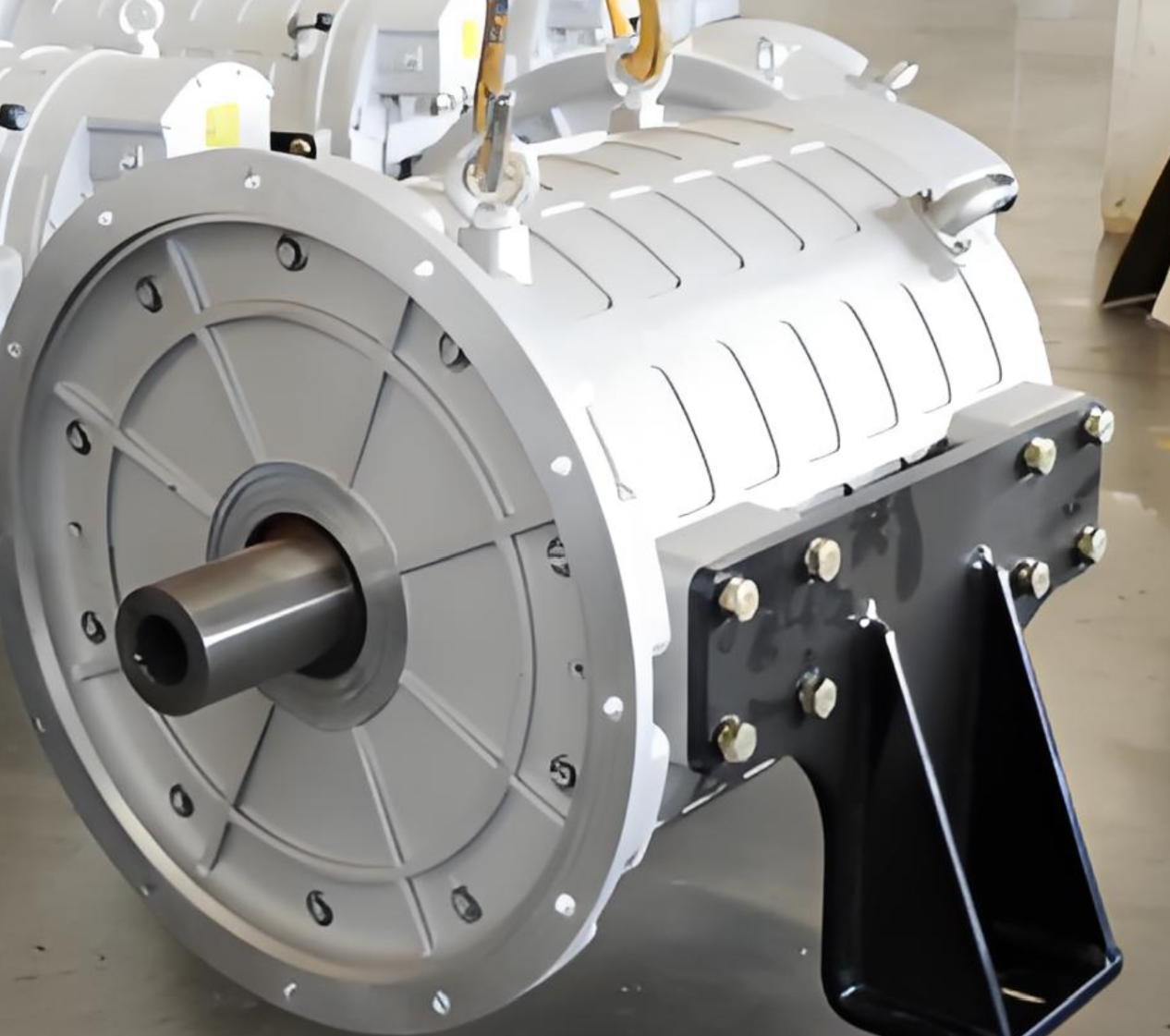

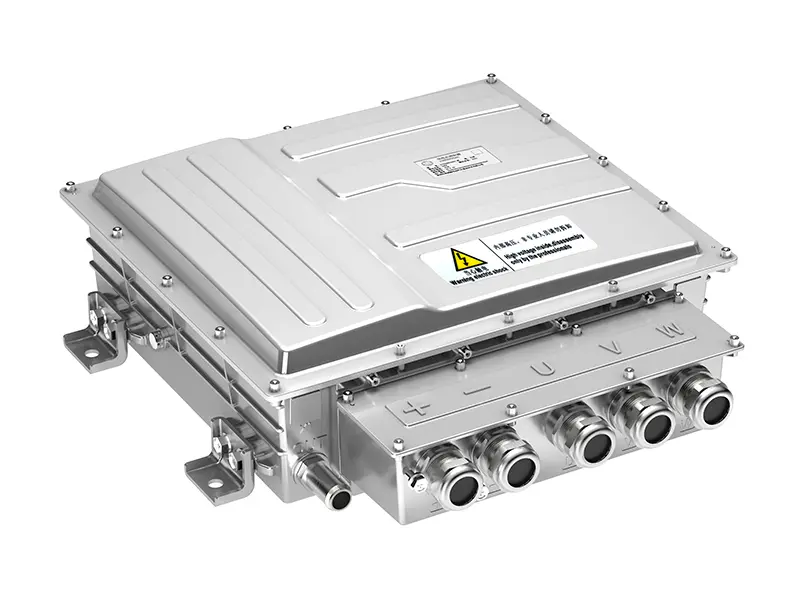







What are the benefits of using Permanent magnet synchronous motor in cars?
In the rapidly evolving landscape of automotive electrification, the electrified powertrain has become the heart of modern electric vehicles (EVs) and hybrid electric vehicles (HEVs).
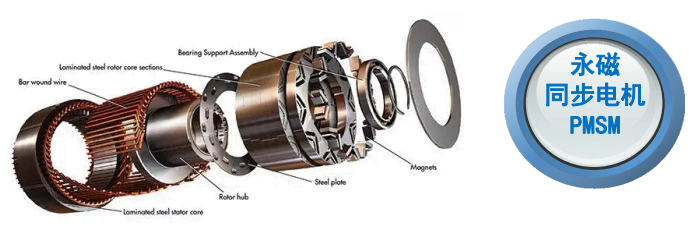
Among the various motor technologies available, the Permanent Magnet Synchronous Motor (PMSM) has emerged as a dominant force, revolutionizing the way we think about vehicle performance, efficiency, and comfort. This blog will delve into the numerous benefits of using PMSMs in cars, highlighting their design advantages and exploring their compatibility with different types of electrified vehicles, supplemented by representative vehicle cases that reflect industry-wide applications.
The Shift to Permanent Magnet Synchronous Motors in Modern EV/HEV Powertrains
The automotive industry is undergoing a profound transformation, moving away from traditional internal combustion engines towards cleaner, more efficient electrified powertrains. Permanent Magnet Synchronous Motors have played a pivotal role in this shift, thanks to their superior performance characteristics and adaptability to various vehicle architectures.
Their ability to deliver high power density, excellent efficiency, and precise control has made them the preferred choice for major automakers worldwide—from global giants like Tesla, BMW, and Toyota to leading domestic brands—looking to enhance the driving experience while reducing environmental impact. By 2024, PMSMs (especially hairpin-wound variants) had achieved nearly 70% penetration in new energy passenger vehicles, with models like Tesla’s Model series, BYD’s Han/EV lineup, and Toyota’s Prius hybrid all adopting this motor technology as a core powertrain component.
Core Advantage 1: Unmatched Energy Efficiency for Extended Range
One of the most significant benefits of PMSMs is their exceptional energy efficiency. Unlike induction motors, which require additional energy to create a magnetic field, PMSMs utilize permanent magnets to generate a constant magnetic flux.
This results in lower energy losses and higher overall efficiency, directly translating into longer driving ranges on a single charge. Many mainstream electric sedans equipped with PMSMs—such as the BYD Han EV and Tesla Model 3—achieve a combined driving range of over 600 km under standard test cycles, with top-tier models even exceeding 700 km. This is largely attributed to the motor’s efficiency advantage, which often reaches 95% or higher (5-10% better than traditional induction motors). For commercial vehicles, PMS-equipped electric trucks and buses also see 10-15% lower energy consumption compared to those using other motor types, significantly reducing operational costs for fleet operators.
For EV owners, this means fewer stops at charging stations and greater peace of mind when planning long trips. Additionally, the improved efficiency contributes to reduced energy consumption over the vehicle’s lifetime, lowering the total cost of ownership.
Core Advantage 2: High-Performance Driving with Instant Torque
PMSMs are renowned for their ability to deliver instant torque, providing drivers with a responsive and exhilarating driving experience. The motor’s design allows for rapid acceleration, enabling vehicles to reach highway speeds quickly and smoothly.
Most mid-range electric vehicles with PMSMs—such as the Nissan Leaf and BYD Song PLUS EV—can accelerate from 0 to 100 km/h in 7-10 seconds, while high-performance variants (often with dual PMSMs) like the Tesla Model 3 Performance and BYD Tang EV high-performance edition can complete the sprint in under 5 seconds. This instant torque delivery is particularly beneficial in urban driving scenarios, where frequent stops and starts demand quick responsiveness. Moreover, the precise control offered by PMSMs ensures power is delivered in a smooth, controlled manner, enhancing vehicle stability and handling during cornering, overtaking, or uneven road conditions—an advantage evident in luxury EVs like the BMW i4.
Core Advantage 3: Compact & Lightweight Design for Vehicle Agility
Another key advantage of PMSMs is their compact and lightweight design. Compared to other motor types, PMSMs can achieve higher power outputs in a smaller, more streamlined package, freeing up valuable space within the vehicle for batteries, passenger comfort features, or cargo storage.
Many automakers integrate PMSMs into modular powertrain systems, and models like the BMW iX3 and NIO ET series leverage the motor’s compact size for flexible placement (front, rear, or all-wheel drive configurations) without compromising interior space. The reduced weight of PMSMs also contributes to improved vehicle agility—every kilogram saved translates to better acceleration, shorter braking distances, and more nimble cornering. For electric vehicles, where battery weight is a major consideration, the lightweight nature of PMSMs further helps offset overall vehicle mass, indirectly boosting driving range, as seen in compact EVs like the Volkswagen ID.3.
Core Advantage 4: Quieter Rides through Advanced NVH Control
Noise, vibration, and harshness are critical factors that influence the overall driving experience. PMSMs excel in this area, thanks to their smooth operation and inherent design advantages that minimize vibrations and noise emissions.
Unlike internal combustion engines or even some induction motors, PMSMs operate with minimal mechanical noise, especially at low to medium speeds. Luxury electric vehicles—such as the Mercedes-Benz EQE and BMW i4—leverage this strength, pairing PMSMs with additional sound insulation to create cabin environments where road and wind noise are barely perceptible, even during highway cruising. This quiet operation not only enhances passenger comfort but also elevates the vehicle’s perceived quality, aligning with the premium positioning of many modern EVs.
Compatibility Mastery: PMSMs in Hybrid, Plug-in, and Full Electric Vehicles
Permanent Magnet Synchronous Motors are highly versatile and can be seamlessly integrated into various types of electrified vehicles, making them a flexible choice for automakers.
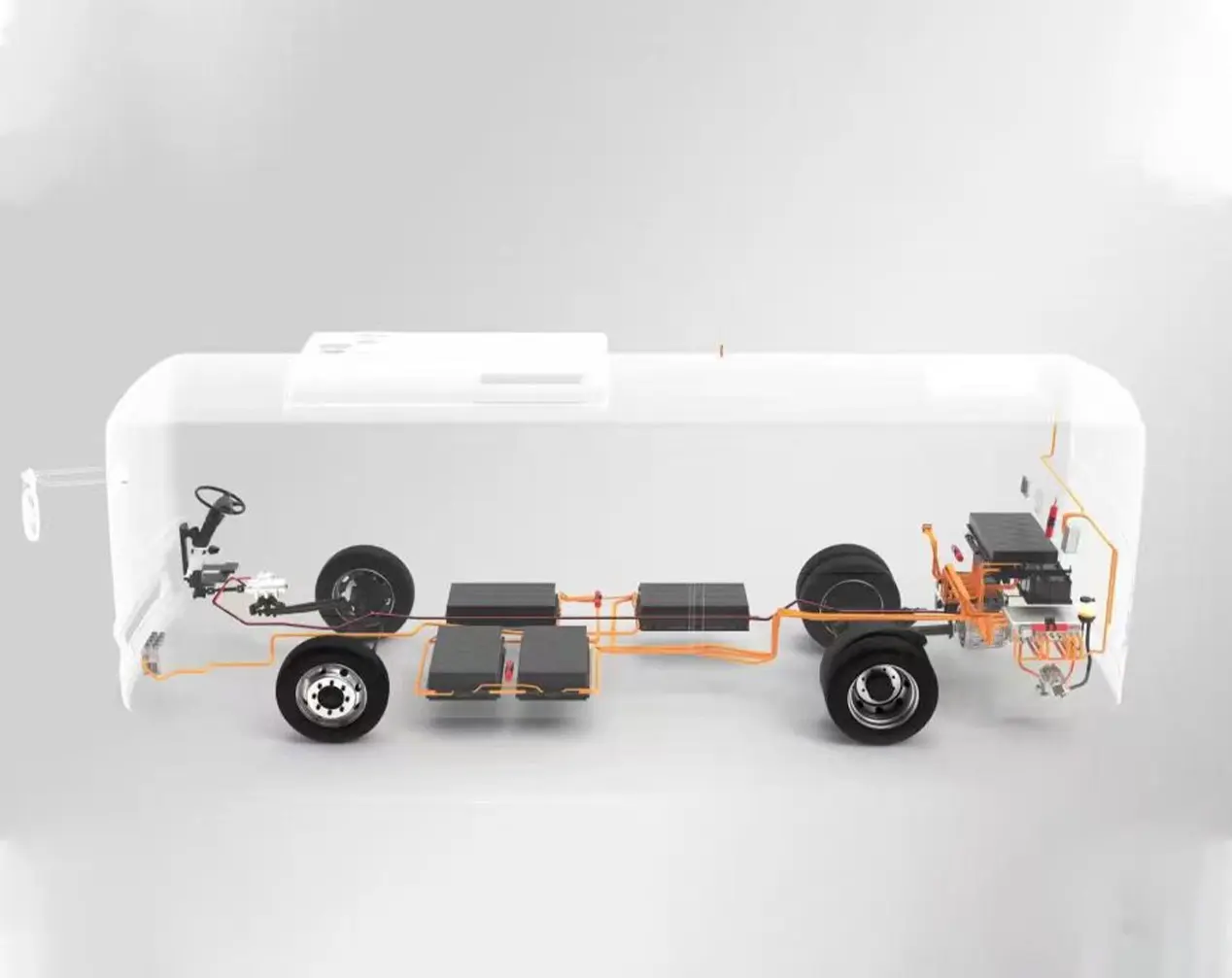
In hybrid vehicles, PMSMs work in tandem with internal combustion engines to provide additional power during acceleration or hill climbing, while also enabling regenerative braking to capture energy—helping top-selling hybrid models like the Toyota Prius and Honda CR-V Hybrid achieve 20-30% better fuel efficiency than their gasoline-only counterparts. In plug-in hybrid and full electric vehicles, PMSMs often serve as the primary or sole power source, delivering consistent performance and efficiency for daily commuting and long-distance travel, as demonstrated by the BYD Song PLUS DM-i and Volkswagen ID. series (BEV). Even in commercial vehicles like electric buses and delivery vans, PMSMs are widely adopted for their ability to balance high load capacity with compact design and low operating noise.
Future Trends: Smart Control & Integration with Advanced Powertrains
As the automotive industry continues to evolve, PMSMs are poised to play an even more significant role in the future of electrified driving. The integration of smart control systems and advanced powertrain technologies will further enhance their performance and efficiency.
For example, many automakers are now pairing PMSMs with silicon carbide (SiC) power electronics, which reduce energy losses and allow for faster, more precise motor control—an upgrade already seen in high-end models like the NIO ET7. The use of artificial intelligence and machine learning algorithms is also becoming more common—these systems optimize motor parameters in real-time based on driving conditions, driver behavior, and battery status, maximizing efficiency and performance. Additionally, advancements in wireless charging, high-voltage platforms, and battery management systems will further complement PMSMs, extending EV range and reducing charging times.
Conclusion: PMSMs–The Cornerstone of Electrified Driving Excellence
In conclusion, Permanent Magnet Synchronous Motors represent a cornerstone of automotive electrification, offering a compelling combination of energy efficiency, high performance, compact design, and quiet operation. Their broad compatibility with hybrids, plug-in hybrids, and full electric vehicles makes them a versatile choice for automakers seeking to meet diverse market demands.
From mainstream commuter cars (e.g., Volkswagen ID.3) to luxury EVs (e.g., Mercedes-Benz EQE) and hybrid staples (e.g., Toyota Prius), PMSMs have proven their reliability and effectiveness across applications. As the industry continues to innovate—with advancements in materials, control systems, and powertrain integration—PMSMs will remain at the forefront of electrified driving excellence, shaping a more efficient, sustainable, and enjoyable future of mobility.