


News







Market Applications and Development Trends of EV Drivetrain Systems
As global decarbonization accelerates, EV drivetrain systems have become essential for electrifying heavy-duty trucks, buses, and marine vessels. Compared to traditional internal combustion engines, electric drivetrains offer higher efficiency, lower operating costs, and better environmental performance. This article explores market applications and development trends of EV drivetrain systems, focusing on motors, controllers, and power systems for commercial and marine transportation.
1. Introduction: The Growing Importance of EV Drivetrain Systems in Commercial and Marine Sectors
In commercial and marine transportation, electrification is the most viable solution for reducing carbon emissions and meeting stricter regulations. Heavy-duty vehicles and vessels require propulsion systems that are both reliable and efficient. Electric drivetrains provide high torque output, continuous performance under load, and near-zero emissions. Therefore, logistics operators, transit agencies, and maritime companies are accelerating investments in electrified fleets.
2. Current Market Landscape: Demand for High-Power EV Drivetrains
The demand for high-power electric drivetrains is expanding rapidly with the growth of commercial EV adoption. Heavy-duty trucks typically require continuous power outputs between 350 kW and 500 kW, while electric buses must sustain long operation hours with frequent stop-and-go cycles. Marine vessels require robust propulsion systems capable of handling harsh environments while delivering high torque efficiently. Asia, Europe, and North America lead this transition, driven by policy support and technology advances.
3. Key Components in Electric Drivetrains: Motor, Controller, and Power System (Excluding Battery)
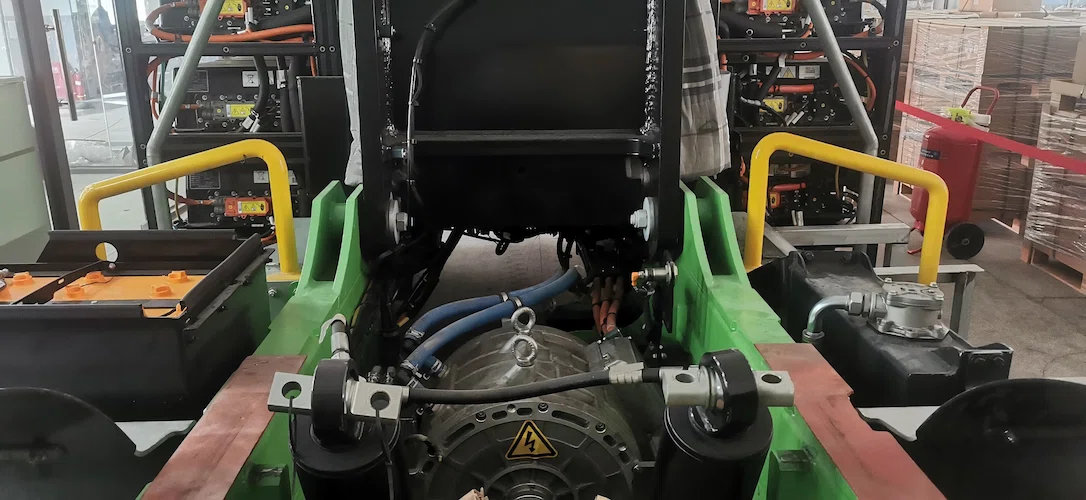
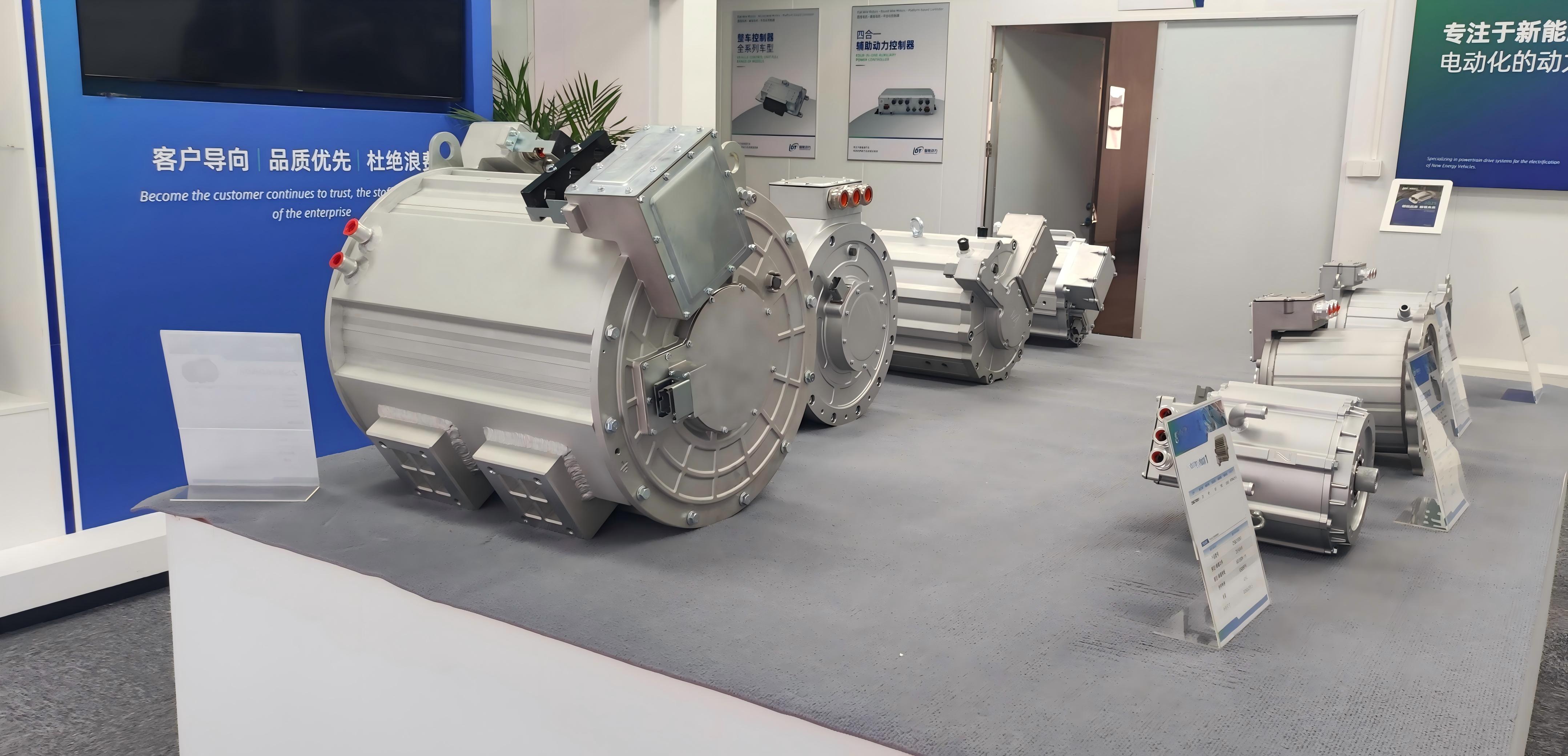
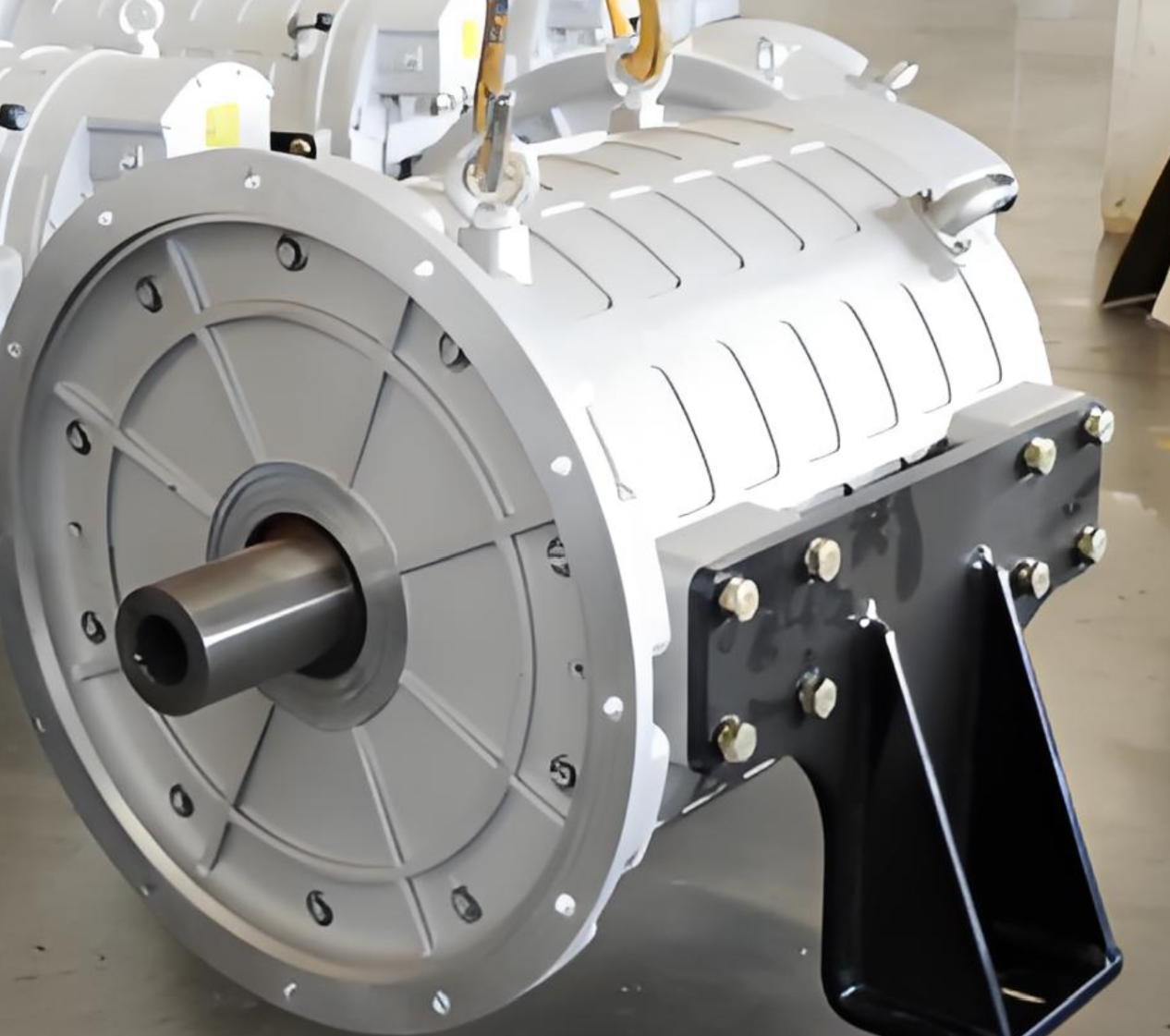
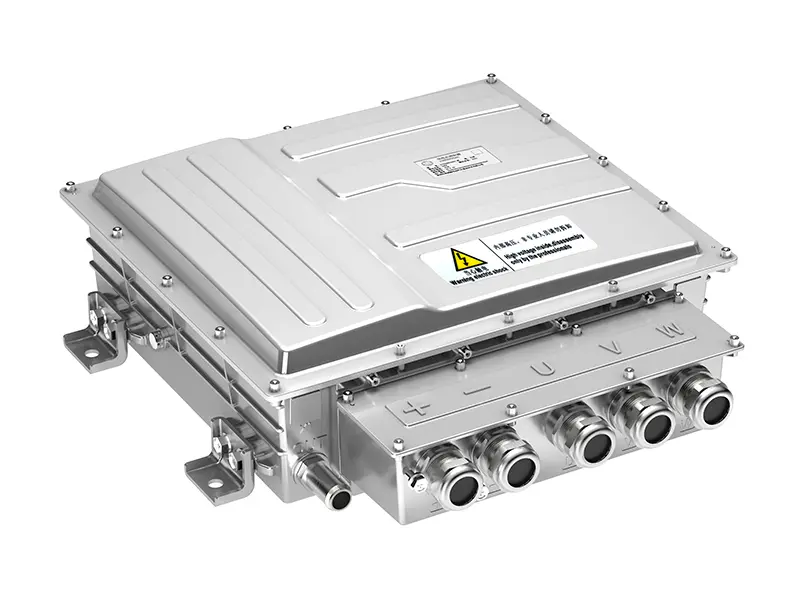
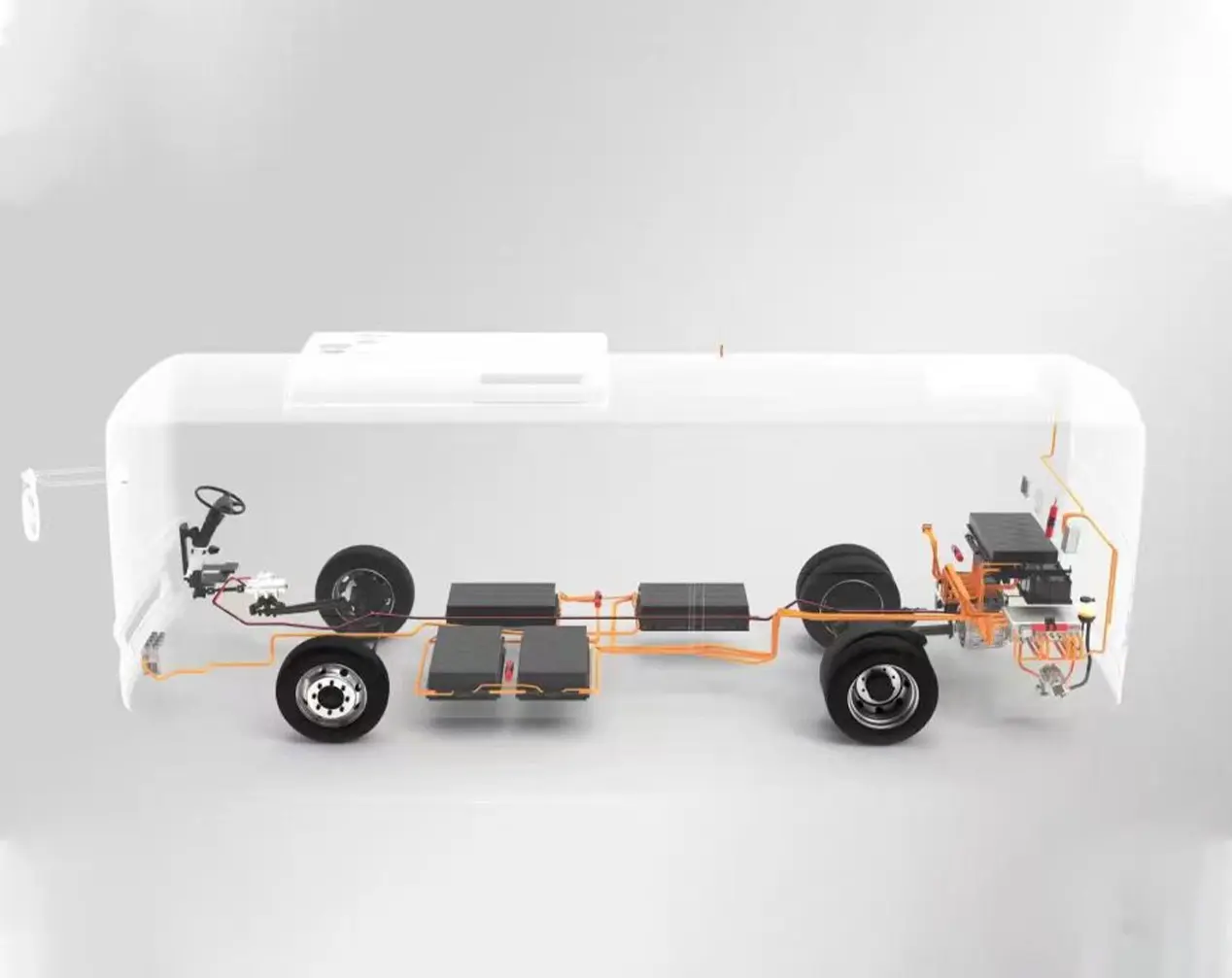
An EV drivetrain consists primarily of three key components. The electric motor delivers propulsion power and must combine high torque density with excellent energy conversion efficiency and thermal stability. The motor controller, or inverter, is responsible for regulating torque and speed, enabling smooth, reliable, and safe operation. Supporting these is the power system, which includes DC/DC converters, onboard chargers, and high-voltage distribution units that ensure stable, efficient power flow throughout the vehicle or vessel. Together, these elements determine overall system performance, safety, and durability.
4. Trends in Electric Motor Technology for Heavy-Duty Applications
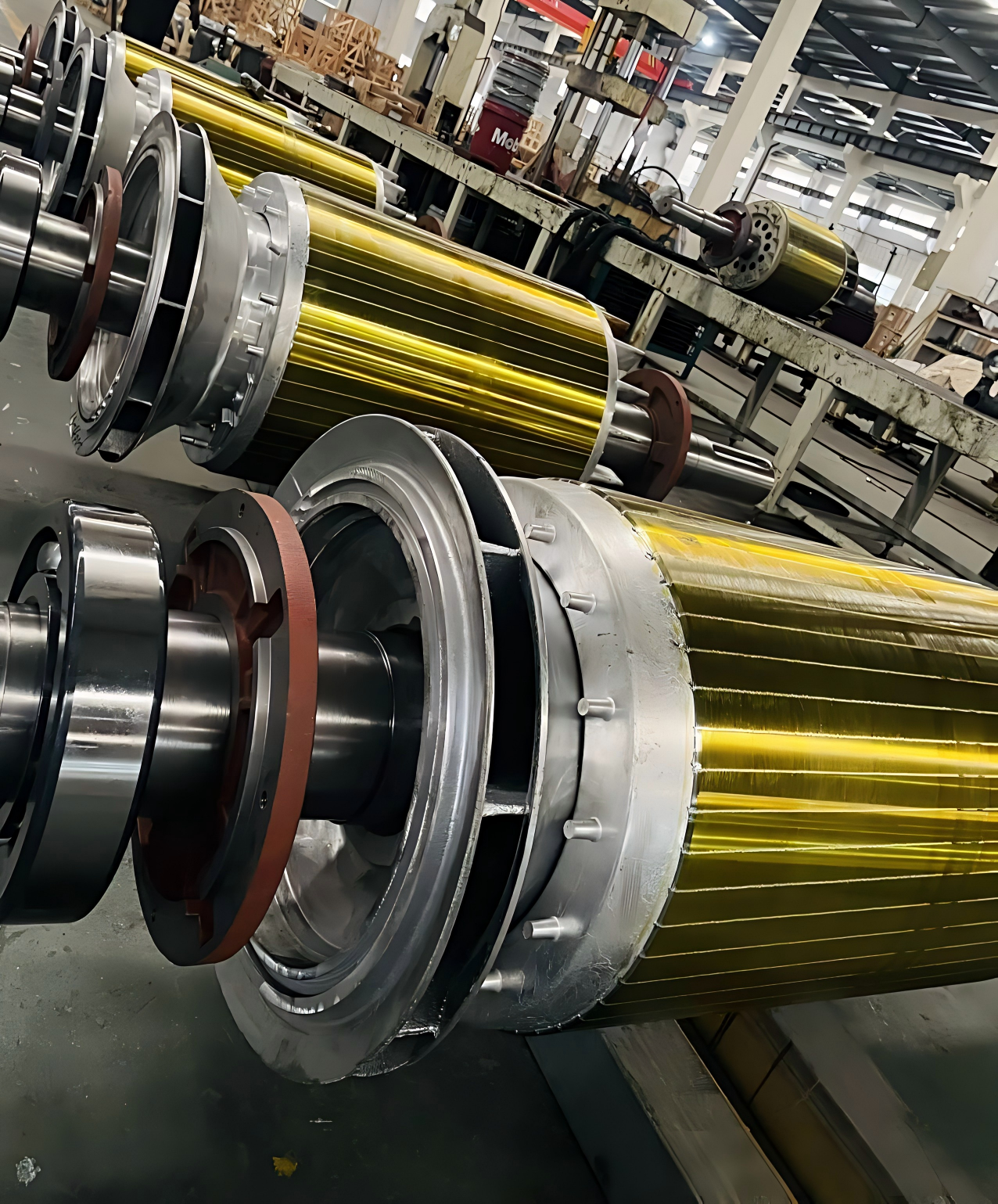
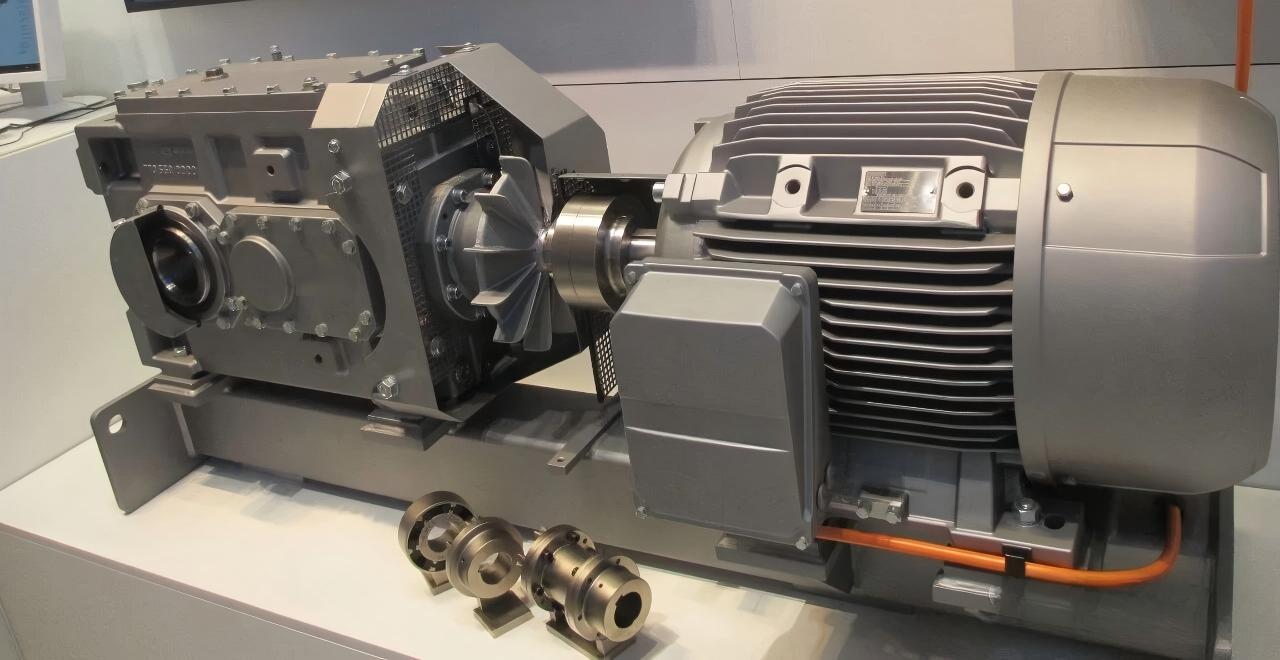
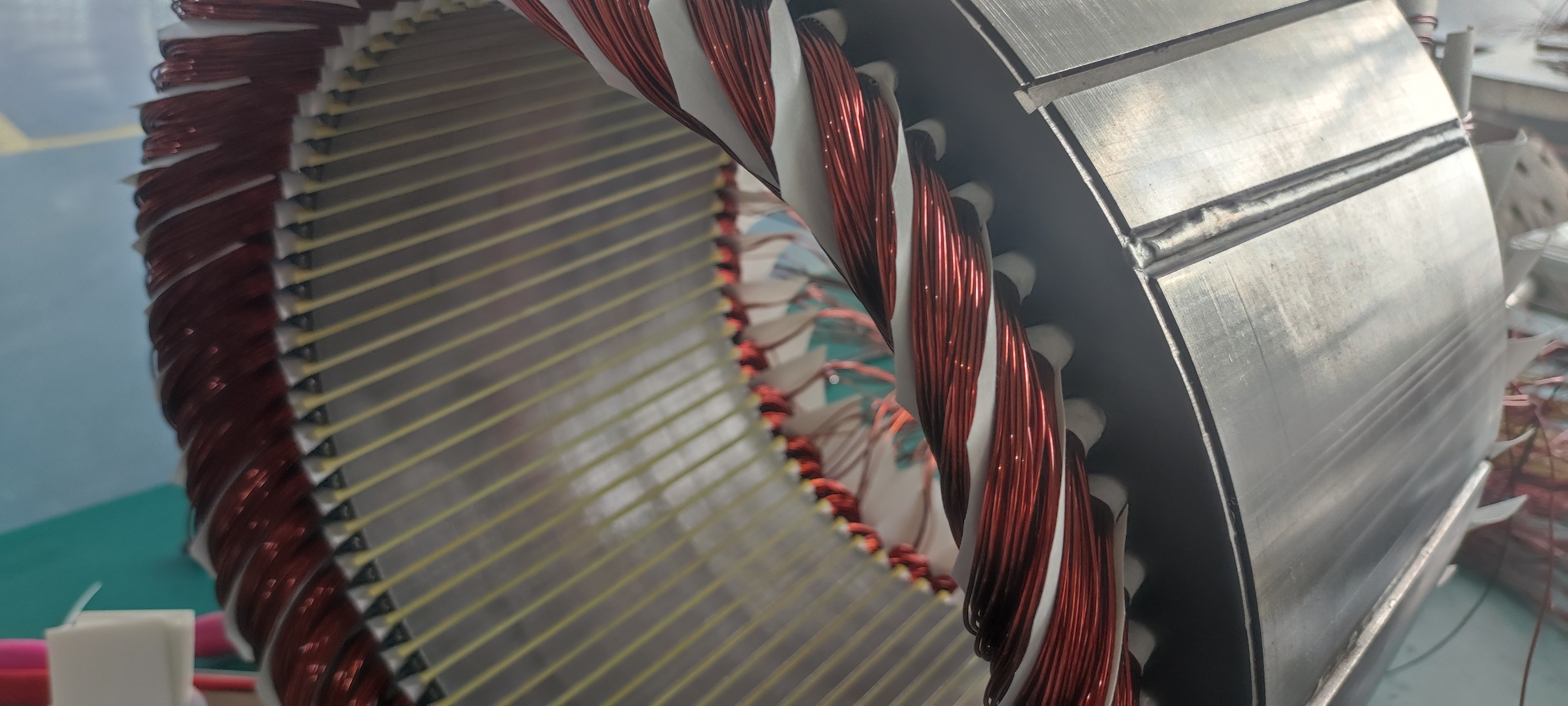
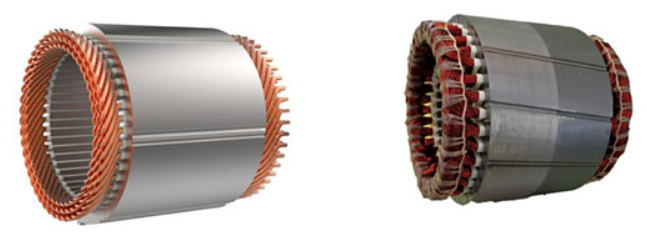
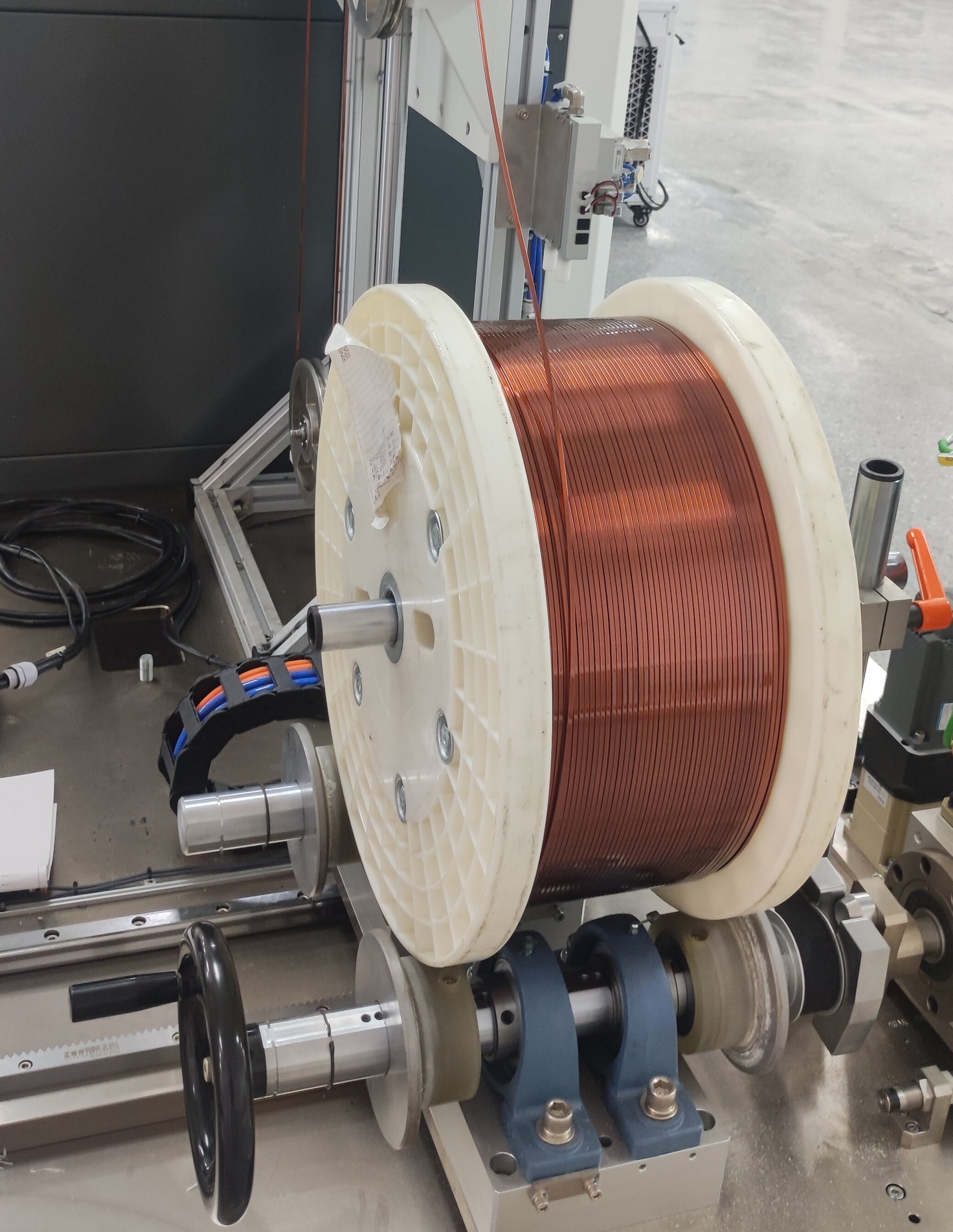
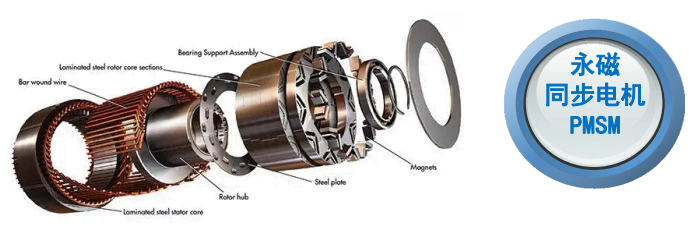
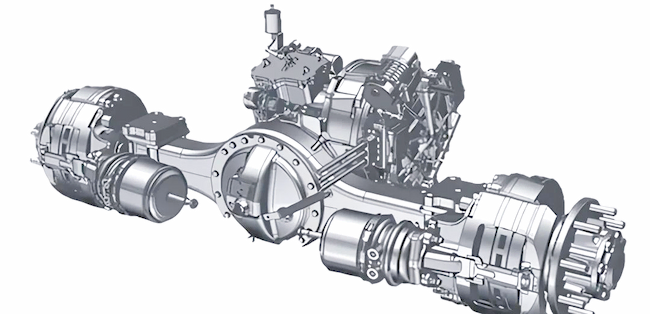
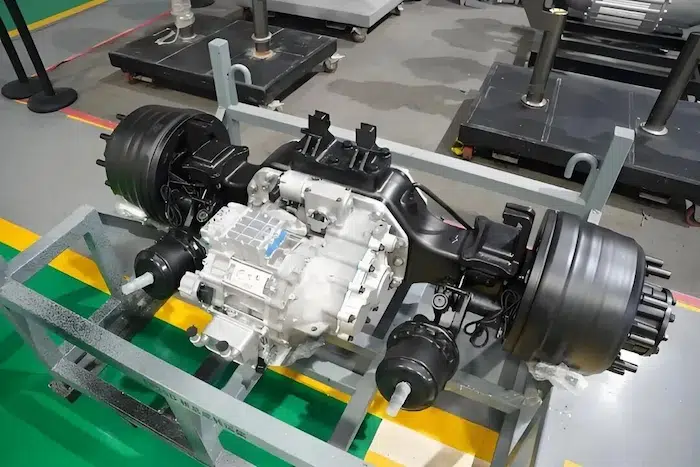
Electric motors for heavy-duty applications are evolving rapidly. Permanent magnet synchronous motors (PMSM) dominate due to their high efficiency and power density. Hairpin winding technology is gaining popularity for its ability to reduce copper losses and improve thermal performance. Integration of motors with reducers and controllers into compact e-drive units or electric axles is becoming common. For applications exceeding 500 kW, such as large marine vessels, dual- or multi-motor setups are employed to increase power and reliability.
5. Advances in Motor Controllers: Smart Control and Efficiency Optimization
Motor controllers have seen significant technological advances aimed at boosting efficiency and performance. Intelligent control algorithms now enable real-time torque optimization and power management, reducing energy losses. Increased switching frequencies allow for smoother and more precise motor control. The adoption of wide-bandgap semiconductors, particularly silicon carbide (SiC), has improved power density and lowered thermal losses. Moreover, compliance with rigorous functional safety standards, like ISO 26262, ensures that controllers meet the demanding safety requirements of commercial and marine applications.
6. Power Electronics Evolution: High-Efficiency Charging and Conversion Solutions
Power electronics supporting EV drivetrains continue to evolve in response to growing battery capacities and system voltage levels. Silicon carbide components are increasingly used in onboard chargers and DC/DC converters, enabling faster charging and higher efficiency. High-voltage platforms, ranging from 800 V to 1000 V, are becoming the standard in heavy-duty EVs, helping to reduce current flow and minimize energy loss. Bidirectional charging technologies facilitate vehicle-to-grid (V2G) and shore-to-ship energy exchanges, enhancing energy management flexibility. Additionally, integrated high-voltage distribution units are being developed to reduce system weight and complexity.
7. Market Applications: Case Studies Across Commercial and Marine Vehicles
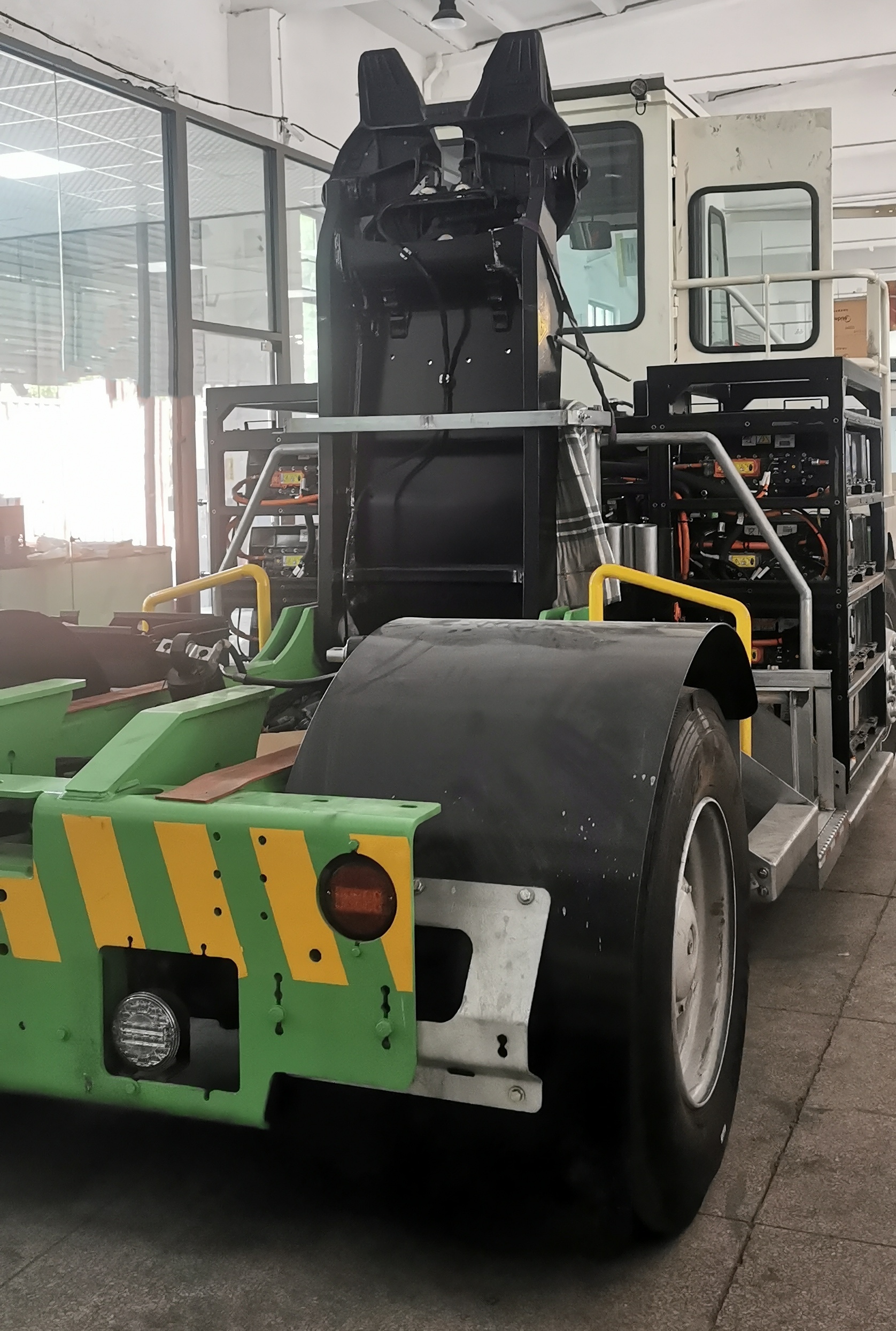
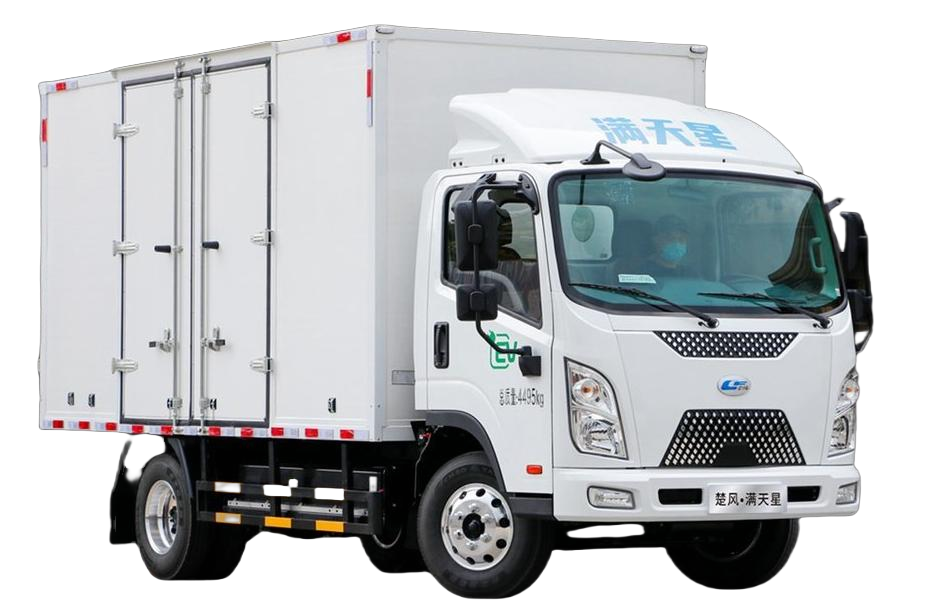
Heavy-duty electric trucks used in mining and logistics adopt powertrains delivering 400–600 kW to handle steep terrain and heavy loads. Urban electric buses generally use 250–350 kW drivetrains, providing smooth acceleration and quieter rides. In the marine sector, inland vessels and hybrid ships utilize high-torque permanent magnet motors to reduce emissions and noise. Port equipment such as container movers and terminal tractors is rapidly electrifying, helping ports meet stricter environmental regulations.
8. Challenges and Solutions in Scaling Up EV Drivetrains for Large Vehicles
Scaling EV drivetrain technology for large commercial vehicles and vessels presents several challenges. Continuous high-power demand requires advanced cooling solutions and robust motor designs. Although upfront system costs remain relatively high, integration of e-drive units and growing economies of scale are helping to bring prices down. Reliability is paramount in heavy-duty applications, prompting manufacturers to invest in durable materials, enhanced thermal management, and redundant motor configurations to ensure uninterrupted operation. Safety concerns related to high-voltage systems are addressed through advanced insulation monitoring and strict compliance with international safety standards.
9. Future Outlook: Emerging Trends and Opportunities in EV Drivetrain Systems
Looking ahead, EV drivetrain systems are poised for further breakthroughs. Ultra-high-voltage platforms exceeding 1200 V are expected to become common in heavy-duty and marine applications, enabling improved efficiency and reduced weight. Silicon carbide power electronics will continue to advance, driving gains in performance and miniaturization. Smart drivetrains capable of predictive maintenance and self-diagnostics will reduce downtime and operational costs. Hybrid powertrains that combine electric drivetrains with hydrogen fuel cells are anticipated to play a significant role in long-distance transport. Meanwhile, marine electrification will accelerate, driven by stricter regulations and port electrification initiatives.