


News





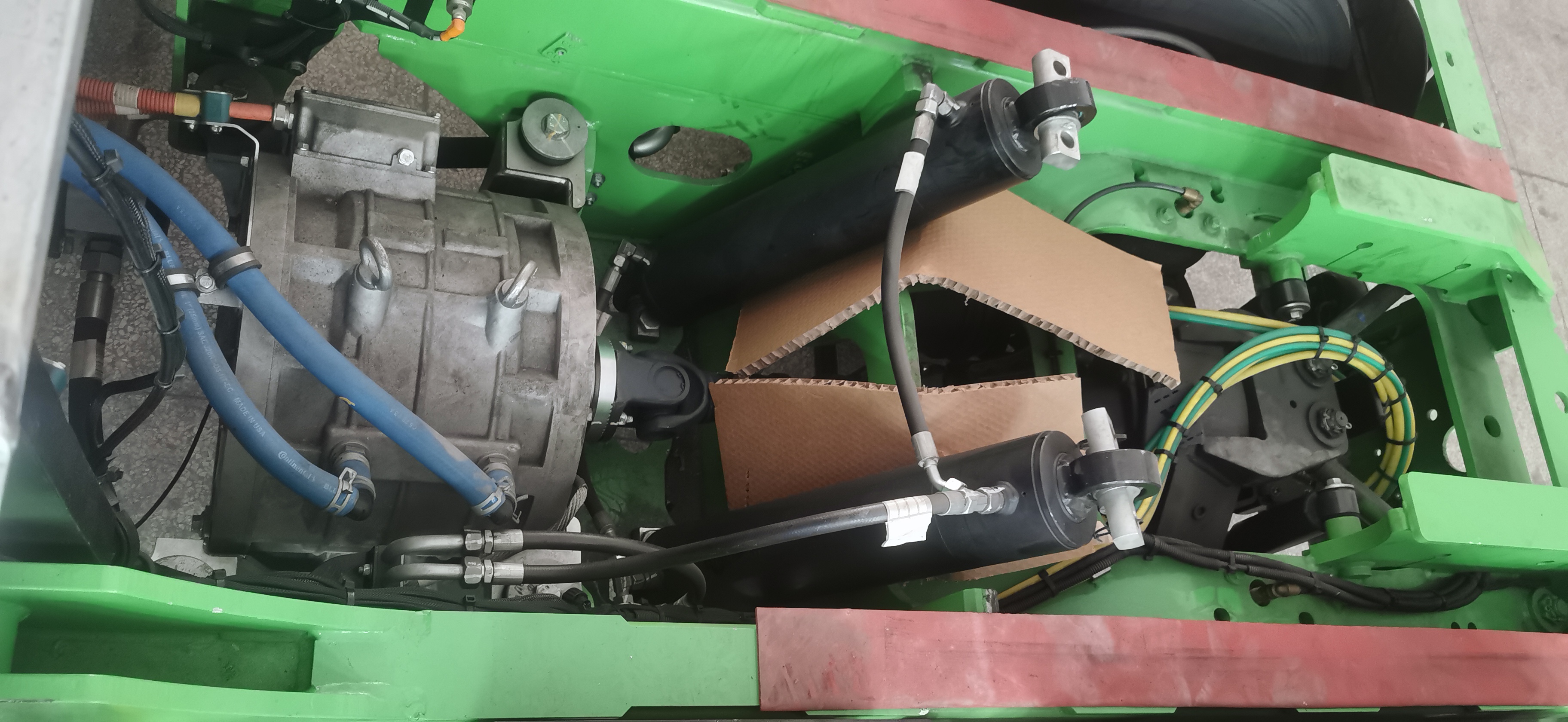
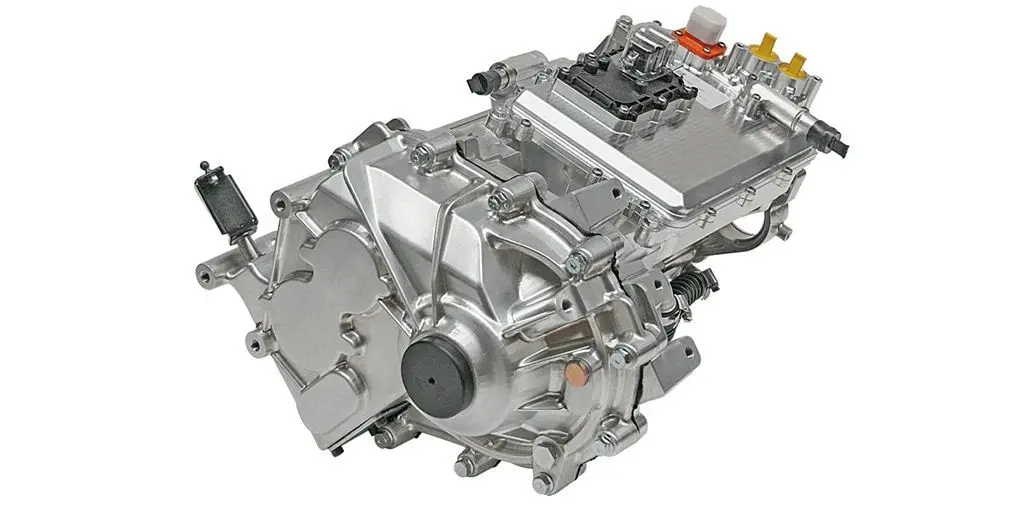

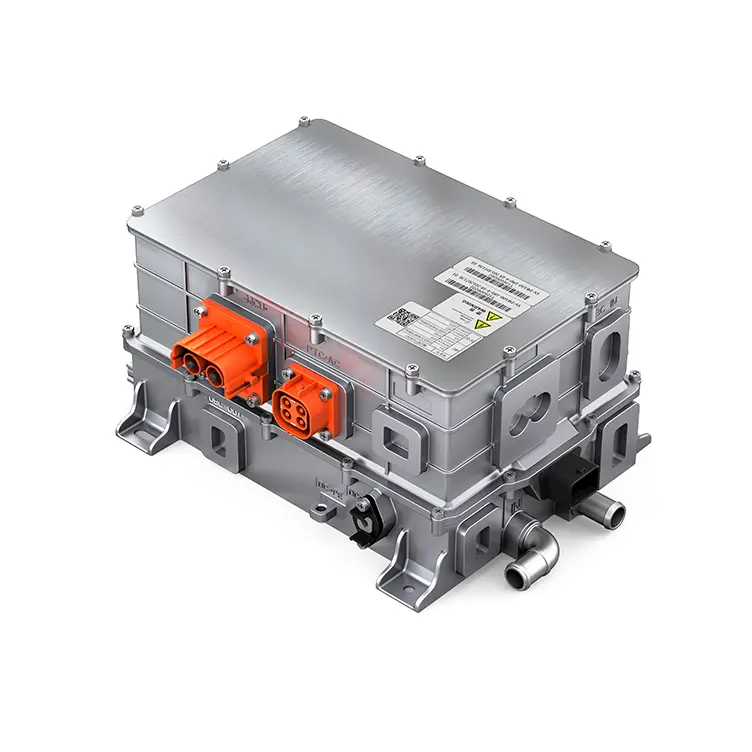
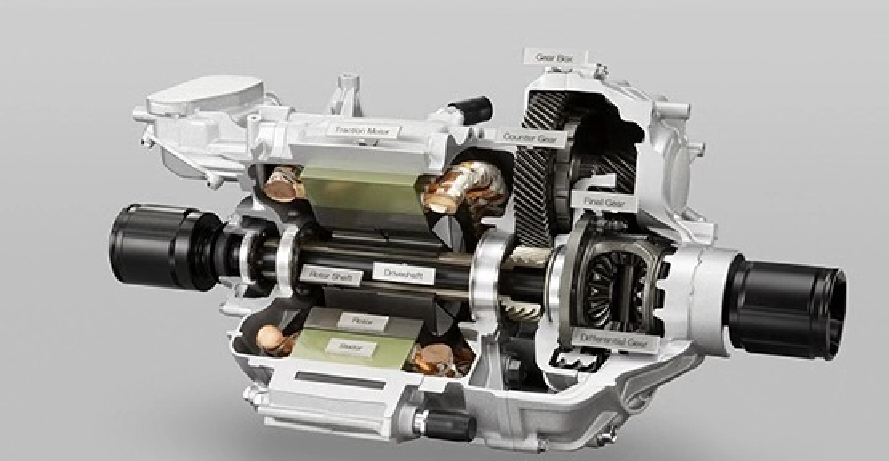
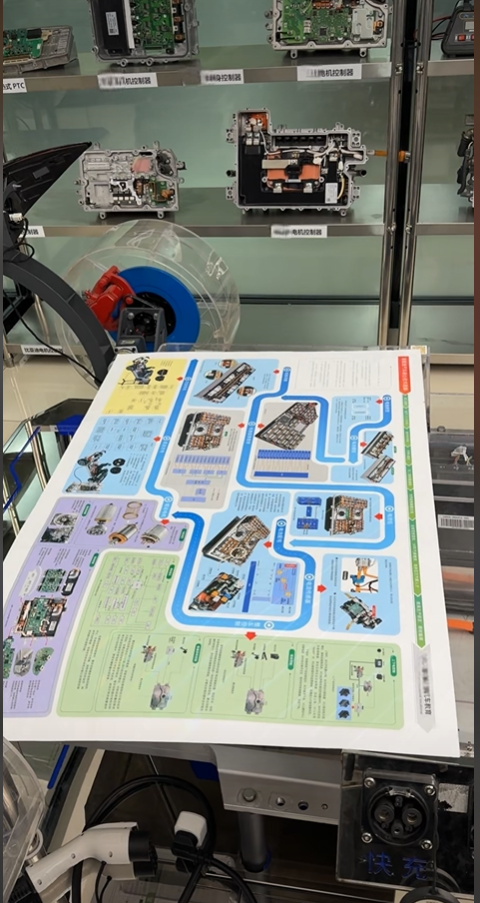
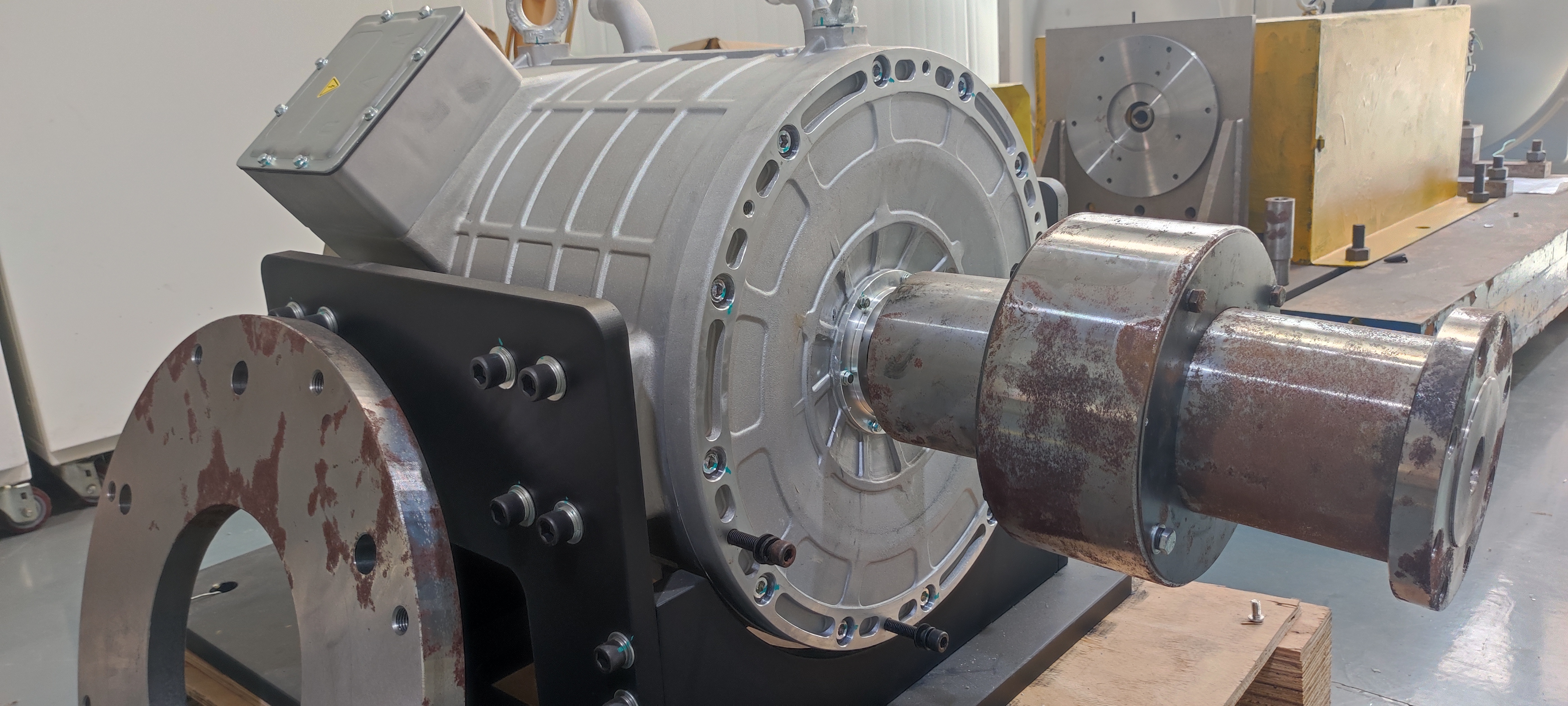
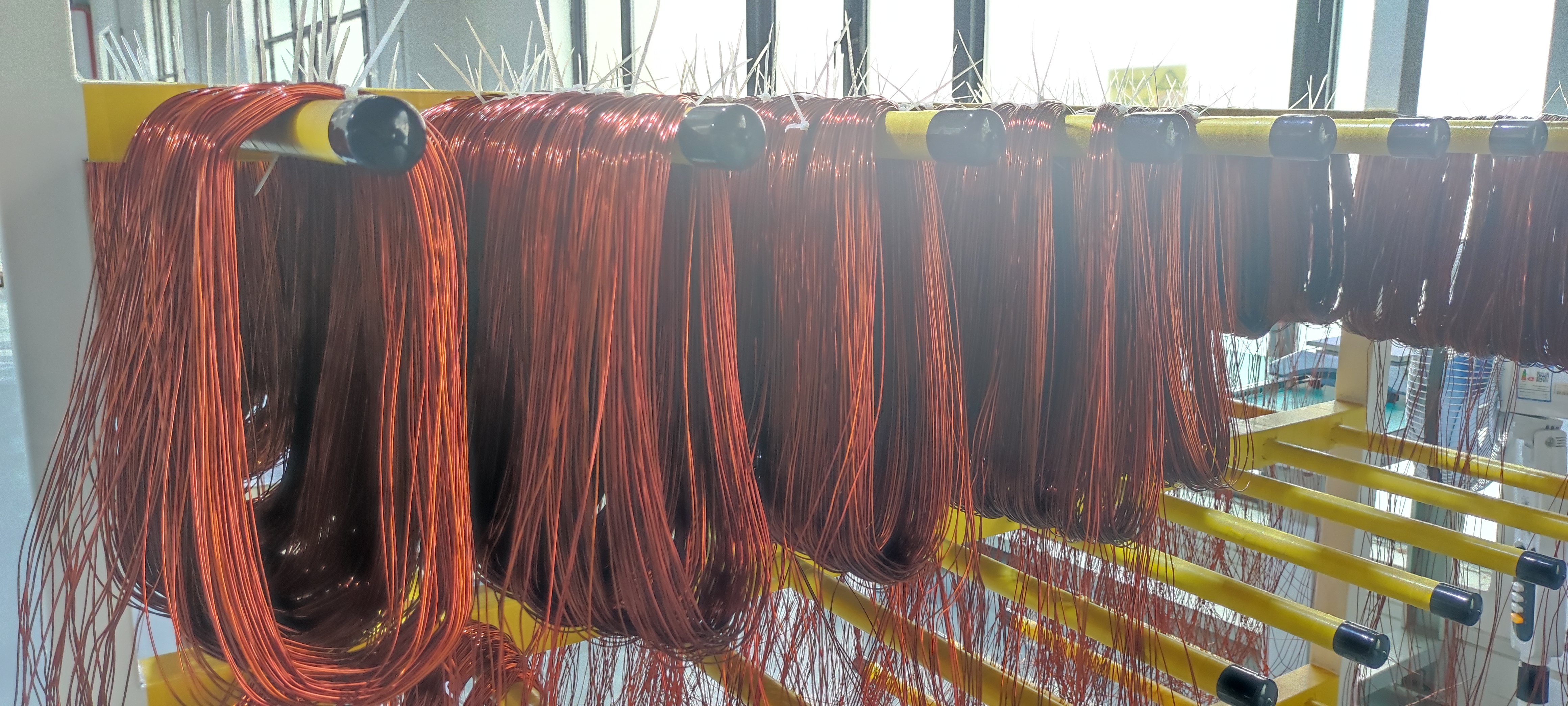
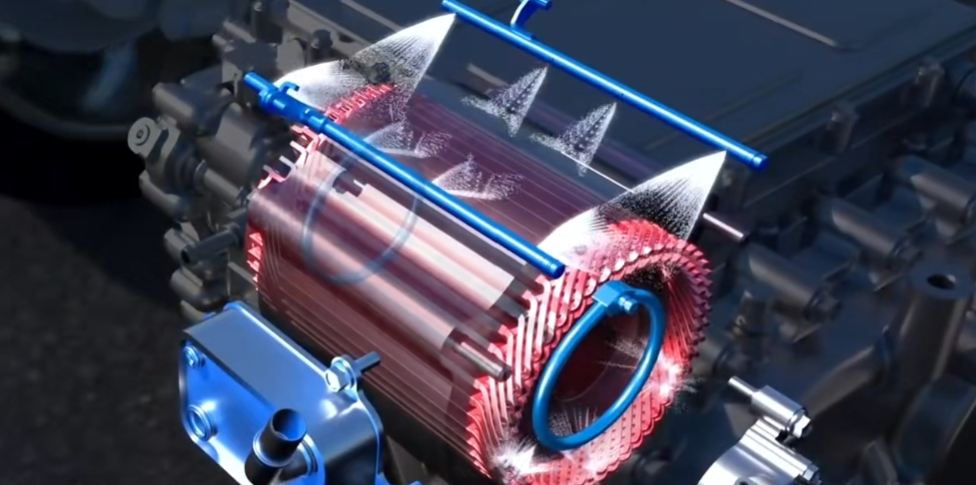



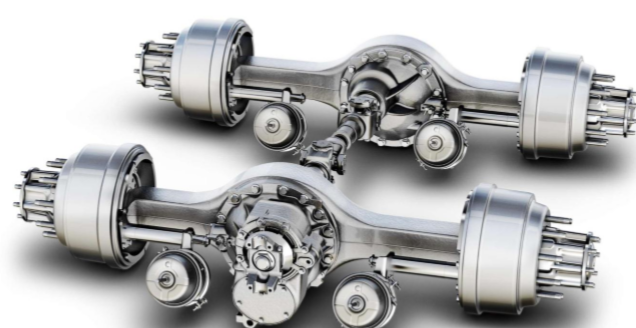

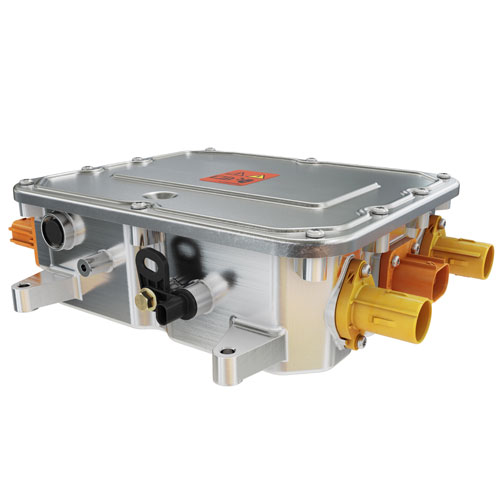
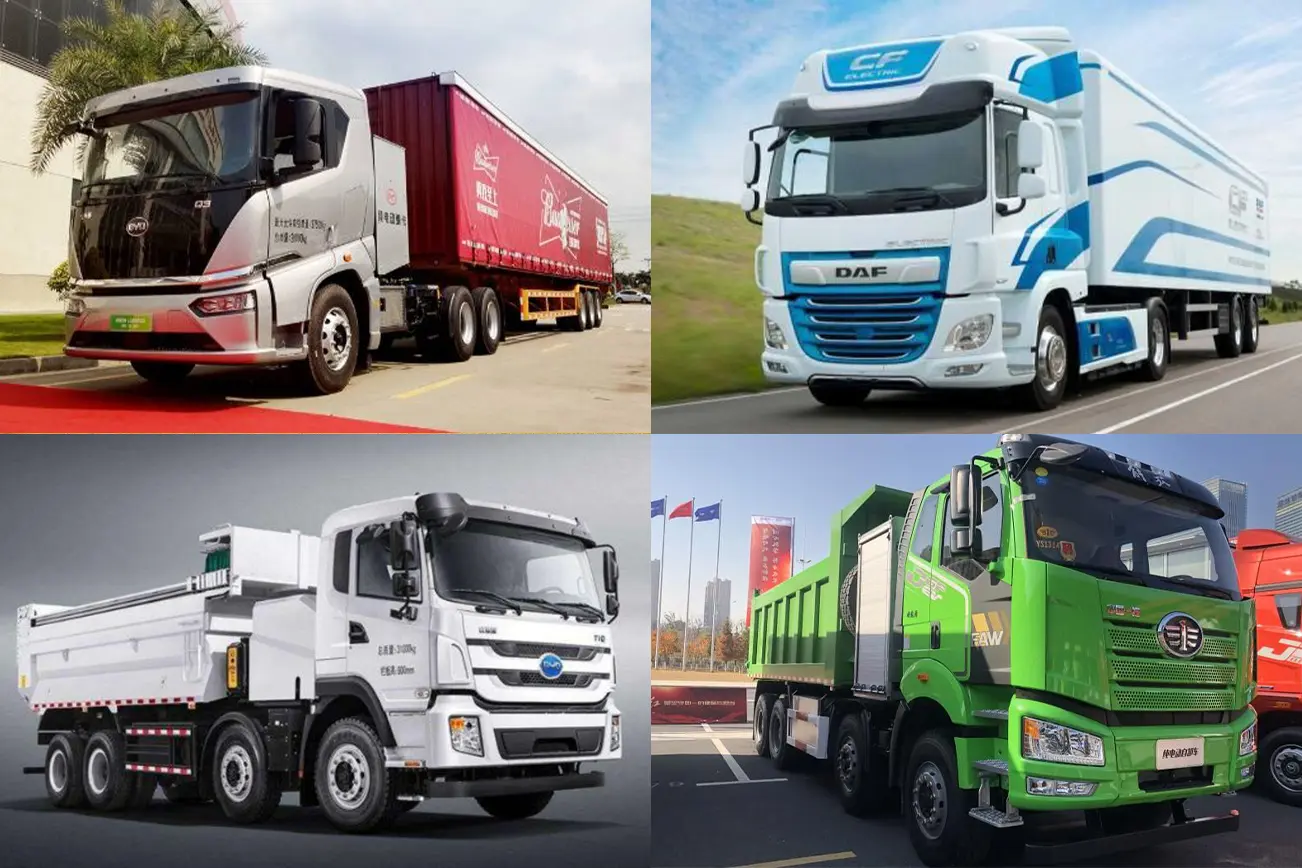
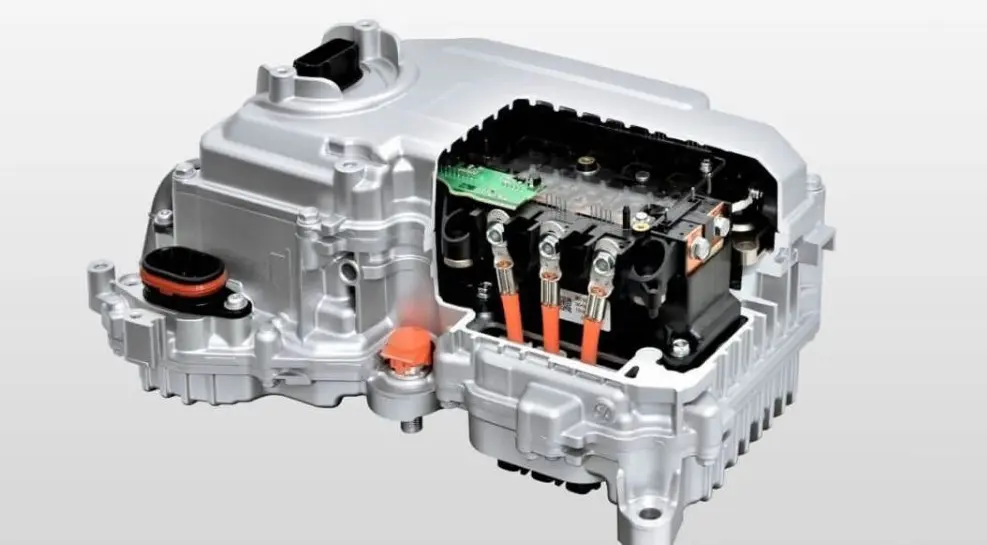

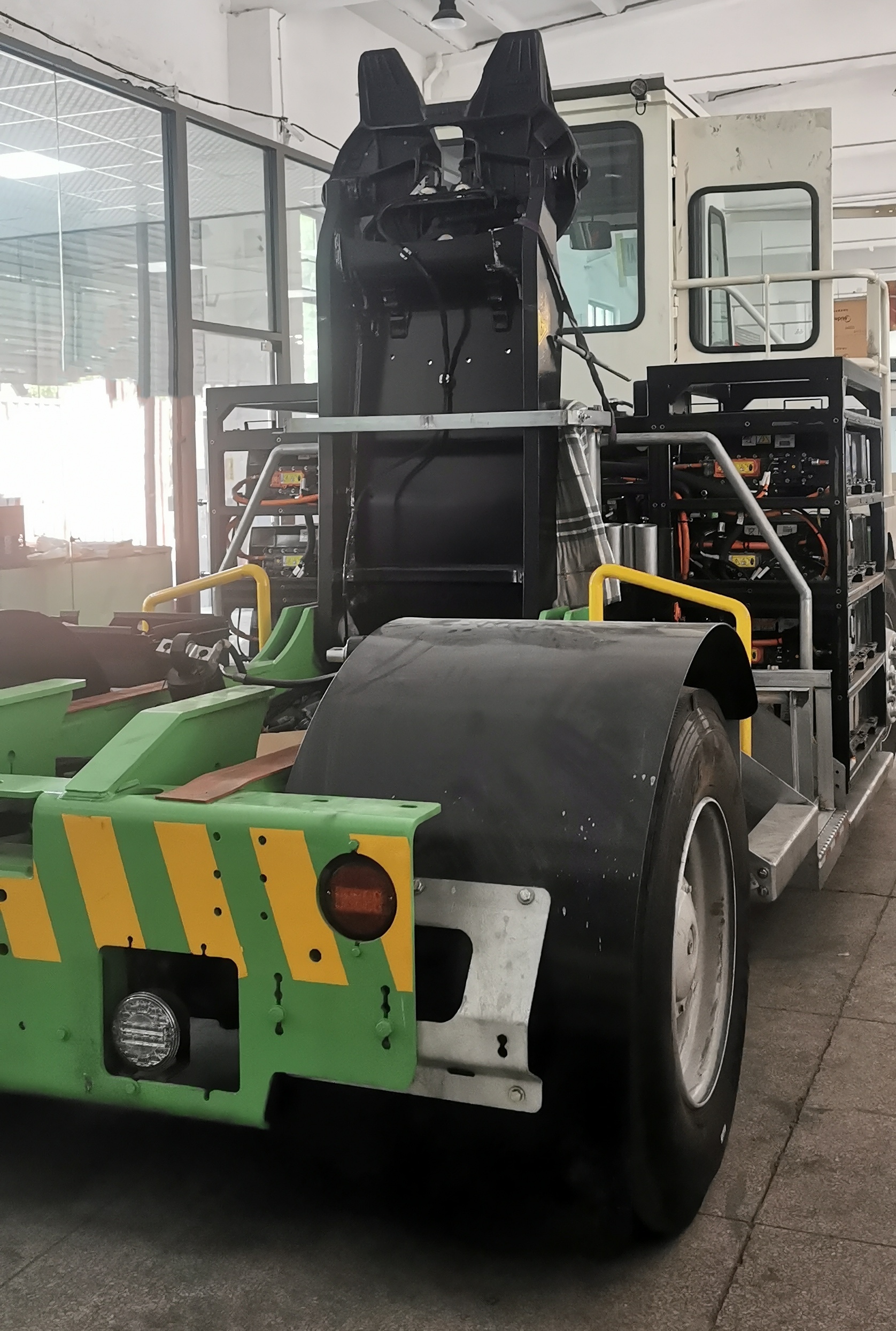

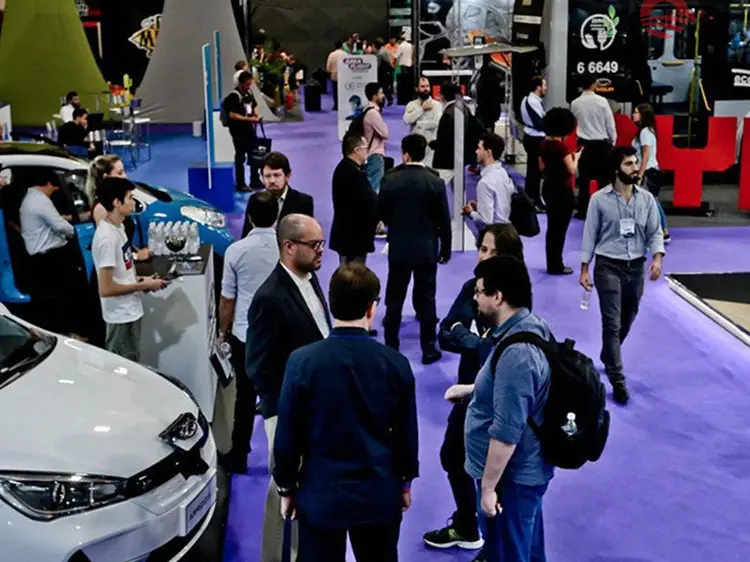
High-Power Electric vehicle conversion kit and Power Converter Solutions for Commercial EVs and Marine Vessels
The global shift toward electrification is accelerating, and nowhere is this transformation more significant than in commercial transportation and marine mobility. Businesses are searching for ways to reduce fuel costs, meet tightening emissions regulations, and extend the life of existing fleets. As a result, high-power electric vehicle conversion kits and advanced power converter solutions for vehicles have become essential technologies. These solutions enable trucks, buses, logistics vehicles, and even electric boats to transition efficiently into high-performance electric platforms without the need for full vehicle replacement.
1. Introduction: The Rapid Growth of Commercial EV Conversions
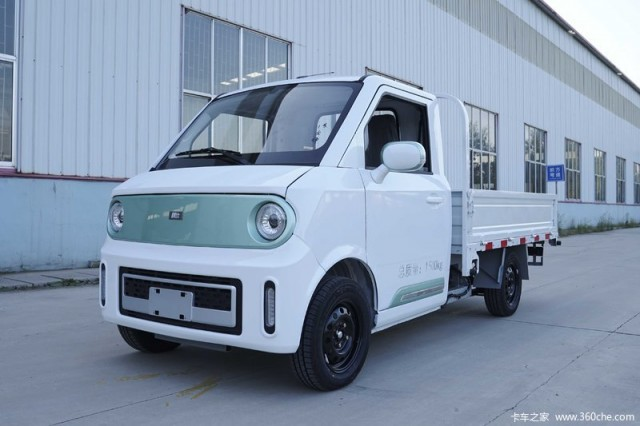
Commercial EV conversions are expanding rapidly as fleet operators recognize the long-term advantages of electrification. Instead of investing in brand-new EVs, many organizations retrofit existing diesel or gasoline vehicles using sophisticated electric vehicle conversion kits. This approach minimizes downtime, reduces upfront investment, and supports sustainability goals. Demand is particularly strong in logistics, public transportation, agriculture, construction, and marine industries—segments where high-power systems are critical for heavy loads and continuous operation.
2. What Is a Power Converter for Vehicle and Why It Matters?
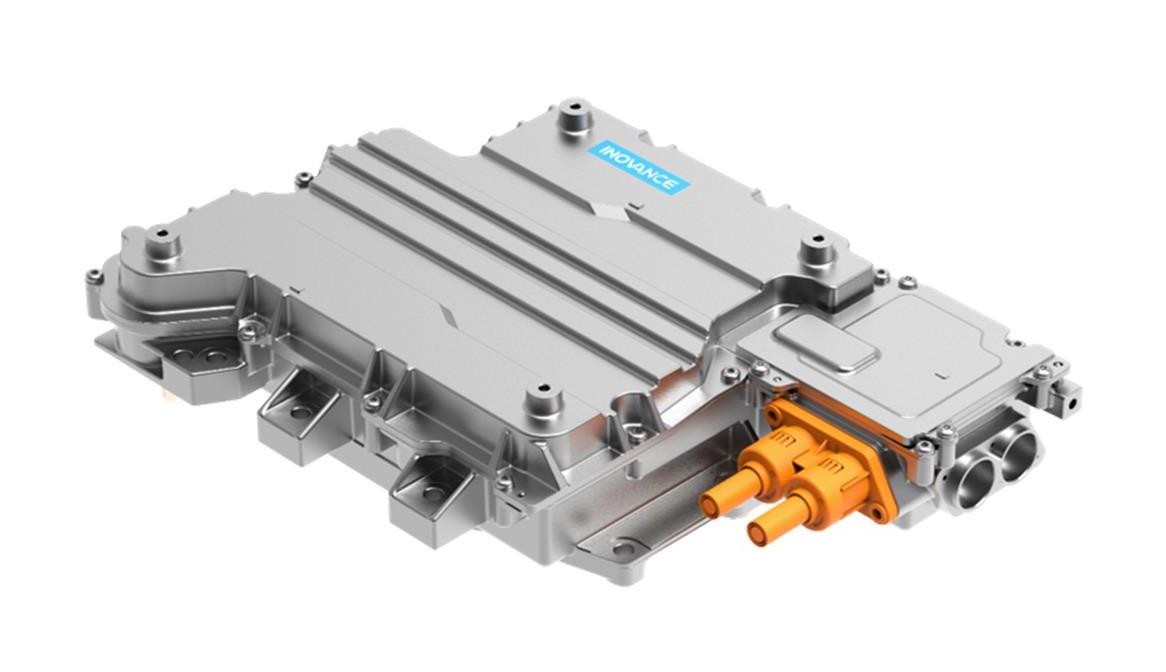
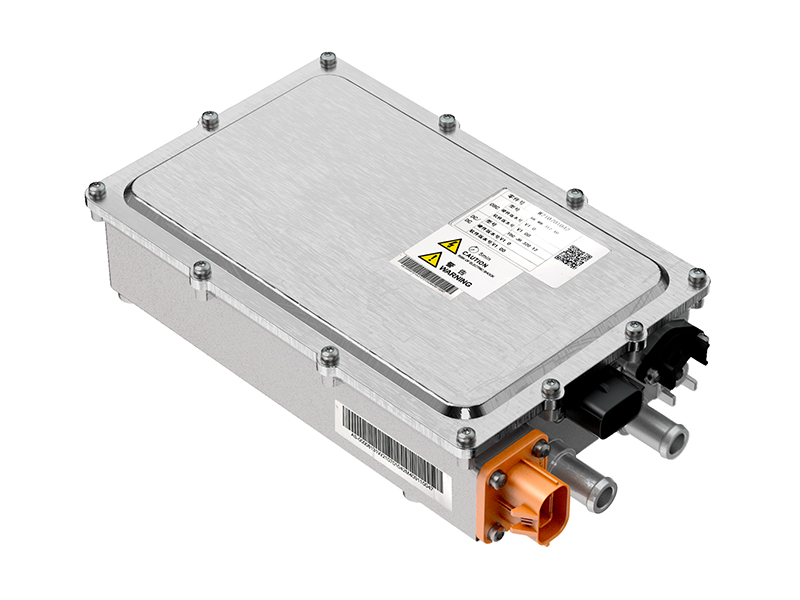
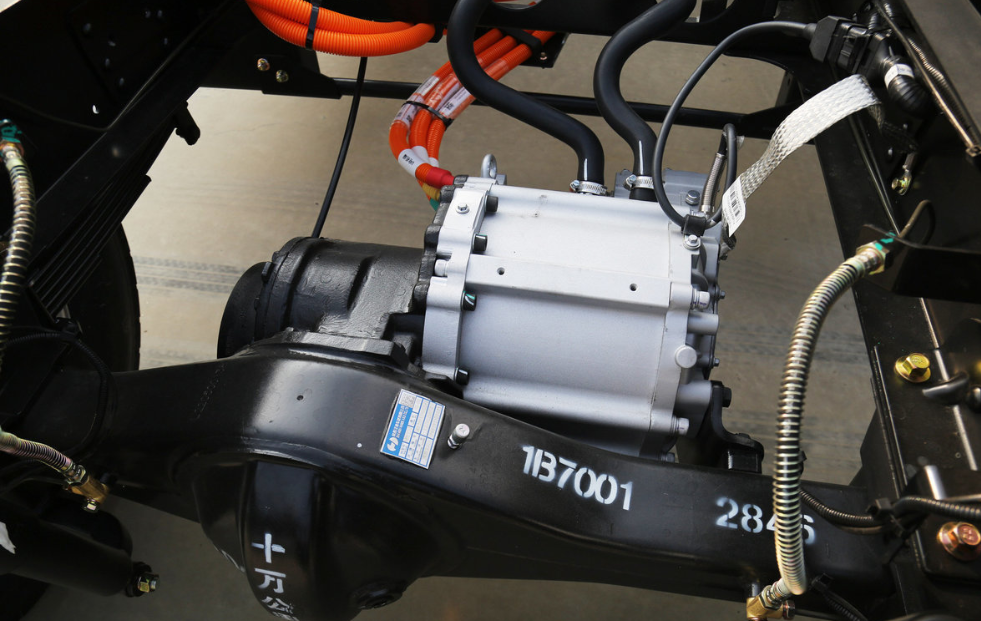
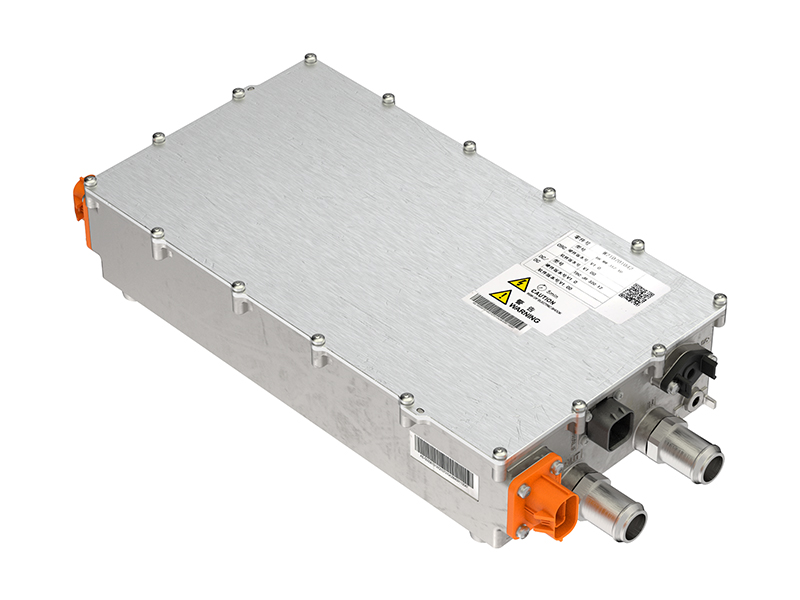
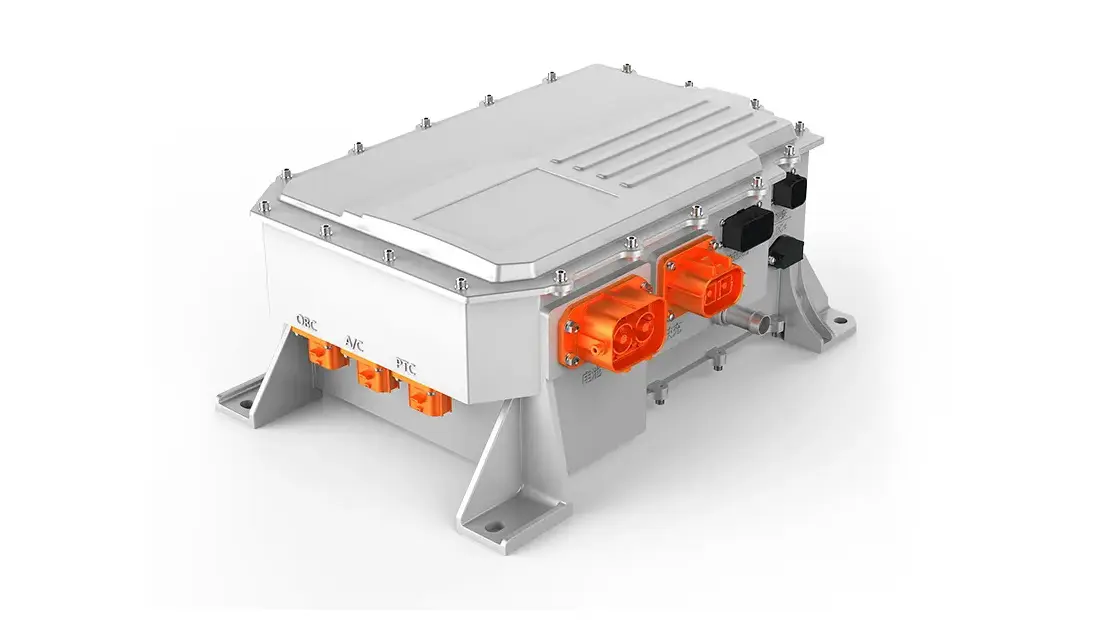
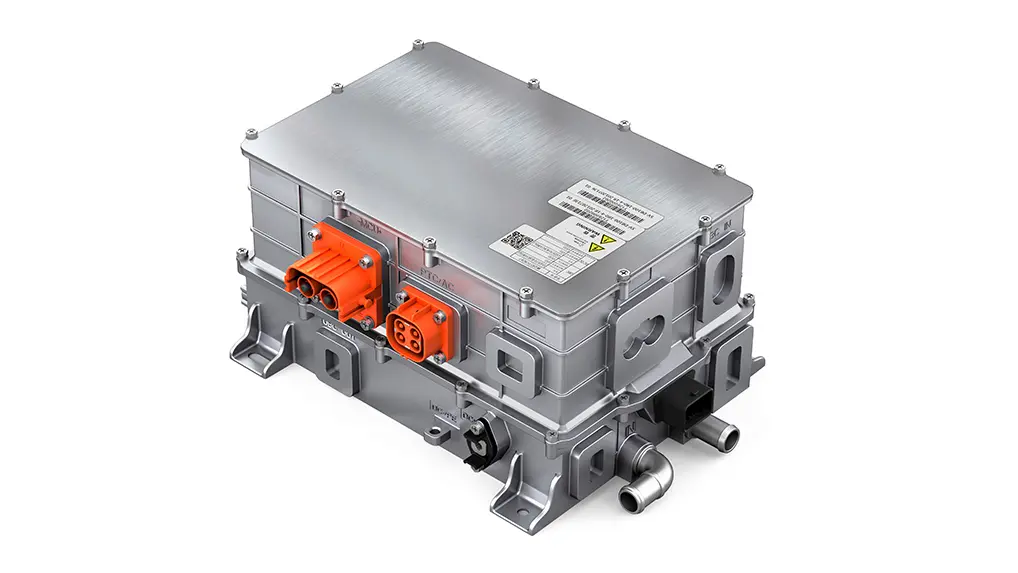
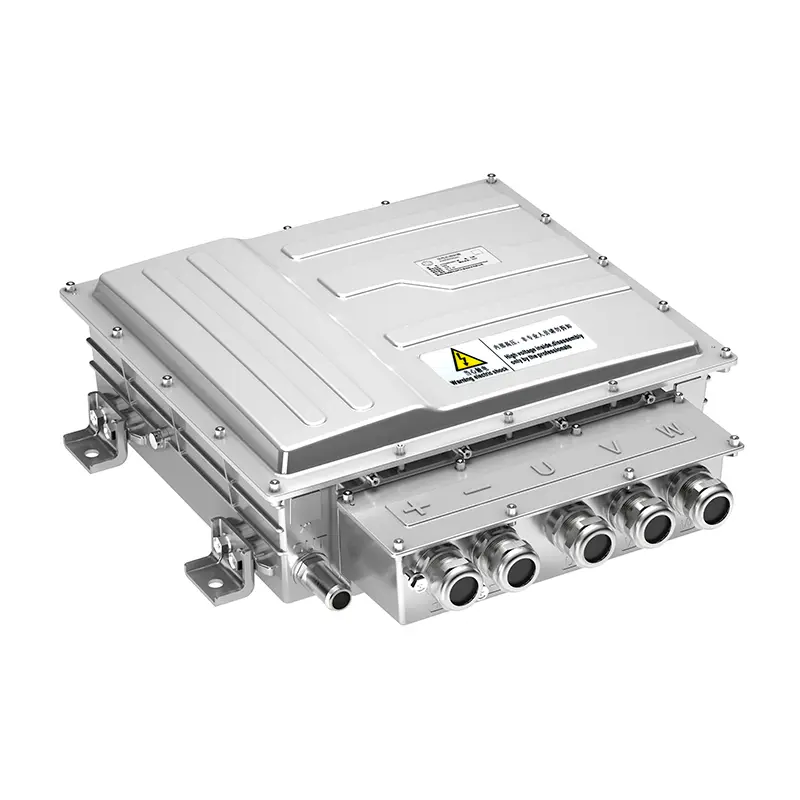
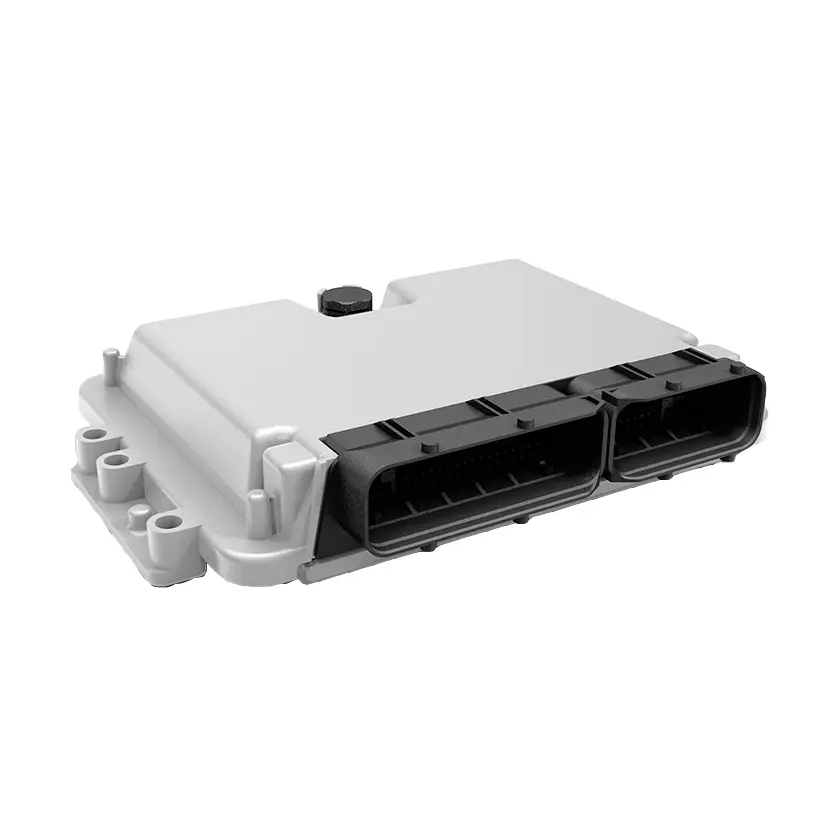
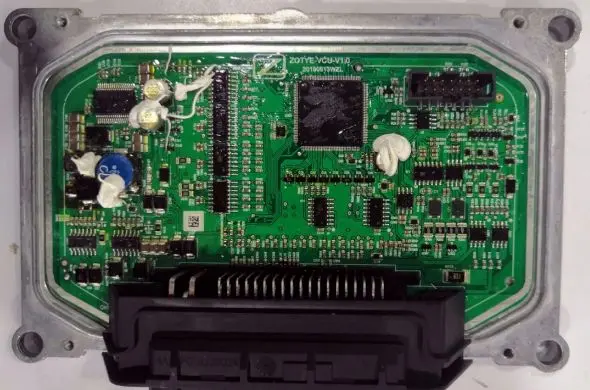
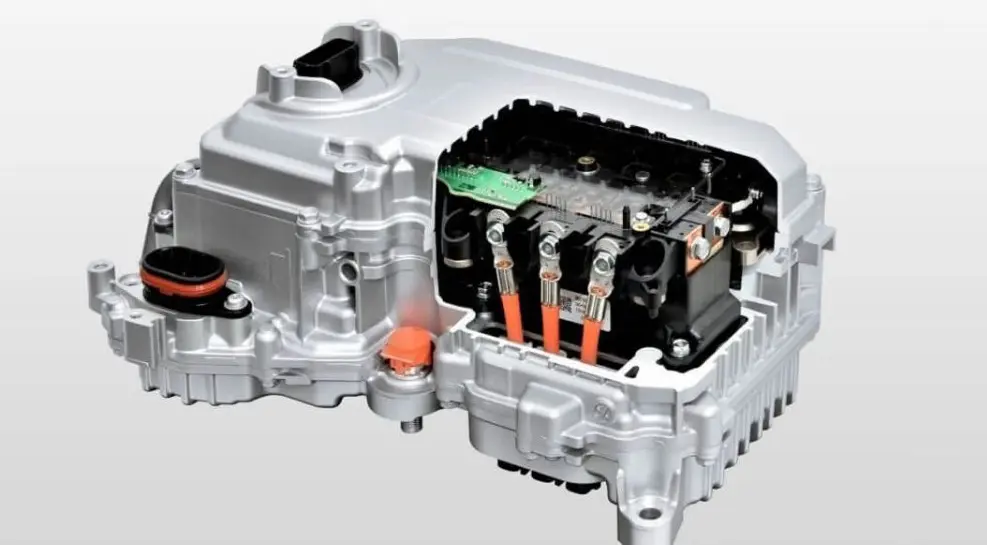
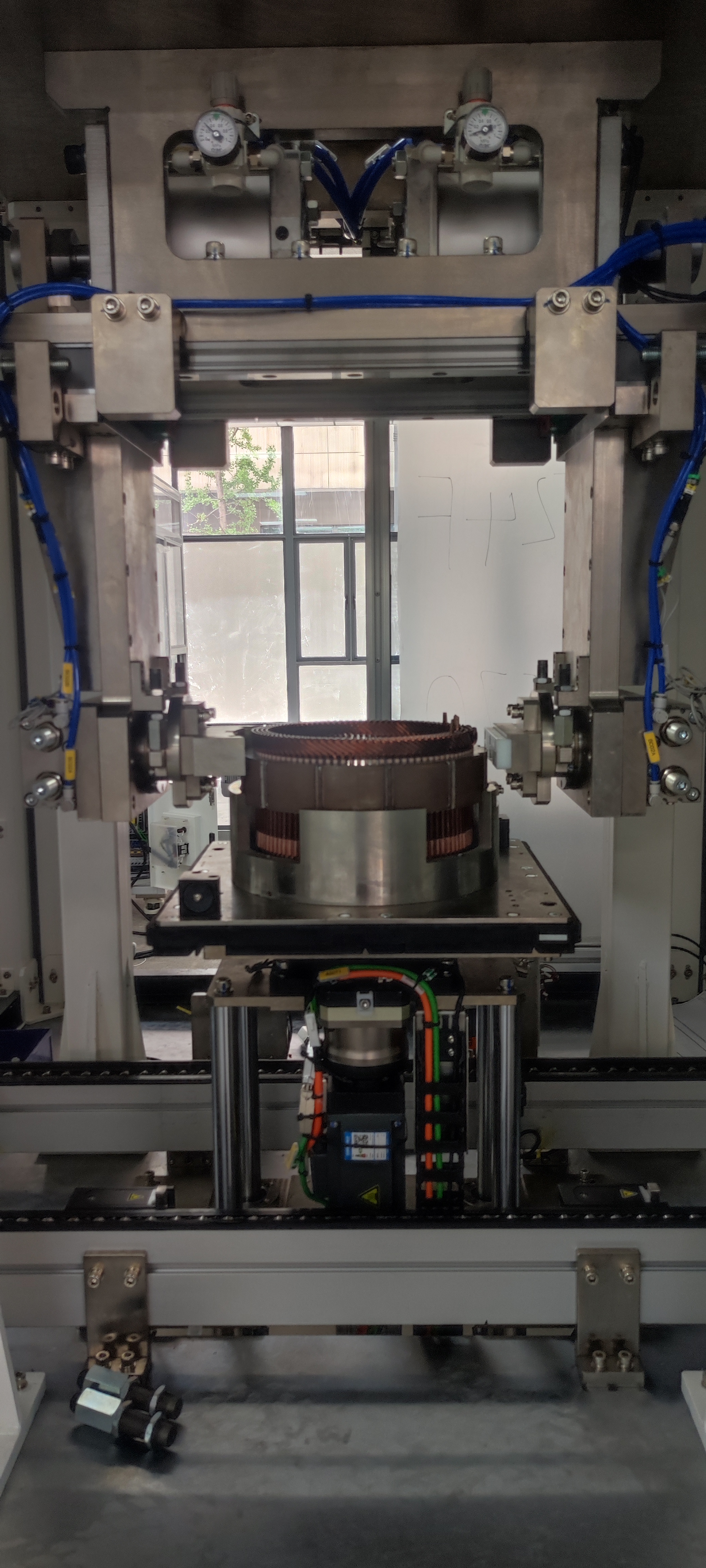
A power converter for vehicle applications plays a vital role in managing energy flow within electric and hybrid systems. These converters regulate voltage, support efficient power distribution among components, and help stabilize the electrical architecture. In commercial EVs and marine vessels, converters must handle high current loads, resist harsh conditions, and maintain stable output for motors, batteries, onboard electronics, and auxiliary systems. High-power converters ensure optimal performance, protect components from electrical damage, and contribute to overall system reliability.
3. What Is an Electric vehicle conversion kit?
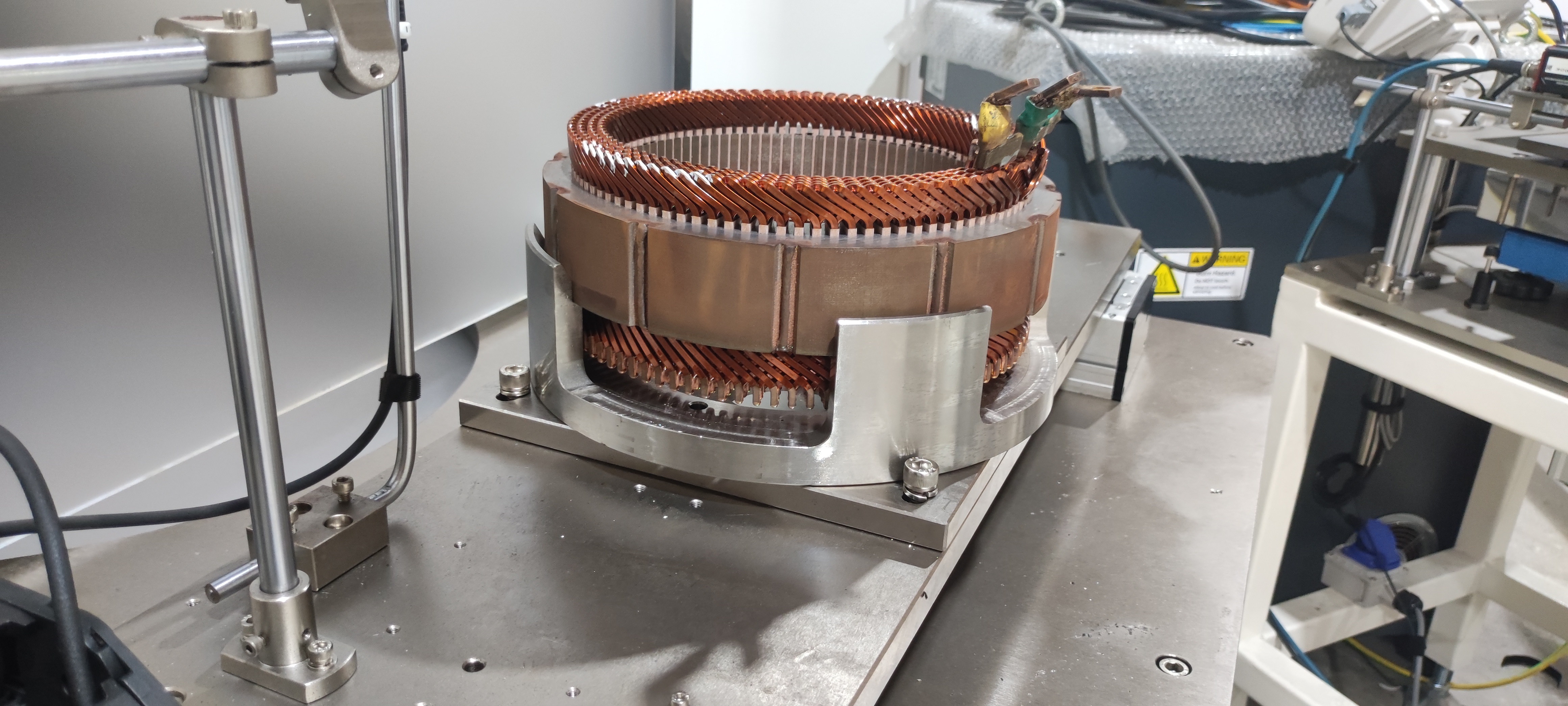
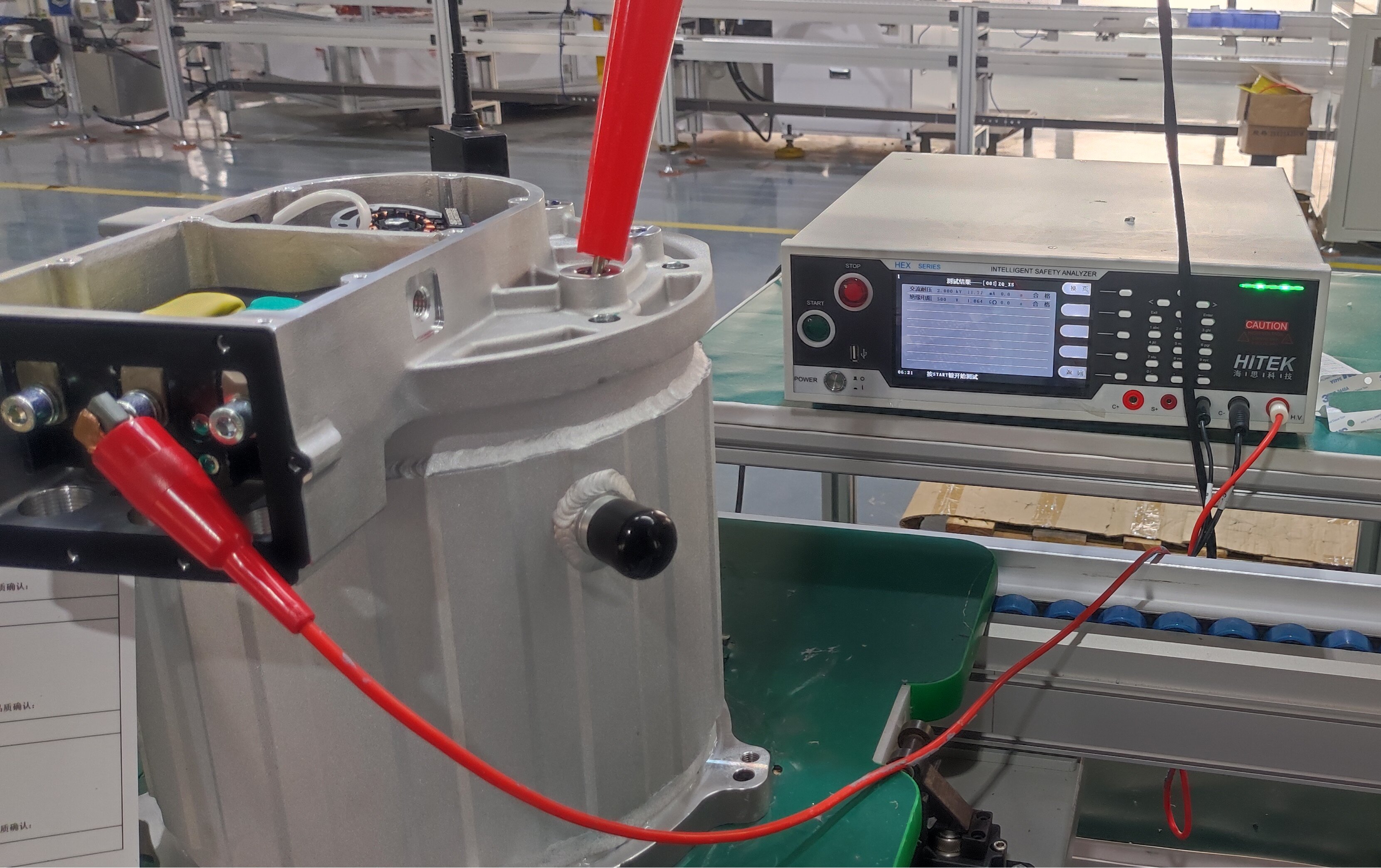
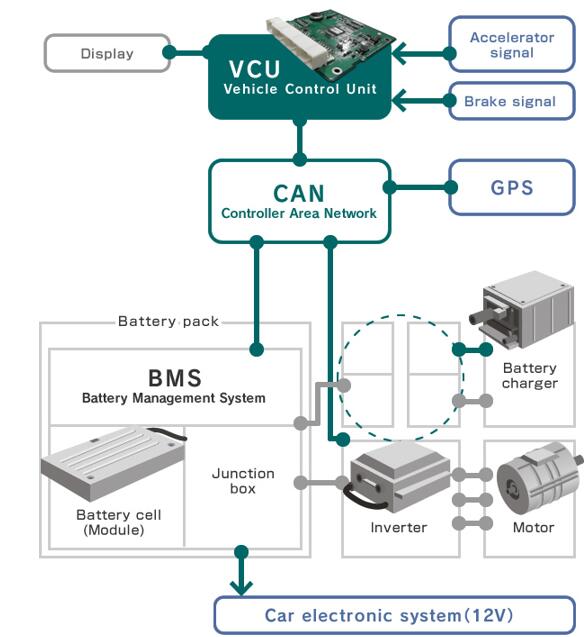
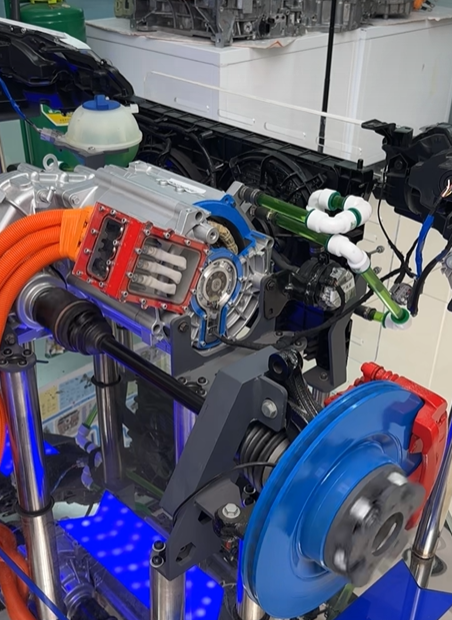
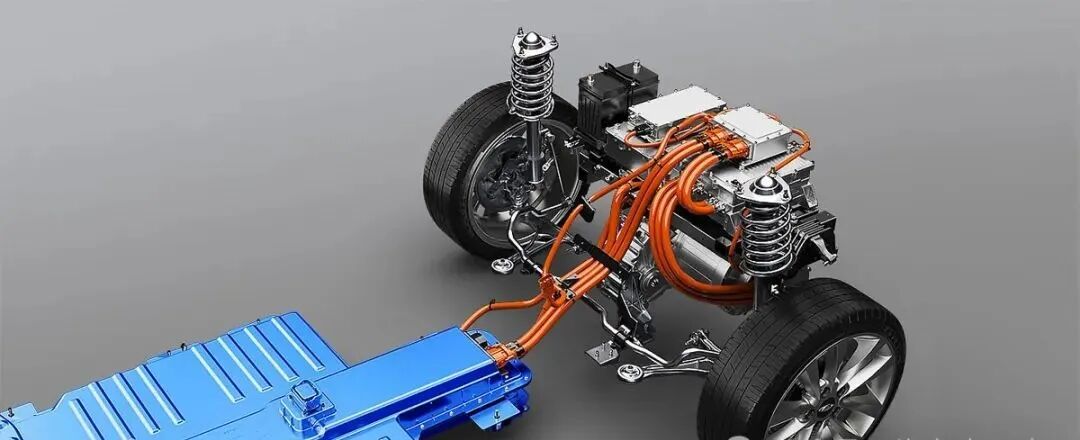
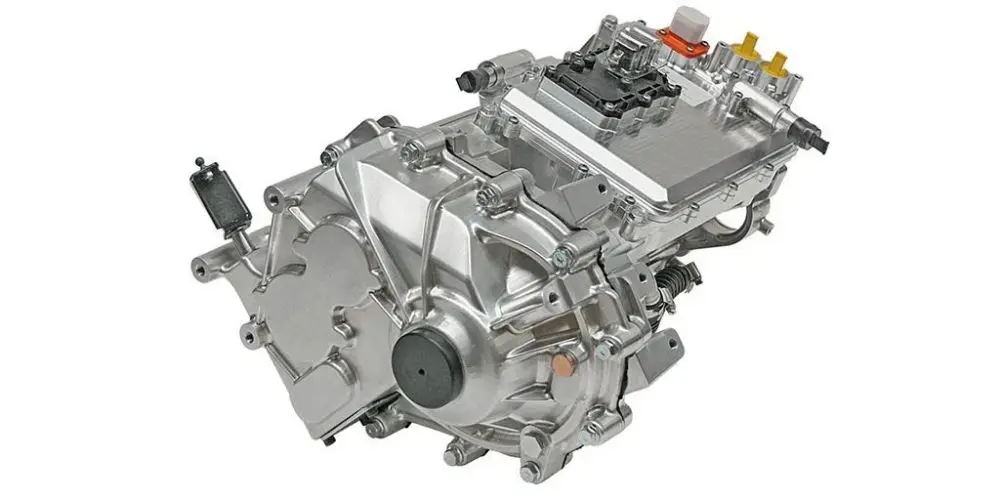
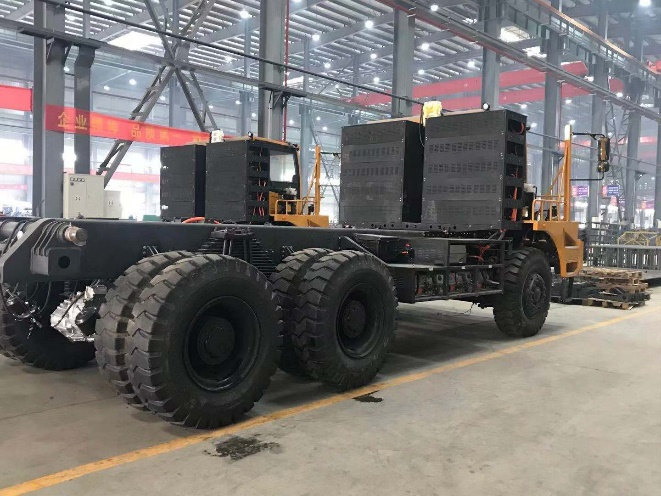
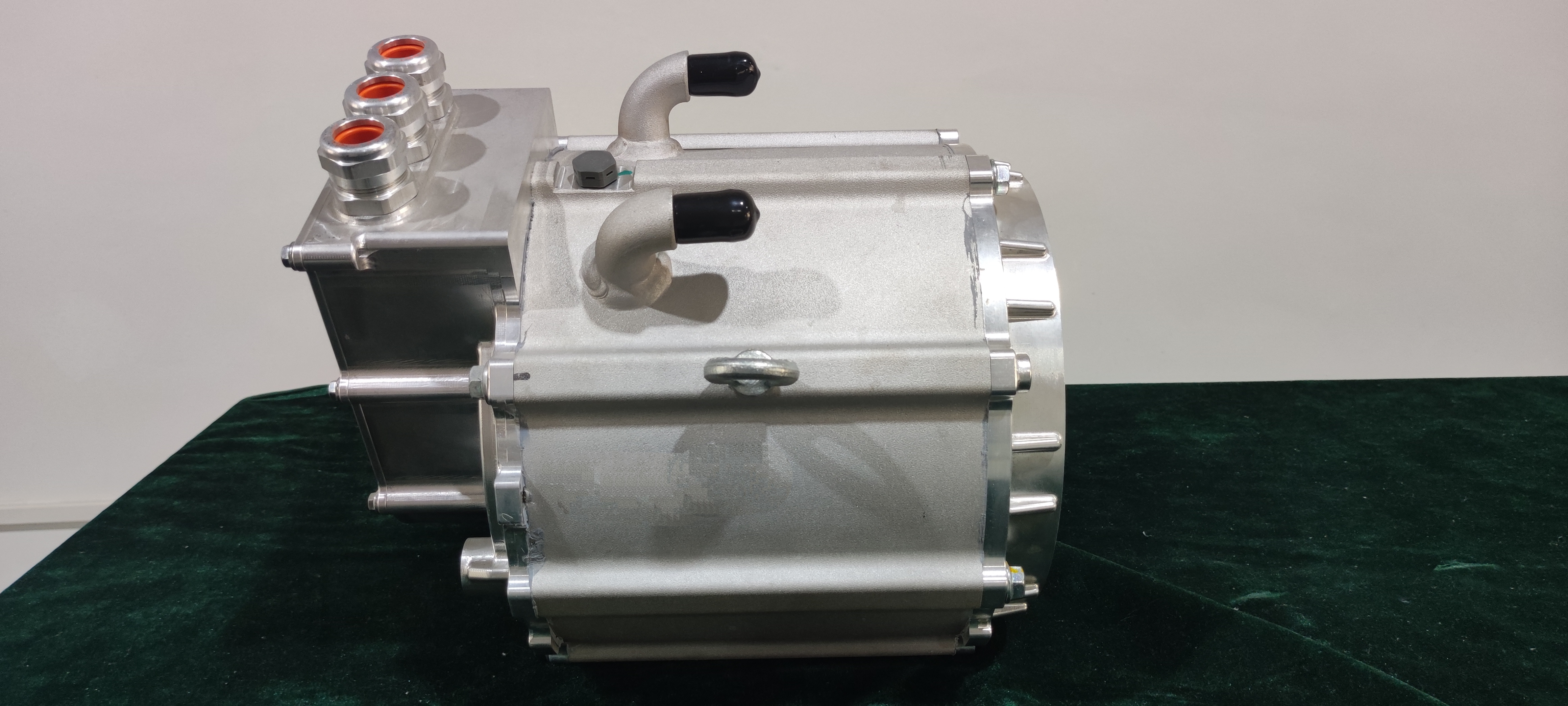
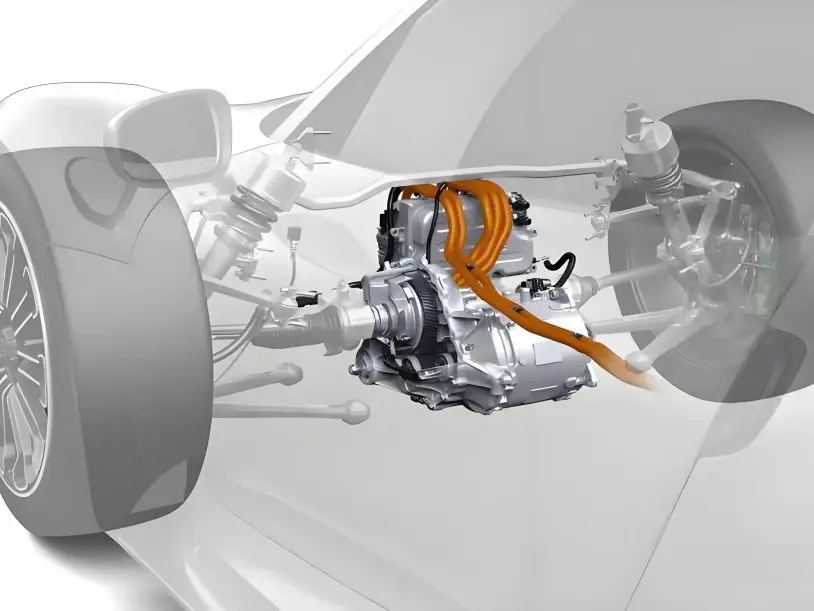
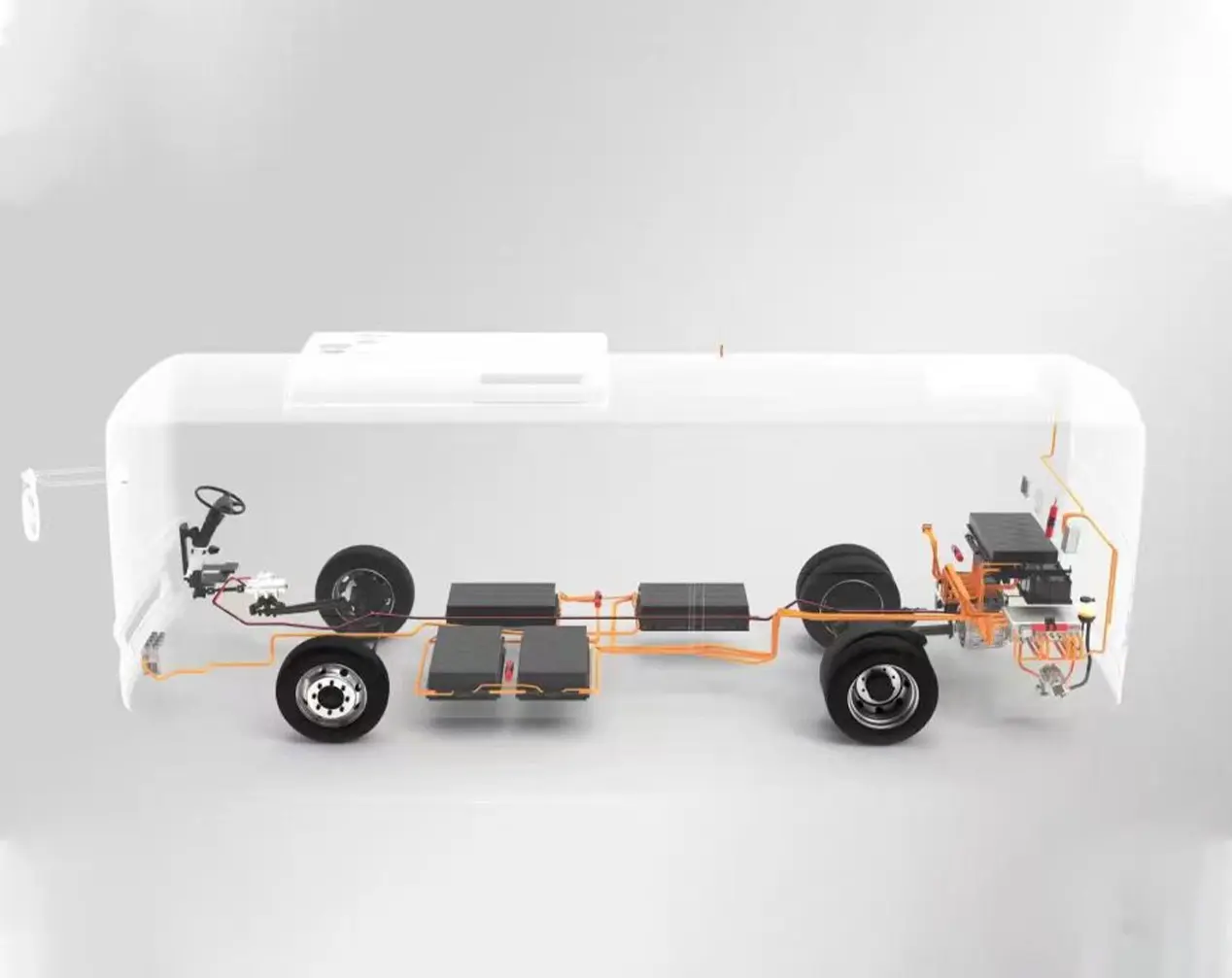
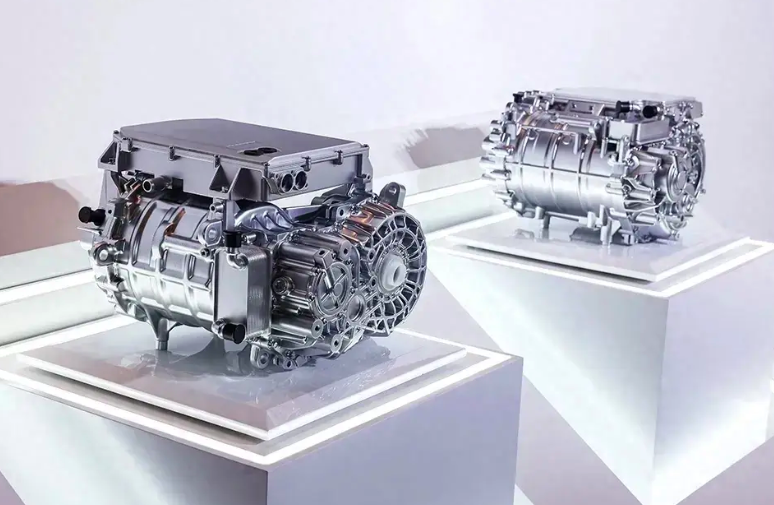
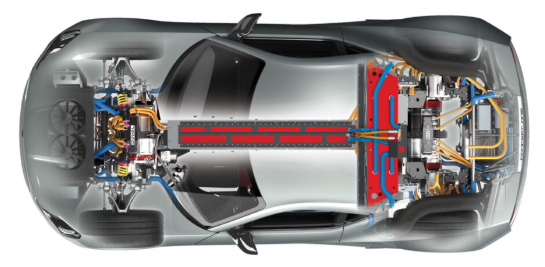
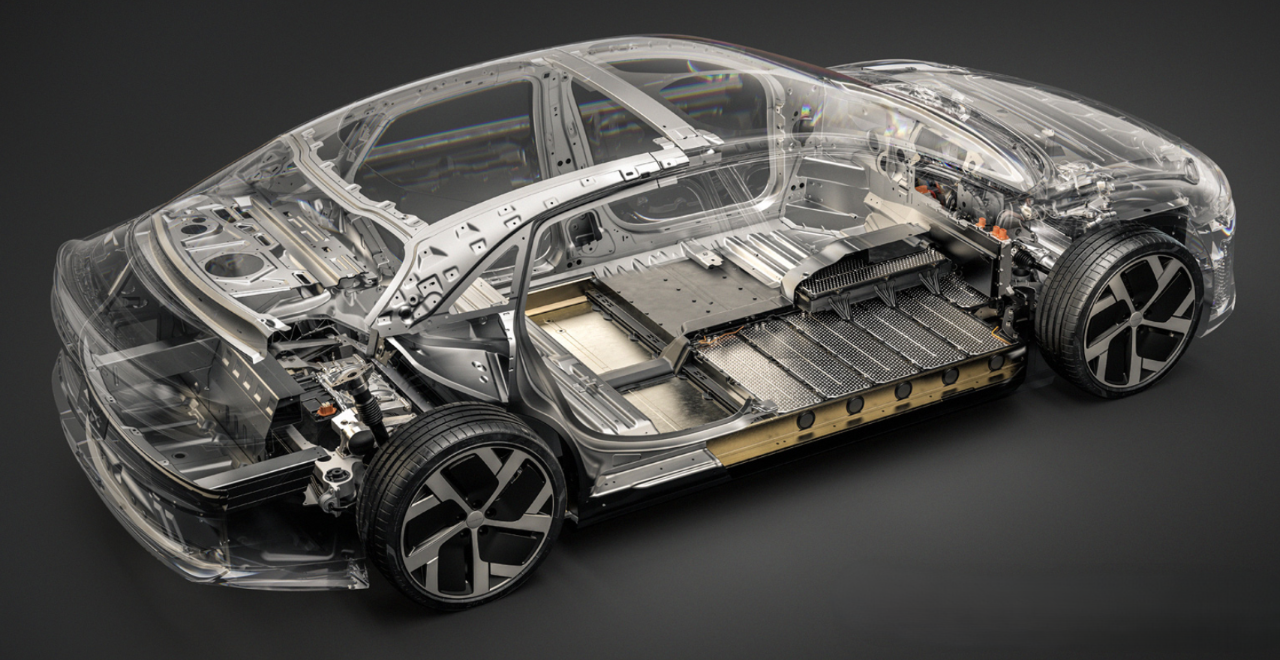
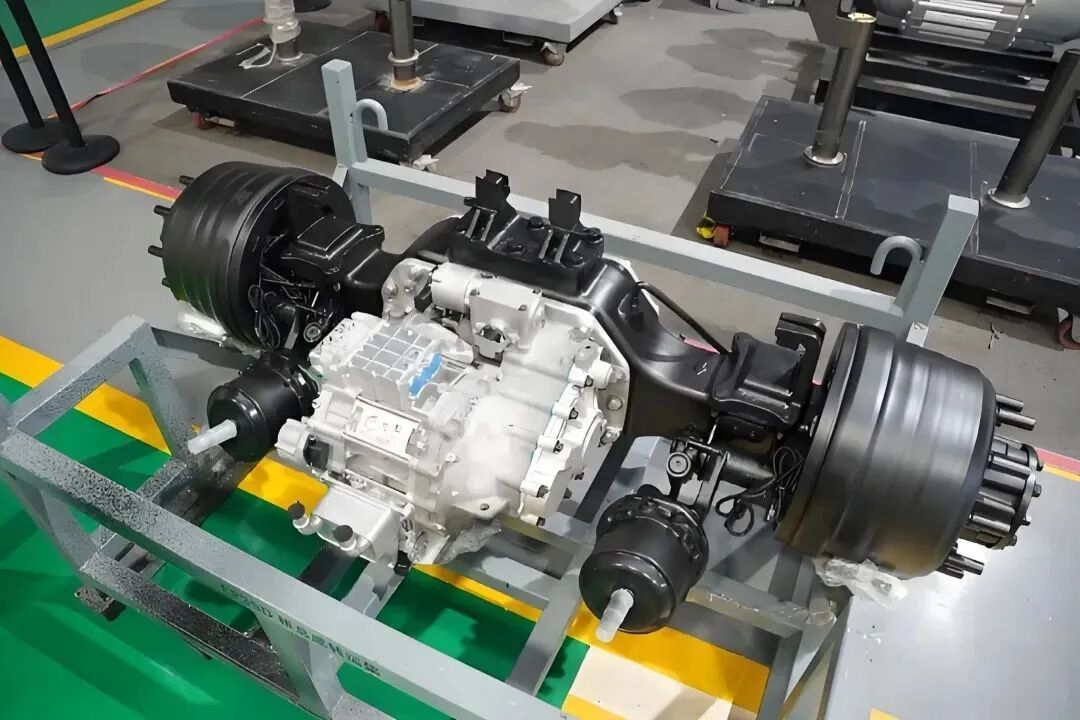
An electric vehicle conversion kit is a complete system that transforms an internal combustion vehicle into a fully electric one. These kits integrate electric motors, motor controllers, battery packs, charging systems, wiring harnesses, and auxiliary electronics. For commercial EVs and electric boats, conversion kits must support high torque, long operating cycles, and rapid charging capabilities. Modern conversion kits are engineered for compatibility, safety, and ease of installation—making them an ideal solution for fleet electrification.
4. Components of a High-Power Commercial EV Conversion System
A high-power conversion solution typically includes several core subsystems working in synchronization:
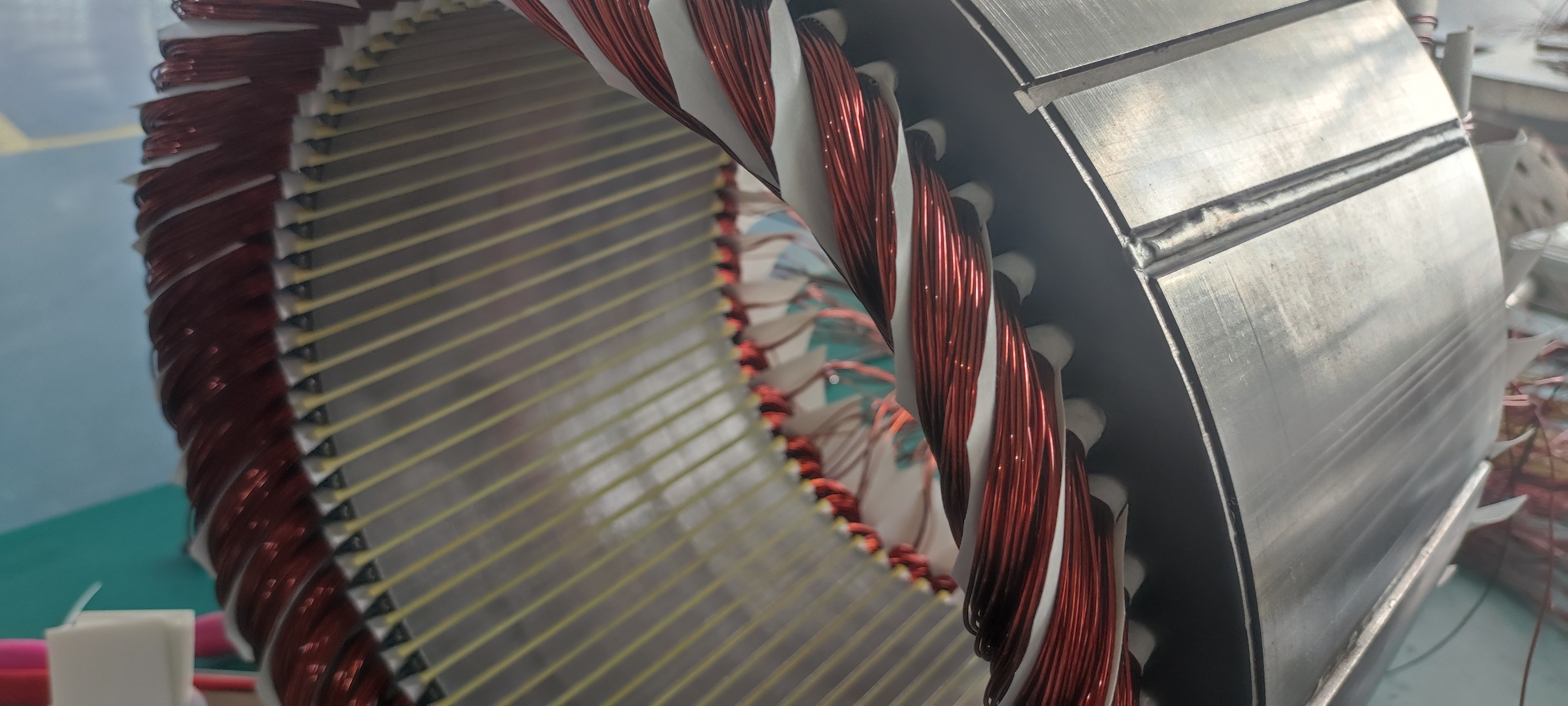
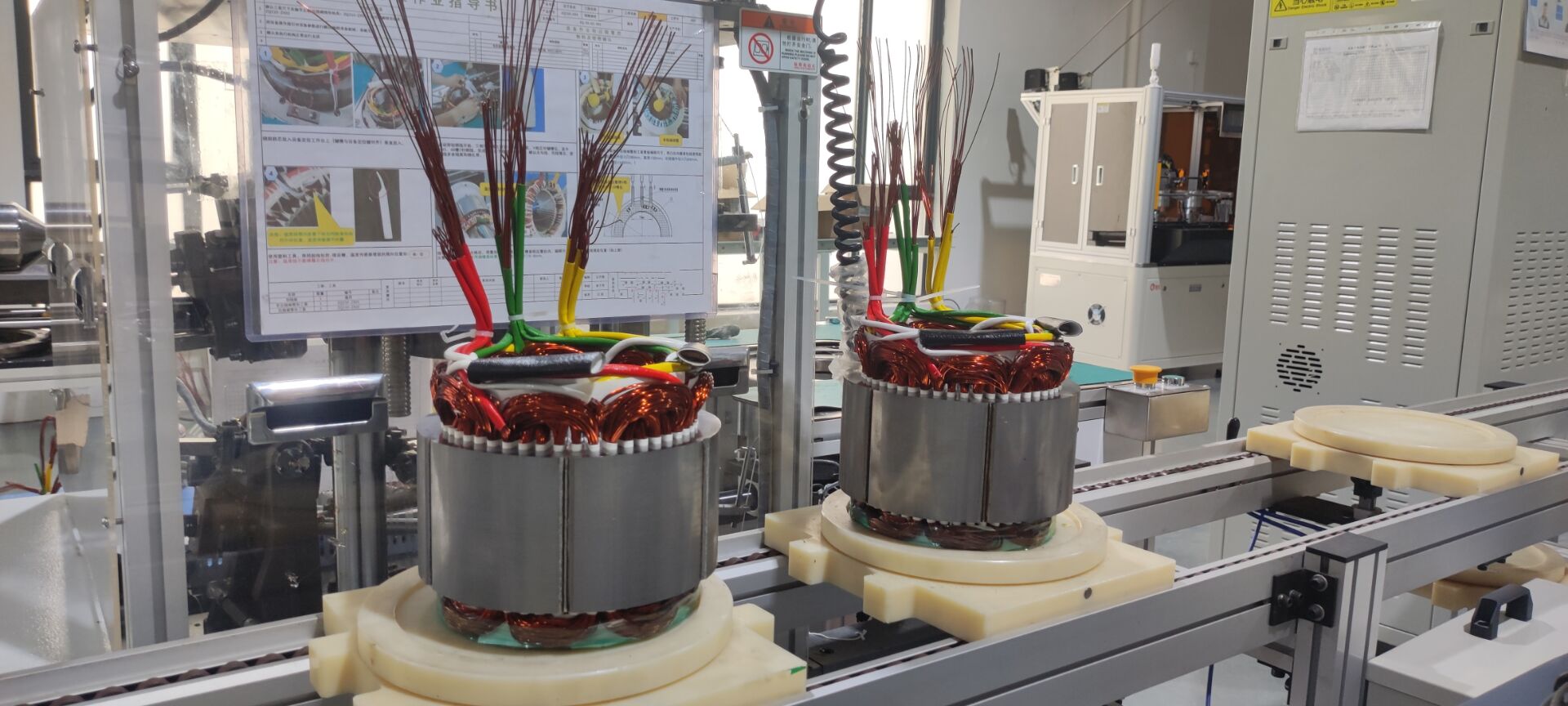
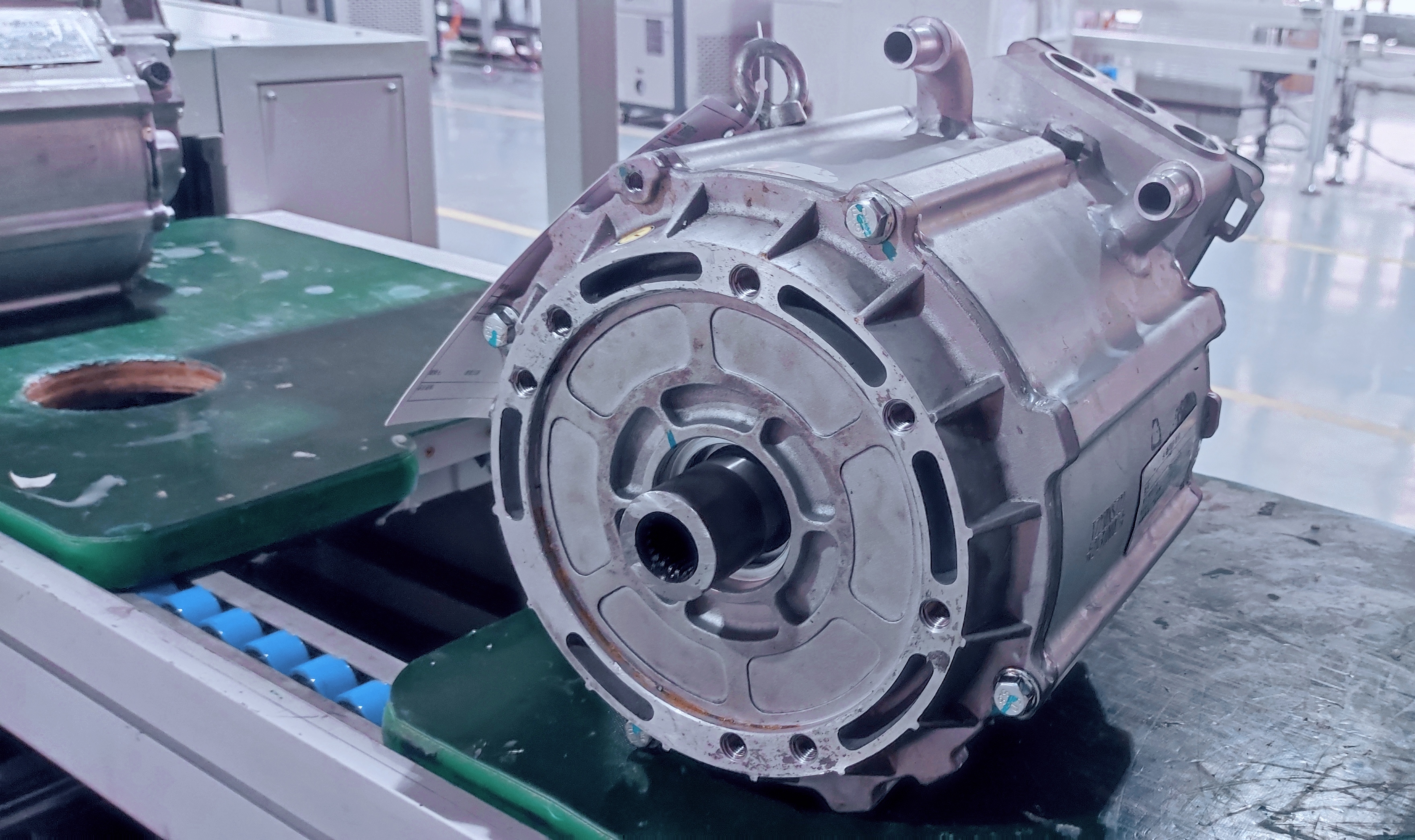
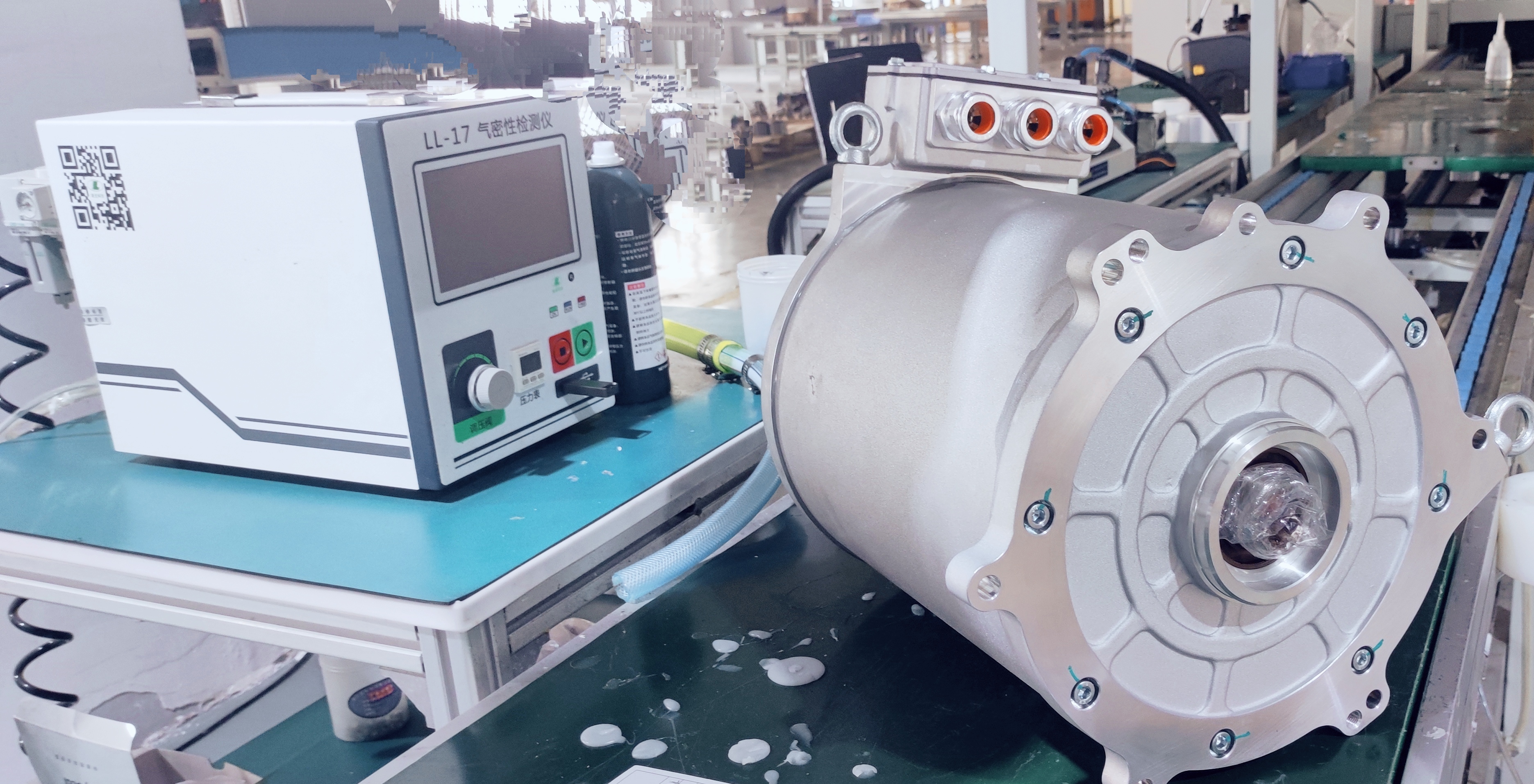
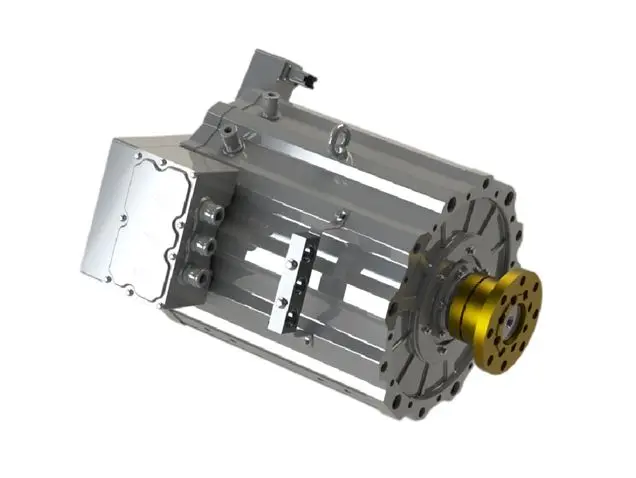
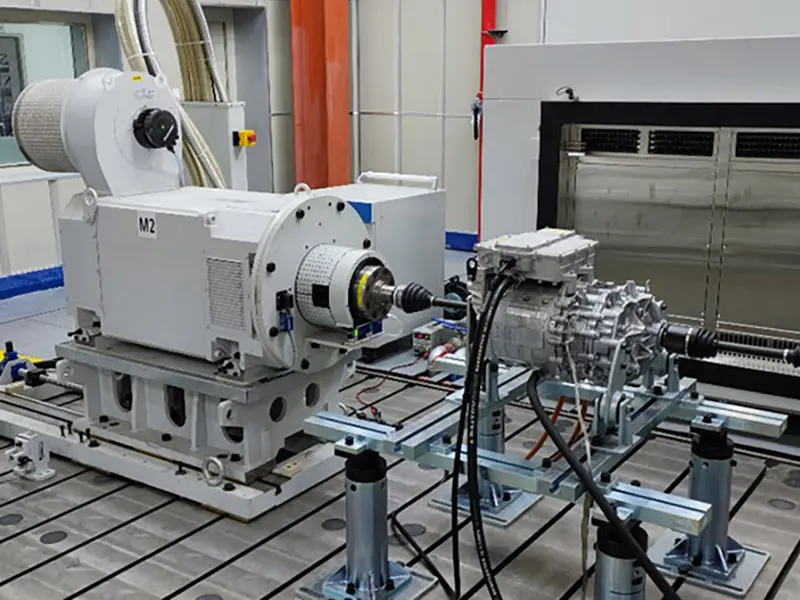
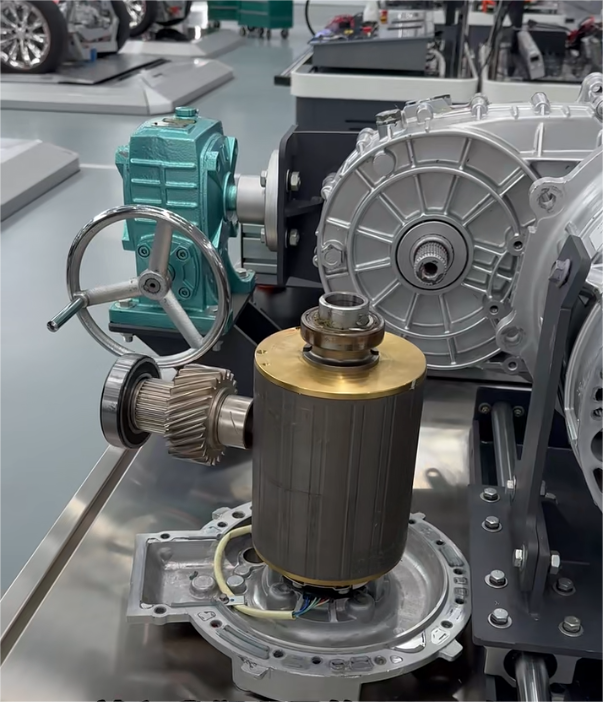
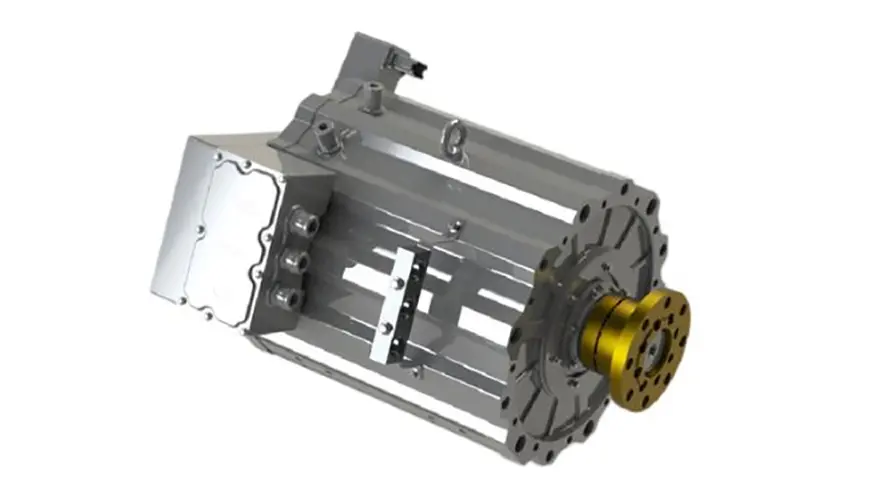
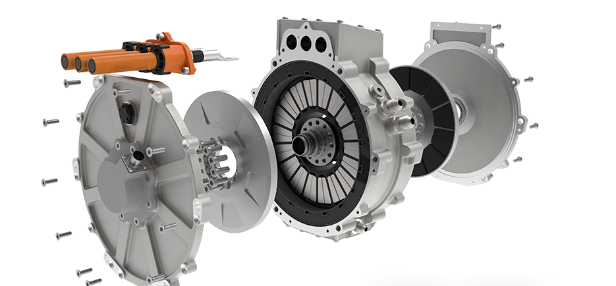
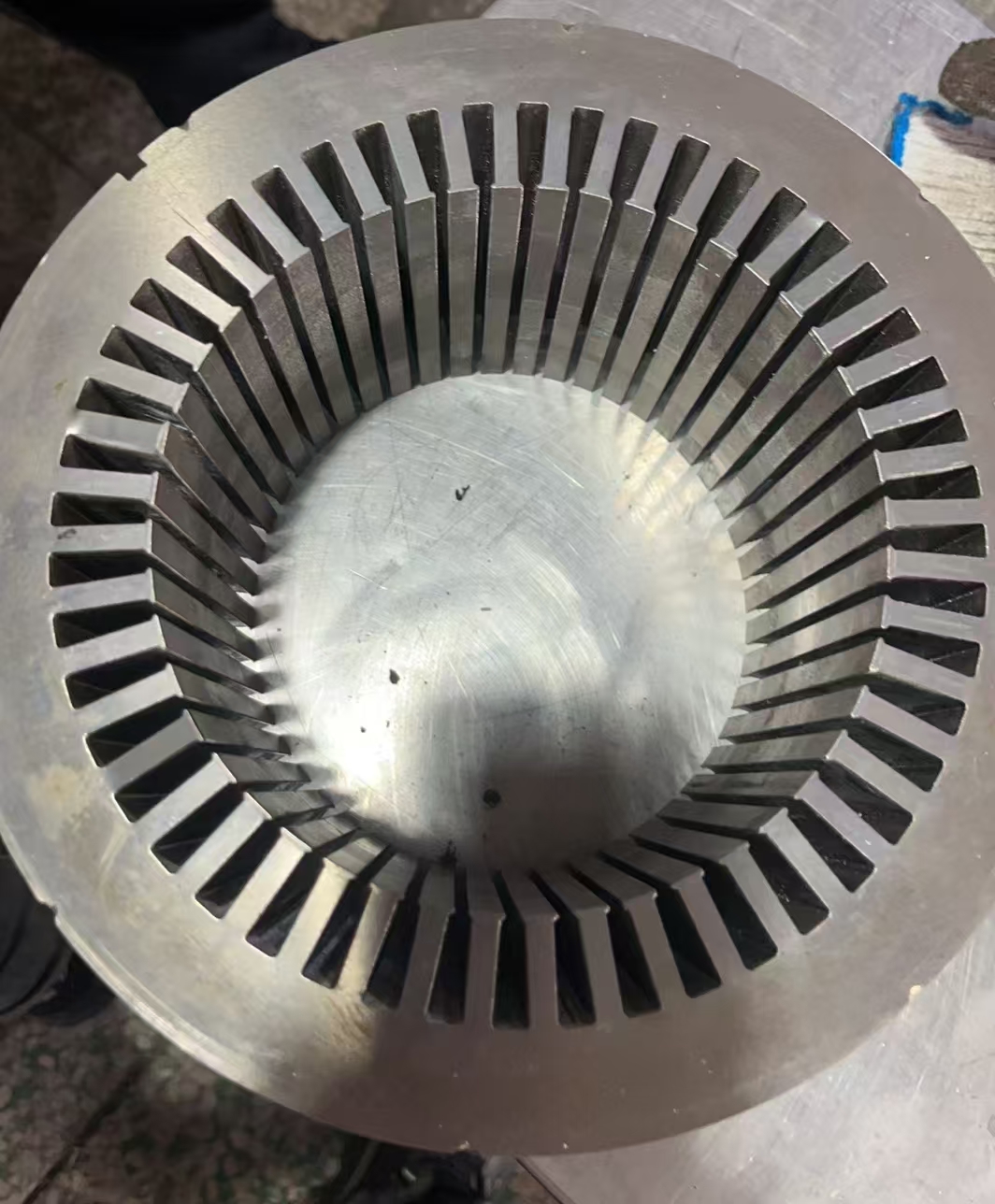
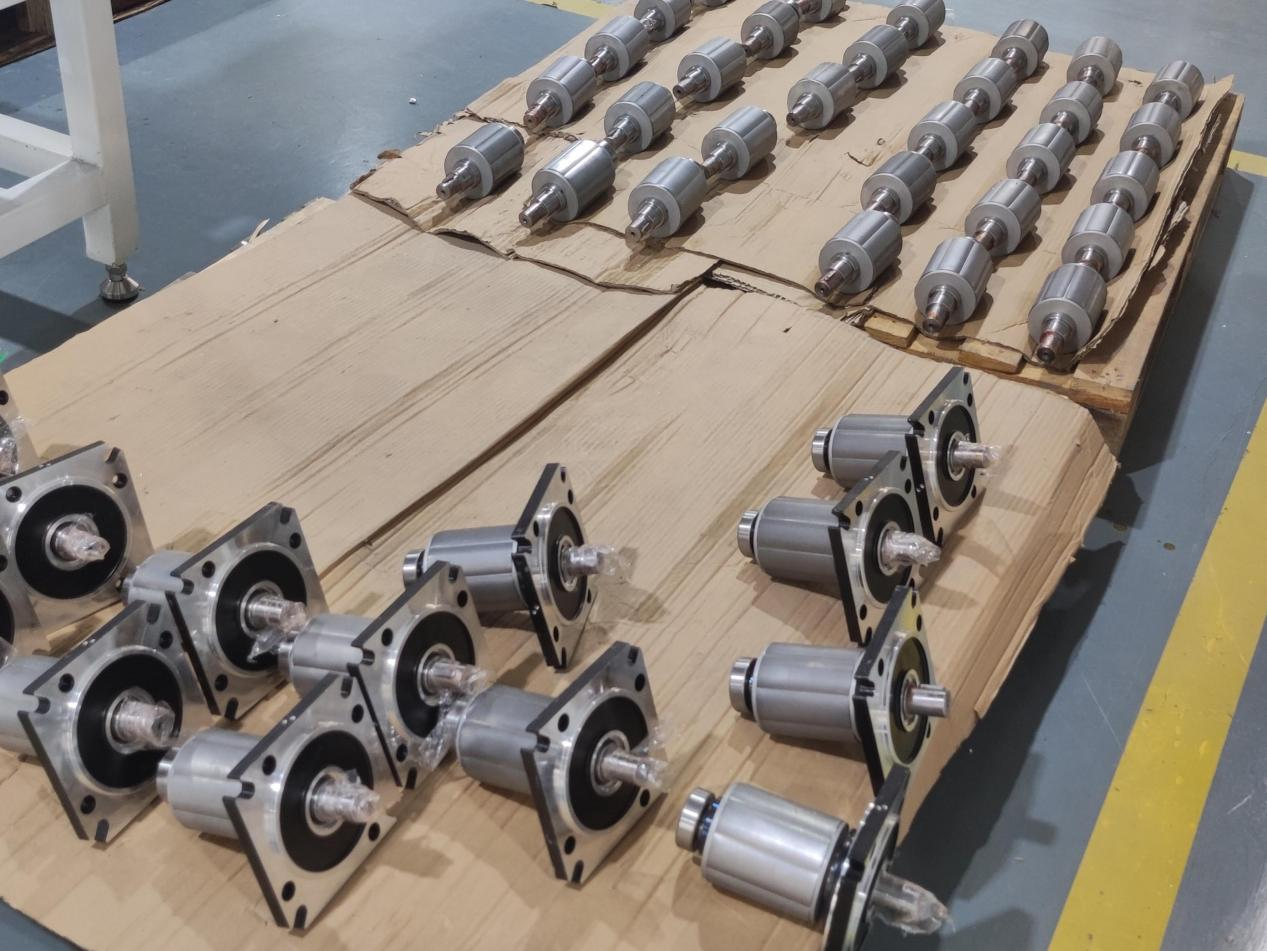
l Electric Motor: Delivers the mechanical power required for propulsion. Often optimized for high torque output suitable for trucks, buses, and marine vessels.
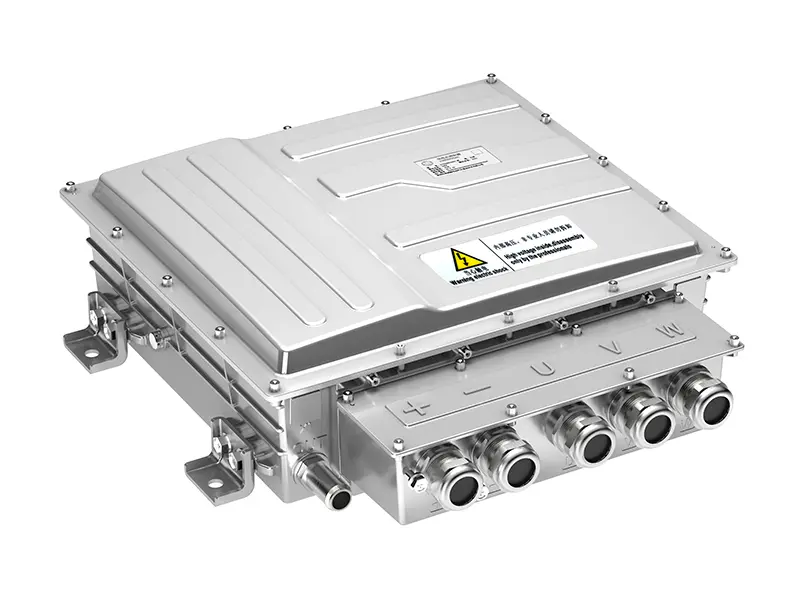
l Motor Controller: Manages motor speed, torque, and efficiency, ensuring responsive and smooth operation.
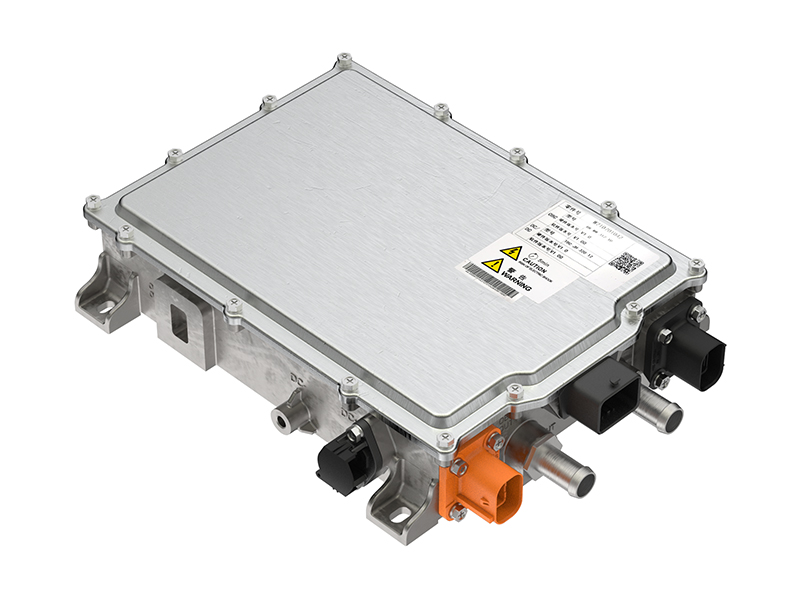
l Vehicle Power Converter: Ensures safe voltage regulation for traction systems and auxiliary loads.
l Battery Pack: High-capacity lithium-ion or LFP batteries provide long driving range and strong cycle durability.
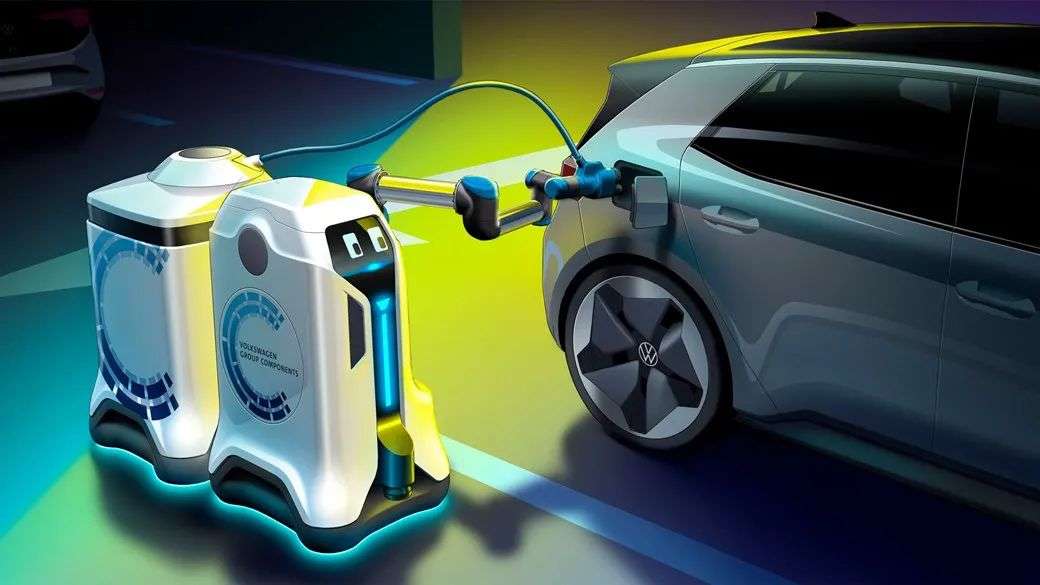
l Charging System: Supports both onboard and offboard charging, including fast DC charging for commercial use.
l Thermal Management: Maintains optimal temperatures for the motor, battery, and converter systems.
Together, these components form a reliable foundation for commercial electrification across a variety of demanding use cases.
5. Why High-Power Converters Are Critical for Commercial EVs and Electric Boats
Commercial vehicles require significantly more power than passenger cars. Whether propelling a loaded delivery truck up a steep incline or powering an electric boat across long distances, high-power converters ensure consistent and safe energy delivery. Their benefits include enhanced energy efficiency, stable system operation under heavy load, and improved battery life. Marine environments also demand ruggedized designs with superior corrosion resistance and waterproofing, making converter quality especially important.
6. Application Scenarios Across Multiple Vehicle Segments
High-power EV conversion technology is suitable for a wide range of applications:
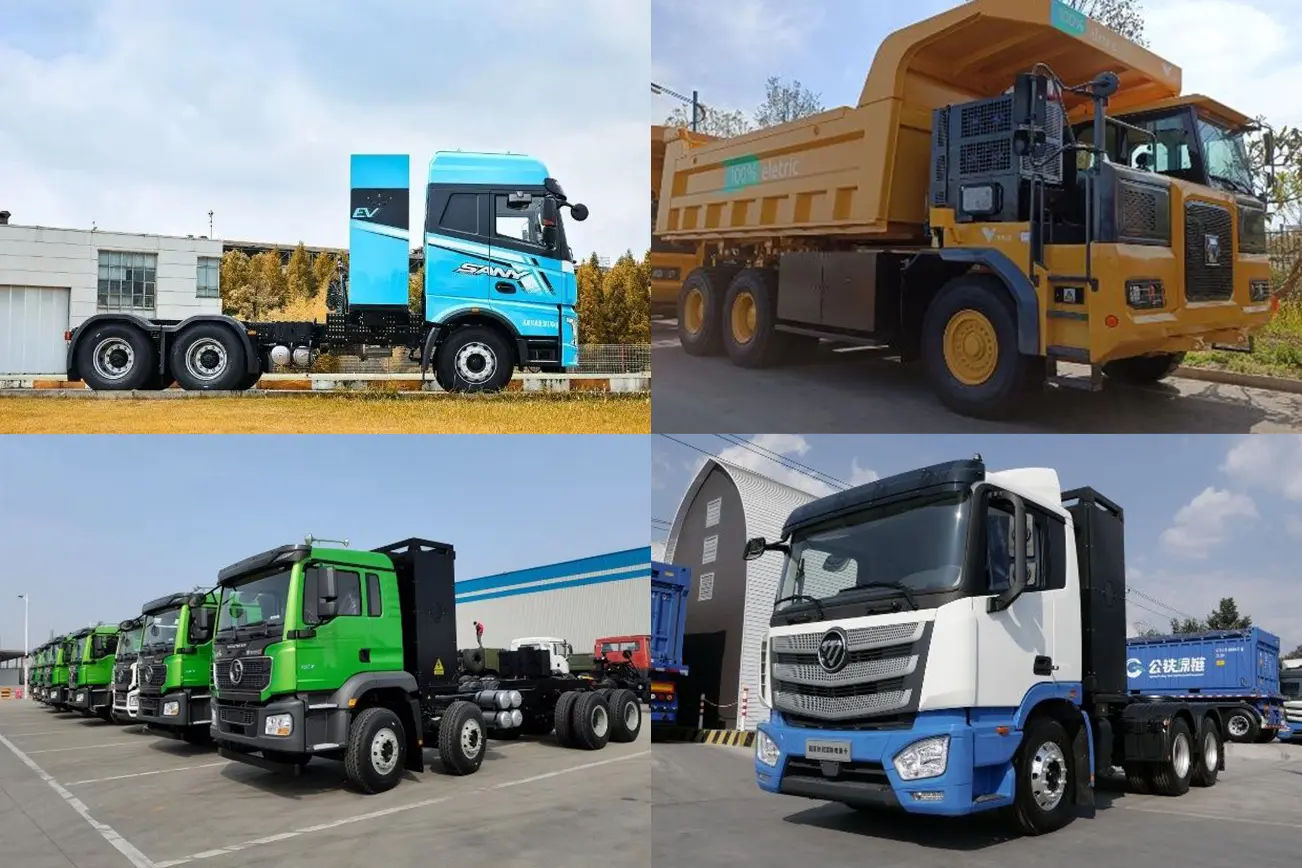
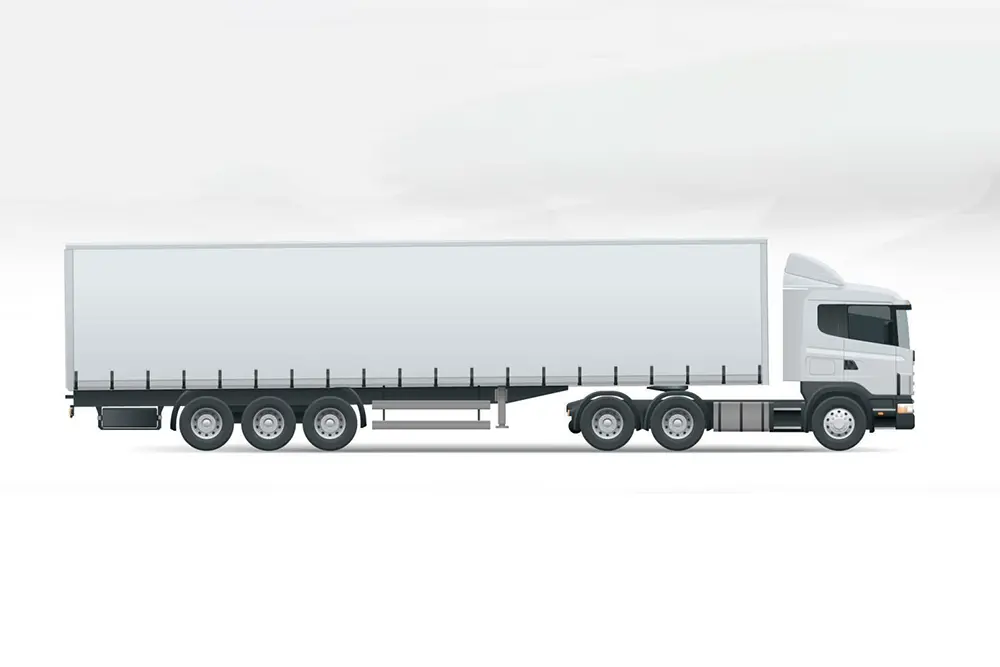
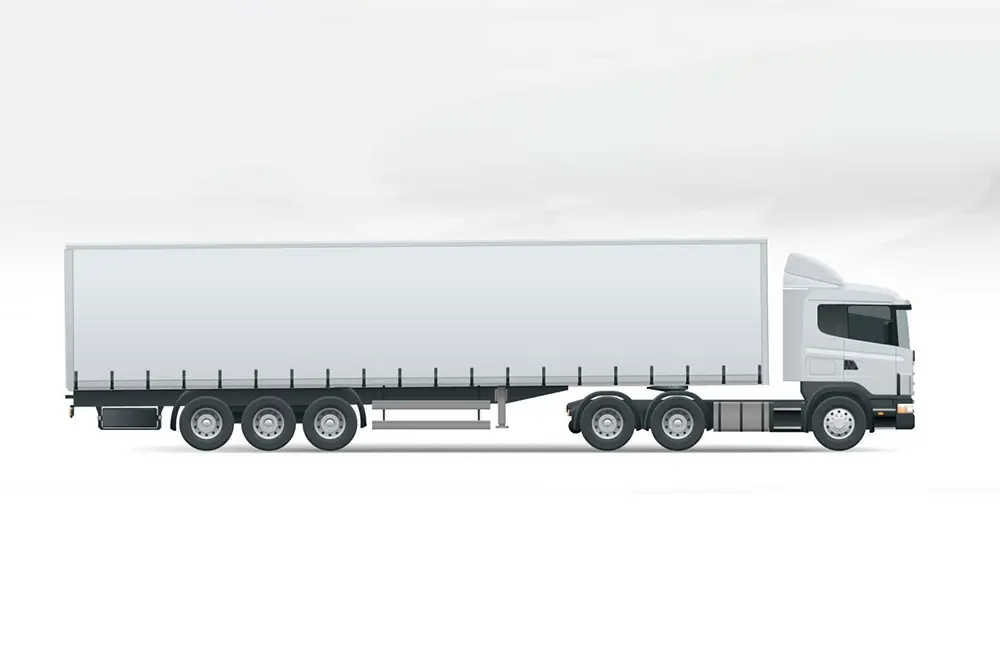
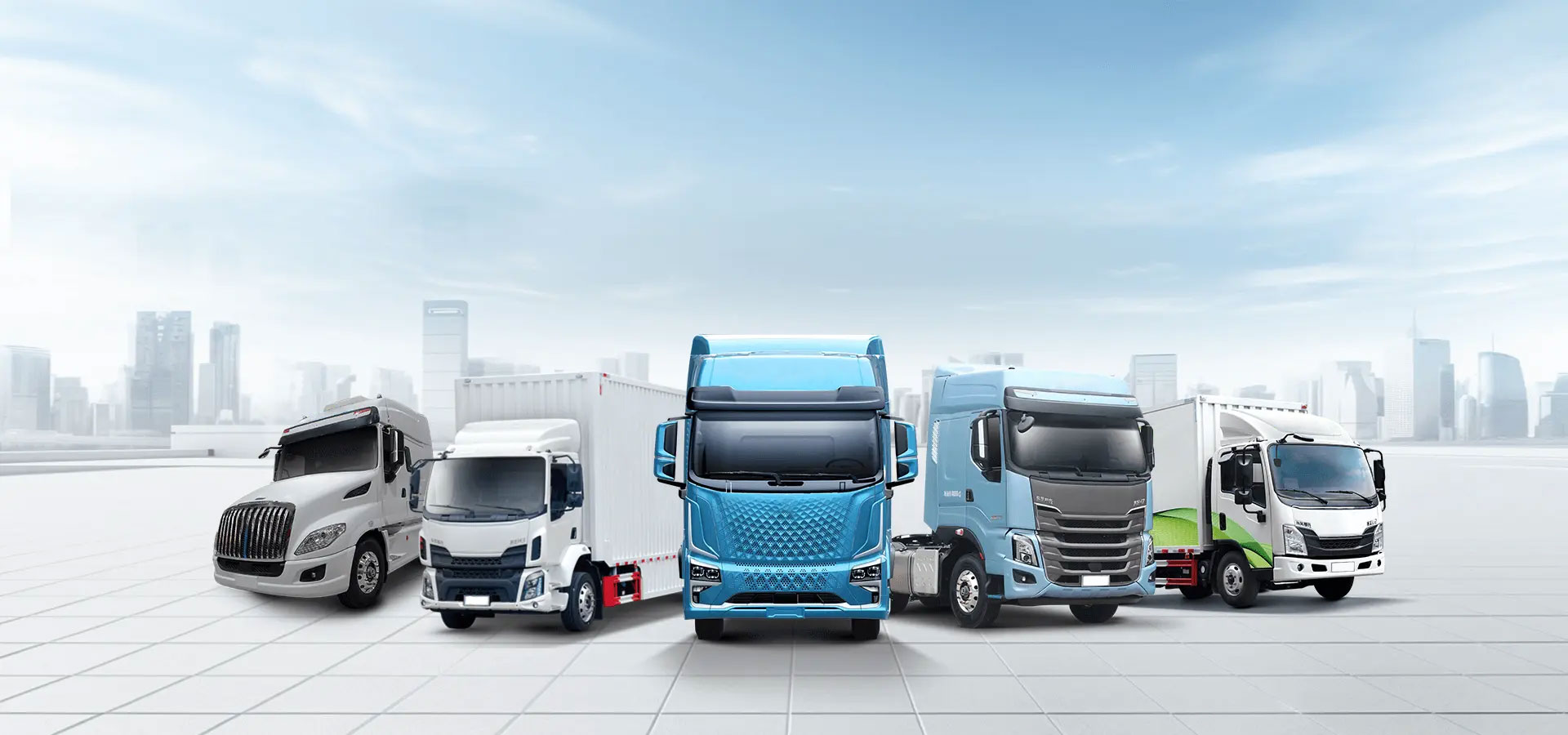
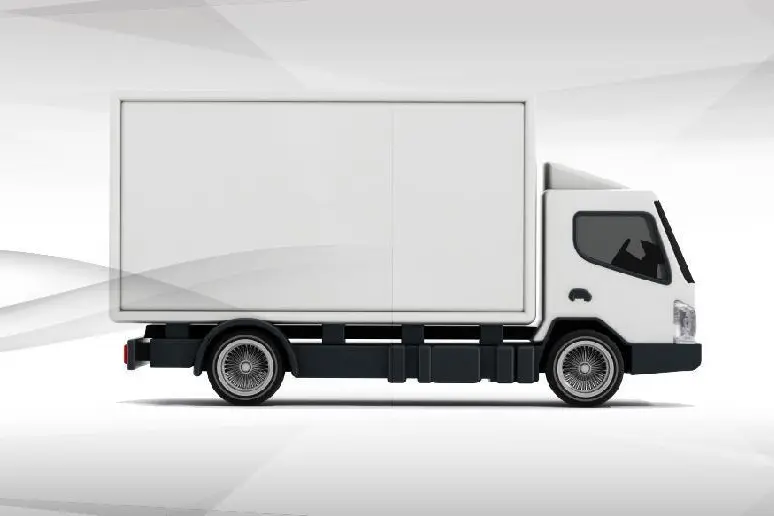
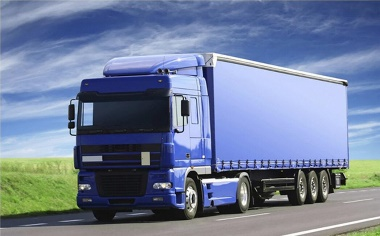
l Urban and Long-Haul Trucks: Ideal for logistics fleets transitioning to zero emissions.
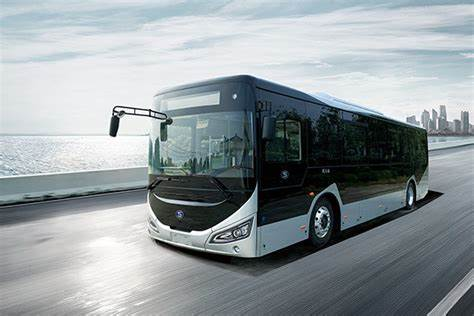
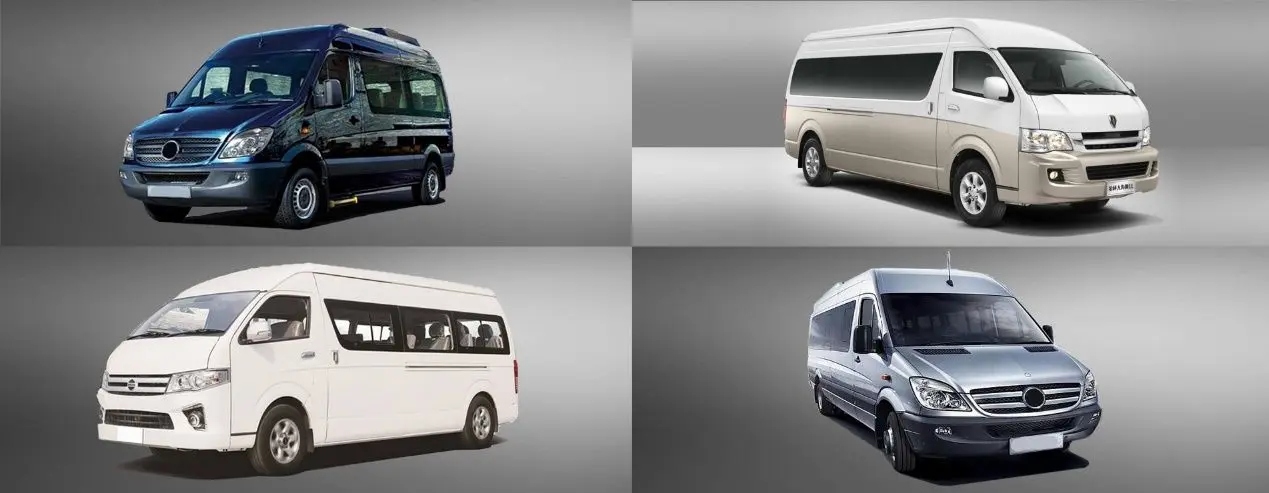
l Public Transportation: Electric buses benefit from smooth torque and lower operating costs.
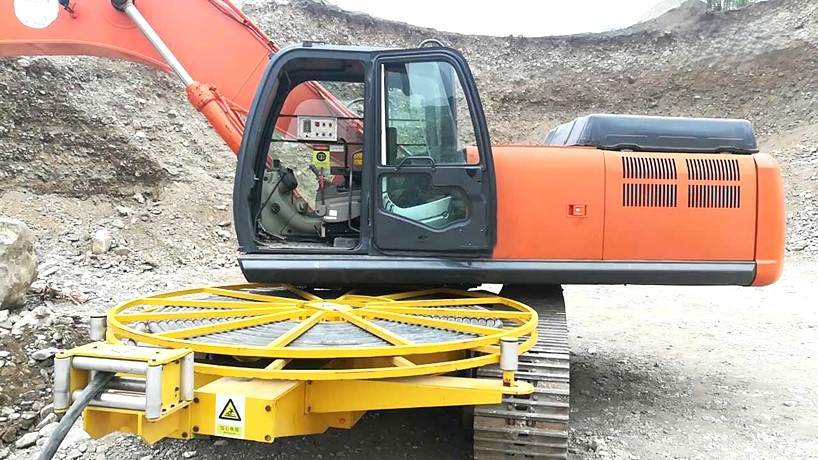
l Utility and Construction Vehicles: High torque and robust converters meet demanding power requirements.
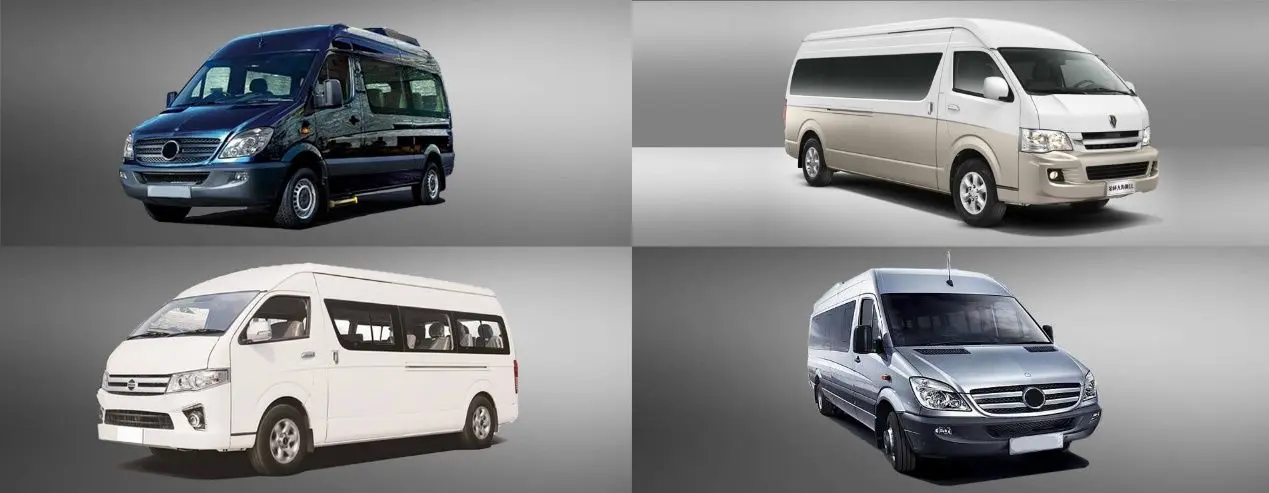
l Specialty Vehicles: Airport shuttles, sweepers, forklifts, and mining equipment.
l Marine Vessels: Electric boats, ferries, and work vessels leverage high-power converters for reliable propulsion and improved energy efficiency.
These diverse applications highlight the flexibility and scalability of modern EV conversion kits.
7. Benefits of Converting Commercial Fleets with Advanced EV Conversion Kits
For fleet operators, upgrading to electric brings both immediate and long-term advantages:
l Significant Fuel Cost Savings: Electricity costs far less per mile than diesel or gasoline.
l Lower Maintenance Requirements: Fewer moving parts lead to reduced maintenance and less downtime.
l Environmental Compliance: EV conversions help meet global emission standards and corporate sustainability goals.
l Extended Vehicle Lifespan: Retrofitting maximizes the value of existing vehicles without buying new ones.
l Enhanced Performance: Instant torque, reduced noise, and smoother operation improve the driving experience.
l Reduced Total Cost of Ownership: High-power converters and efficient systems ensure long-term financial benefits.
These advantages make conversion solutions an attractive option for fleets seeking cost-effective electrification.
8. Integration and Installation Considerations
Proper integration is crucial to ensure safety and performance. Key considerations include electrical compatibility, structural modification requirements, weight distribution, and cooling system integration. Working with professional EV conversion providers ensures compliance with safety standards, optimized wiring layouts, and accurate calibration of the motor and converter. Marine conversions may also require waterproof components, enhanced insulation, and corrosion-resistant materials.
9. Conclusion: Future-Proofing Commercial Fleets with High-Power EV Conversion Technology
High-power electric vehicle conversion kits and advanced power converter solutions offer a practical, scalable pathway for transitioning commercial fleets and marine vessels toward cleaner, more efficient operation. As technology continues to evolve, these solutions will become even more accessible, allowing industries of all kinds to reduce emissions, cut operating costs, and extend the lifespan of their existing assets. For businesses seeking a sustainable and future-proof mobility strategy, high-power EV conversion is a smart and forward-looking investment.